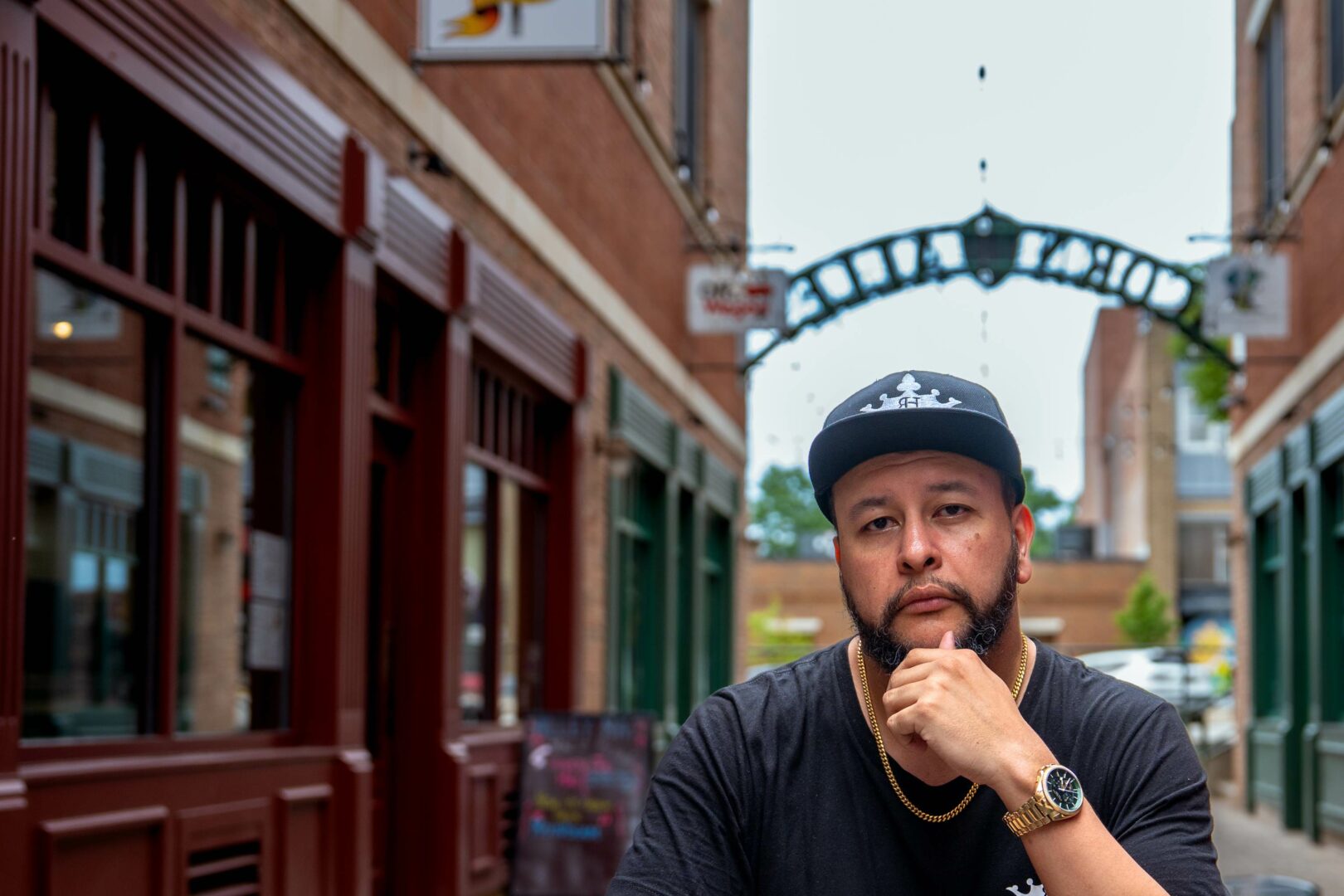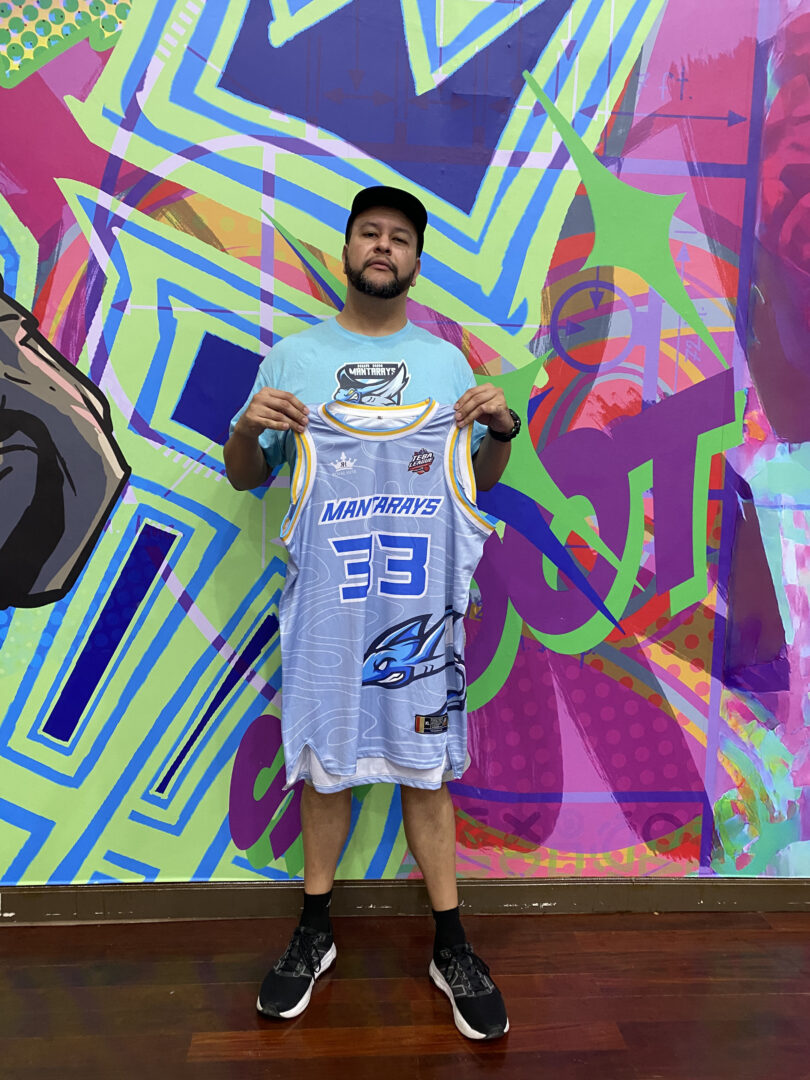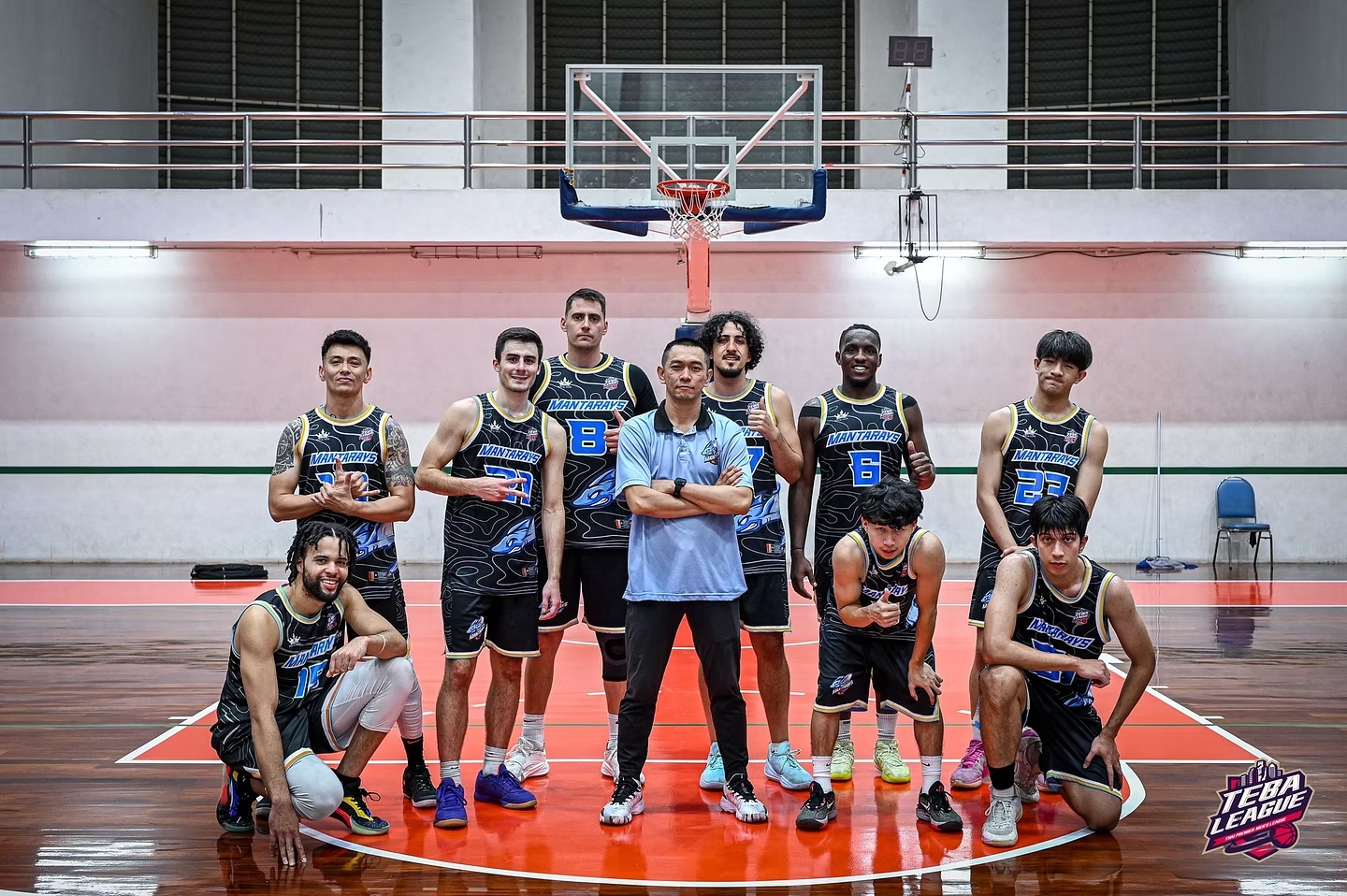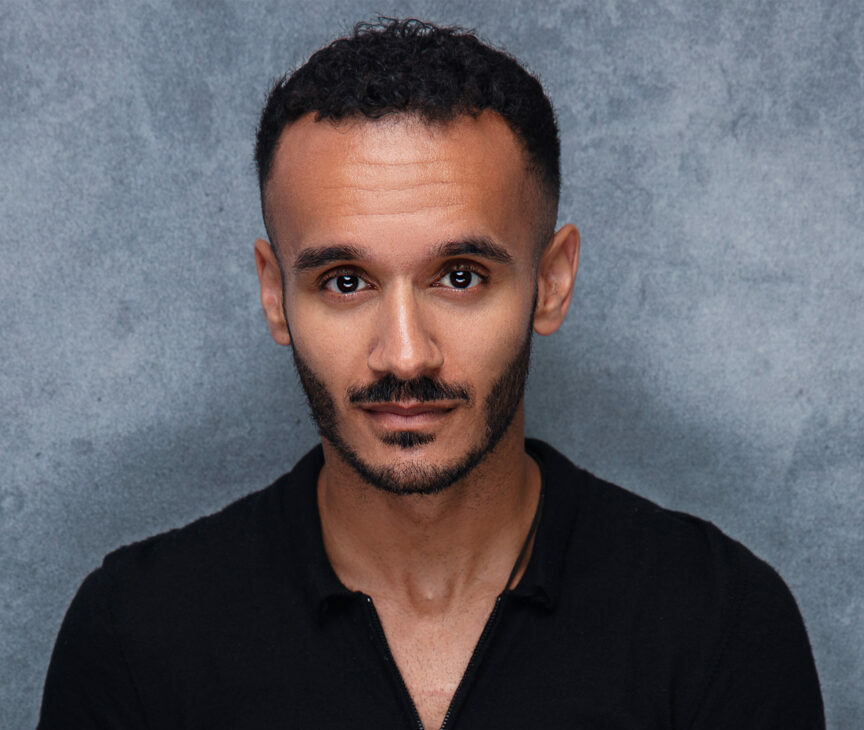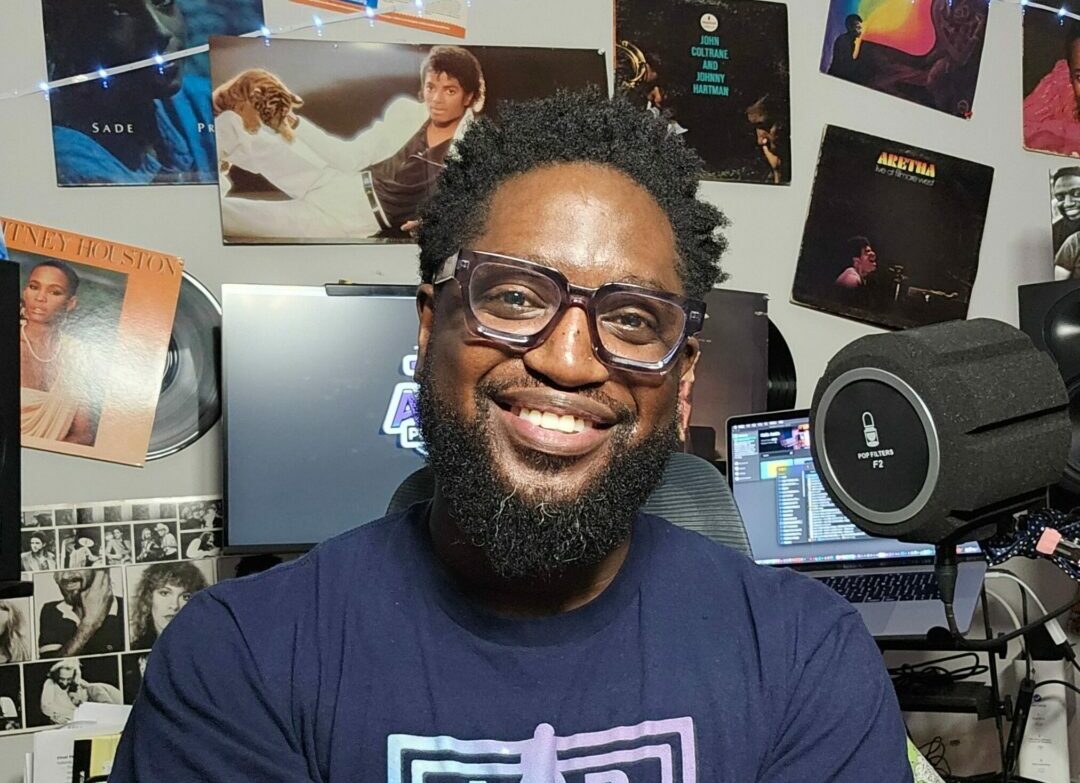
In this conversation, Brian Collins—also known as Essince—shares how his background in music promotion and live events translated naturally into sports ownership. From launching the Akron Aviators in the U.S. to leading the Hua Hin Manta Rays overseas, Brian approaches basketball as both competition and culture. At the core of his work is player development: creating stepping stones for athletes to advance into higher leagues, coaching, and long-term careers. Looking ahead, he envisions expanding Royal Heir Entertainment into a platform that supports emerging talent at the intersection of music, sports, and community—particularly in women’s basketball and developing markets where opportunity can spark lasting impact.
Hi Brian, thank you so much for taking the time to share your journey with us. From building a career in the music business to owning professional and semi-pro basketball teams across two countries, your path is anything but traditional—so let’s jump right in.
You’ve spent years in the music business before stepping into sports ownership. How did your background in music, entertainment, and producing live experiences prepare you to run basketball teams and think about sports as both competition and entertainment?
Actually, I didn’t think about any preparation until I’d already committed to it. I knew it was an opportunity I’d regret not taking. Seeing someone else either succeed OR fail at it would have bothered me, knowing I could have done it. So I just jumped right in. In the kindest way possible, basketball players and rappers are very similar. The want to be in the starting lineup is no different from wanting to headline a show. I always felt players should want to be in the game when it matters most (not that setting the tone isn’t important) or an artist should want to be on stage when the most people are in the crowd.
I always knew how to put events together, make flyers, promote, etc so that part came naturally. As well as me starting my college basketball team while studying abroad in Thailand (player, coach, uniform designer, sponsor getter, etc). Most of my life has prepared me for the next chapter so I’m grateful to be
Your entry into sports started from a simple conversation on a music conference call that turned into concerts, after-parties, and eventually owning the Akron Aviators. What was that leap like—from partnering on events to actually launching and leading your own franchise—and what did you learn in those early seasons?
The leap was pretty seamless as far as operations go. What I learned early on that shocked me, you could say, was the idea that I could not rely on all the local media outlets to support the team. I (foolishly) assumed that it would be easier to get press for something like sports than music. But I had a pretty rude awakening and realized if this was going to work, I was going to need to roll up my sleeves and work a lot harder than expected. I was coming straight from music so I didn’t know any local basketball players. I could book all the local talent for a concert easily, but I had no idea where to find players. It was there I learned a key, and wonderful difference between basketball players and artists, which is athletes are more likely to share opportunities to recruit other players. So word of mouth spread over the years and we quickly solved that problem.
Now you’re not only in Ohio but also owning a professional team overseas with the Hua Hin Manta Rays in Thailand. How has operating internationally changed your perspective on sports, culture, and leadership?
Because I had the fortune to study abroad while in college, I understood the culture and how basketball is a growing sport there. The leadership is different because I’m doing all my communicating, including payments, via apps and social media in a different timezone and sometimes with people who don’t share a common language fluently. It takes patience and understanding. But people worldwide can see and comprehend effort. Communication is key to any successful relationship and team ownership is no different.
Beyond wins and losses, your teams have helped players move up to higher leagues and even into coaching careers. What does player development and creating real opportunities for athletes mean to you as an owner?
It means everything. I’m so proud of these guys for their growth. I know some owners want their stars to stay with their programs and I get it. If I had a team of all the stars who’ve moved up could we have been multi-time champs? Who knows. But I know the fact that these guys have gone somewhere also ads value to our program. The stepping stones don’t exist so we have to build them. And many have come back to help in various capacities, even if it’s just to say good things about me and the team to future prospects. That means a lot to me.
As you look to expand even further, what’s your bigger vision for the future—more teams, deeper entertainment integration, or something entirely new at the intersection of music, sports, and community?
I’m open to other teams or leagues, and possibly different sports. But a long-term goal is to continue developing my entertainment company, Royal Heir Entertainment into the “Roc Nation of the Minor Leagues”. I want to develop athletes and talent who are on the brink of their big break and help them grow. But I’m very interested in women’s basketball and growth in developing countries, especially if it can not only boost local economy, but help further that aforementioned pathway for players to grow and have careers.
- https://www.instagram.com/
itsessince - Follow on all socials: https://flow.page/essince
- www.akronaviators.com