We recently had the chance to connect with Zhongqi Fu and have shared our conversation below.
Zhongqi, we’re thrilled to have you with us today. Before we jump into your intro and the heart of the interview, let’s start with a bit of an ice breaker: What makes you lose track of time—and find yourself again?
What makes me lose track of time is honestly when I’m deep in the zone solving a really messy design problem. Like when I’m untangling a confusing workflow or shaping a new feature from scratch—I’ll look up and hours have flown by. There’s something so satisfying about taking ambiguity and slowly turning it into something clear, intuitive, and usable. I can get completely absorbed in sketching, prototyping, refining microinteractions… I actually enjoy the nerdy details.
But I always find myself again in the human side of design—when I’m talking to users, getting feedback, or collaborating with teammates. Especially when I see someone genuinely get the design and it makes their job easier or their day better. That brings me back to why I do what I do.
Also, I’ll admit—I find myself again when I step away. A walk outside, cooking a new recipe, dancing in my kitchen with my cat watching me like I’m ridiculous… those moments recharge me and bring fresh perspective.
Design is where I lose time. People—and joy—are where I find it again.
Can you briefly introduce yourself and share what makes you or your brand unique?
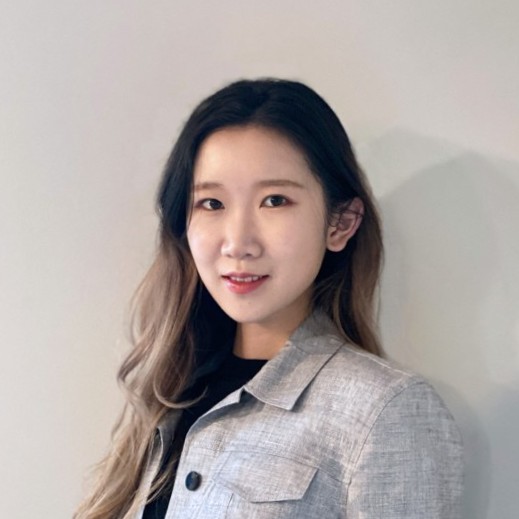
Hi! I’m Zhongqi Fu, a Senior Product Designer with a deep love for solving complex problems through human-centered design. I’ve spent the last 6+ years shaping intuitive, scalable digital experiences across industries—from AI and healthcare to clean energy and finance—always with the goal of making life a little easier (and more delightful) for real people.
My design journey started with architecture, but I quickly realized I was more drawn to interaction, feedback loops, and the way digital tools empower people. Now, I lead end-to-end design initiatives, drive cross-functional collaboration, and mentor younger designers—all while obsessing over the small details that make big differences.
What makes my work special is the balance I strike between system thinking and emotional intelligence. I love the challenge of aligning business goals with user needs, turning messy ambiguity into thoughtful, elegant solutions. My process is deeply collaborative, research-driven, and rooted in empathy.
Outside of design, I’m a cat mom to a very opinionated ragdoll, a huge fan of cooking and dancing, and someone who finds joy in every beautiful detail—whether it’s a clean UI or a sunset on a hiking trail.
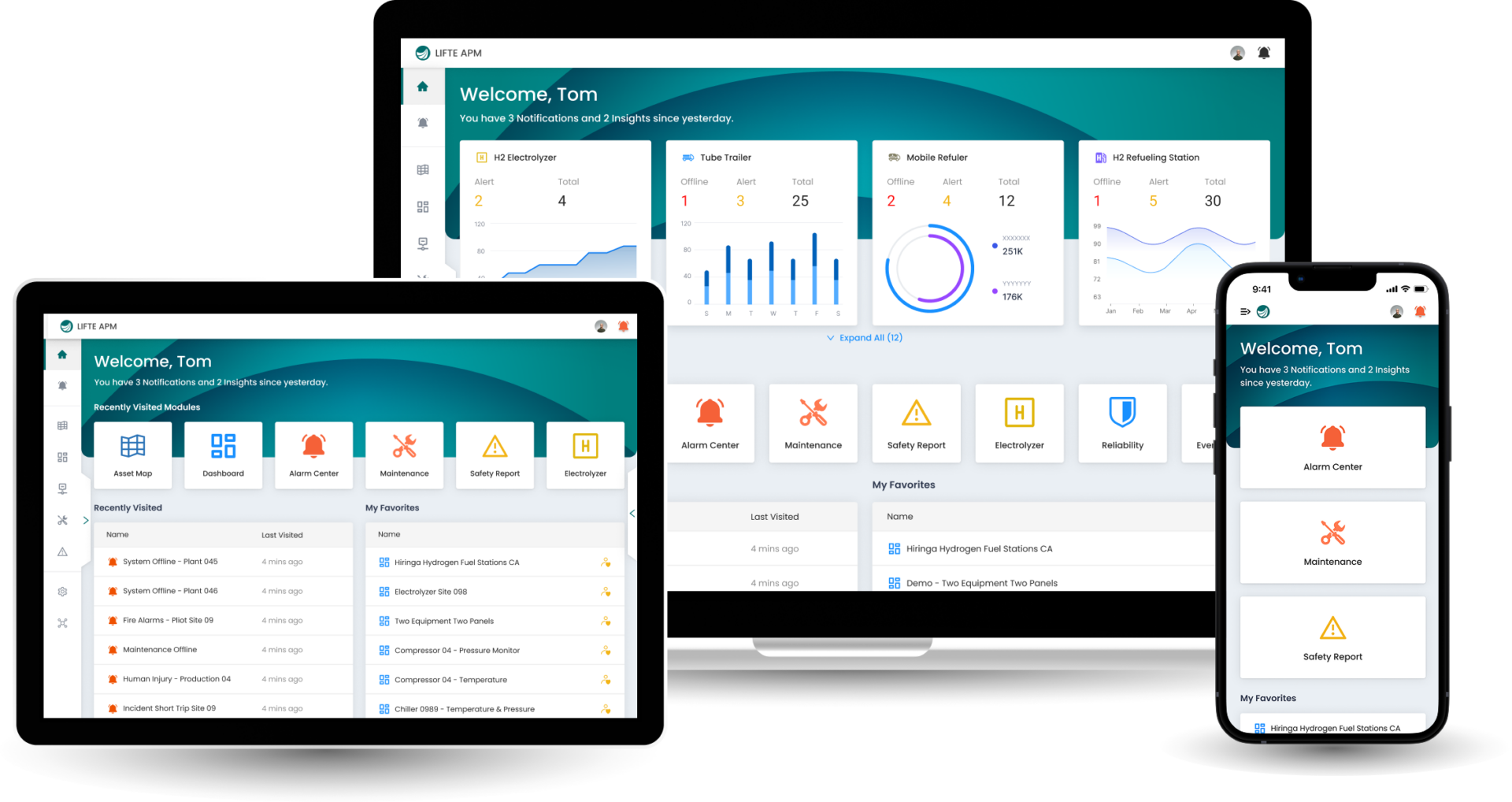
Right now, I’m focused on designing impactful, data-driven tools that empower professionals to work smarter and with more clarity. Always learning, always curious, and always designing with purpose.
Great, so let’s dive into your journey a bit more. Who were you before the world told you who you had to be?
Before the world told me who I had to be, I was a kid endlessly drawn to beautiful things—clothes, shop windows, cool buildings, even fashion shows on TV. I didn’t fully understand what design was yet, but I knew I felt something spark every time I saw elegance and intention in everyday objects.
I used to draw all over the walls and floors (sorry, Mom), build paper models out of anything I could find, and even once made a skirt out of leftover fabric scraps—just because I wanted to see if I could. I was constantly making, imagining, and finding joy in turning nothing into something.
That playful, hands-on curiosity is still at the core of who I am today as a designer. Back then, I didn’t have rules, frameworks, or processes—I just followed what felt inspiring. And even now, after years in UX and product design, I think the best work still starts from that same place: curiosity, creativity, and the desire to make something beautiful and useful.
If you could say one kind thing to your younger self, what would it be?
I’d tell my younger self: “Keep creating—don’t worry if it’s messy, weird, or imperfect. Your curiosity is your superpower, and the things that make you different now are the things that will make your work meaningful later.”
Also… don’t stress about drawing on the walls. That instinct to make beauty out of anything? That’s not a flaw—it’s your gift. Trust it.
Sure, so let’s go deeper into your values and how you think. What are the biggest lies your industry tells itself?
One of the biggest lies I was told early in my design career—especially in architecture—was that design alone can solve social problems. I remember professors, managers, even famous architects saying, “If we create open, beautiful public spaces, people will naturally gather, connect, and thrive.” It sounded noble—and I believed it.
But in reality, I saw those same public spaces sit empty. Designed with good intentions, yes—but disconnected from how people actually live, move, and feel. That disconnect taught me something the industry often overlooks: design without empathy, context, and lived experience is just sculpture.
This illusion still echoes in the digital world. We celebrate aesthetics, push for clean UIs, and assume if we build something “intuitive,” people will use it as we imagined. But unless we truly understand people—their constraints, behaviors, and motivations—we’re just designing in a vacuum.
That experience humbled me. It made me shift from designing for people to designing with people. It’s not enough to create space—physical or digital—we have to make sure it’s meaningful, usable, and rooted in reality.
Before we go, we’d love to hear your thoughts on some longer-run, legacy type questions. Are you doing what you were born to do—or what you were told to do?
For a long time, I followed what I was told to do—pursue a “serious” profession, learn structure, prove I was capable. That path led me into architecture, which gave me a strong foundation in systems thinking and spatial awareness—but something always felt missing.
It wasn’t until I found product design that everything clicked. The way it blends empathy, logic, aesthetics, and real-world impact—it felt like I had finally come home. I remembered how I used to create paper models, sew clothes from scraps, and sketch on the floor as a kid—not because anyone told me to, but because I had to. It was instinct.
Now, every time I solve a complex UX problem, lead a cross-functional workshop, or see a user light up when something just works—I know I’m doing what I was always meant to do. Not out of obligation. But out of joy, curiosity, and purpose.

so if you or someone you know deserves recognition please let us know here.