We recently had the chance to connect with Sarah Fishbein and have shared our conversation below.
Sarah, so good to connect and we’re excited to share your story and insights with our audience. There’s a ton to learn from your story, but let’s start with a warm up before we get into the heart of the interview. What are you being called to do now, that you may have been afraid of before?
For much of my career, I chased a version of success that I thought I was supposed to want – climbing ladders, meeting expectations, and fitting neatly into roles that looked impressive from the outside. Growing up, I was often shushed when I spoke my mind. I was told not to upset the apple cart, not to make a fuss and to blend in. Over time, all those moments of silence accumulated.
I found myself in careers that appeared successful, yet left me feeling unfulfilled, anxious, and quietly angry. I became increasingly resentful of voices that seemed louder, more valued, and more welcome than my own.
Art, specifically creating mosaics, became a catalyst for change. It gave me a way to speak boldly without asking permission. Through my work I have learned to stop hiding parts of myself and instead to embrace them fully. I am now being called to take up space, to trust my perspective and to use my voice unapologetically. I continue to push beyond my own comfort zone confronting the lifelong habit of silencing myself and choosing, finally, not to.
Can you briefly introduce yourself and share what makes you or your brand unique?
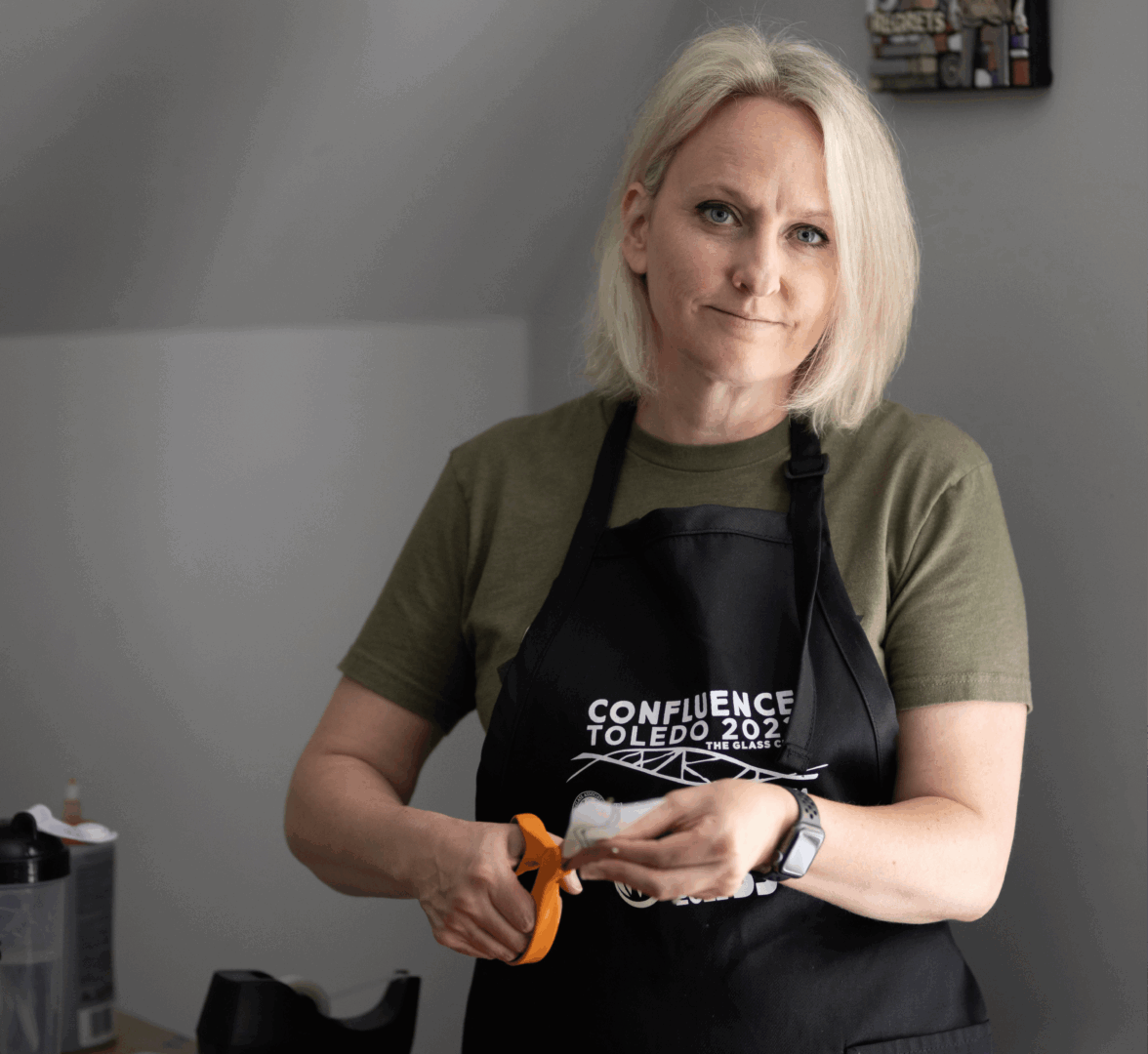
I am a pop art glass mosaic artist who reimagines the visual language of 1950’s and 1960’s romance comics, transforming their nostalgic aesthetic to confront contemporary issues. My work explores themes of women’s empowerment, gender equality, and LGBTQ+ visibility and acceptance.
My visual style is unapologetically bold and direct and in your face by design. Strong black lines, pointed text, and powerful statements are paired with the beauty and intensity of hand-cut glass. Through this fusion of pop art and mosaic, I use a familiar romanticized past to spark dialogue about who we are now and challenging outdated narratives while celebrating strength, identity, and love in all its forms.
Great, so let’s dive into your journey a bit more. What relationship most shaped how you see yourself?
My husband has been the ultimate mirror in my life. He has a rare ability to encourage me without feeding my ego while offering support rooted in honesty rather than comfort. He has spoken truth into my life and stood beside me through some of my most difficult seasons.
He does not hold back. He gives me the real truth, not just what I want to hear. He challenges me to look deeper, to try harder, and to trust myself. Most importantly, he has believed in me and in my work even when it made no logical or financial sense at all.
Most importantly, he has loved me deeply and been my constant rock and companion.
What have been the defining wounds of your life—and how have you healed them?
Some of my deepest wounds began in childhood. I grew up with two parents who struggled with mental health challenges, and as a child it was difficult to understand what my role was, what was expected of me, and how to make sense of the world around me. The examples I had were often distorted. While my home was mostly loving, I found myself taking on parental roles at a very young age.
That early responsibility shaped me in lasting ways. On one hand, it taught me how to work hard, to be dependable and to carry weight. On the other, it often led me to overlook my own needs and desires and what I wanted, and who I was becoming. For a long time, I learned how to show up for everyone else before learning how to show up for myself.
Over the years, I have worked intentionally to find my own voice and to pursue work that truly fulfills my heart and my dreams. My art has become both a personal reckoning and a form of advocacy. Through it, I give voice not only to myself, but to others who, like me, have been pushed into boxes, silenced, or asked to carry more than they should.
Next, maybe we can discuss some of your foundational philosophies and views? Is the public version of you the real you?
The public version of me is very close to who I truly am. What isn’t always seen or heard are the insecurities that quietly run through my mind in the background. I have spent a lot of time learning how to present strength and confidence even while questioning myself internally.
Lately, I have been working toward greater vulnerability and authenticity and allowing myself to be seen more fully, imperfections included. I have come to realize that we are all navigating this messy, unpredictable journey and most people aren’t looking for perfection. What we are really searching for is connection – people we can walk alongside, relate to, and feel less alone with.
Okay, so before we go, let’s tackle one more area. What is the story you hope people tell about you when you’re gone?
When I am gone, I hope people look back and say – she truly lived her life. She took chances. She pushed back against adversity and refused to stay small. She used her voice and her work to give voice to others who felt unseen or unheard. She loved deeply and without reservation.
I hope that when people encounter my artwork, they see themselves reflected in it in ways that challenge them, strengthen them, and remind them of their own power.
Contact Info:
- Website: https://www.sarahfishbeinmosaics.com
- Instagram: @sarahfishbeinmosaics
- Facebook: @sarahfishbeinmosaics
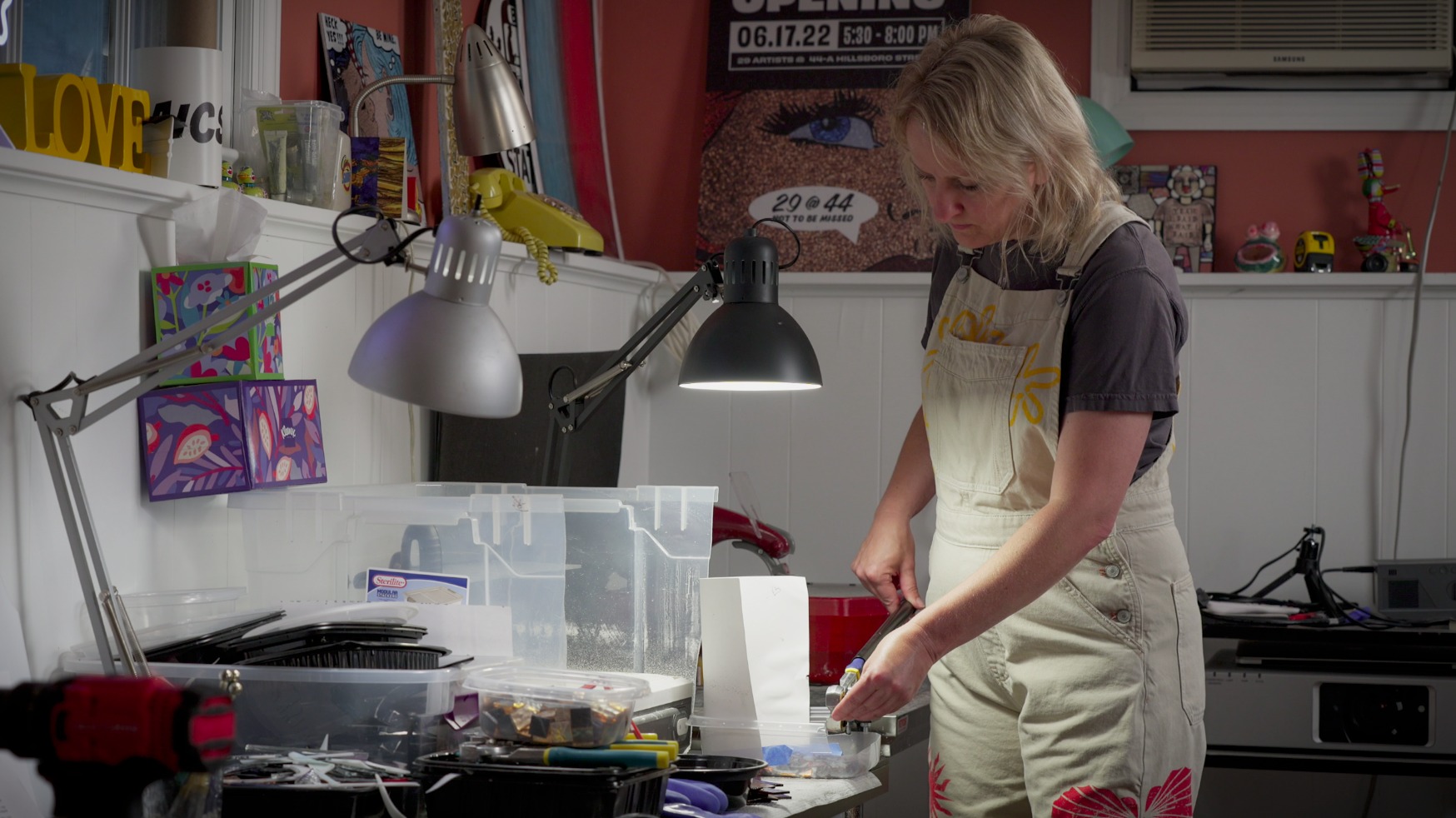
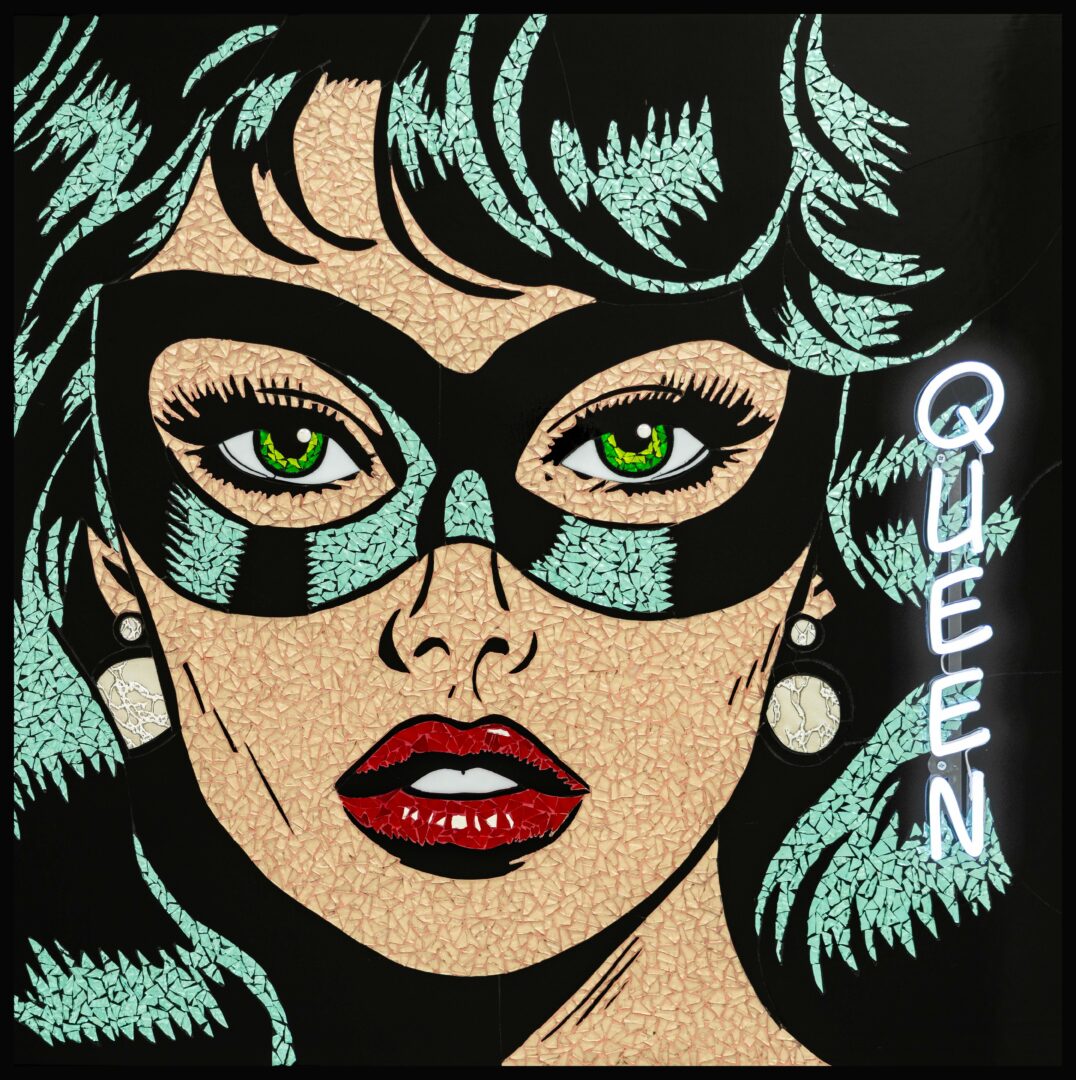
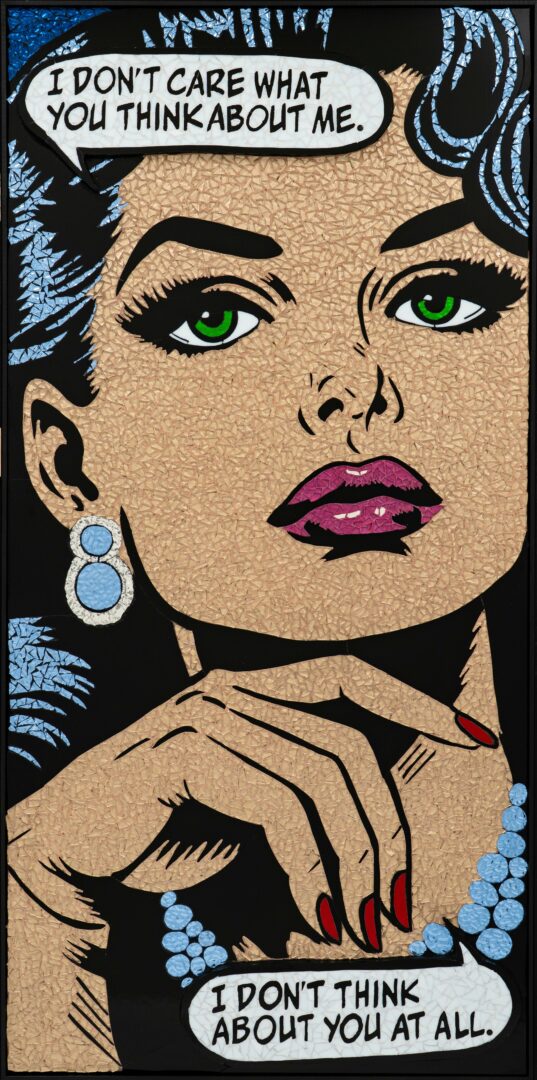
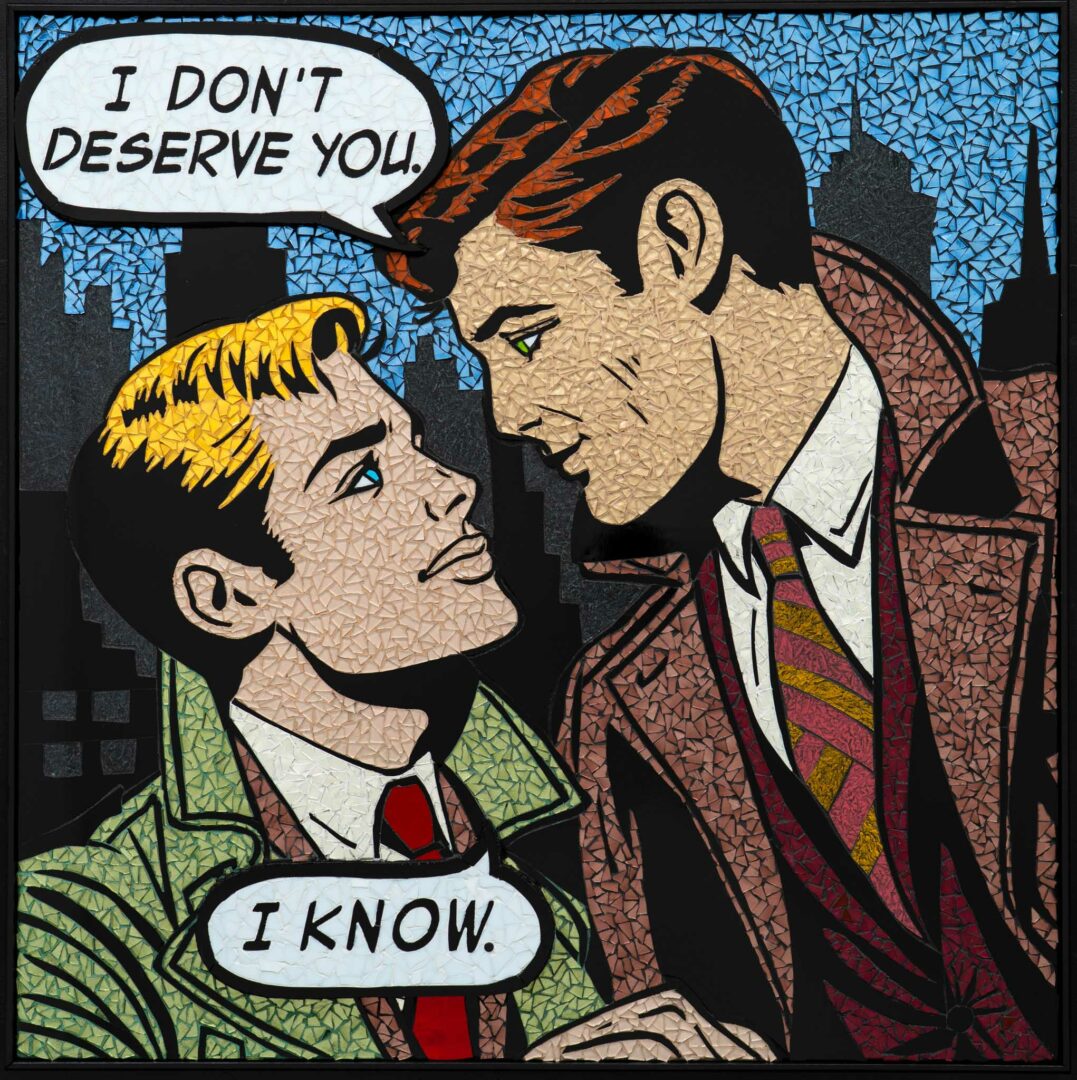
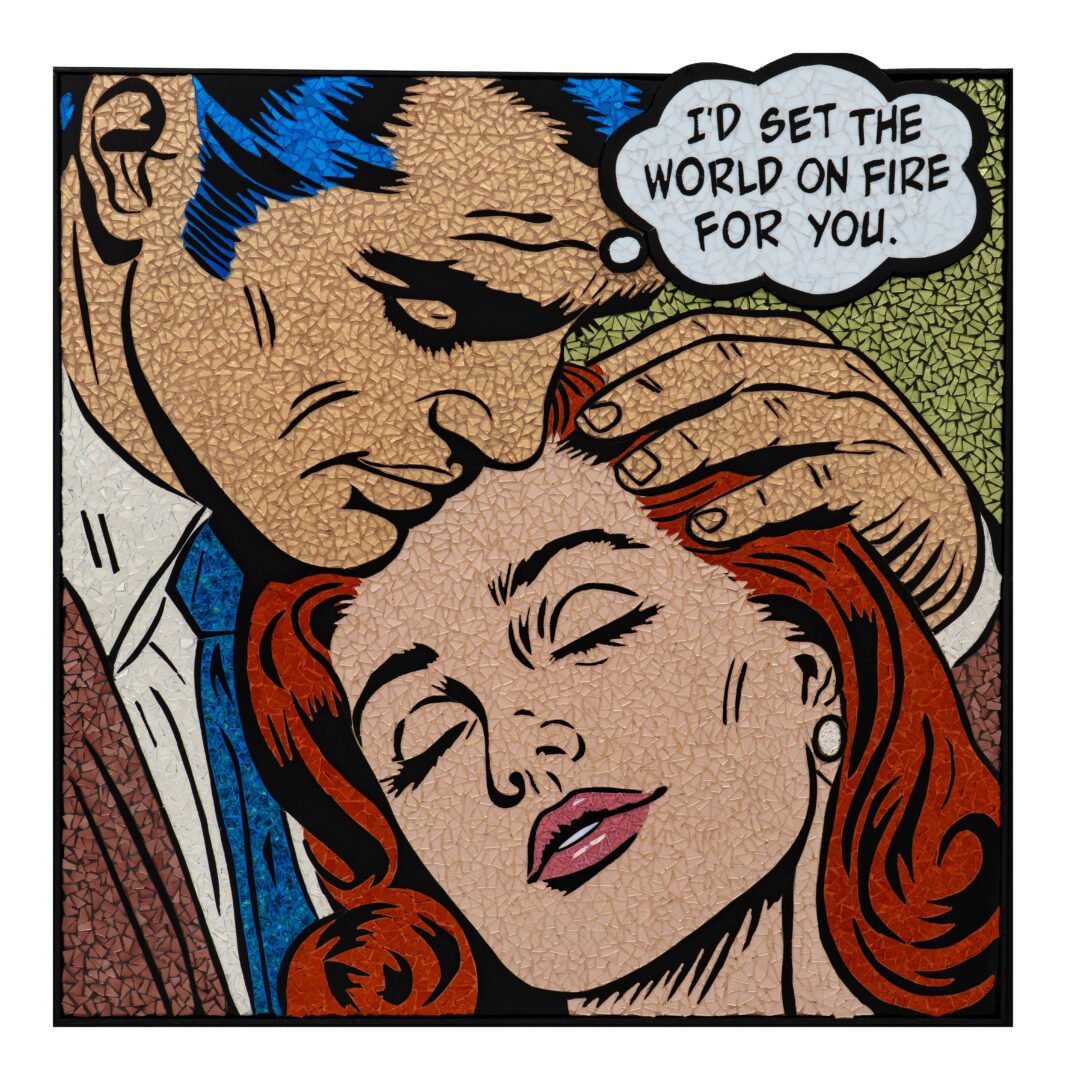
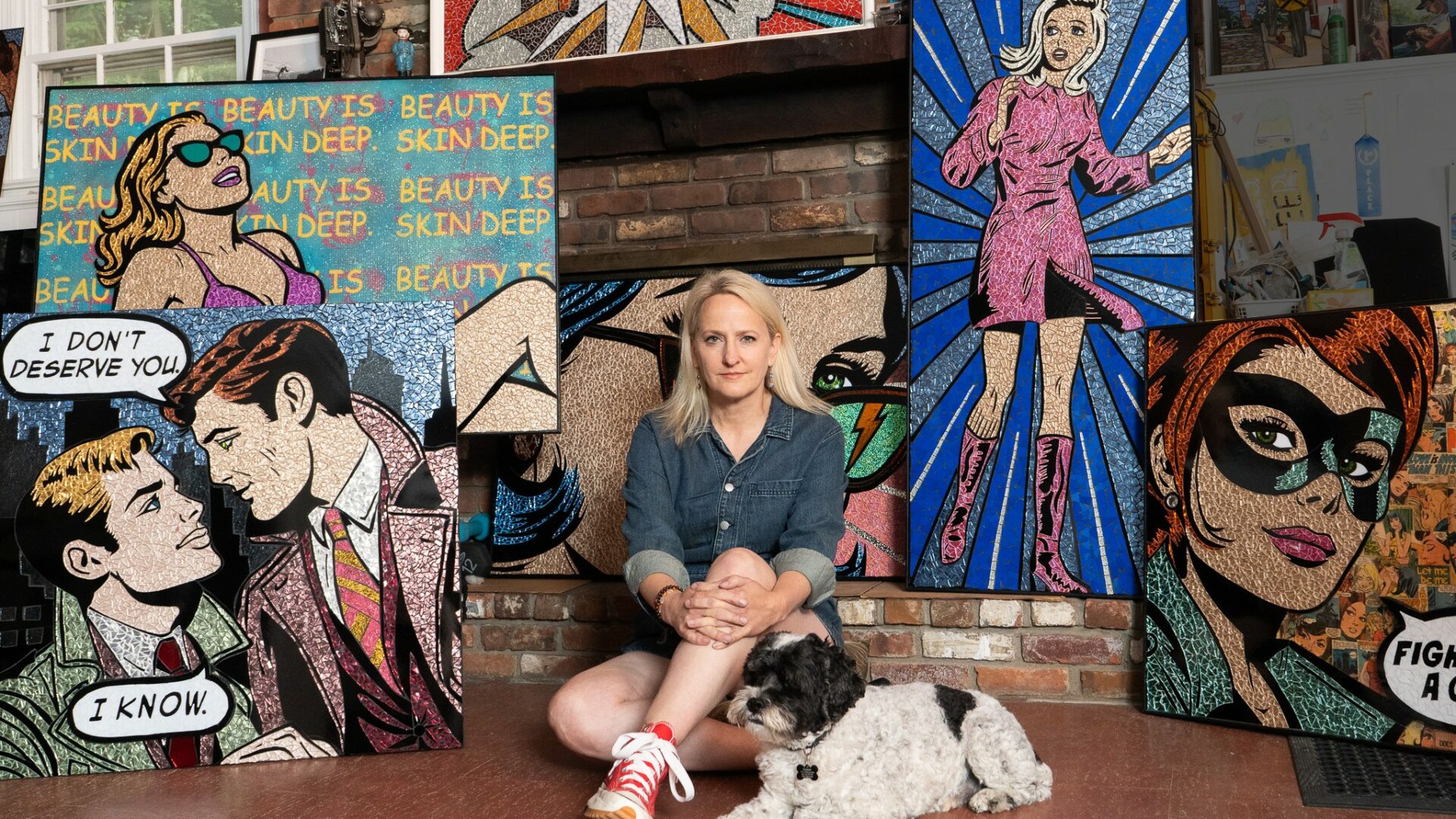
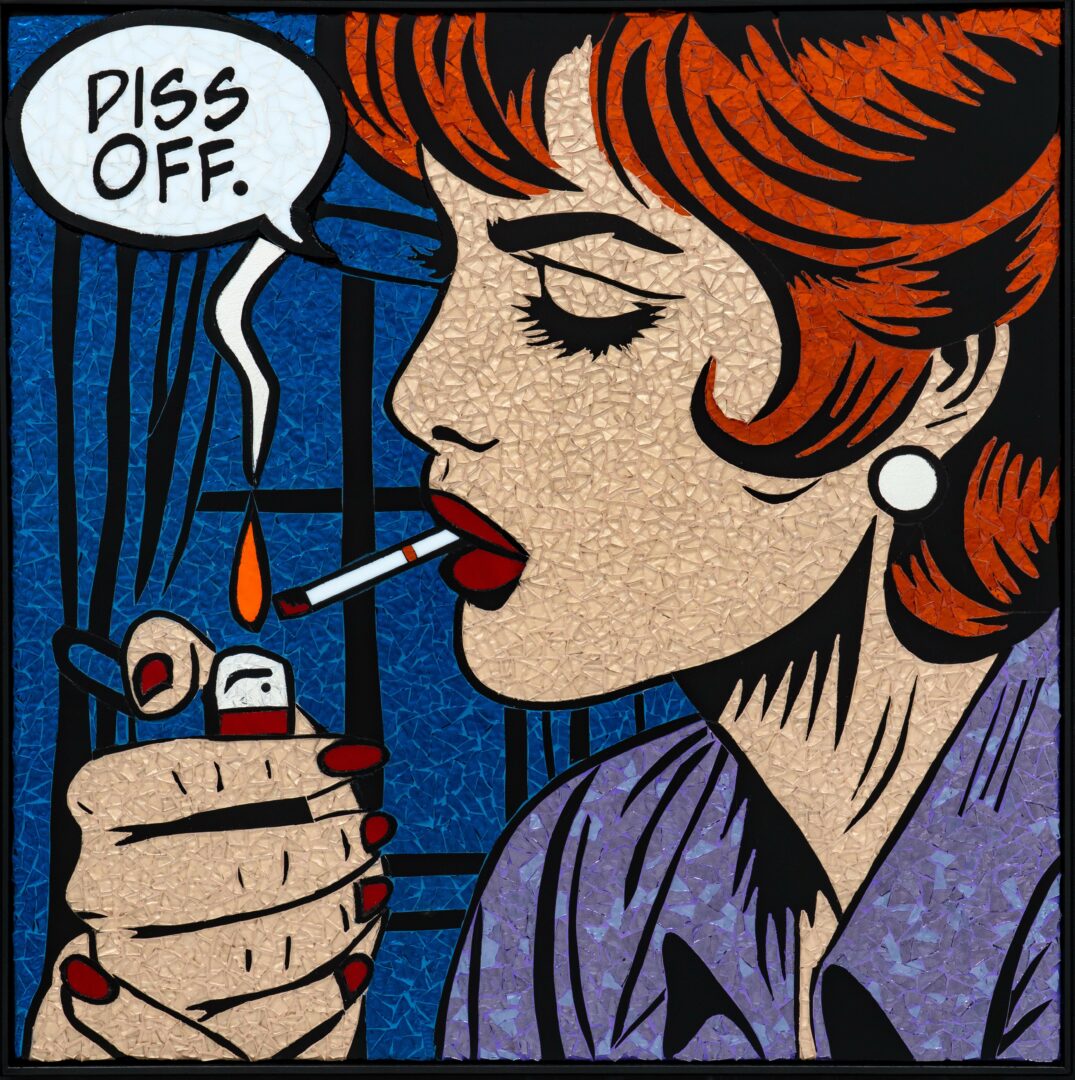
Image Credits
Chuck Fishbein
Marco Renderos
so if you or someone you know deserves recognition please let us know here.