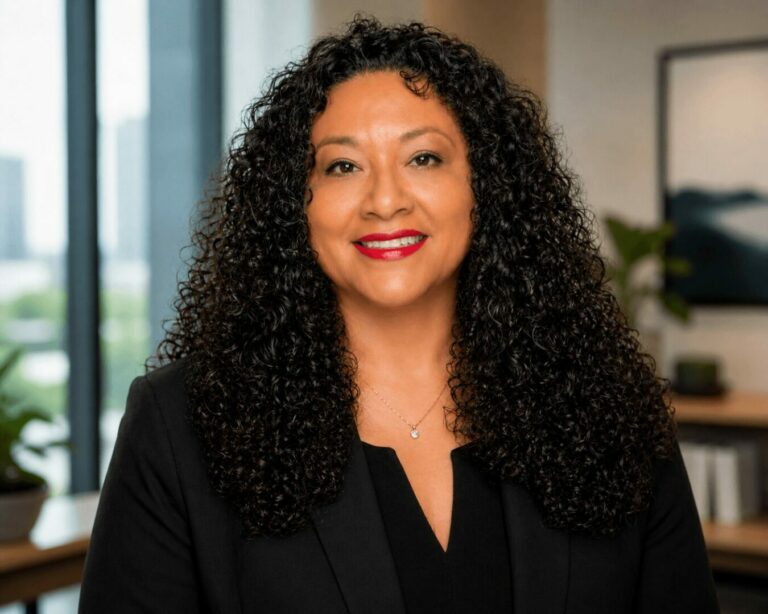
We’ve got some of the most incredible artists, creatives and entrepreneurs in our community and we are constantly shocked by how prevalent imposter syndrome is. So many incredibly talented folks are haunted by self-doubt by a society that often tells you not to think too highly of yourself, but in order to have the strength to take on big challenges and make meaningful change in the world you’ve got to believe in yourself and so we wanted to create a space for conversations around overcoming imposter syndrome.
Antwanette Robinson 
I won’t say that I’ve found the secret sauce or have arrived at a place where I don’t struggle with imposter syndrome, but I will say it’s gotten so much better over time. We have SO much access to art these days. So much access to the opinions of others. Read More>>
April Love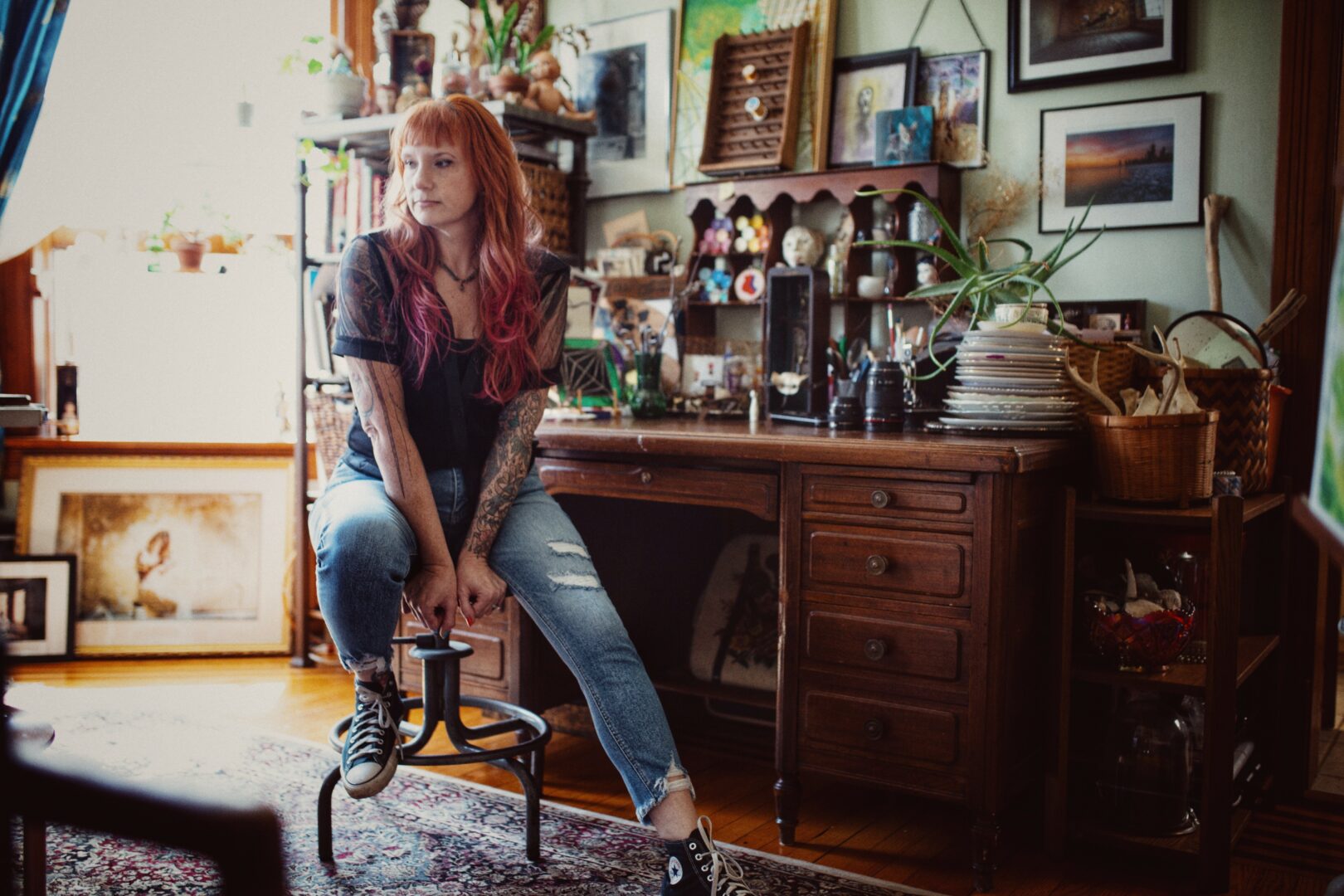
Is it possible to overcome imposter syndrome?! Creating art is one thing, it’s a much needed outlet. However, sharing your art is a completely different story. I don’t think people understand how vulnerable and raw you feel when sharing your art. Here you’ve taken a little piece of your soul and displayed it to the world – open for judgement and speculation. Read More>>
Maddie Bennett
Imposter syndrome has been something I’ve had to actively work through while building Funky Fresh FM, especially because I didn’t come into it feeling like I had everything figured out. In the beginning, I was stepping into a leadership role while also still learning what that even meant. Read More>>
Chanse Davis
Imposter syndrome is a common theme among people in their fields of study. Especially when someone is starting out or pursuing a dream of theirs. When I started training my fitness clients, there was always an idea in the back of my mind that said I’m not qualified enough or I don’t have the knowledge as other trainers had. Read More>>
Daniel Bourget
I think everyone (who isn’t a narcissist) struggles with this a bit at the beginning of their path. For me the best way to overcome it was to continue accepting challenges and to remind myself that no one knows everything at the beginning. Allowing yourself to be a little uncomfortable. With each success, the feeling of being an imposter lessens. Read More>>
Randi Gilmore
I had never heard of imposter syndrome until I became a small business owner. When I first heard it I didn’t think that I had ever felt it before. As our businesses grew I heard people say things like ‘well you’re the expert’ or ‘you have the experience to know better than I do’ and I looked around like who are they talking to? Read More>>
Belle Massoud
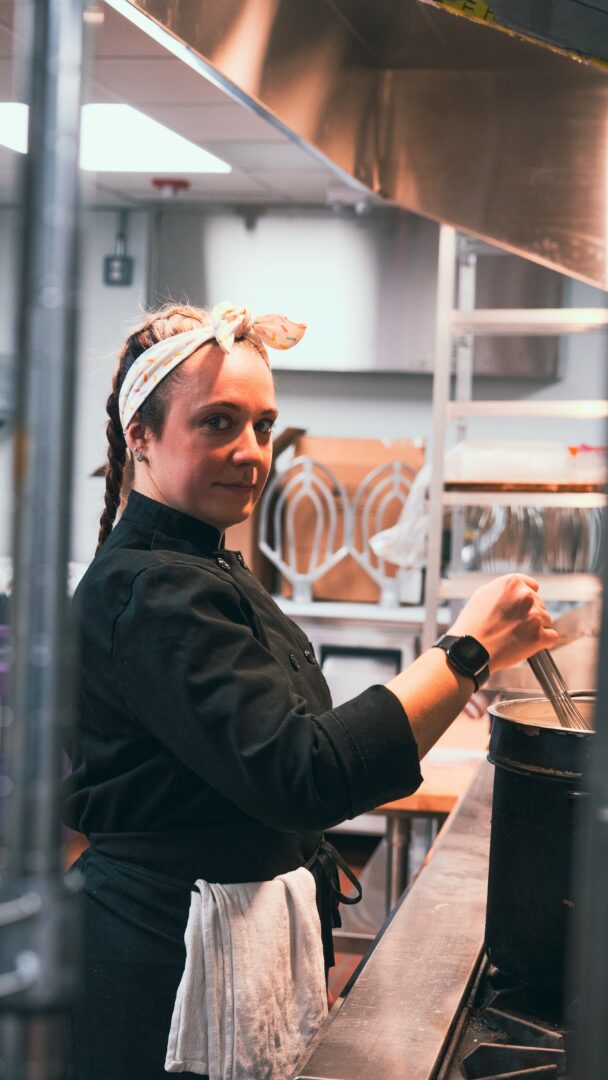
I’m not sure I fully have, but every day I’m working towards it. Being a 28 year old and managing a kitchen with no formal background still blows my mind every day. Like surely there is someone more qualified than me. Not long ago this was my dream and it is absolutely crazy that I’m now living in the dream. Read More>>
Nicole Esposito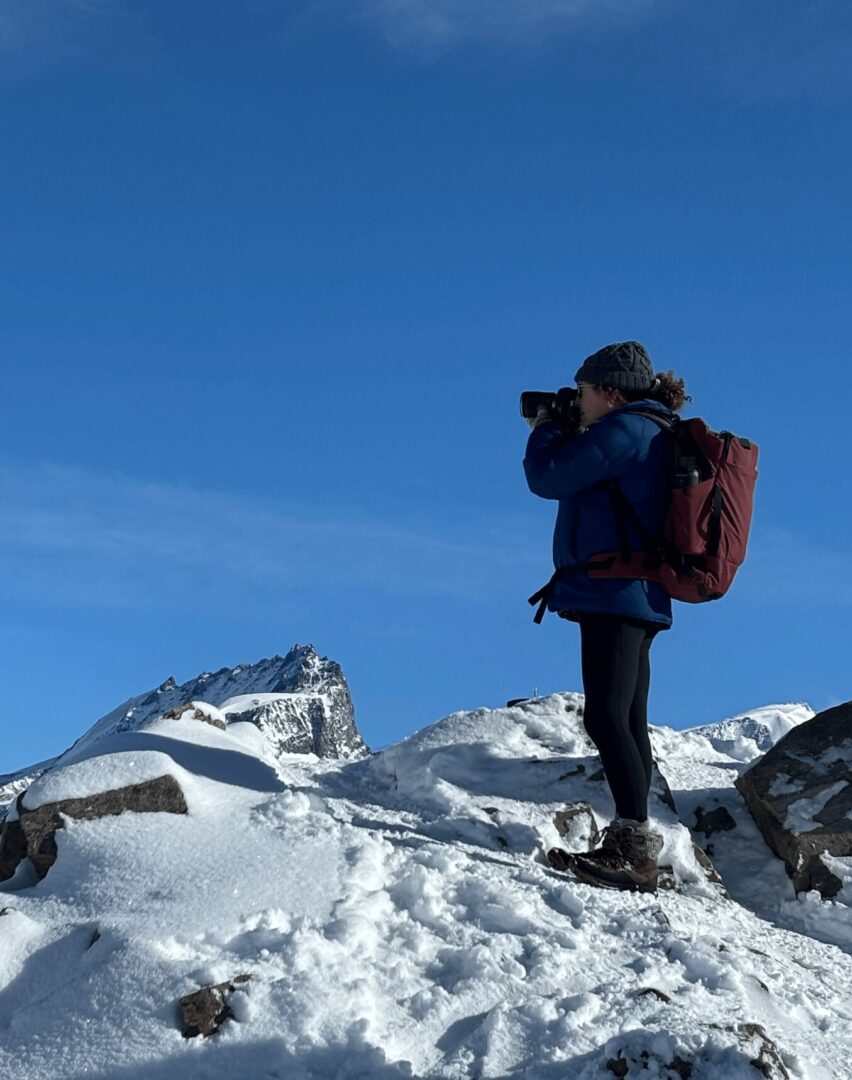
Do we ever truly get rid of imposter syndrome? I think no. And I’m not sure we really ever should…fully. Hear me out. I think that some level of self guessing and constant self evaluation is important in all aspects of life. Imposter syndrome in its truest form screams no confidence. That is something we all need to overcome at some point. Read More>>
Preston Douglas
I’ve learned to deal with imposter syndrome by adopting an ‘I do it anyway’ mindset. There are still moments where I question if I’m ready or qualified, but instead of waiting for that feeling to go away, I show up and do the work anyway. Over time, that consistency has built real confidence and experience. Read More>>
Maurice T. Johnson

I was going through somewhat of a midlife crisis earlier in life and I remember tellng myself that I wanted a lifestyle change. I was not satified where I was in life and the lack of opportunites I felt that I should be recieving based on the hard work that I was putting in so I decided to take a risk. Read More>>
Divya Gill

The higher I climb, the louder the floorboards creak. To the outside world, my resume looks like a steady incline of hard-won achievements and ‘right moves.’ But from the inside, it feels like a high-stakes game of pretend. Read More>>
Mia Reese

I have this memory of being in an acting class when I was younger. I had been there a few times before, but I wasn’t one of the standouts or troubled students just flying in the middle. It felt like I was just blending in with the floor, and that I didn’t belong there. Read More>>
Crystal Wambeke
This is an interesting question, and I think the answer is complex. I think we all suffer from imposter syndrome at times, and I for one am not convinced we ever completely overcome this. As humans and entrepreneurs, we are always finding ourselves in new situations, challenging ourselves in new ways, and experiencing growth and change constantly. Read More>>
Dr. Catherine Reynolds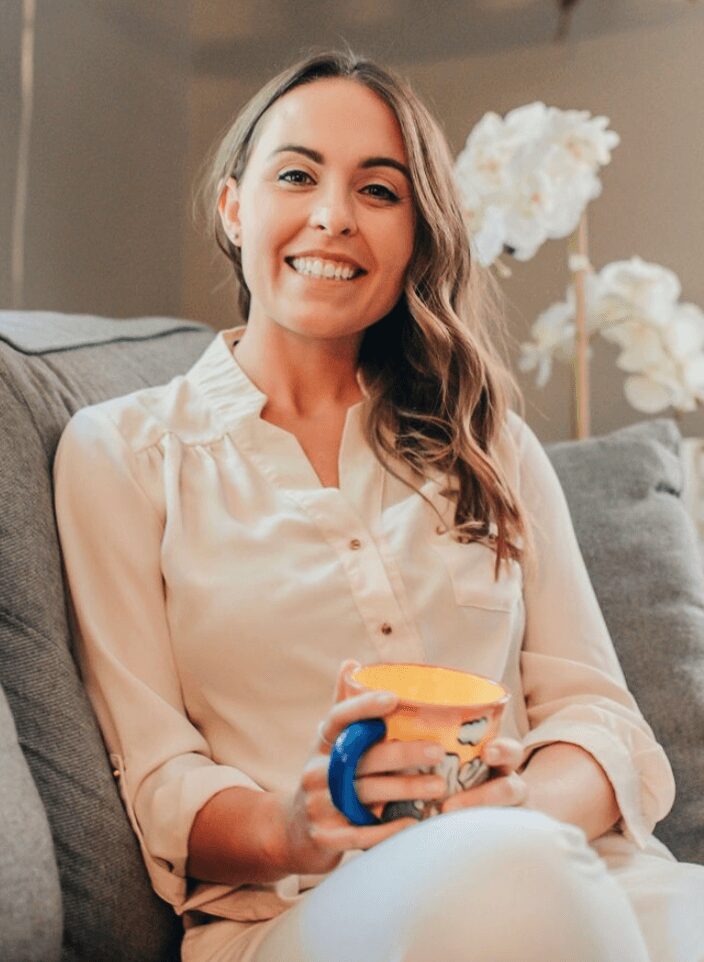
Imposter syndrome showed up for me most clearly when I stepped into a high-pressure role teaching two graduate-level courses for the first time. Each course involved three-hour lectures, twice a week, for fifteen weeks. Almost immediately, I found myself feeling anxious about how I was going to fill that time. What in the world was I going to talk about for three hours? Read More>>
Dr. Barbara Morris Jensen
I Didn’t Overcome Imposter Syndrome— I Understood Why It Was There It Wasn’t Imposter Syndrome— It Was Unworthiness Title: It Wasn’t Imposter Syndrome— It Was Unworthiness For a long time, I didn’t think I had imposter syndrome. In fact, I didn’t even have the language for what I was experiencing. I just felt… off. Read More>>
Chris Bernard
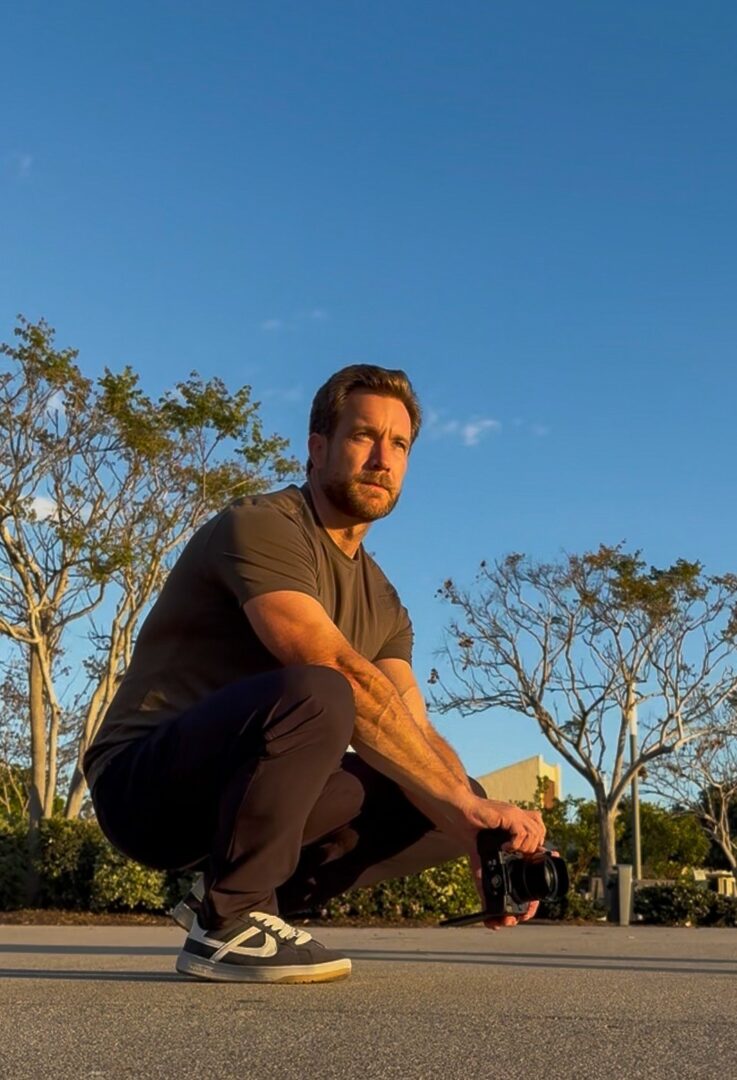
I think it is something that I’ll always experience to some degree, but I have worked on it and made a lot of progress since starting out. I’m a rather introverted person, so putting myself out there in any capacity has been always been challenging. When I started with photography, there were feelings of uncertainty and imposition at entering a new, unfamiliar space. Read More>>
Christina Batipps
I don’t know that I’ve ever fully “overcome” imposter syndrome, but I’ve developed a really effective way to reframe it. When I find myself in a situation where I’m thinking, “I don’t belong here” or “I don’t have enough to contribute,” I intentionally pause and remind myself that I earned my seat at the table. Read More>>
Cornelio Martinez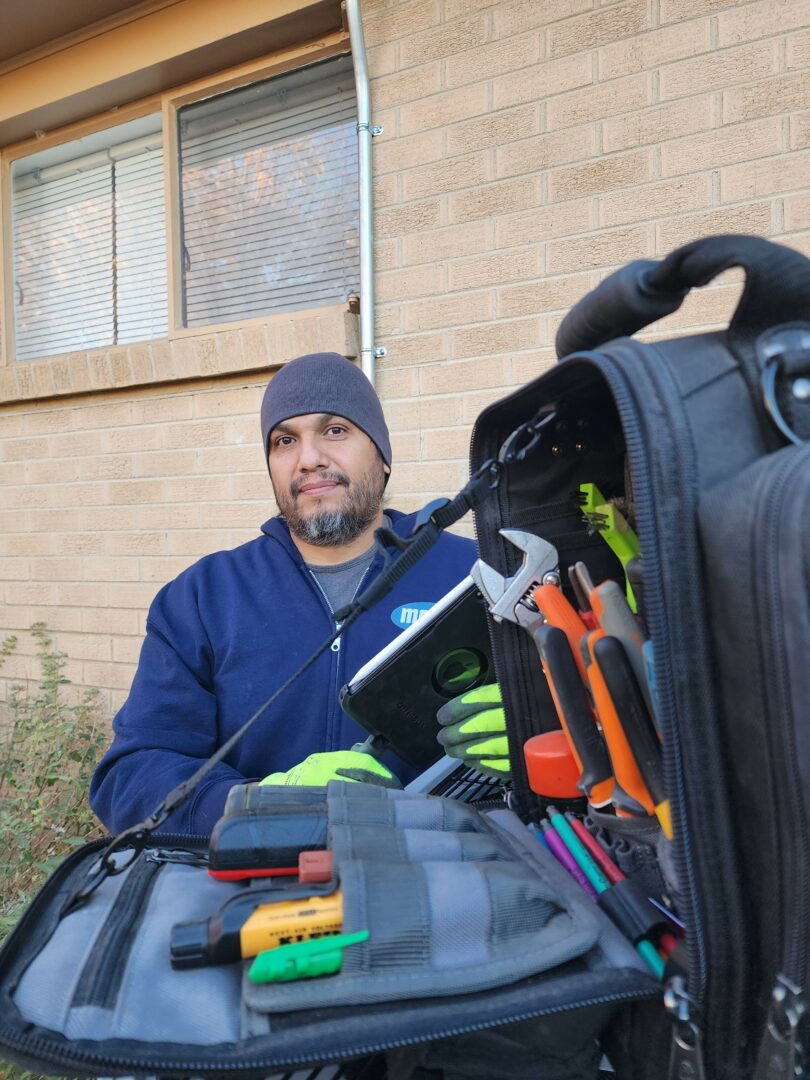
For a long time I have been dedicated to understanding electrification , Home Efficiency, Heat Pumps, and many other aspects of electrification. I know That studying electrification has set Maize apart (even ahead) of other contractors. Recently, I have found myself surrounded by educators, policy makers, and efficiency experts. I am often the only ‘blue collar’ guy at industry meetings. Read More>>
Amanda Ralston
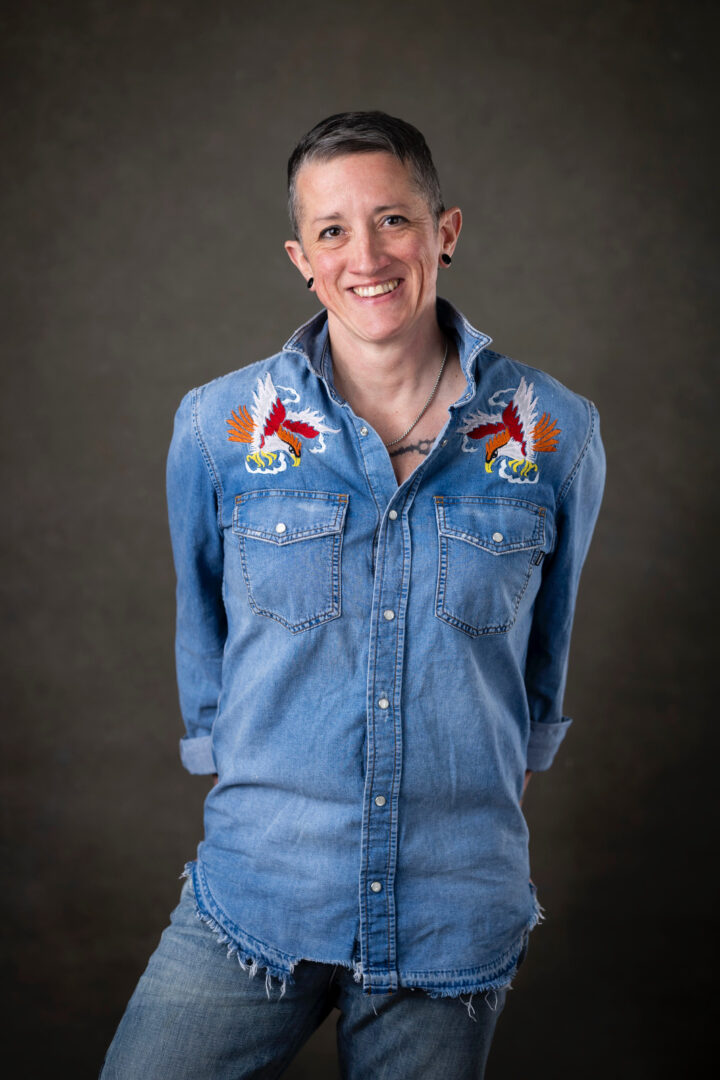
The short version is: I haven’t. It’s never a steady state — more like a tide that comes and goes depending on the season I’m in, the room I’m standing in, or the people who surround me. I’ve stopped trying to “overcome” it because that felt like treating a symptom instead of listening to what it tells me. Read More>>
Ernisha Hall

I have not completely overcome imposter syndrome, and I think being honest about that matters. I do not think imposter syndrome is a good thing, but I do believe a level of humility is necessary. There are moments when I have to level set and find balance, especially when I catch myself comparing where I am to where I want to be. Read More>>
Autumn Schoeck
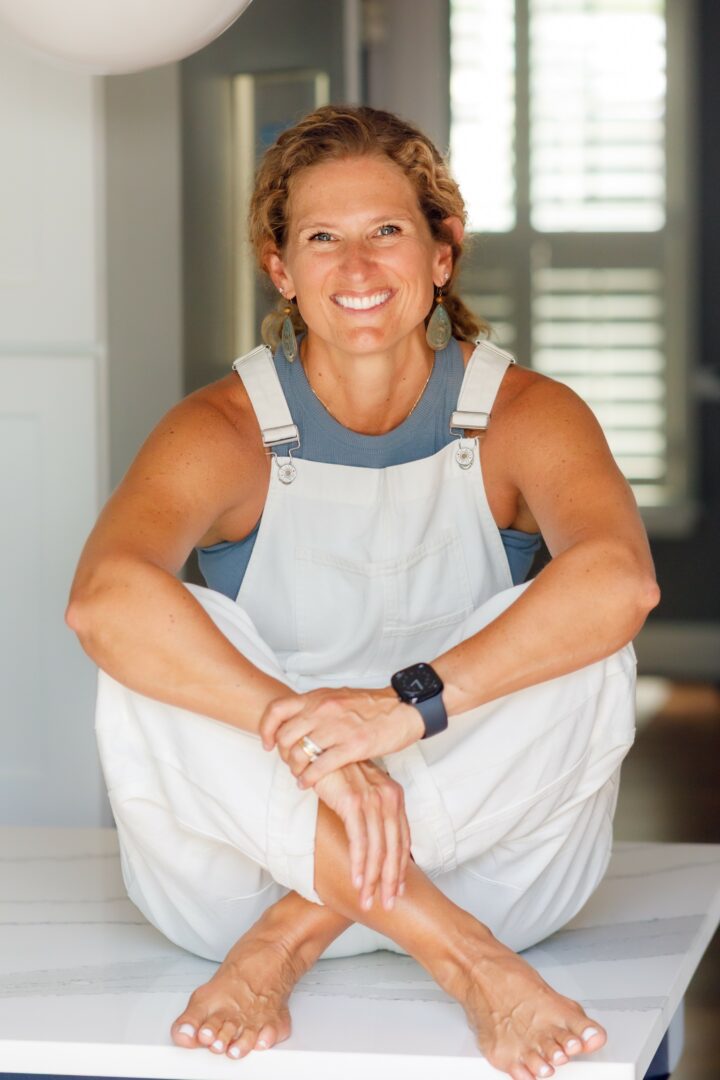
I’m not sure imposter syndrome ever really goes away for me. There’s almost always a shadow of doubt present whenever I try something new. When I decided to start writing publicly and eventually publish my first book, I encountered self-doubt around every corner. Read More>>
LIIA KAMKADZE
I came to the United States two years ago, and from the moment I arrived, I felt an incredible level of support from the people around me
I had always dreamed of building my own audience and becoming a well known content creator, but for a long time I felt like I was missing a key to actually start Read More>>
Angel Hney
The simple answer is that I discovered who I am, and the challenges I faced turned out to be blessings I could bring into my work. During college, I struggled with imposter syndrome. I felt like I had little experience compared to my classmates, and I was hesitant to share my work because I never felt it was good enough. Read More>>
Amanda Simmons 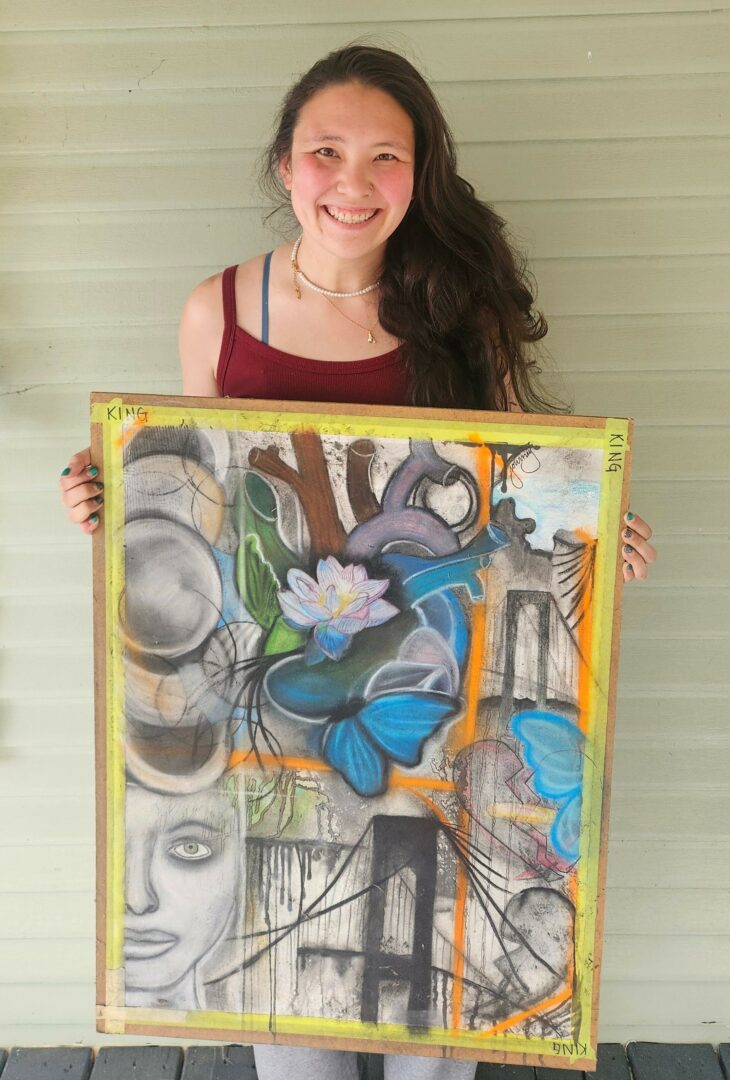
Imposter syndrome is a term I recently discovered. It made me realize that it is something I am constantly overcoming, and it is an ongoing process. Sometimes imposter syndrome gets to me, and can get me feeling down. I am really good at forcing myself to do things, so I force myself to create. Read More>>
Odinani
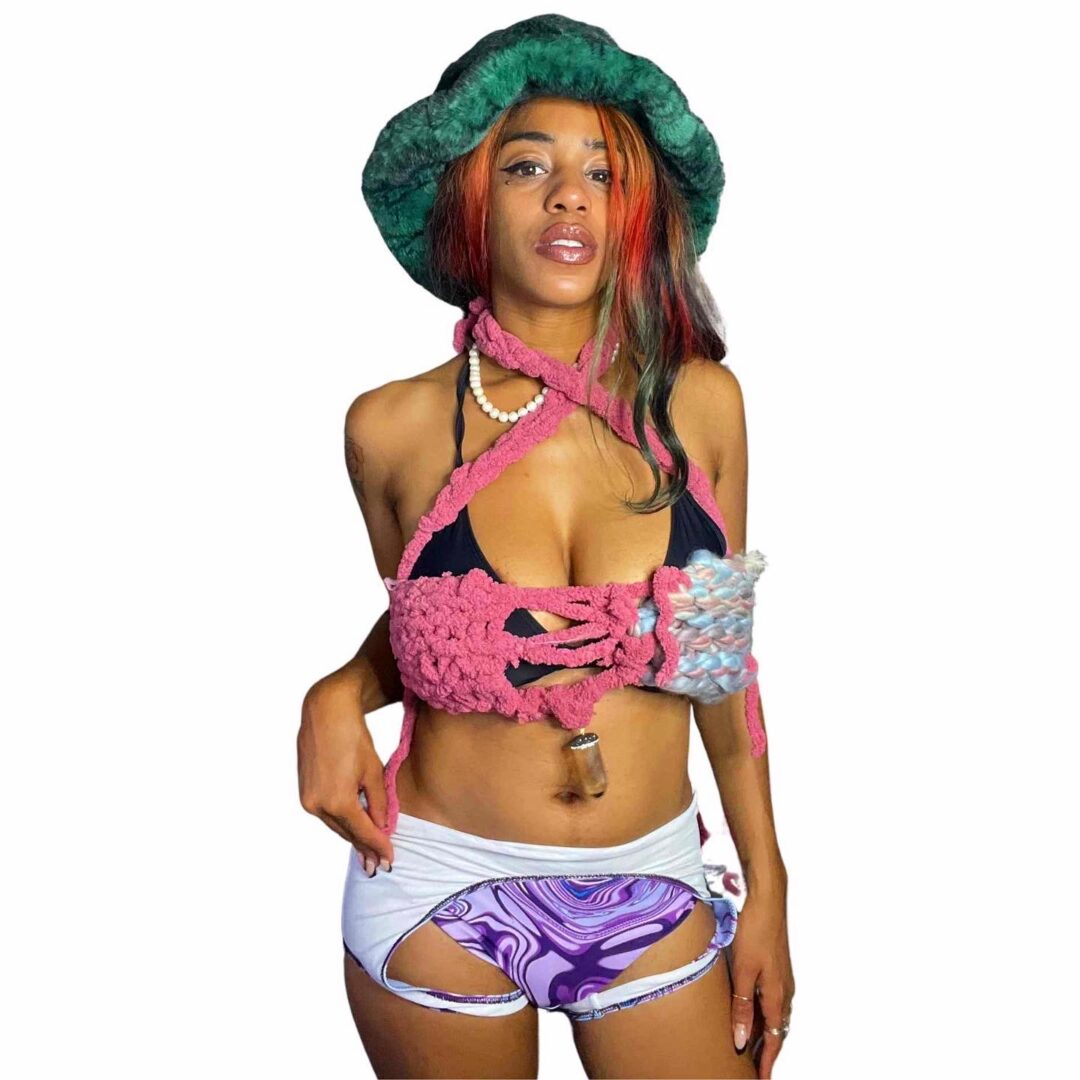
Because I learned at an early age that most of us don’t truly see how talented or beautiful we really are. That awareness helped me realize imposter syndrome isn’t a personal flaw, it’s something so many of us quietly carry. It’s still a daily practice. I move through it by choosing to create anyway, to show up anyway, even on the days it feels uncomfortable. Read more>>
Nyiah Landfair

I’ve dealt with imposter syndrome for a long time, especially as someone with ADHD. It’s easy to feel like you’re falling behind, especially in a generation where social media constantly makes it seem like everyone else is ahead and the definition of success keeps changing. What’s helped me most is learning to focus on my own journey instead of comparing myself to others. Read more>>
Yijun (Ivanna) Zuo
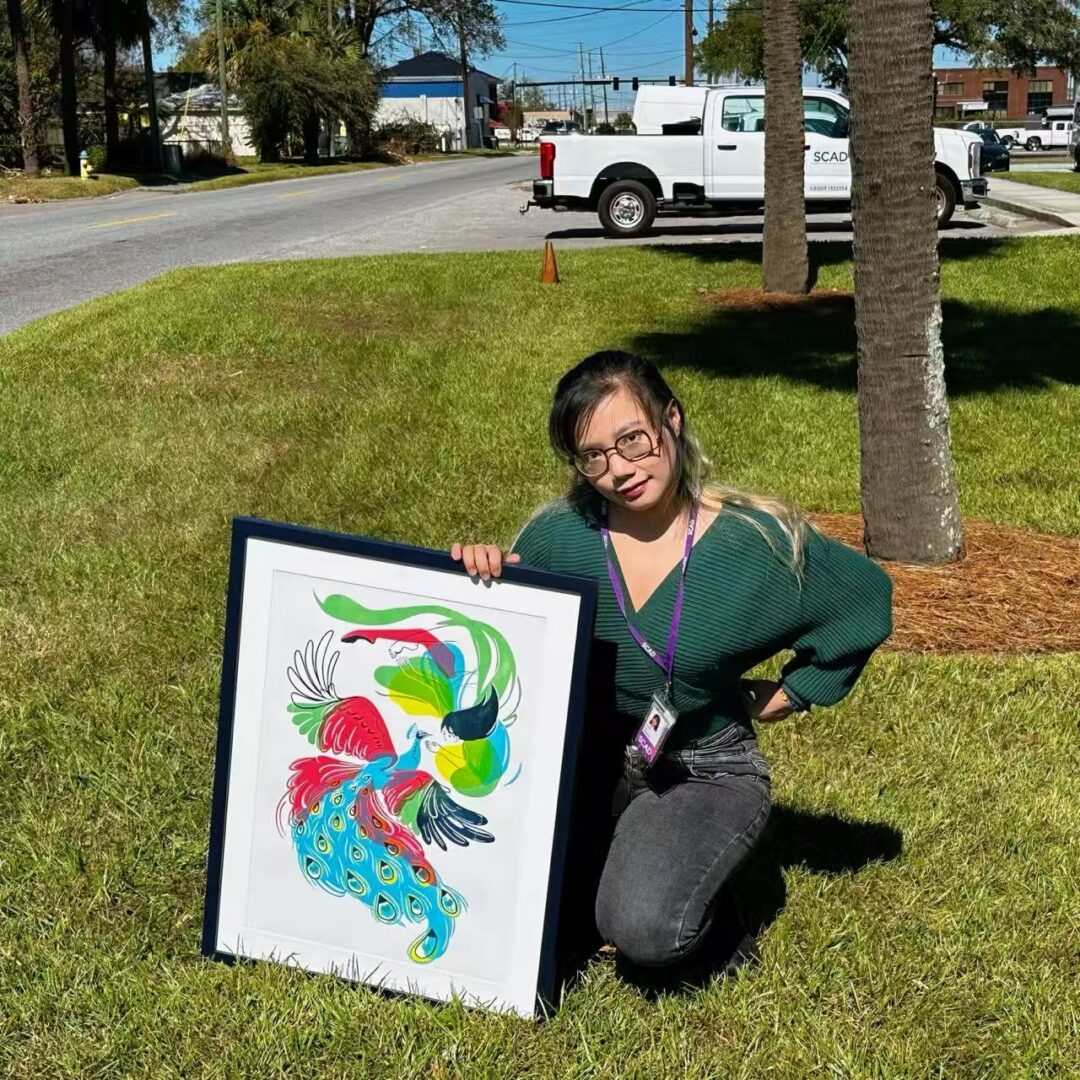
I didn’t realize I was dealing with imposter syndrome at first. I just thought I was “behind.” My background is in advertising and editorial illustration. When I moved into motion design, I often felt like I was constantly catching up—learning new software, theory, and visual styles from the people around me. Read more>>
Rayle
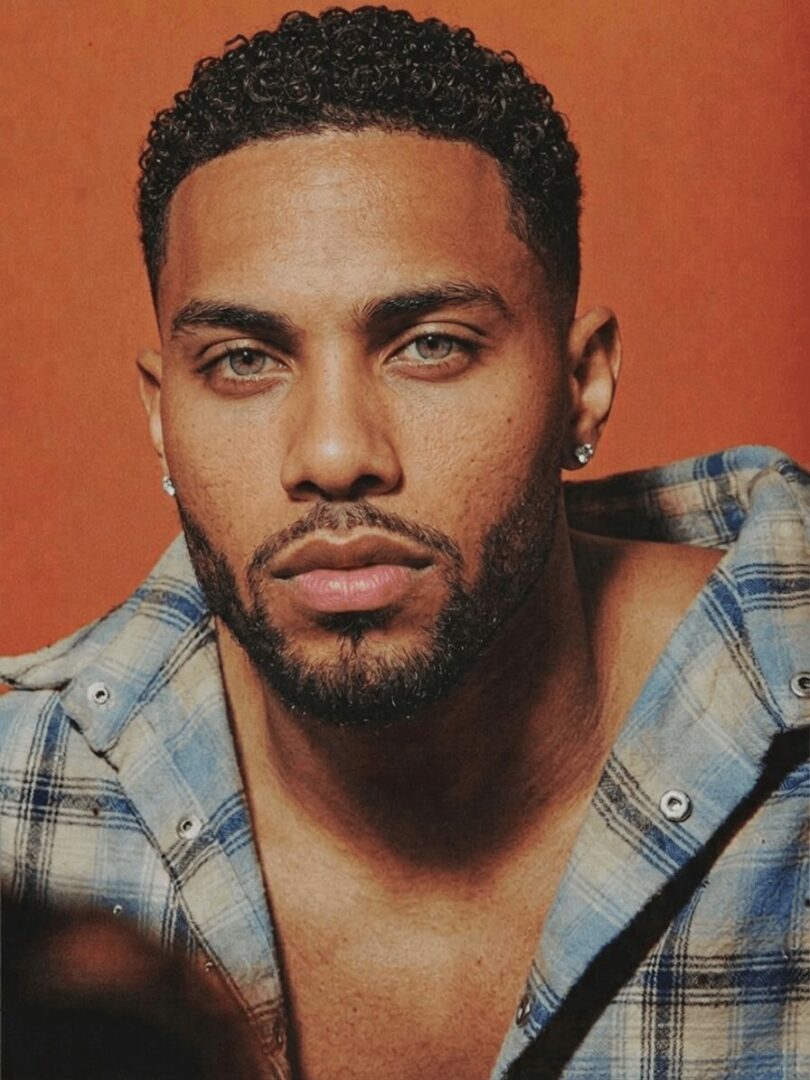
I don’t know if imposter syndrome is something you fully beat. I think it’s something you learn how to move with. For me, it got louder when things started happening fast and a lot of people were paying attention because of how I look. Read more>>
Yanely Peña

I don’t think imposter syndrome is something you fully overcome, I think you just learn how to move through it. When I first started SoftSol, I was literally figuring everything out in real time. Read more>>
Nikki Ohhh

The first thing to address is the term ‘imposter,’ which means, to pretend to be someone else in order to deceive someone. Read more>>
James Negron
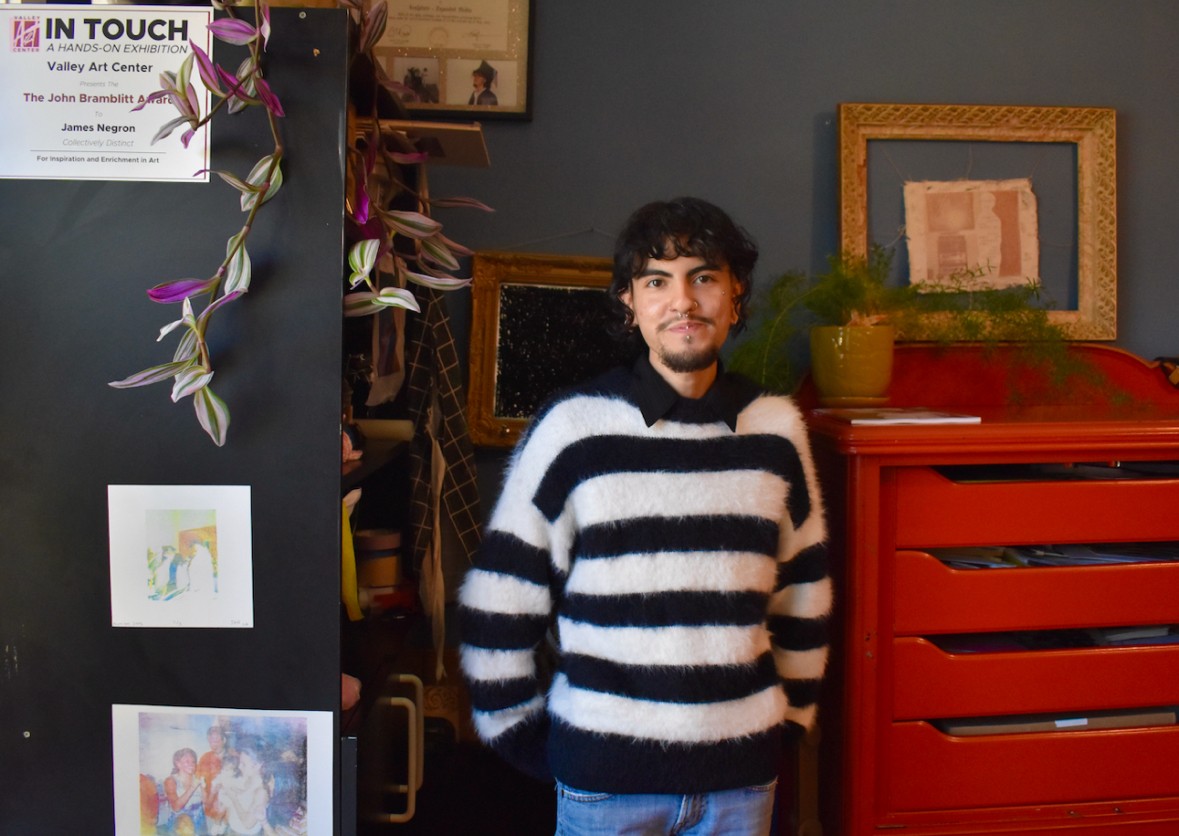
I’ve noticed that people tend to hesitate to call themselves artists or even deny that identity altogether, and I understand why. I’ve struggled with that myself in the past. For some, it may be because they don’t have a consistent studio practice, don’t exhibit their work, or approach art only as a hobby. Read more>>
Martha Sin Del

I’ll play shows and joke with musicians about how I’m not ‘a real musician’ and they’re always quick to tell me that I am a real musician if I’m here with them playing a show. Read more>>
Katy Iosue
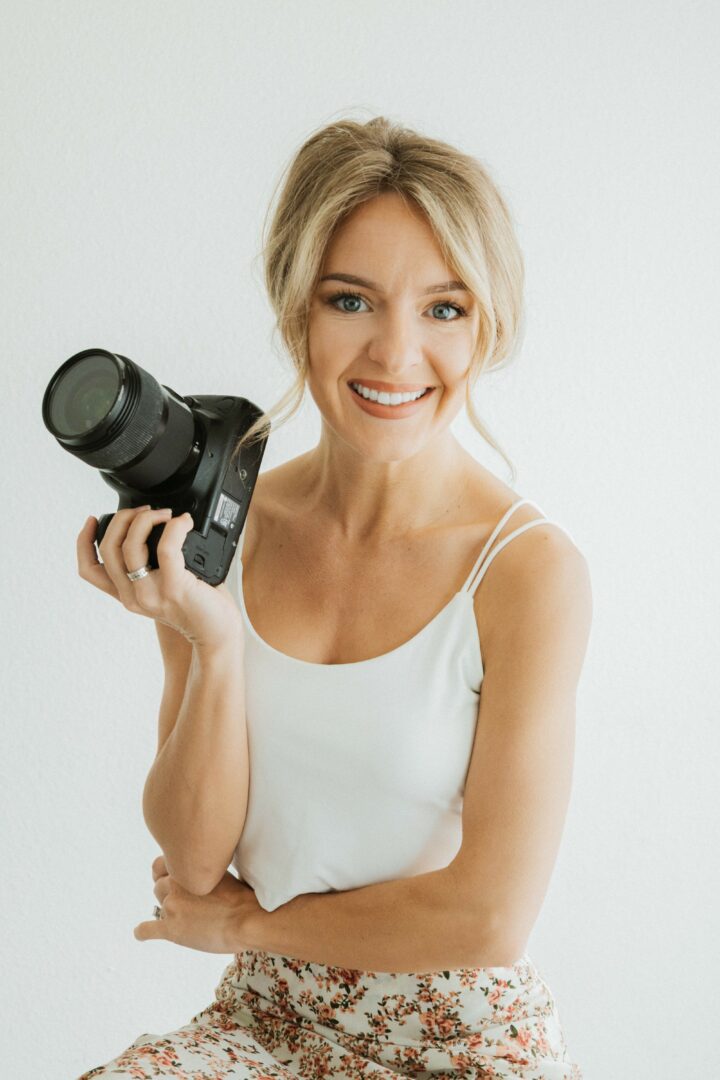
Imposter syndrome is something I think most creatives quietly navigate, especially in an industry as visually saturated and ever-evolving as photography. We are constantly surrounded by an array of styles—different approaches to light, composition, editing, and storytelling—and it’s easy to fall into comparison when you’re immersed in that world daily. For me, growth came from learning to shift that perspective. Read more>>
Olivia Sanchez
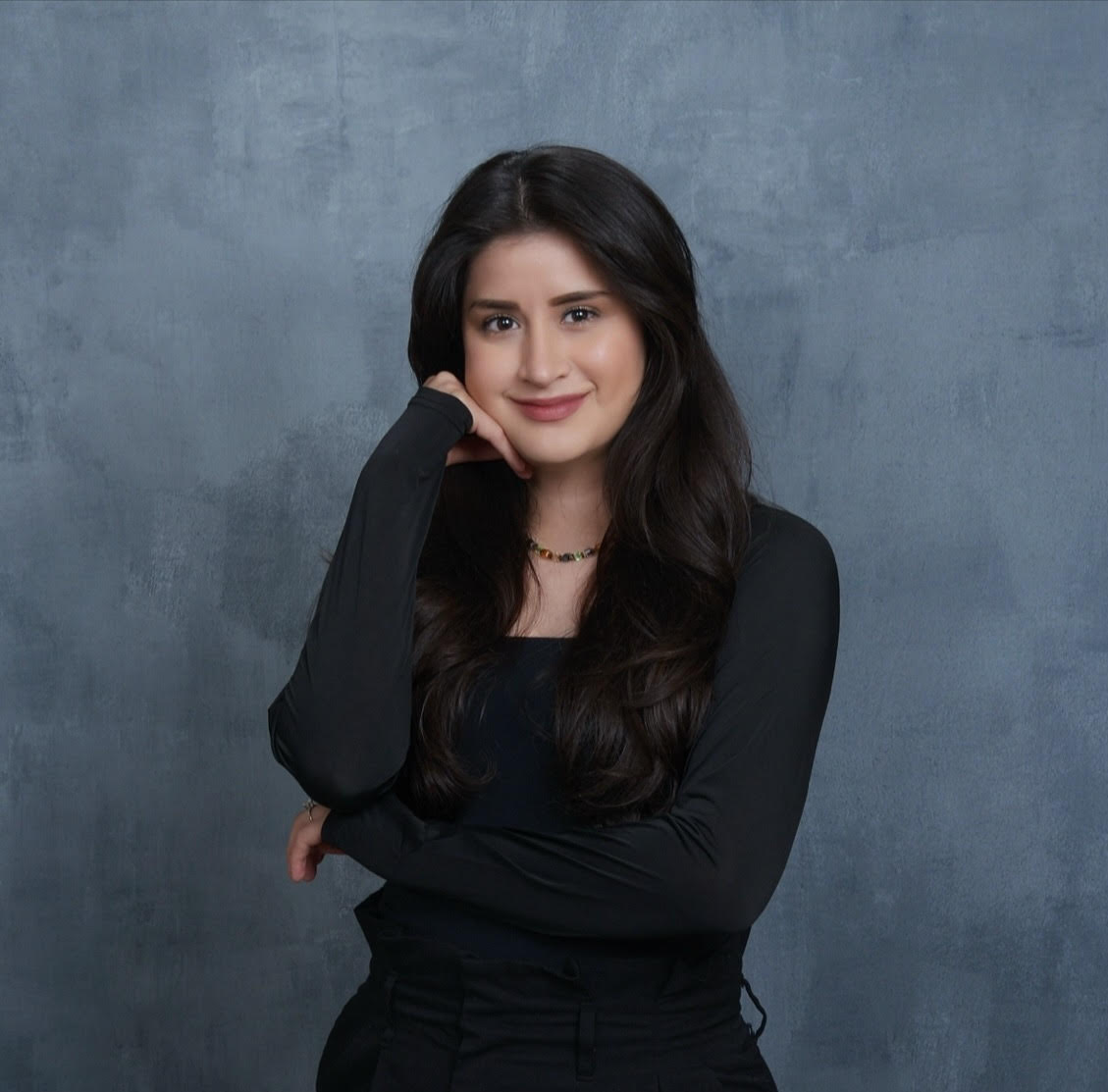
I come from a rural place where hard work is often undervalued. I grew up hearing stories from my abuela and mom about years of labor just to meet the bare minimum. So yes, I’ve felt imposter syndrome. I’ve questioned whether I belonged in an industry I didn’t come from. Read more>>
Amy Baack

I started my yoga career teaching classes at studios all over Los Angeles and San Diego. After doing this for nearly a decade, I knew I had to make a change to ensure I could have a sustainable, long-lasting career. I launched Mind Body Badass in 2021 as a private yoga company, even though I knew nothing about how to create or run a business. Read more>>
Amanda Lewis
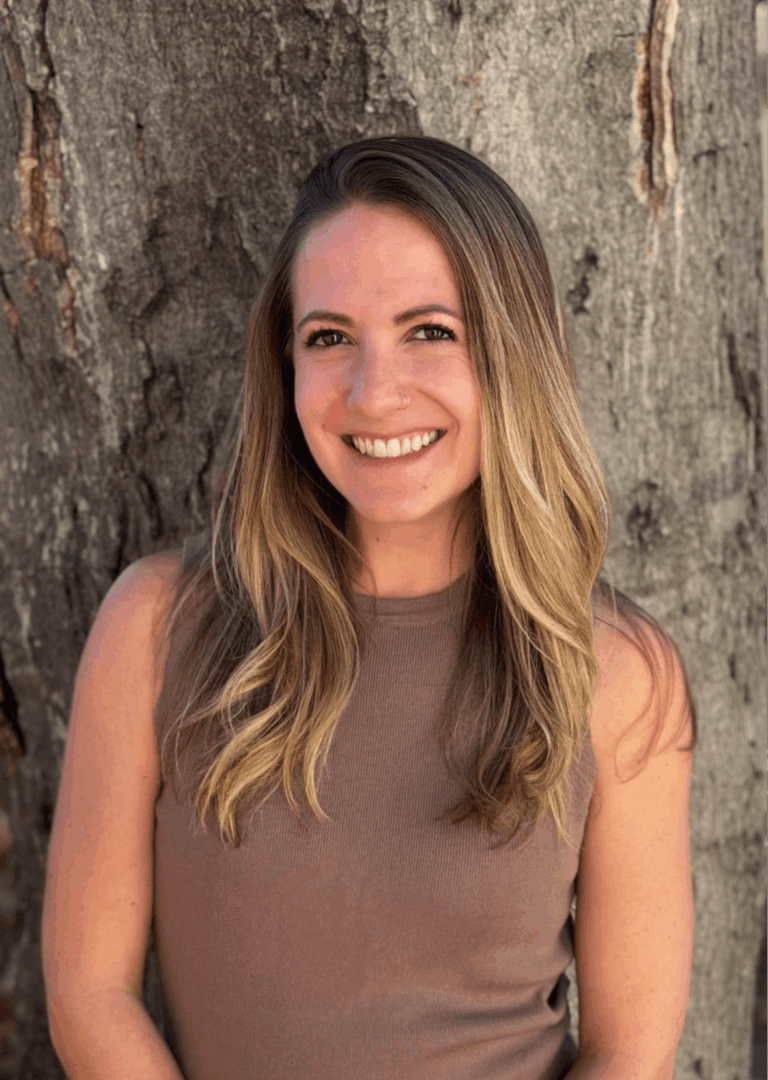
Imposter syndrome is something that has shown up at multiple points in my life—and just when I think I’ve moved past it, it tends to resurface in a new form. I experienced it in a profound way when I started my career as a PA in emergency medicine. I suddenly found myself responsible for patients, making real-time decisions, and thinking, “How did I get here? Read more>>
JEAN-FRANCIS VARRE

Imposter syndrome has been a quiet but persistent companion throughout my life—sometimes a whisper, sometimes a wall. I was born in Washington, D.C., to Senegalese and Cape Verdean immigrants, and grew up moving between private and public schools, between cultures, expectations, and identities. In many ways, I was always navigating different worlds without fully feeling rooted in any one of them. Read more>>
Jaana Woodbury

Imposter syndrome showed up for me when I stepped into something I felt called to, but didn’t yet feel fully qualified for. I kept looking at my past, my mistakes, and even my unconventional path, and questioning whether I really belonged in the spaces God was leading me into. Read more>>
Steph Kim-Hoffman and David Hoffman
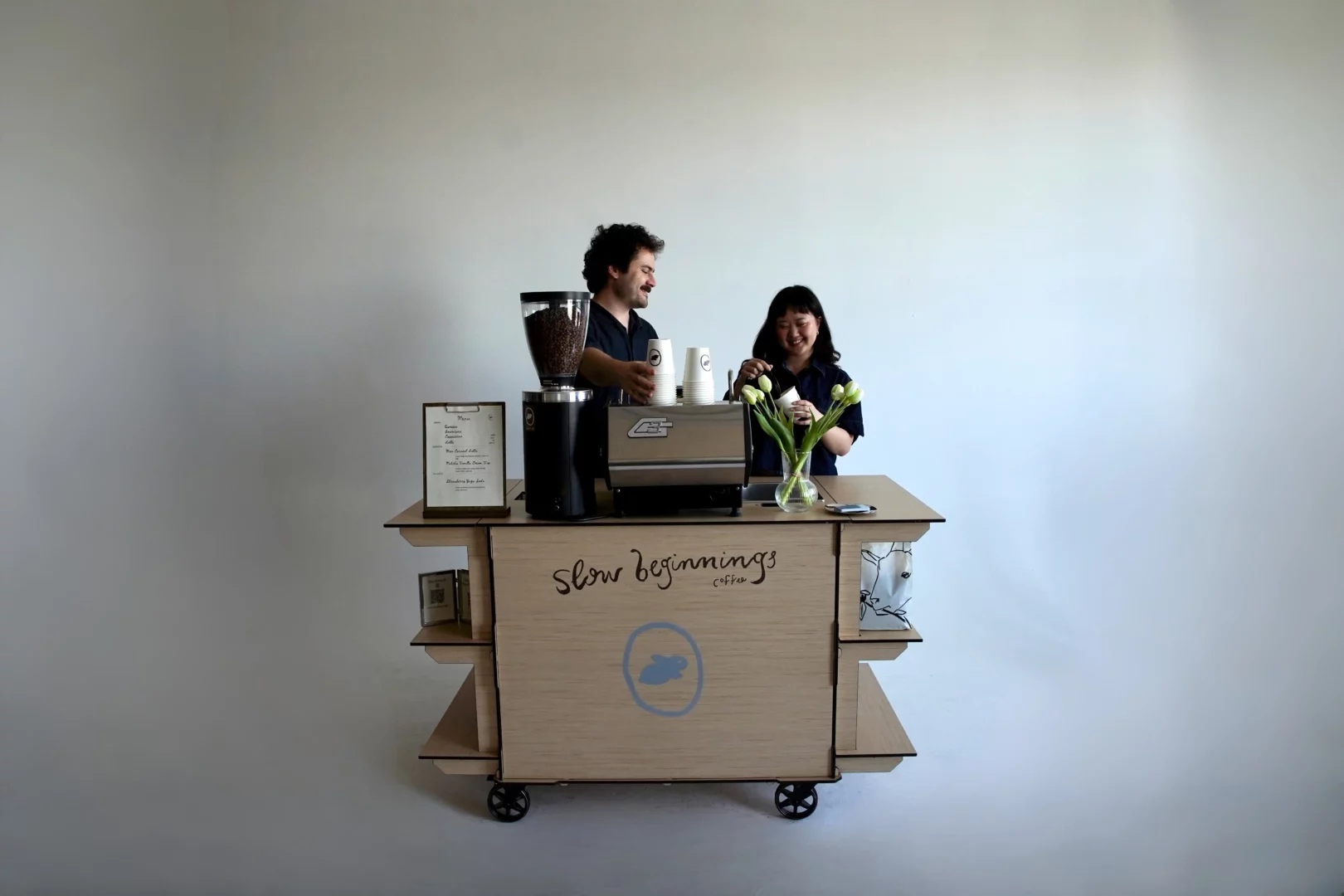
Imposter syndrome is common in the Los Angeles specialty coffee scene, where coffee shops abound. We overcame it by realizing every coffee business has a unique voice; through its story, menu, coffee sourcing, and unique hospitality experience. We realize success isn’t just talent; it comes from consistency and resilience. Read more>>
Deon Hargrove

Imposter syndrome is something I’ve had to face multiple times throughout my journey, especially building something in a space where people expect expertise and credibility. There are moments where you look around and feel like someone smarter, more experienced, or more qualified should be the one doing what you’re doing. For me, overcoming that didn’t come from eliminating those thoughts, it came from reframing them. Read more>>
liat freidberg

Not sure I ever really overcame it. I think the key is to continue creating despite it. The more you create, the better you get and then your insecurities diminish but for me they never completely went away. You have to fight it, create even tho you think its gonna flop and one out of a few comes out amazing. Read more>>
Travis Harjes
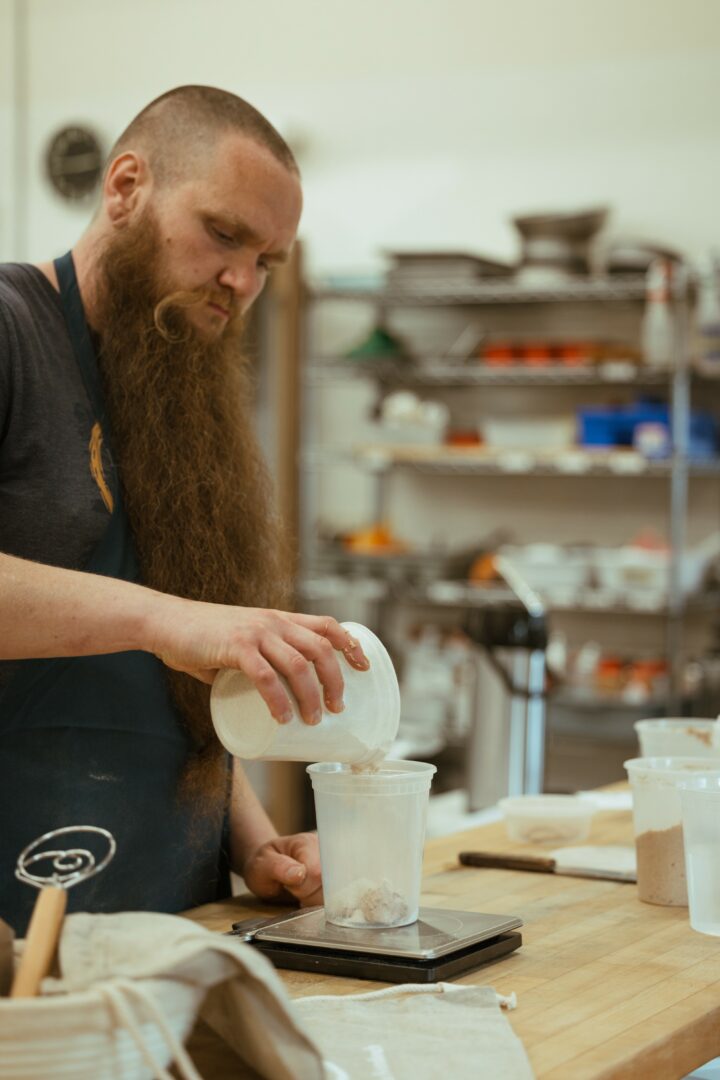
First by recognizing that I was experiencing imposter syndrome. Then starting to notice when that feeling would arise and note it. This allowed me to start letting go of the ideas that it was me and mine that creating success. This allowed to to notice how it was a community effort and team effort. Read more>>
Caitlin Lojo
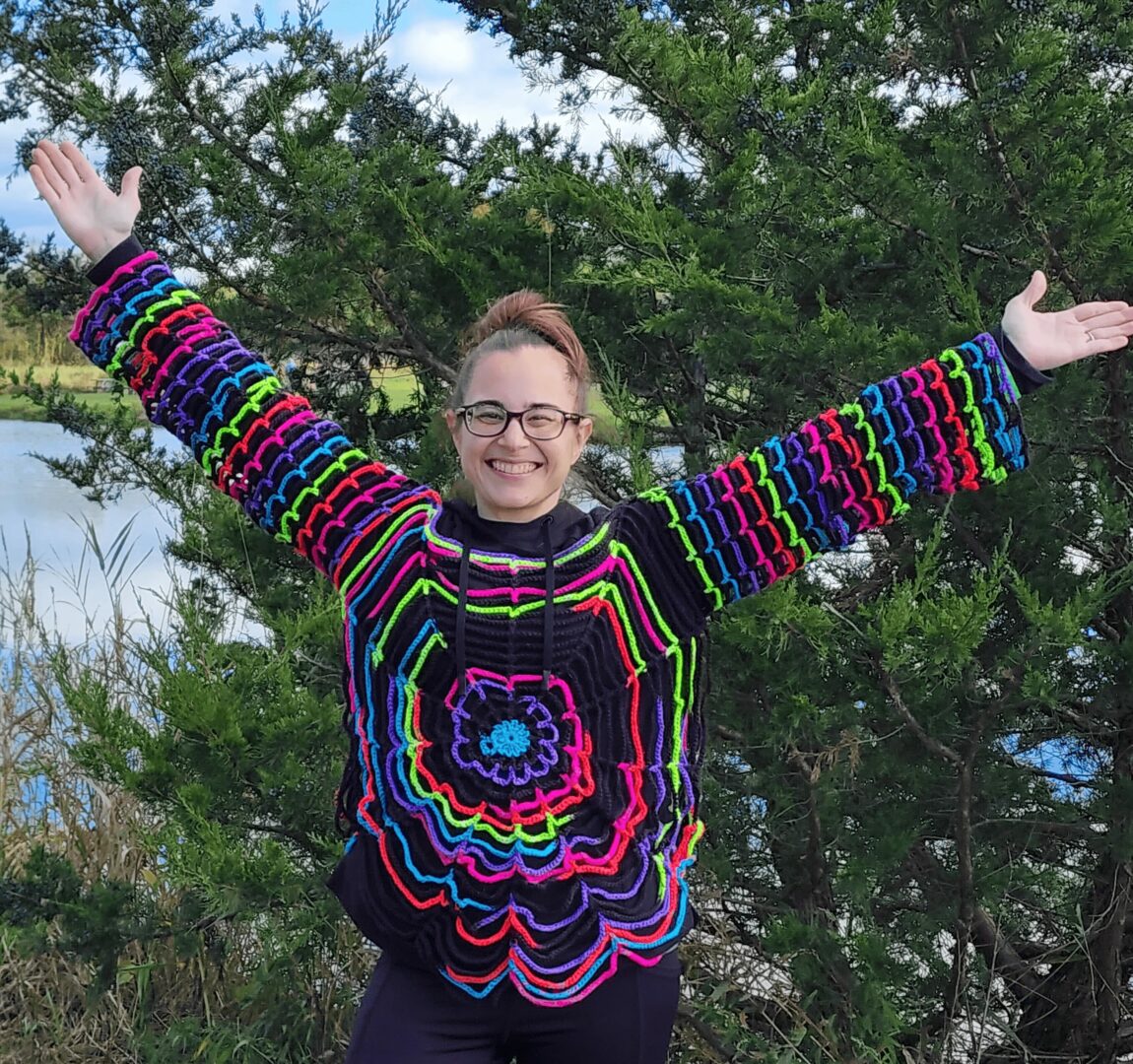
What a pleasure and a bit of a trip to answer this question. I am able to reflect on and share my growth journey, so gratitude for that. Sometimes this is still an ongoing conversation or possibly struggle with myself. Read more>>
Dorian Lowe
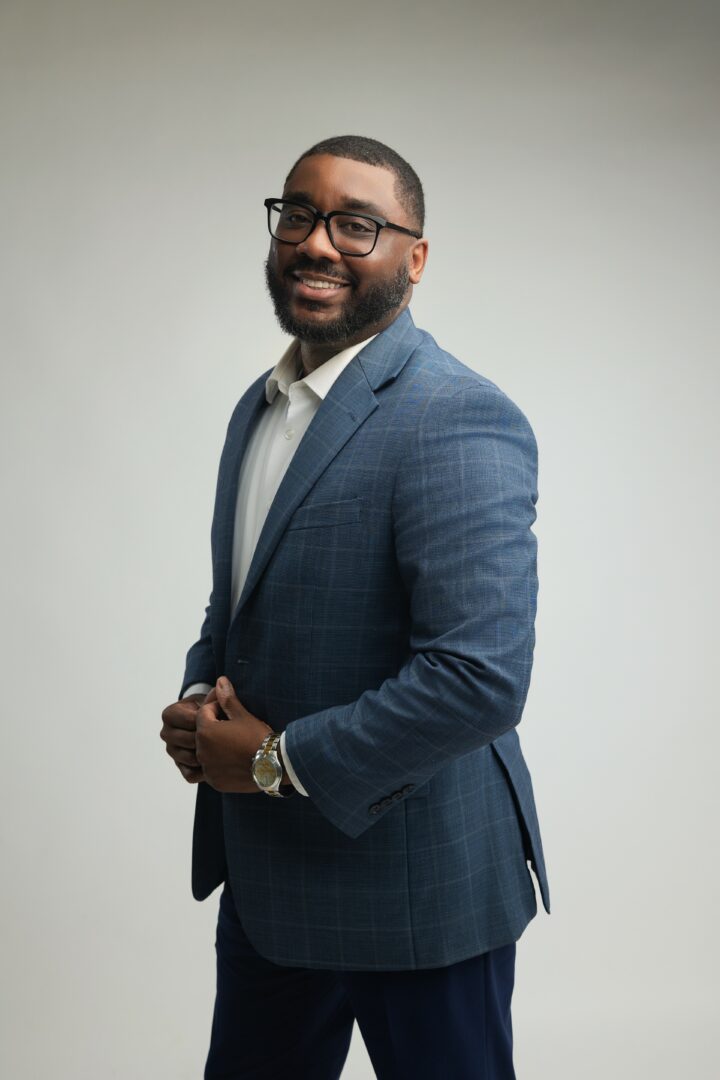
In a world of people, I will be willing to definitely argue the hardest thing to escape is your own mind. Let’s start by listing the facts about me: Black (American), High School graduate, speak primarily English solely, raised in a lower-class environment. I don’t subscribe to poor as I had everything I needed but still the feeling of poor was ever present. Read more>>
Genesis Castillo

You just surrender. Because feeling is never enough. “I am never enough” becomes the quiet fire that keeps a creative searching, reaching, chasing something bigger. Until one day—after all the work, the repetition, the endless hours—you pause. You look at everything you’ve built… and someone sees you. And it’s not about approval. Read more>>
Kristofer Ryan Wilson
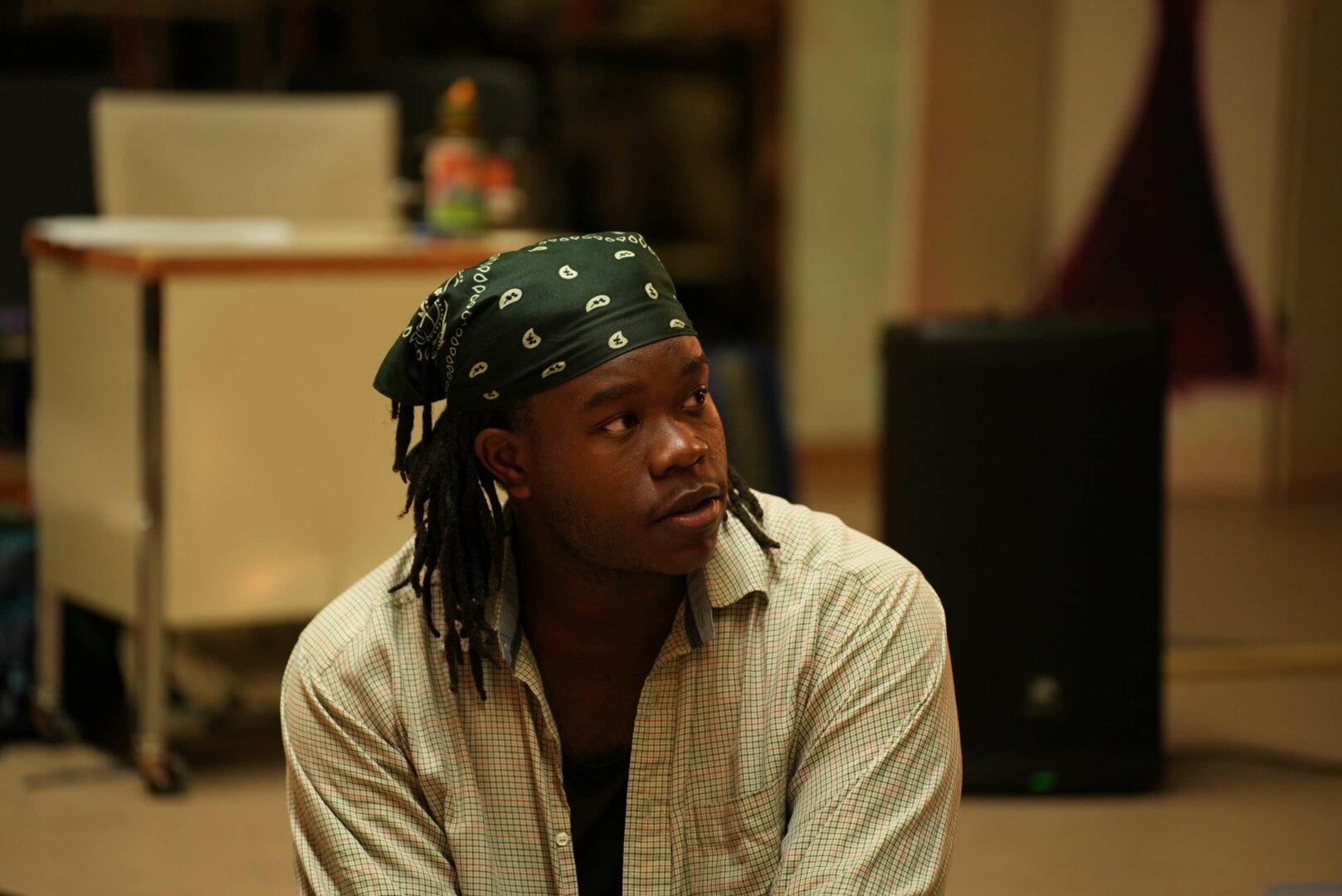
It took a perspective shift. I had the fortune of beginning my professional career in an ensemble play–Comedy of Errors at Shakespeare & Company in Lenox, MA–where everyone had to really be on their A-game. I hadn’t even graduated yet, I was in the midst of my BFA program, and from day 1, I recognized that I was working with some GREAT actors. Read more>>
Dr. Dwan Bryant
By realizing it was never about what I didn’t have… it was about what I believed about myself. By the time I was 8 years old, I knew I was called to be a speaker in some way. Read more>>
Roman
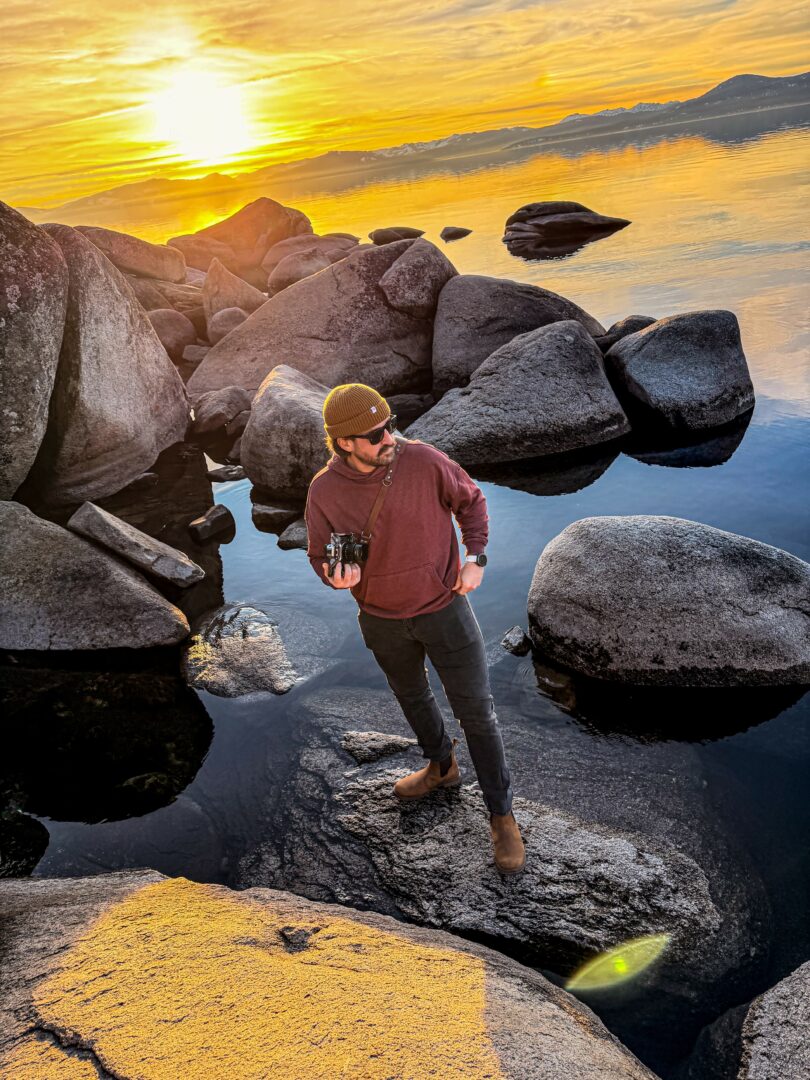
I haven’t completely overcome imposter syndrome… I have outgrown the version of myself that used to shrink because of it. I’ve learned to trust that my skills are real, my eye is intentional, and my creativity isn’t an accident. People hire me because of the way I see the world, the way I interpret art, the way I bring something only I can bring. Read more>>
Guillermo Urbina

For a long time, I felt like a bit of a ‘spy’ in the design world. My background isn’t in fine arts or textile design; it’s in finance, marketing strategy, and business operations. When I first stepped into the high-end wallcovering industry, I’d sit in rooms with world-class interior designers and architects, and I’d think: ‘Do I belong here? Read more>>
Grace Blessing

Overcoming imposter syndrome is something I’ve struggled with for years, but am learning to cope with day by day. It’s natural as humans to compare ourselves to others and judge if we are on track or not, but when we fall short we tend to beat ourselves up over it. Read more>>