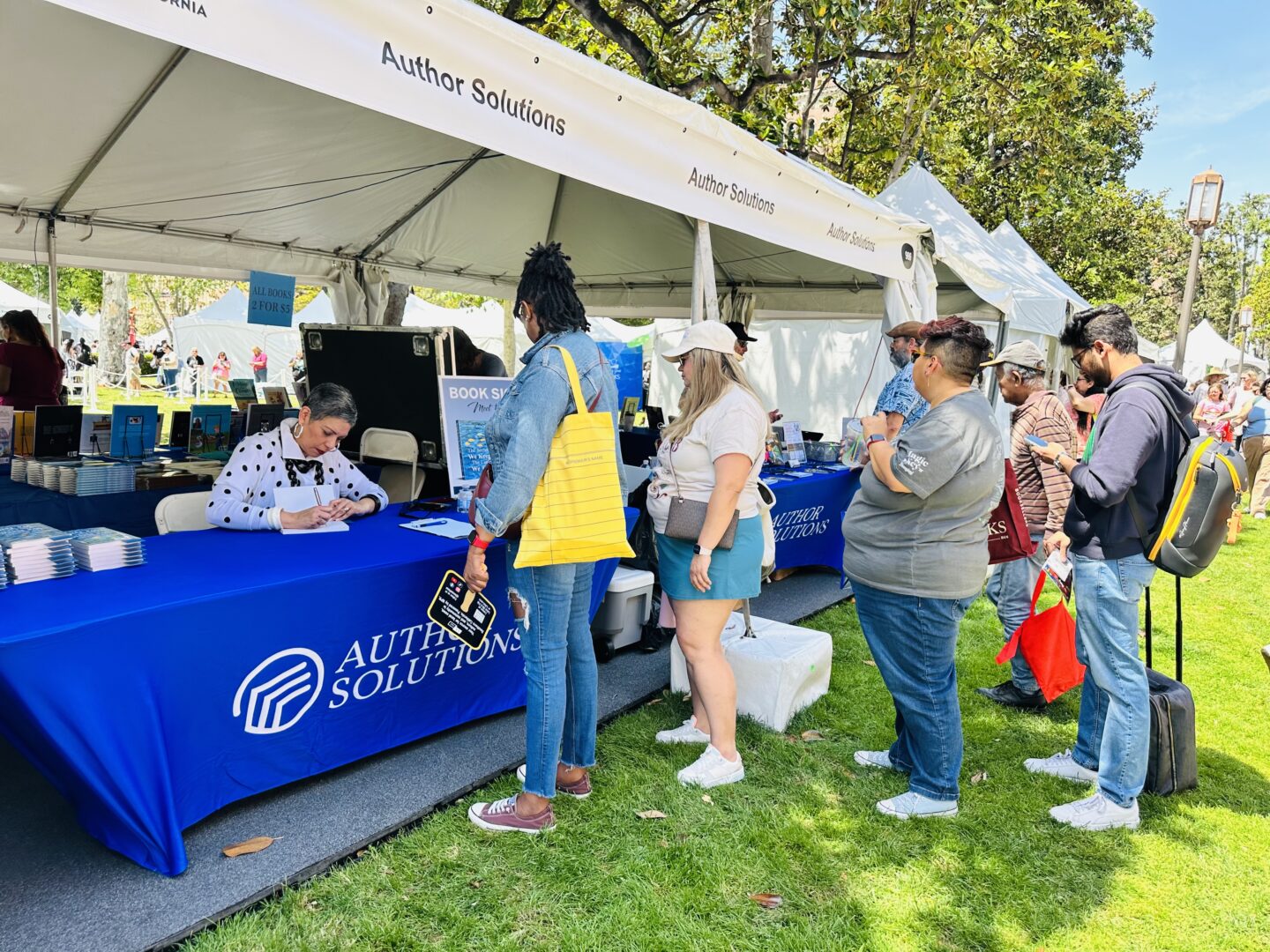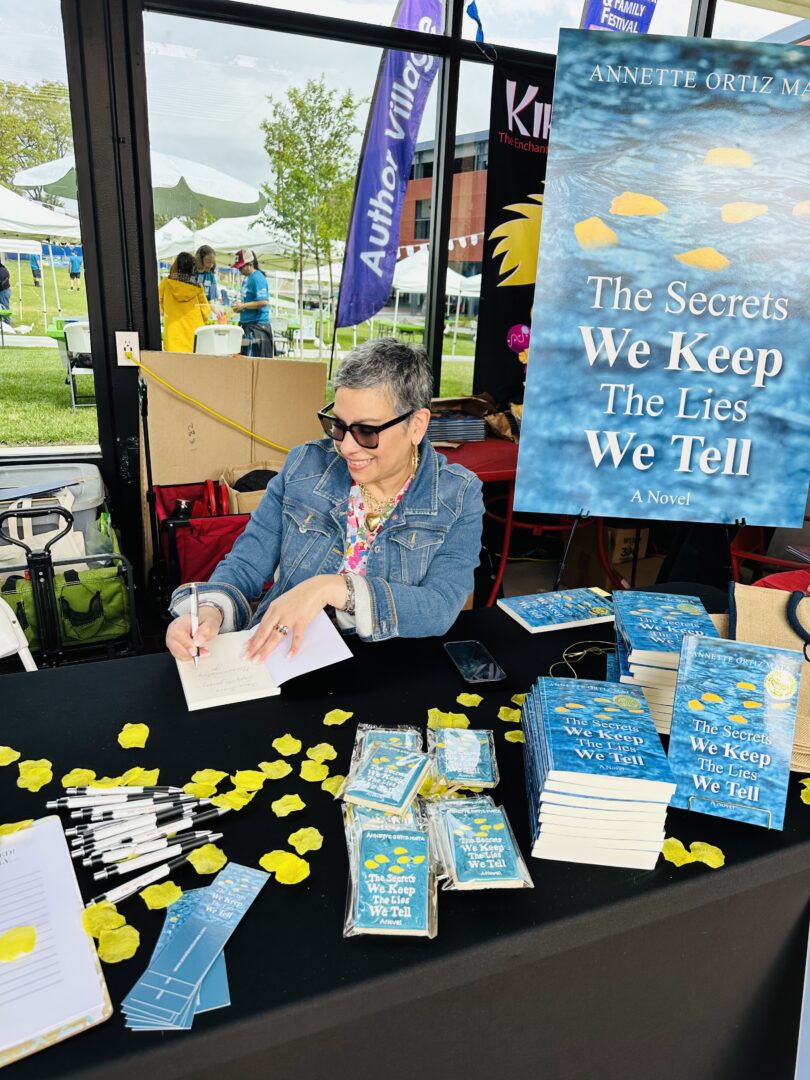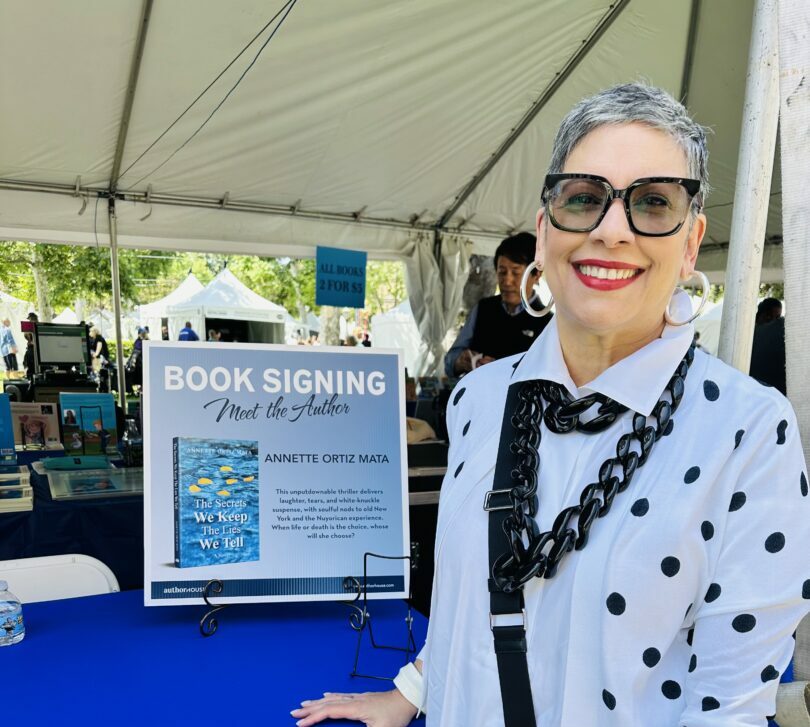
After being encouraged by those close to her, Annette Mata took a bold step into fiction — discovering both its challenges and its creative freedom along the way. Choosing the indie and hybrid publishing route, she’s embraced full ownership of her work, even as it demands constant effort beyond the page. Grounded in authenticity and lived experience, Annette’s storytelling resonates deeply, and her message to aspiring writers is clear: write because you must, trust your voice, and don’t let fear keep your story from being told.
Annette, you’re stepping into your first novel after previous books. What made this the right time to take that leap into fiction?
I was challenged by my niece, Christina. She said I had a novel in me and that I should write one. That I was a good storyteller. I told her that it was not my wheelhouse, and then a few months later, someone said the same thing to me, and it doesn’t take a brick to fall on my head to realize both of these folks might be onto something. I started slowly, and it took a while, two years exactly, from start to publication. A lot more challenging than non-fiction. Fiction writing is a lot more nuanced. I felt ready to dive in, so I went for it.
You mentioned challenging the idea that traditional publishing defines success. What have you learned about the value and freedom of being an indie author?
Many authors are solely focused on securing a traditional publisher, and though there are some perks, it’s not all that folks think it is. You lose your autonomy. You lose the decision-making power, unless you are a “celebrity,” most traditional publishers take complete control of your book, and you just sit and wait until they deem your book ready for publication, if ever. There is a lot that folks are unaware of. The marketing is not easy, the sales are not guaranteed, and the distribution is not promised. So, I’d much rather invest in myself. I have chosen to go a hybrid route, which allows me to invest in my product, cover, etc., while maintaining complete control of my book and its rights. I know I am in a privileged position, but I would rather know that what I have written belongs to me.
The publishing world can be overwhelming. What are some of the biggest realities aspiring writers should be prepared for?
Aspiring writers should be prepared to make little to no money if they are “indie” authors.
I would reach out to published authors and ask honest questions. I have had honest conversations with authors and explained the process, and they are amazed by the “work” that happens after you finish writing. The writing is the fun part. The work begins the moment the book is published. You have to prepare yourself to invest in book fairs/festivals/award submissions/promo ads/reaching out to bookstores/email submissions/follow-ups. Unless you have the resources to hire someone to help you, you are a one-man band, and you have to take time every day to invest in the promotion of your work. Believe in it, and you will be able to sell it.
Storytelling is clearly at the heart of your work. Why do you think people connect so deeply with personal and creative stories?
At a book club event, I was asked how my first two books helped with my fiction writing. And the honest answer is you must write from a place of knowing. I write, whether it is fiction or non-fiction, from a place of experience. My writing is honest and passionate. It is important for me to express the emotions I am feeling in my experience and what I believe the character would feel, as if I were them. How would I react in a certain situation? I found that most of my readers have responded to my method of authenticity, and it is reliable.
For someone sitting on a story they’ve been afraid to share, what would you say to encourage them to finally put it out into the world?
I would ask them, “What are you afraid of?” They need to write as if their life depended on it, and that would make them do it whether they make money or not. Folks don’t write to get rich. Authors write because they have to. There is a deep-seated passion for words that lives in us that must get out, and if we don’t write, we might just die. Writing for me is breathing. It’s a constant desperation of needing to share an experience, a story, an opinion. I would encourage them to let someone they trust read it first and be okay with constructive criticism. I would say put the book away for a month. When you read it again, are you just as in love with the story as you were the first time you wrote it…then it’s ready.
Links:
- www.annetteortizmata.com
- Instagram: @annetteomata