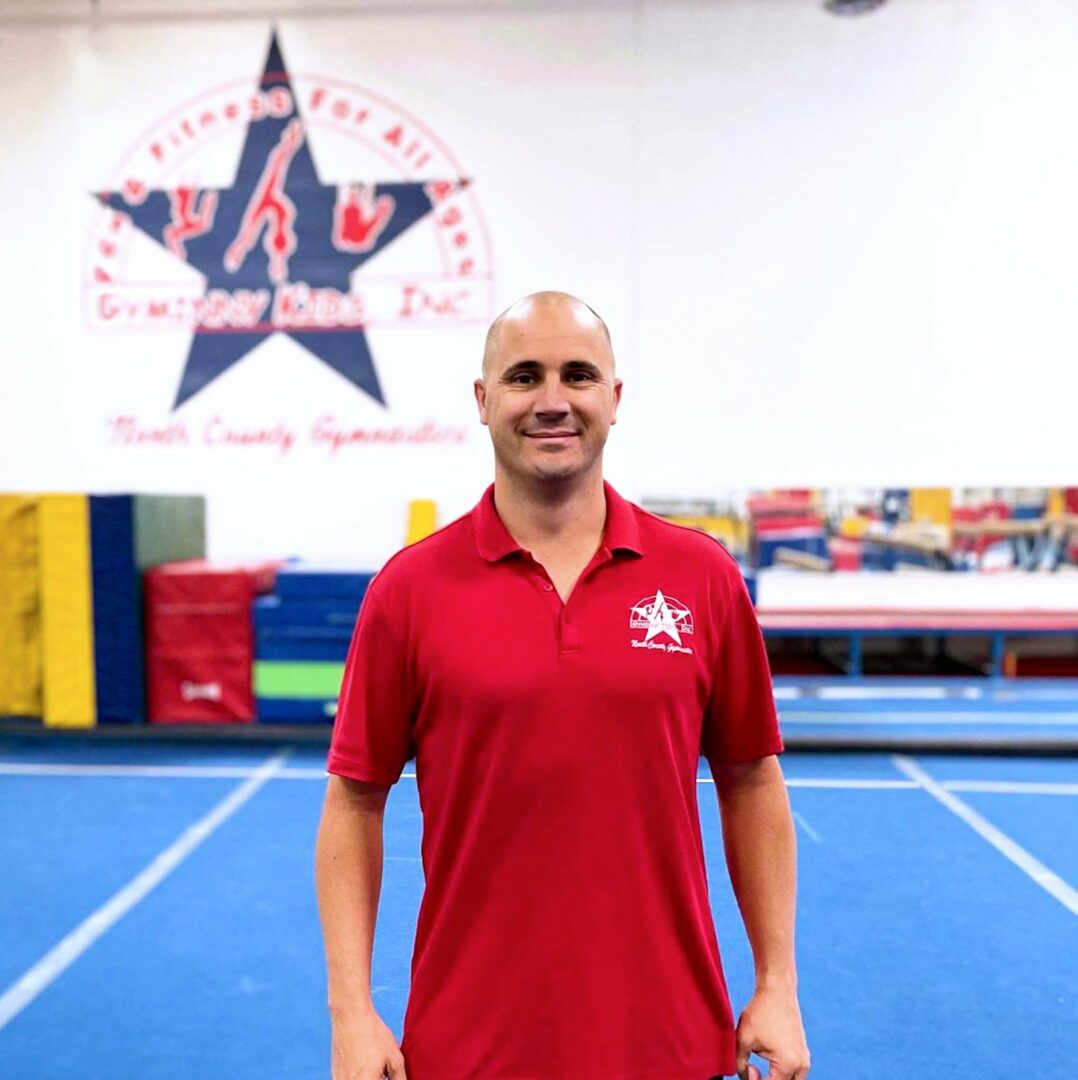
Alright – so today we’ve got the honor of introducing you to Daniel Gundert. We think you’ll enjoy our conversation, we’ve shared it below.
Hi Daniel, you’ve got such an interesting story, but before we jump into that, let’s first talk about a topic near and dear to us – generosity. We think success, happiness and wellbeing depends on authentic generosity and empathy and so we’d love to hear about how you become such a generous person – where do you think your generosity comes from?
My generosity comes from experiencing it firsthand. Some of the people who made the biggest difference in my life weren’t generous with money as much as they were with their time, energy, attention, and belief in me. Early mentors showed me that generosity is less about transactions and more about presence, effort, and showing up.
There’s a quote that’s always stayed with me: money does buy happiness—you just have to give it away. I’ve learned that if you want something in life, you have to give first, without expecting anything in return. That giving can take many forms, time, effort, leadership, mentorship, or money, but the return is always deeper fulfillment.
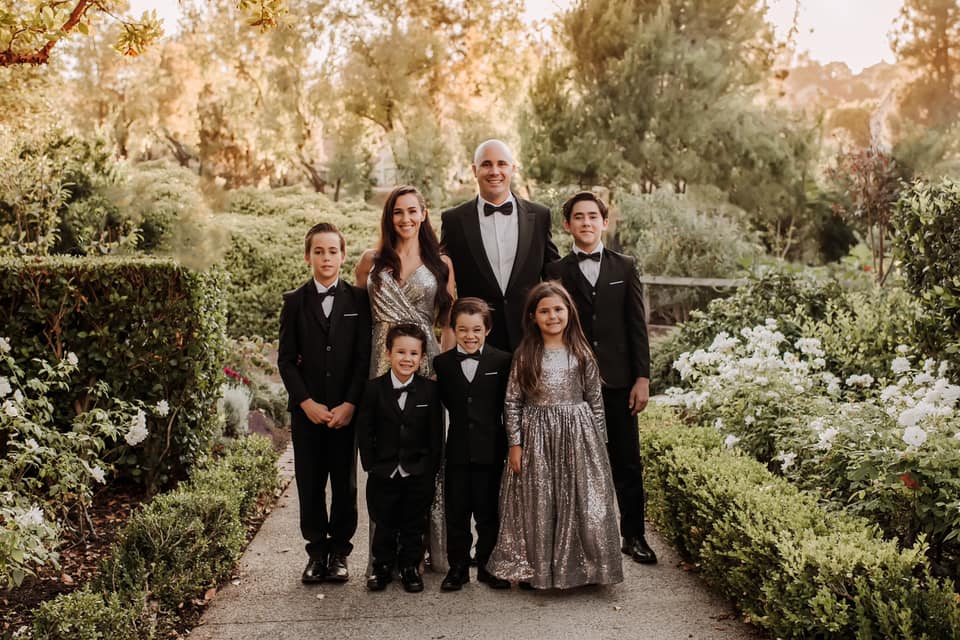
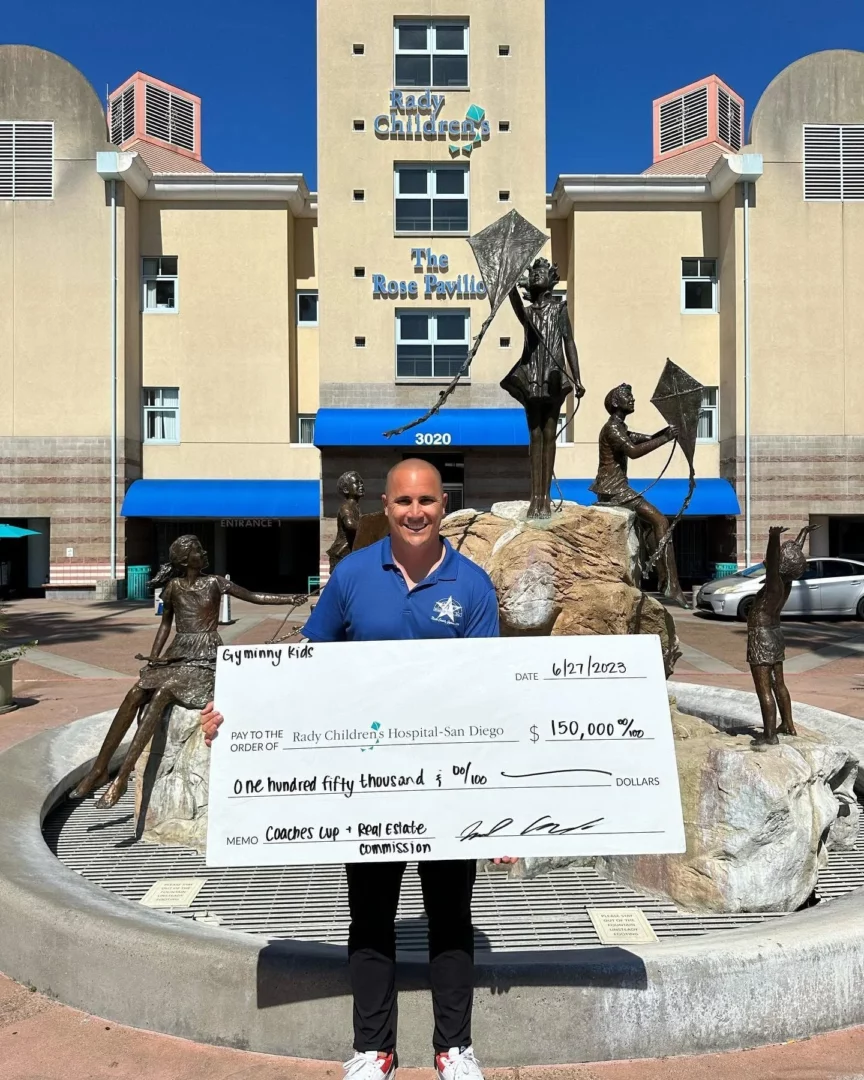
For me, generosity shows up in several ways. It’s writing Baby Gorilla as a way to give back to the sober and recovery community, and anyone experiencing intense pain, by sharing a story of addiction, redemption, and rebuilding a meaningful life. It’s being a present father, husband, and employer. It’s service in the AA community. It’s donating 50% of my real estate commissions to nonprofits I believe in, including Rady Children’s and St. Jude’s.
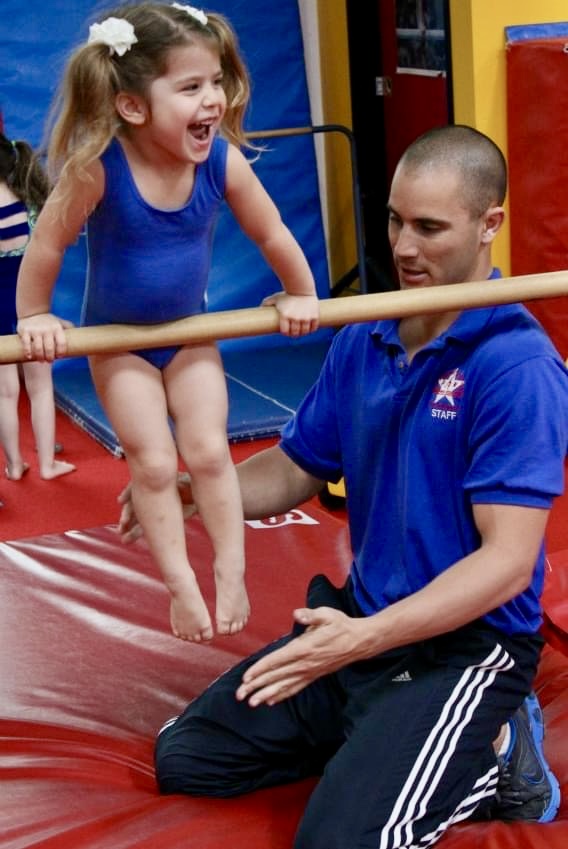
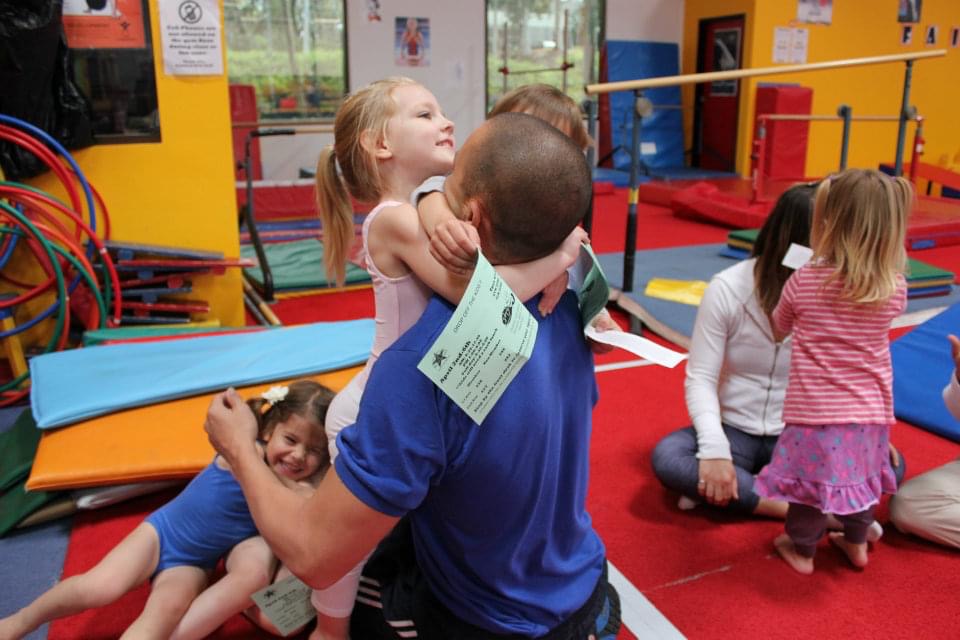
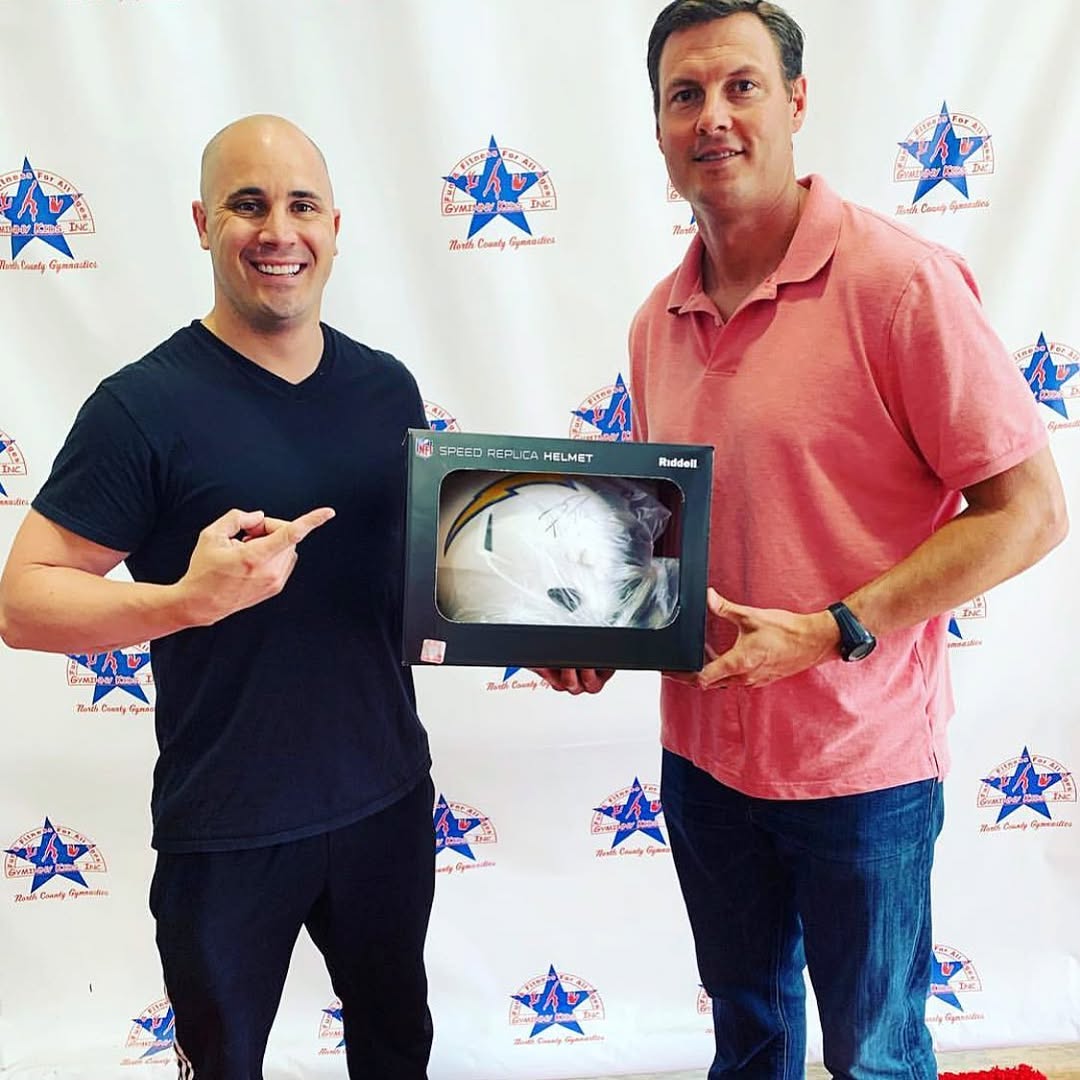
Through initiatives like Coaches Cup, an event I founded on the idea of kids helping kids, and through North County Gymnastics and The Gyminny Kids, a gymnastics school that we own with five San Diego locations, supporting local schools, and donating half of my real estate commission, we’ve collectively donated close to a million dollars in money, resources, and coaching time. Our gyms have supported local schools for nearly four decades with donations, scholarships, certificates, and volunteer hours, averaging about $20,000 a year since the company began in 1987.
Ultimately, my generosity exists because others were generous with me when I didn’t deserve it. I’ve seen that when you give freely, life tends to meet you with more, so you can pass it on.
Great, so let’s take a few minutes and cover your story. What should folks know about you and what you do?
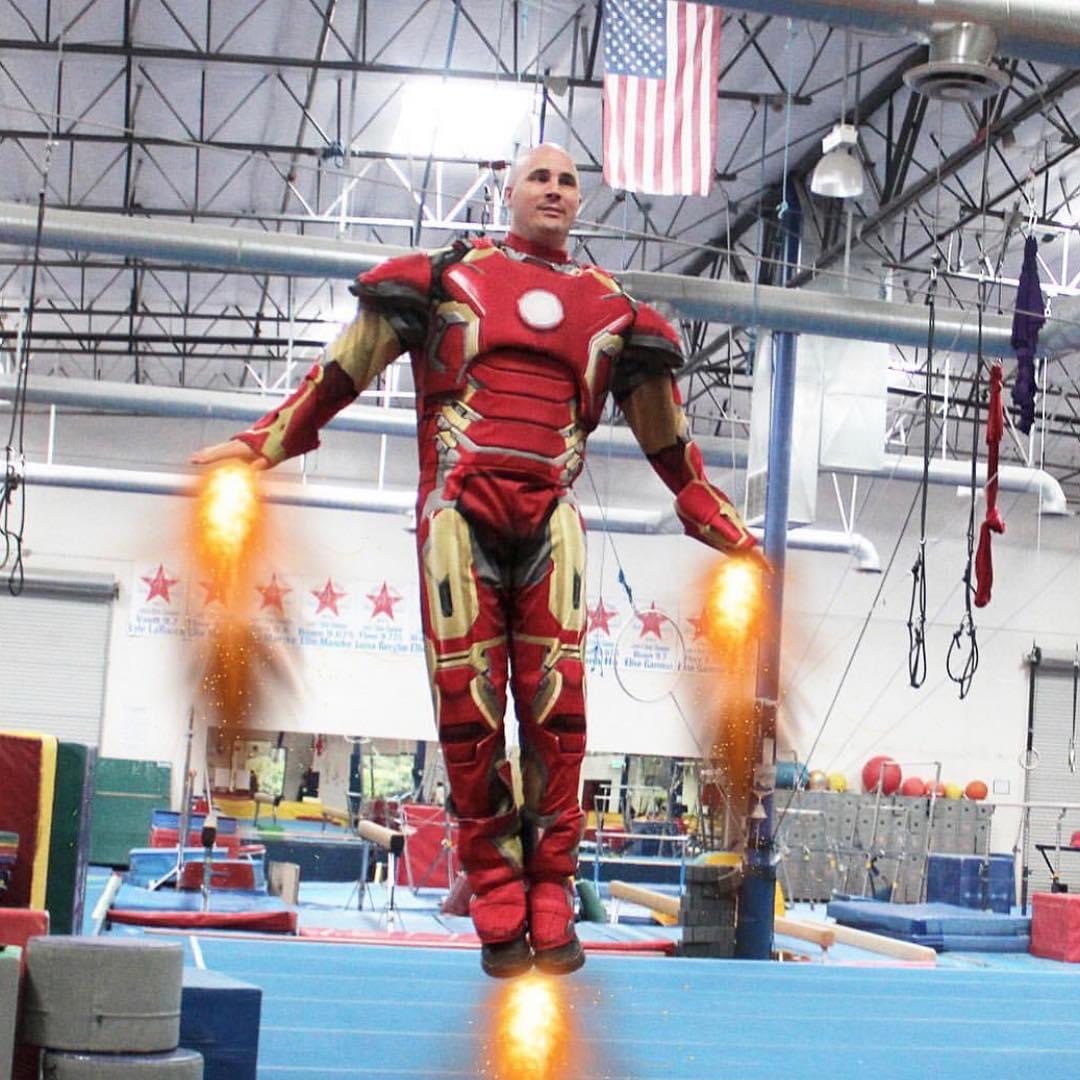
At my core, I’m a hyperactive entrepreneur, father, Husband, and lifelong learner who believes business is a vehicle for service. Professionally, I own and operate North County Gymnastics and The Gyminny Kids, a family-owned gymnastics school founded in 1987 that has grown into an eight-figure, multi-location company serving thousands of families across San Diego. What excites me most about our work is that we’re not only teaching gymnastics, we’re using sport to build character, confidence, and resilience in kids while creating long-term career paths for over a hundred coaches, hospitality associates, and managers.
Alongside the business, I recently released my book Baby Gorilla, which tells the story of my journey from addiction, homelessness, and instability to sobriety, fatherhood, and building a values-driven company. The book is deeply personal and raw, but its purpose is universal: to show that pain, when faced head-on, can become the foundation for leadership, strength, and impact. Sharing that message through our company’s core values, speaking, interviews, and community conversations has become an important extension of my work.
Right now, I’m focused on growth, expanding Gyminny Kids, continuing to share the Baby Gorilla story, and using business, real estate, and philanthropy as tools to create change in our communities. Everything I’m building is rooted in the same belief: success matters most when it’s shared.
If you had to pick three qualities that are most important to develop, which three would you say matter most?
Looking back, three qualities had the greatest impact on my journey: emotional discipline, ownership, and speed of execution.
First, emotional discipline was foundational. I learned that anger is the emotional punishment you give yourself for someone else’s actions, and that staying calm during crisis is a competitive advantage. Business, recovery, and leadership all demand the ability to regulate emotions under pressure. My advice to anyone early on is to build structure before chasing scale; being busy isn’t a badge of honor; it’s usually a lack of structure.
Second, ownership changed everything. Progress accelerated when I stopped blaming circumstances and accepted full responsibility for outcomes. A problem well-defined is half solved, and leaders who take ownership don’t wait to be rescued; they act. If something isn’t working, assume it’s yours to fix or learn from. That mindset builds trust from those around you, credibility, and long-term momentum.
Third, speed matters. The most successful people I know move faster than everyone else. They make decisions, make mistakes, and adjust while others are still contemplating. If the work isn’t challenging, you’re probably not going fast enough. Growth requires courage, not comfort, and progress almost always comes with discomfort. The price of progress is pain.
The common thread across all three is service. Money, success, and opportunity are byproducts of helping others solve problems. When you pursue what’s meaningful instead of short-term happiness, deep fulfillment tends to follow. I ask myself daily, “How many people do I serve, and how well do I serve them? How else can I be of service?”
Thanks so much for sharing all these insights with us today. Before we go, is there a book that’s played in important role in your development?
If I had to choose one book, which is hard to do by the way, it would be Meditations by Marcus Aurelius. While I’ve learned from many books, this one continues to shape how I think, lead, and live.
At its core, Meditations is about Stoic thinking, focusing on what you can control, accepting what you can’t, and responding to life with discipline rather than emotion. That philosophy runs very parallel to sobriety in the AA program and the Serenity Prayer: having the courage to change what you can, the humility to let go of what you can’t, and the wisdom to know the difference.
The book resonates deeply with me because I tend to be hyperactive, fearful in my thinking, and reactive by nature. Marcus Aurelius’s reflections constantly pull me back to the bigger picture, reminding me that most things aren’t worth the emotional energy we give them. Through Stoic practice, I’ve learned to pause, broaden my perspective, stay in a state of gratitude, and make long-term decisions rather than getting derailed by small, temporary problems that generally resolve themselves over time.
What changed most is this: things that used to knock me off course no longer have the same effect. I try to keep the broader context in mind daily, what actually matters, what deserves my attention, and what needs to be released. That shift has made me a better leader, father, and human being. It also allows me more moment-to-moment joy.
Contact Info:
- Website: gyminnykids.com
- Instagram: https://www.instagram.com/gyminnykids/?hl=en
- Facebook: https://www.facebook.com/gyminnykids/
- Linkedin: https://www.linkedin.com/company/15471445/admin/dashboard/
- Youtube: https://www.youtube.com/gyminnykids
- Yelp: https://www.yelp.com/biz/gyminny-kids-carlsbad-carlsbad
- Other: https://theavenuehc.com/agents/daniel-gundert/ and Danielgundert.com