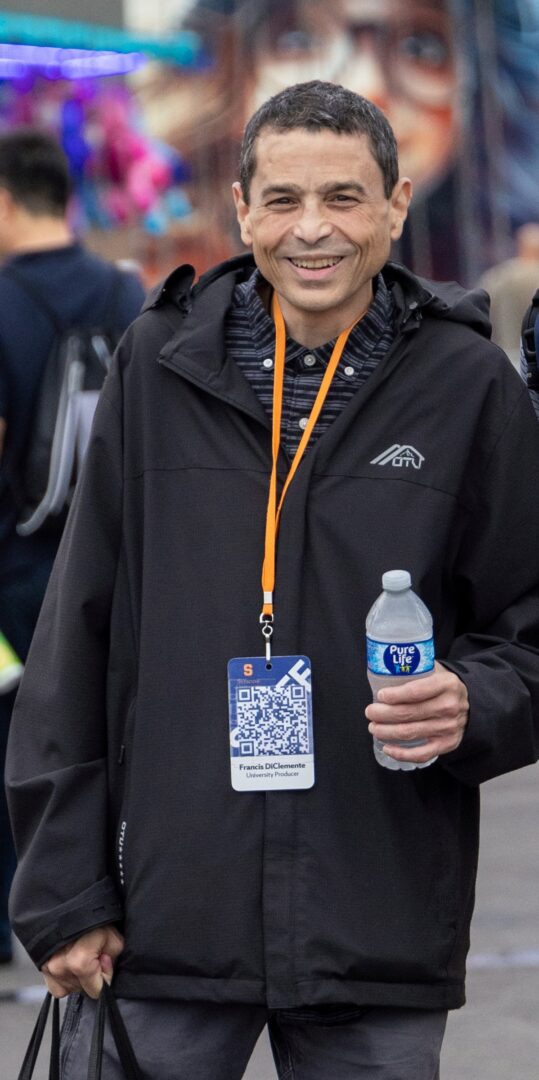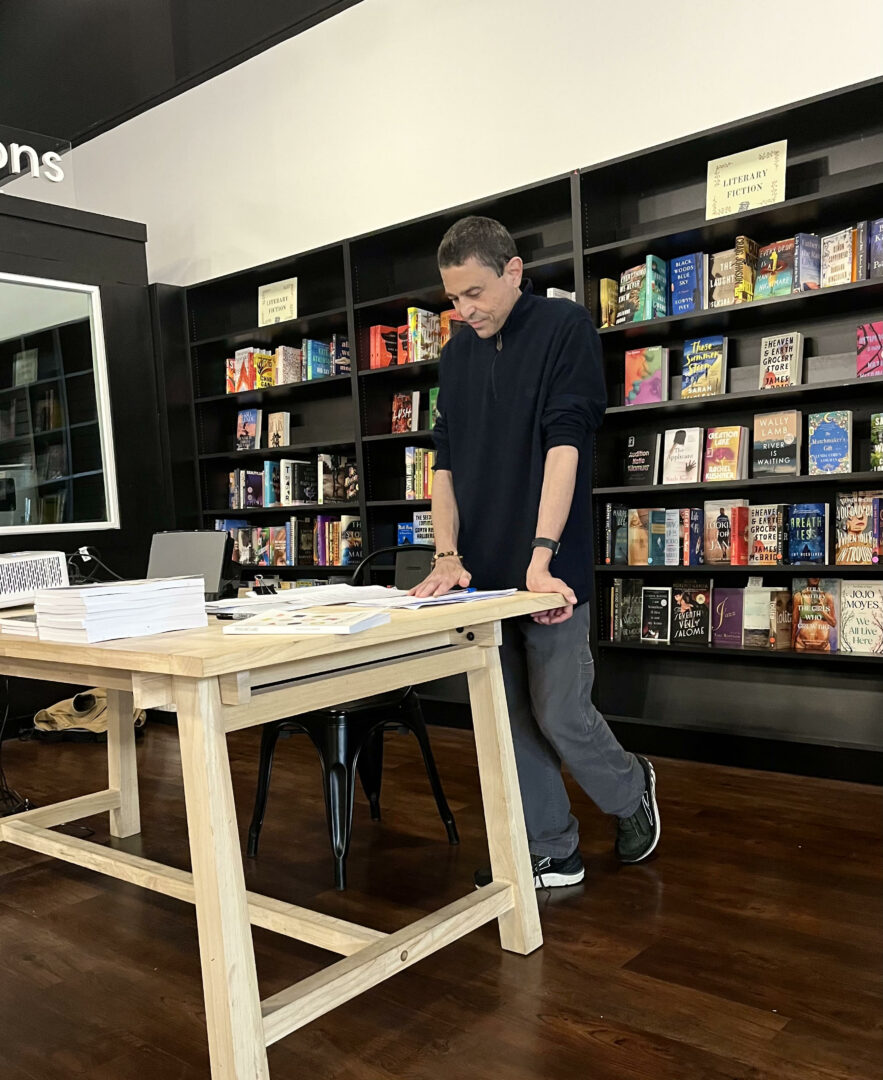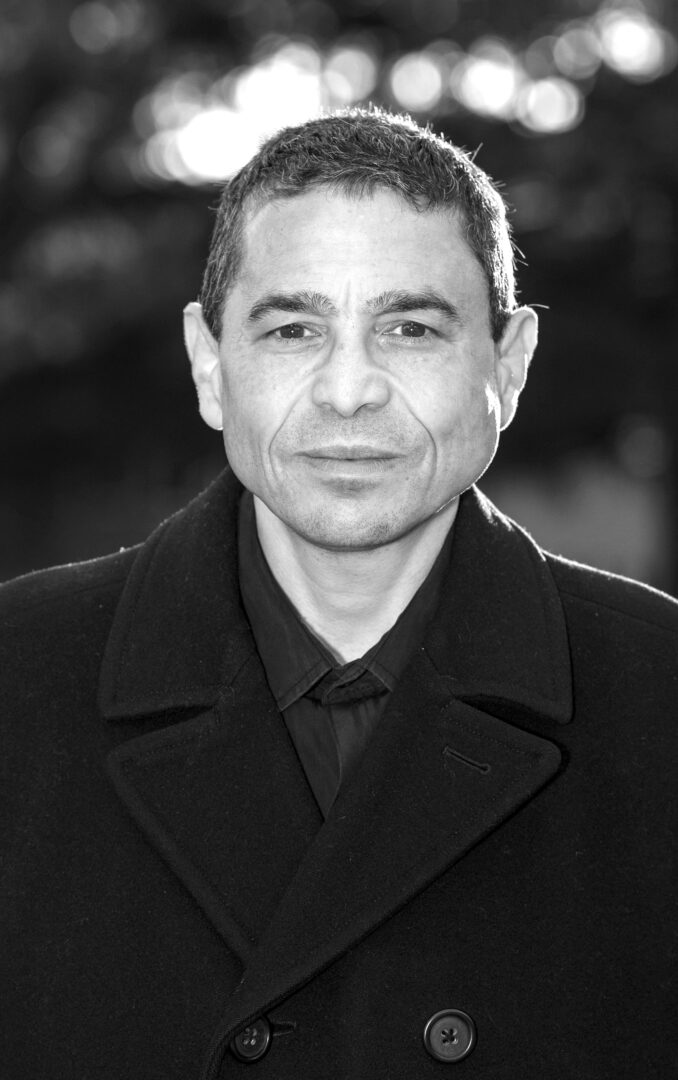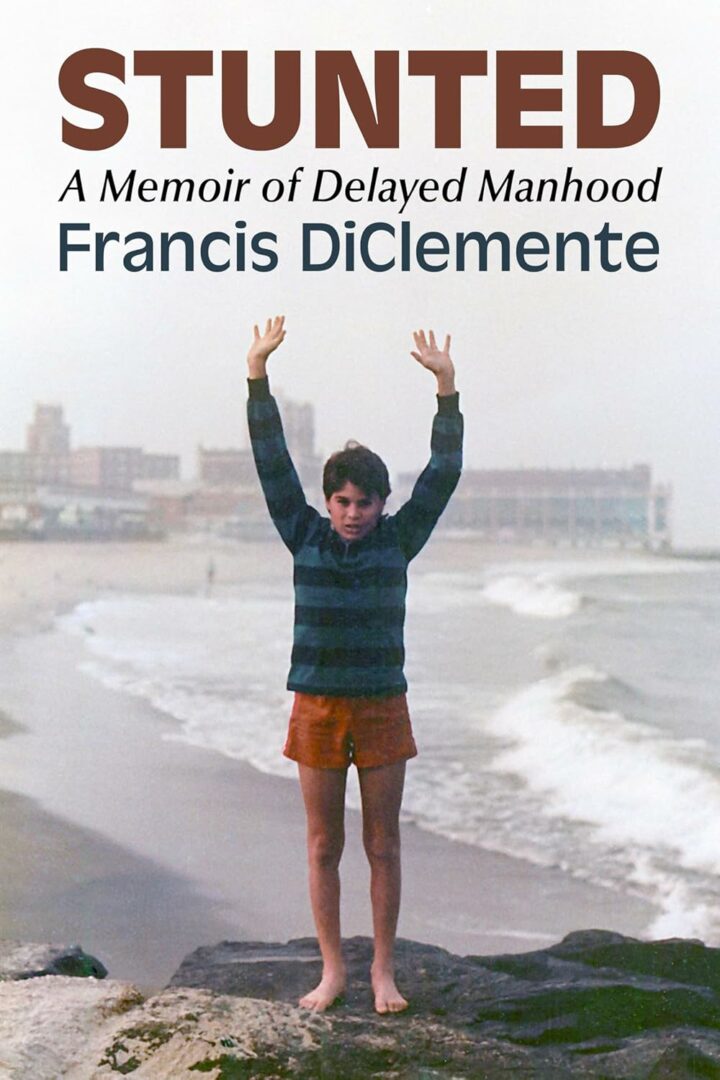
In his deeply personal memoir, Francis DiClemente reflects on a lifetime of feeling out of sync with societal expectations and the long journey toward self-acceptance. Drawing from experiences that challenged his identity and confidence, he reframes masculinity through empathy, responsibility, and character rather than appearance. By sharing his story, Francis hopes to offer comfort to others navigating similar struggles, reminding readers that growth happens on its own timeline — and that the very qualities that make us feel different can ultimately become our greatest source of connection.
Francis, your memoir explores growing up with a condition that set you apart physically. What ultimately gave you the courage to share such a deeply personal story now?
I always thought my coming-of-age story had the potential to be a book. But I needed time to grow up and mature before I was ready to tackle the subject. I previously wrote about my medical history and journey toward self-acceptance in some poems and essays, but in 2013, I got married, and my wife, Pam, encouraged me to write my story as a book. My biggest fear with the project was that the concept of a boy who failed to grow normally into a man was much better than my ability to tell the story when I finally attempted it.
In 2014, I wrote a super-long blog post marking the 30th anniversary of my first brain surgery in Syracuse, New York, in 1984. And that served as a springboard for the memoir. It took me several years to write the book. I started by reviewing medical records and diaries, drafting scenes, and finding the narrative structure. I then did multiple drafts on my own and later worked with a couple of developmental editors to complete the manuscript.
You reframe masculinity as something rooted in empathy and responsibility rather than physical development. How did your experiences shape that perspective?
As I was struggling with low self-esteem and shame about my appearance after I graduated from college in the early 1990s, I learned the importance of taking responsibility for my life, e.g., going to work every day, earning a living, meeting deadlines, paying bills, and getting along with colleagues.
Working as a reporter/editor at a small newspaper in Florida in 1995 helped me to “get out of my head.” For my job, I needed to overcome my shyness and introversion to go out in the community and interview people. I felt a deep sense of empathy for the people I interviewed, and I realized that in telling their stories, I became less absorbed with myself. I think that growth process helped me reframe manhood—really, adulthood—based on work ethic, character, and behavior rather than physical appearance.
Throughout your adolescence and early adulthood, how did your condition influence your relationships and sense of identity?
My sense of identity was troubled. I looked like a 14-year-old boy when I entered college, a Doogie Howser figure but lacking a prodigy’s smarts. I hadn’t gone through puberty, my voice had a high pitch, and people often confused me for being female (in person and over the phone). It didn’t help that my name was Francis, which people often spelled as Frances (the female form).
Shame and rabid self-hatred brewed inside me. I had some good friends in my hometown and in college, but in any new social situation, I tried to hide. I didn’t want people to question me about my age or appearance. And I had no confidence in my interactions with the opposite sex. Women in college considered me cute—like a toddler or a puppy. I would develop intense crushes on women but would be too afraid to open my mouth and seek dates with them. The only romantic interest I received came from females much younger than me—often under 18 years old—and I spurned these advances for obvious legal reasons.
Writing a memoir often involves revisiting difficult moments. What was the most challenging part of the writing process for you?
Part of the difficulty was finding quiet time to sit with all of the material I had gathered. I work a full-time job, and our son is autistic, so time is limited, and our house is often noisy. I started getting up very early on weekdays to write.
The challenge was shaping the vast raw material into a story—making sure the scenes were vibrant, and the story flowed, rather than reading like “first this happened, then this happened, and so on.” Once I had a good working draft, I kept cutting and revising until I was satisfied with the manuscript.
As your book is released, what do you hope readers, especially those who feel “out of sync” with societal expectations, take away from your story?
I think it’s freeing to recognize that everyone develops in their own time until they become the person they want to be (or as close to that ideal version as possible). Also, I think everyone has parts of themselves that they don’t like. And in my encounters with a wide variety of people, I’ve discovered that the so-called “flaws” or little oddities that make a person different or “out of step” with the rest of the world are what attract me most to that person; those qualities make them special.
For me, self-acceptance is a daily, continuous struggle. It never ends, but I try to look outward more, to get away from my obsession with myself, and to feel more empathy for other people. And this helps me to feel more connected and less isolated.
Links:
- Stunted: A Memoir of Delayed Manhood: https://mcfarlandbooks.com/product/stunted/
- Amazon: https://tinyurl.com/yjuwz2jf
- Bookshop: https://tinyurl.com/ks2cm8b5
- Personal Blog: http://francisdiclemente.com
- LinkedIn Profile: http://www.linkedin.com/in/francisdiclemente
- IMDb: http://www.imdb.com/name/nm4588547/?ref_=fn_al_nm_1
- X: https://twitter.com/FranDiClem
- Instagram: https://www.instagram.com/francisdiclemente/
- Facebook: https://www.facebook.com/francis.diclemente/