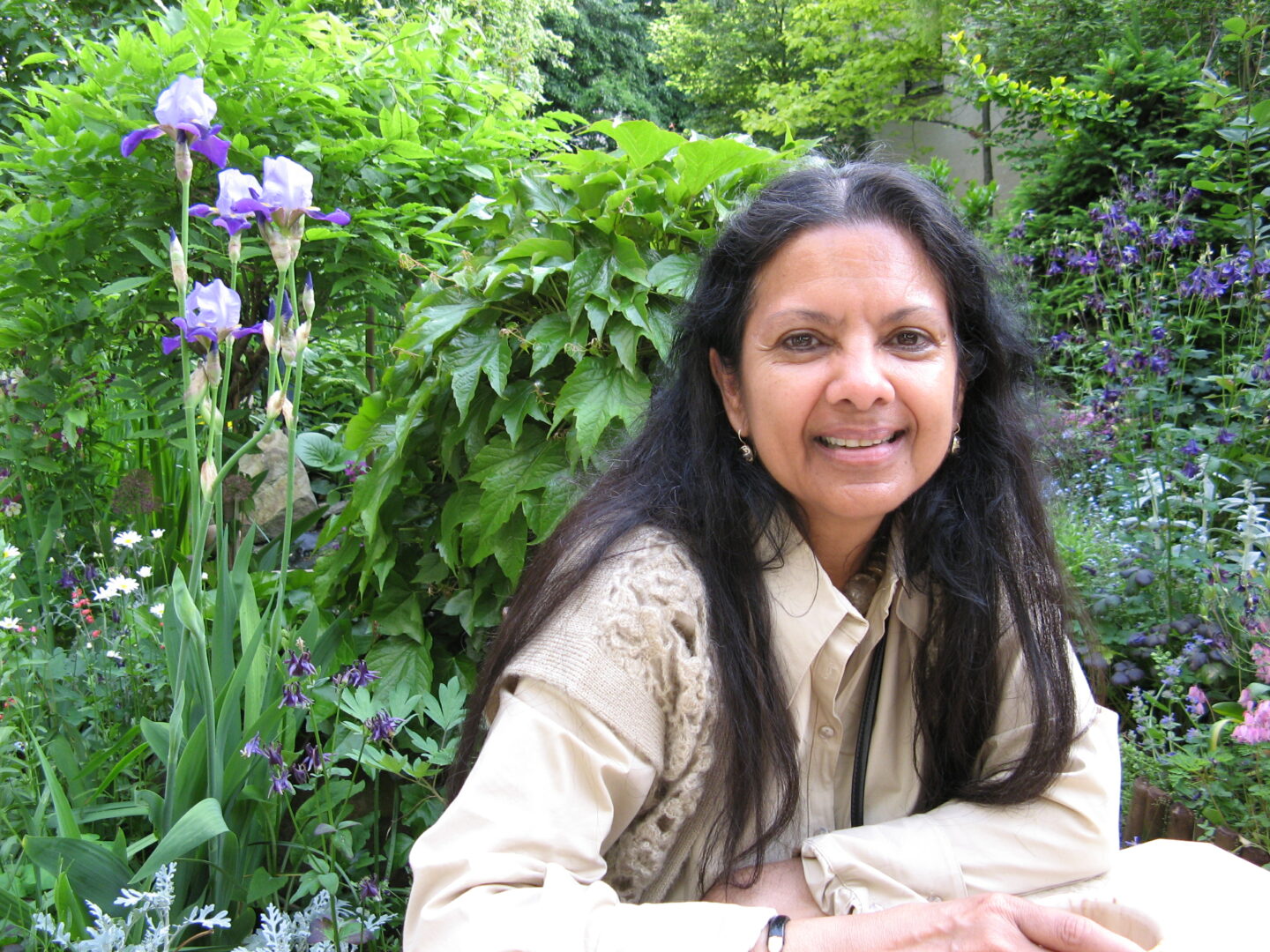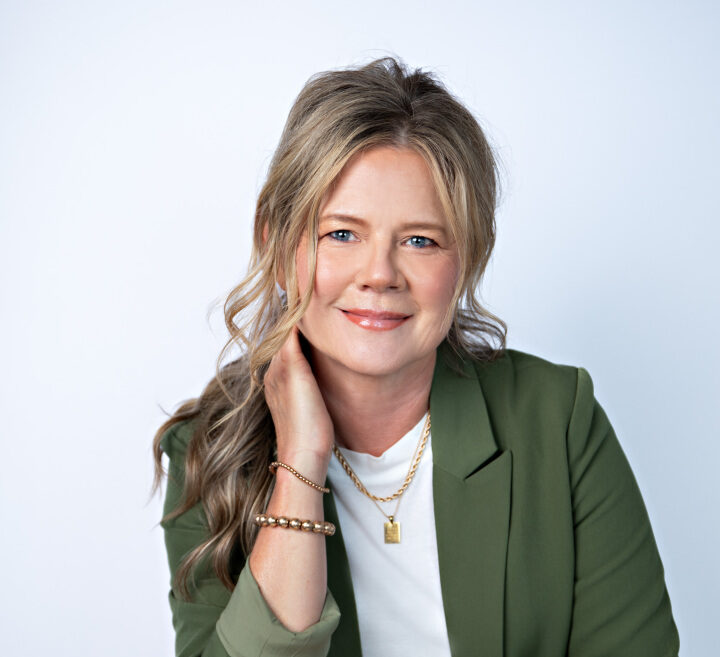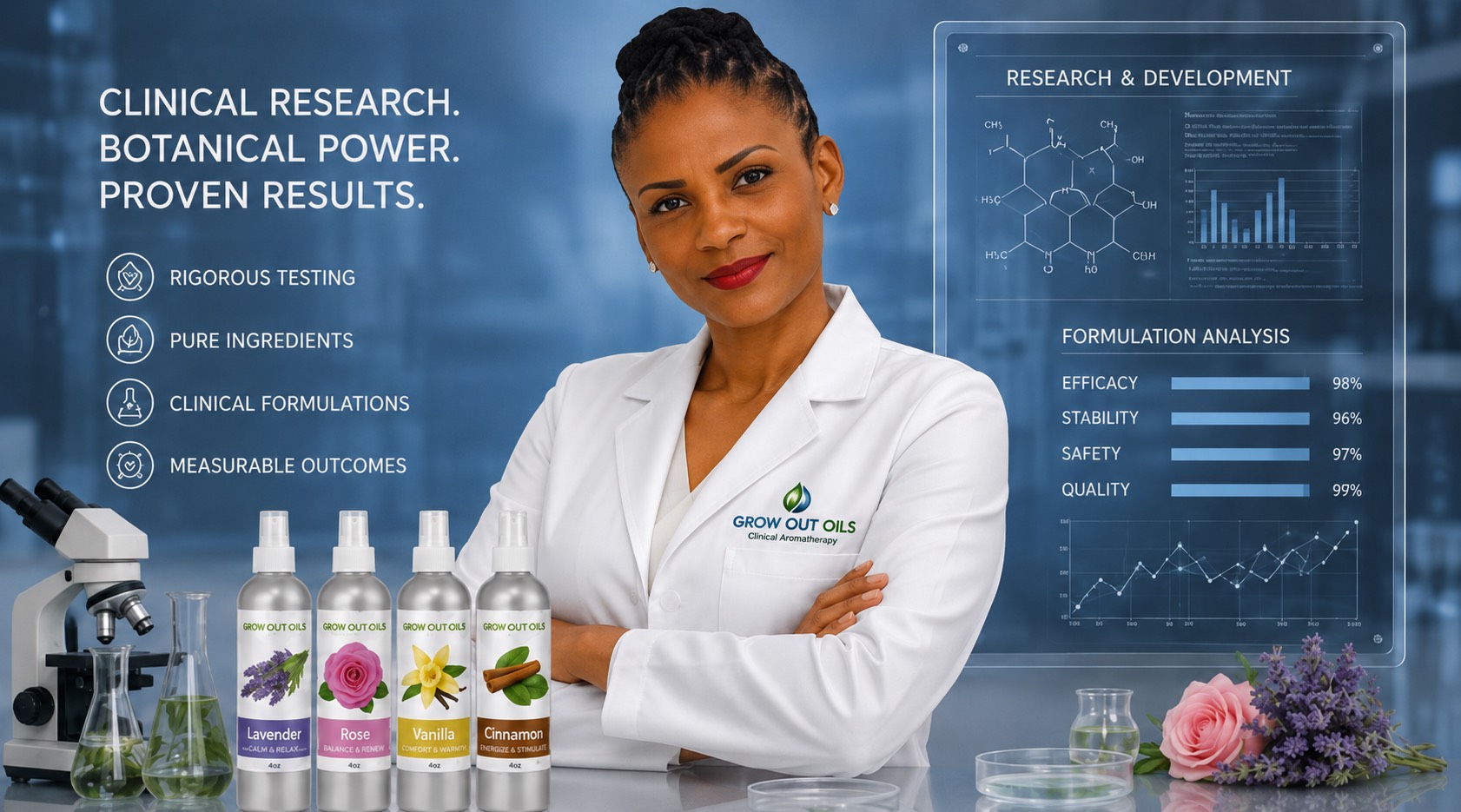
After decades in wellness, beauty, and medical aesthetics, Shanna Bynes Bradford’s transition into clinical research reflects a natural evolution rooted in curiosity and purpose. Driven by a desire to understand not just how treatments enhance appearance but how they truly support healing and long-term outcomes, she now operates at the intersection of holistic practice and scientific validation. Through clinical trials, evidence-based formulations, and integrative protocols, Shanna is helping elevate industry standards while advocating for greater collaboration, credibility, and representation — especially for women entering science from non-traditional paths.
Shanna, you’ve spent decades in wellness and are now stepping into clinical research. What inspired this transition into a more formal, evidence-based space at this stage in your career?
After spending decades in the wellness, beauty, and medical aesthetics industries, transitioning into the clinical research space felt like a natural evolution of my career. I have always been passionate about understanding not only how treatments and formulations make people look, but also how they truly support skin health, healing, and overall patient outcomes. Working within the clinical research community has given me the opportunity to combine my hands-on experience in medical aesthetics and clinical aromatherapy with a more formal, evidence-based approach to patient care.
What inspires me most is being able to participate in clinical trial studies, develop post-procedure treatment protocols, and observe measurable patient results firsthand. Seeing the scientific findings behind active compound constituents in clinical formulations has reinforced the importance of using targeted, research-driven ingredients to support healing after both invasive and non-invasive procedures. It is incredibly rewarding to see how properly formulated skincare and recovery protocols can improve patient comfort, recovery time, skin integrity, and overall treatment outcomes.
My background in aesthetics and wellness has given me a unique perspective on how the skin functions under the right conditions and how essential post-care recovery is to a successful treatment process. Clinical research allows me to bridge the gap between wellness, aesthetics, and science by helping create protocols that are not only innovative, but also safe, effective, and supported by clinical data. At this stage in my career, I feel strongly about contributing knowledge that can improve patient care standards while continuing to educate others within the medical aesthetics and wellness industries.
Your clinical case study on antiviral hydrosol sprays and SARS-CoV-2 bridges holistic and scientific approaches. What were the most important insights or breakthroughs from that research?
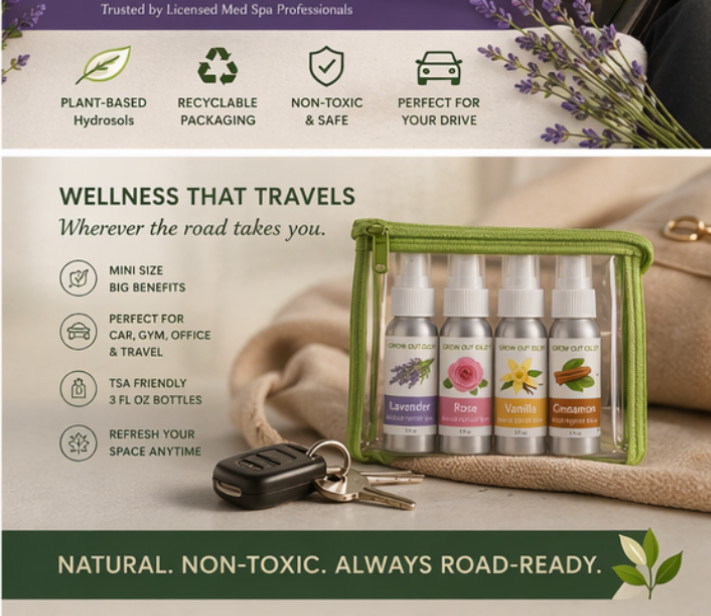
One of the most important insights from our clinical case study on antiviral hydrosol sprays and SARS-CoV-2 was demonstrating how holistic approaches and evidence-based science can work together to support environmental wellness and public health. Our research focused on the development of advanced aromatherapy antiviral sprays formulated with active botanical compounds and proprietary salt technology designed to help reduce exposure to harmful microorganisms on surfaces and within shared environments.
A major breakthrough in the research was observing how the formulation’s active ingredients, combined with the mechanical action of evaporation, interacted with viral biofilm structures and surface contamination. The proprietary salt technology solution was developed to create a protective barrier layer on treated surfaces, helping support environmental hygiene and reduce the persistence of harmful microorganisms after application.
What made this research especially meaningful was the ability to combine natural hydrosol and aromatherapy principles with modern clinical research methodologies. The study reinforced the importance of innovative, plant-based technologies that can complement traditional sanitation and infection-control practices while supporting safer wellness environments.
This work also highlighted the growing role of clinical aromatherapy within evidence-based wellness and medical research. It demonstrated that thoughtfully formulated botanical products, when supported by scientific evaluation and clinical observation, can contribute valuable insights into preventative care, environmental support systems, and post-exposure wellness strategies.
You’re working at the intersection of integrative medicine and clinical validation. Why is it so important to bring scientific credibility to holistic practices?
Working at the intersection of integrative medicine and clinical validation is important because scientific evidence and clinical research provide the credibility, insight, and measurable data needed to better understand how holistic therapies and advanced technologies can work together to improve patient care outcomes and post-recovery treatment protocols.
Today’s patients are far more informed and intentional about the products, treatments, and ingredients they choose. There is a growing demand for ingredient transparency, sustainability, safety, and evidence-based results. Because of this shift, it is essential for the holistic and wellness industries to support their practices with clinical research, scientific evaluation, and documented outcomes that demonstrate both effectiveness and patient benefit.
Bringing scientific credibility to holistic practices also helps bridge the gap between traditional wellness approaches and modern medicine. It allows practitioners, researchers, and healthcare professionals to better understand the mechanisms behind active botanical ingredients, aromatherapy compounds, and integrative treatment protocols. This creates opportunities to develop more comprehensive patient care strategies that are both innovative and supported by evidence.
For me, clinical research is about validating what many holistic practitioners have observed for years while also creating higher standards for safety, consistency, and patient trust. As the world continues to evolve, combining science, technology, and integrative medicine will become increasingly important in developing sustainable wellness solutions and improving overall patient recovery and treatment experiences.
As someone entering the research field after an established career, what challenges have you faced, and how have you navigate them?
After an established career in medical aesthetics, wellness, and luxury beauty, transitioning further into the clinical research field has felt less about overcoming obstacles and more about being prepared for the opportunities that come with experience. Having worked as a licensed medical aesthetician alongside leading plastic surgeons and FDA skincare laboratories, I’ve had the unique advantage of already being deeply involved in clinical environments, product development, treatment protocols, ingredient comparison studies, medical skincare education, and clinical trial support.
Over the years, I’ve gained firsthand insight into how science, patient care, and product innovation all work together. That foundation gave me the confidence to navigate the clinical research space with both practical knowledge and real-world experience. Rather than viewing the transition as intimidating, I see it as an evolution of the work I have already dedicated decades to building.
One of the most important lessons I’ve learned is that experience matters. The beauty and wellness industries are constantly evolving, and professionals who continue learning, adapting, and staying prepared are the ones who remain relevant and impactful. My journey has taught me that it is never too late to expand your expertise, step into new spaces, or contribute meaningful knowledge to an industry you are passionate about.
I hope my story encourages other professionals to understand that growth does not have an expiration date. Every stage of your career can open the door to new purpose, innovation, and leadership when you are willing to continue learning and evolving.
You also emphasize representation in science and healthcare. What changes would you like to see for women, particularly those coming from non-traditional or holistic backgrounds?
I believe there is more than enough room within the healthcare and wellness industries for holistic professionals, licensed practitioners, researchers, and medical providers to work together to create a more supportive and collaborative space for women’s health. I would love to see stronger partnerships between healthcare providers, holistic professionals, clinical researchers, and licensed doctors that allow women to receive more comprehensive care at every stage of life.
Women deserve healthcare environments where they feel heard, supported, educated, and empowered. Integrative approaches that combine science, clinical research, wellness, and preventative care can create safer and more personalized experiences for women navigating hormonal health, aging, recovery, stress management, skincare concerns, and overall wellness.
One example that truly inspires me is the work being done by Dr. Sarah Daccarett, founder of Inner Balance. I admire her mission because it is centered around improving women’s health outcomes through science-backed care, education, and innovation. She has worked with thousands of women who often felt overlooked, misdiagnosed, or dismissed when it came to their symptoms and hormonal health concerns.
What I appreciate most is that her system was created specifically to support women’s biology in a compassionate, research-driven, and effective way. Her approach reflects what I believe the future of women’s healthcare should look like — combining medical expertise, clinical validation, education, and wellness-centered solutions that truly support women’s long-term health and quality of life.
I have also enjoyed working with innovative product formulators such as Bob Catlin, whose work has shown promising post-recovery results and exciting advancements in ingredient innovation. One product that stands out is “BEE HONEST,” a tallow-based balm formulated with 100% sustainable ingredients designed to support the skin barrier function and overall skin healing process. What I appreciate most about these types of formulations is the growing focus on ingredient integrity, sustainability, and skin recovery support. As the medical aesthetics and wellness industries continue to evolve, there is increasing interest in products that help nourish compromised skin, support post-procedure recovery, and work in harmony with the skin’s natural healing functions.
As someone coming from both holistic wellness, clinical aromatherapy, medical aesthetics, I would love to continue seeing more opportunities for women from non-traditional backgrounds to contribute meaningful knowledge, research, and innovation within the healthcare and scientific communities. Diverse perspectives matter, especially when they are supported by experience, education, and a genuine passion for improving patient care and wellness outcomes.
Links:
- Clinical Research Link: https://www.researchgate.net/
profile/Shanna-Bynes-Bradford - www.growoutoils.com