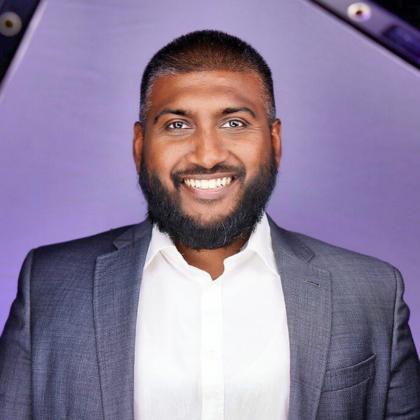
We recently connected with Andrew Lokenauth and have shared our conversation below.
Andrew, thrilled to have you on the platform as I think our readers can really benefit from your insights and experiences. In particular, we’d love to hear about how you think about burnout, avoiding or overcoming burnout, etc.
I’ve dealt with burnout multiple times during my 10+ years on Wall Street. The constant 60-80 hour weeks nearly broke me in early in my career. But I’ve developed some specific strategies that actually work (not just the usual “take walks” advice everyone gives).
The biggest game-changer for me was setting non-negotiable boundaries around my morning routine. I used to check emails the second I woke up — terrible idea. Now I don’t touch my phone until 7am. Those first 90 minutes are sacred for working out and meditation. It gave me something to control when everything else felt chaotic.
Something that surprised me was how much saying no to “optional” client dinners helped. These events that were supposedly for relationship building were just draining me further. I started declining about 60% of them, and honestly, my relationships improved because I was more present when I did attend.
I’ve found that burnout often comes from emotional exhaustion more than physical tiredness. Working with difficult personalities in banking is brutal. So I started treating my therapist appointments like critical client meetings — they get blocked on my calendar and nothing trumps them. This has been a lifesaver during high-stress periods.
The thing is, most try to power through burnout, which makes everything worse. I learned this the hard way after nearly quitting during my 4th year. Instead, I now take strategic breaks. Even if it’s just 2-3 days, I completely disconnect. No email, no calls — I give my team clear coverage plans and trust them to handle things. This reset helps me stay sharp for the next sprint.
Exercise has been crucial too. But not the typical 5am workout everyone talks about. I found what works for me is boxing — there’s something therapeutic about hitting things after a rough day of client meetings. Plus it’s time-efficient: 45 minutes of high-intensity training beats 2 hours of half-hearted gym time.
Last thing that’s made a huge difference: I stopped trying to maintain a perfect facade. Banking culture pushes this idea that we should always appear in control. Now when my team asks how I’m doing, I’m honest. “Today’s rough” or “I’m feeling stretched thin.” This authenticity actually helped others open up too, and we’ve created better support systems.
And here’s something counterintuitive — I started leaving my laptop at the office more often. The world doesn’t end if I can’t jump on something immediately at 11pm. Most fires can wait until morning, and having physical separation from work helps me recharge properly.
These changes didn’t happen overnight. It took several near-breaking points and lots of trial & error. But they’ve helped me sustain a long-term career in banking without completely burning out. The key is being proactive about it — by the time you’re fully burnt out, it’s much harder to recover.

Appreciate the insights and wisdom. Before we dig deeper and ask you about the skills that matter and more, maybe you can tell our readers about yourself?
My journey really kicked into high gear after spending 15 brutal years in finance at places like Goldman Sachs and JPMorgan. Those years taught me something crucial — most people are completely lost when it comes to money and investing. Even super smart folks with great jobs often make basic financial mistakes.
So I started TheFinanceNewsletter.com with a simple mission: break down complex financial concepts into stuff that actually makes sense. The newsletter now reaches over 100K subscribers, but what really gets me excited is the impact. Last month, a reader told me they finally started investing after being too intimidated for years — that’s what drives me.
The thing is, I never planned to build a media company. But after sharing some finance tips on social media that went viral (they hit about 500M impressions), I realized there was this massive hunger for straightforward financial advice. Now we reach about 2 million people across platforms, and the community keeps growing.
Here’s what makes us different — I’m not some random guy giving advice. I’ve actually done the work, managed portfolios, and seen how money really moves on Wall Street. When I explain concepts like portfolio diversification or market volatility, it comes from real experience, not just textbook theory.
Beyond the newsletter, I spend a lot of time advising startups and investing in early-stage companies. There’s something incredibly satisfying about helping founders scale their businesses. I’ve built my own portfolio of cash-flowing businesses too — it’s like practicing what I preach about building multiple income streams.
My advice gets picked up by places like WSJ, Forbes, and CNBC, which is cool, but what matters more is making finance accessible to everyone. The traditional financial education system is broken — it’s either too basic or too complex. We’re bridging that gap.
Right now, I’m focused on scaling our impact. We’re developing new content formats, expanding our educational resources, and building tools to help people make smarter money decisions. The goal isn’t just to reach more people — it’s to actually move the needle on financial literacy.
The best part of what I do is hearing from readers who’ve used our advice to negotiate better salaries, start investing, or launch their own businesses.
I run everything through my personal experiences — both successes and failures. When I talk about burnout in finance or the importance of multiple income streams, it’s because I’ve lived it. This isn’t theoretical advice — it’s battle-tested strategies that actually work in the real world.
So yeah, that’s my story. From Wall Street burnout to building a community of 3M+ people who want to get smarter about money. And we’re just getting started.
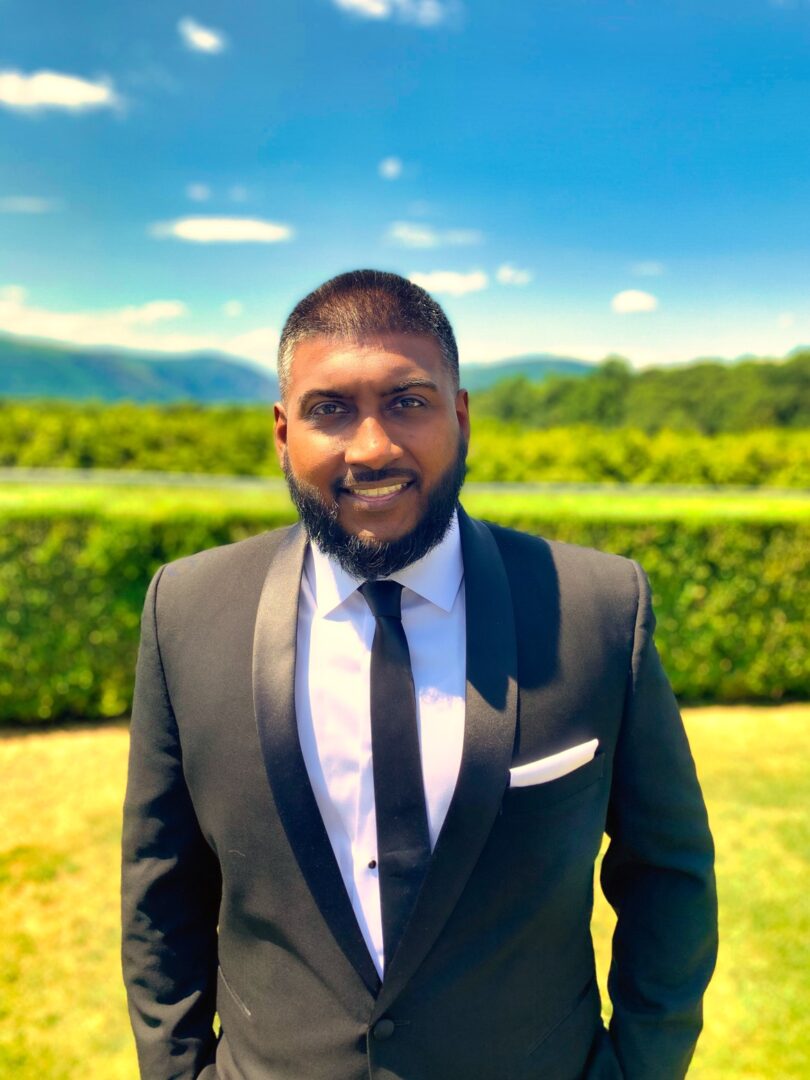
There is so much advice out there about all the different skills and qualities folks need to develop in order to succeed in today’s highly competitive environment and often it can feel overwhelming. So, if we had to break it down to just the three that matter most, which three skills or qualities would you focus on?
Relationship building turned out to be absolutely crucial — but not in the typical “networking” way people think about. During my banking days, I noticed the most successful people weren’t necessarily the smartest, but those who built genuine connections. For example, I made it a point to grab coffee with senior leaders when deals weren’t crazy busy. Not to ask for anything, just to learn their stories. One MD eventually became my mentor and sponsored my biggest career moves.
For folks starting out, here’s what worked for me: Stop thinking about networking as transactional. Instead, be genuinely curious about people. I still remember an analyst who asked thoughtful questions about my career path. She stood out because she wasn’t trying to “network” — she was actually interested. She’s now a VP at Morgan Stanley.
The second game-changer was developing strong pattern recognition skills. In finance, everything looks like chaos at first. But after analyzing many deals, I started seeing clear patterns in market behavior, deal structures, and even human psychology. This skill now helps me spot trends and opportunities way before they become obvious.
To build this skill, I’d encourage people to study case studies obsessively. When I was starting out, I read every deal memo I could get my hands on. Made notes about what worked, what failed, and why. Created my own database of patterns. It took time, but that knowledge compound interest is incredible.
The third crucial element was learning to communicate complex ideas simply. This skill literally built my current business. At Citi, I noticed even experienced professionals would zone out during technical presentations. So I developed a knack for breaking down complicated financial concepts into simple terms. This later became the foundation for my newsletter that now reaches 100K+ readers.
For developing this skill, I suggest practicing by explaining complex topics to non-finance friends. I used to explain derivatives to my artist friend — if she got it, I knew I’d cracked the code on making it simple. Also, writing helps tremendously. Start a blog or newsletter, even if nobody reads it at first.
Here’s something counterintuitive about these skills — they’re actually more valuable now than when I started in finance. With AI handling more technical work, human skills like relationship building and clear communication are becoming premium abilities.
One thing I wish I’d known earlier: these skills develop through deliberate practice, not just time served. I spent my first few years thinking exposure alone would make me better. But real growth happened when I actively worked on these areas. Started journaling about relationship dynamics, analyzed patterns intentionally, practiced communication consciously.
The most powerful approach is combining all three: Using pattern recognition to spot opportunities, building relationships to access those opportunities, and communicating effectively to capitalize on them. This combination has been absolutely critical in both my corporate career and entrepreneurial ventures.
Remember though — developing these skills isn’t linear. Some weeks you’ll feel like you’re going backwards. That’s normal. What matters is consistency over time. Keep showing up, keep practicing, keep reflecting on what works and what doesn’t.
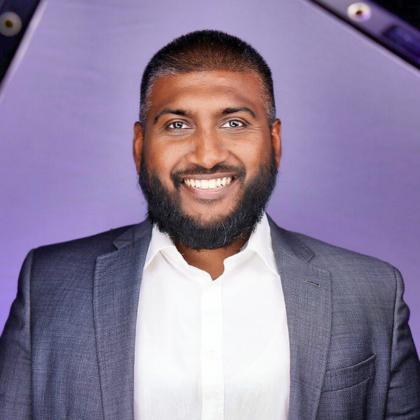
Before we go, maybe you can tell us a bit about your parents and what you feel was the most impactful thing they did for you?
Coming from Guyanese immigrant parents, the most powerful thing they did wasn’t about money or education — it was showing me what true resilience looks like. My parents left everything behind in Guyana, arriving in NYC with basically nothing. They rebuild their entire lives from scratch while keeping their dignity intact shaped everything about who I am today.
My dad worked three jobs when we first got here. He’d always say “This tired feeling is temporary, but the opportunity here is forever.” That mindset completely transformed how I approach challenges. During my roughest periods, when I was pulling those brutal 60-80-hour weeks, I’d think about him working those multiple jobs.
The thing that really stands out is how they maintained our cultural connections while pushing us to adapt to America. My mom would cook curry and roti on weekends, telling stories about life back home. She never wanted me to forget where we came from.
They were incredibly strict about education — not in the stereotypical Asian parent way of demanding straight As, but by consistently emphasizing learning as the key to freedom. When other kids got toys for Christmas, I got books. Used to hate it then, but man, that foundation of always seeking knowledge has paid off massively in my career.
Something that really impacted me was their emphasis on saving. Even when money was super tight, my parents always put something aside. I remember my mom keeping this special tin in the kitchen — she’d put a few dollars in it every single day, no matter what. That discipline around money management became second nature to me, which served me well in my finance career.
My dad also taught me this incredible work ethic that’s honestly been both a blessing and a curse. He’d always say “The AC in your office only works because someone climbed on a hot roof to fix it.” That perspective has kept me humble even after reaching senior positions on Wall Street. Though I’ve had to learn to balance it — almost burned out trying to maintain that intensity 24/7.
I’ve taken these lessons into building my newsletter and media company. That immigrant mentality of creating value, serving others, and building something sustainable has been crucial. When people ask about my business strategy, they’re often surprised it’s more inspired by my parents’ immigrant mentality than fancy MBA frameworks.
Looking back, what they gave me was a foundation of unshakeable confidence mixed with humility. The confidence to know I could rebuild from zero if needed (like they did), but the humility to remember where I came from. That combination has been priceless in navigating both Wall Street and entrepreneurship.
Contact Info:
- Website: https://befluentinfinance.com/
- Instagram: https://instagram.com/Fluent.In.Finance
- Facebook: https://www.facebook.com/FluentInFinance
- Linkedin: https://www.linkedin.com/in/lokenauth/
- Twitter: https://x.com/fluentInFinance
- Youtube: https://www.youtube.com/FluentInFinance?sub_confirmation=1
- Other: https://andrewlokenauth.com/
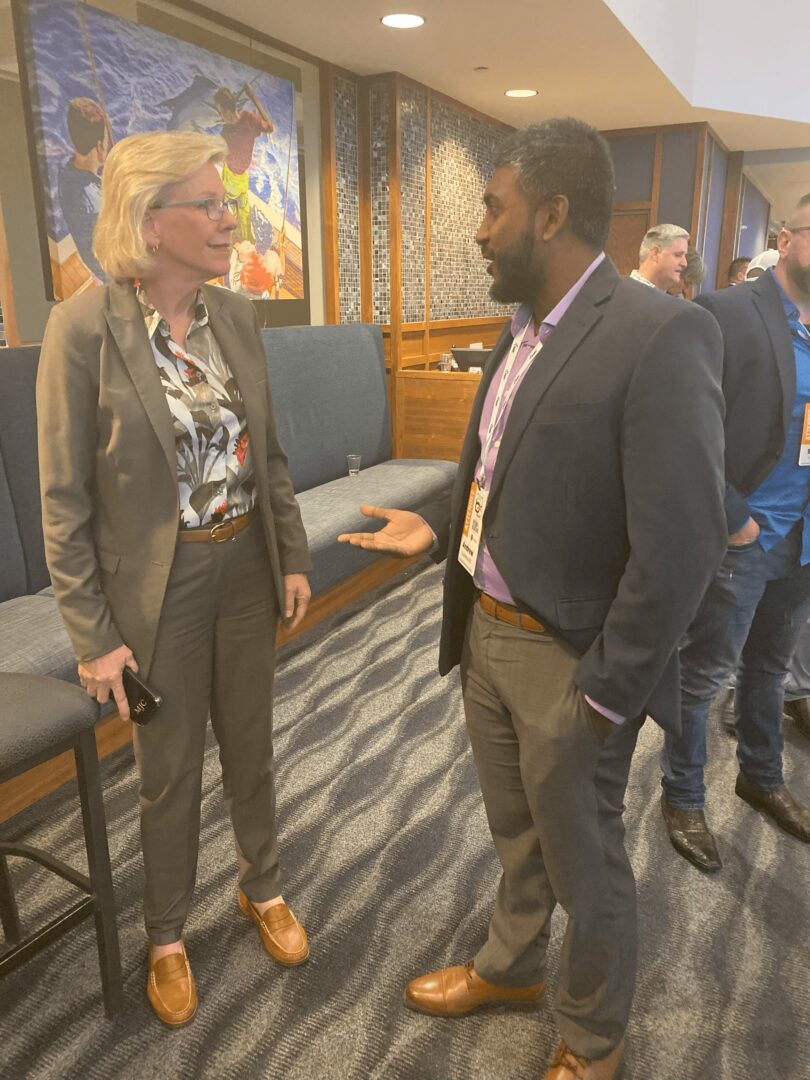

so if you or someone you know deserves recognition please let us know here.