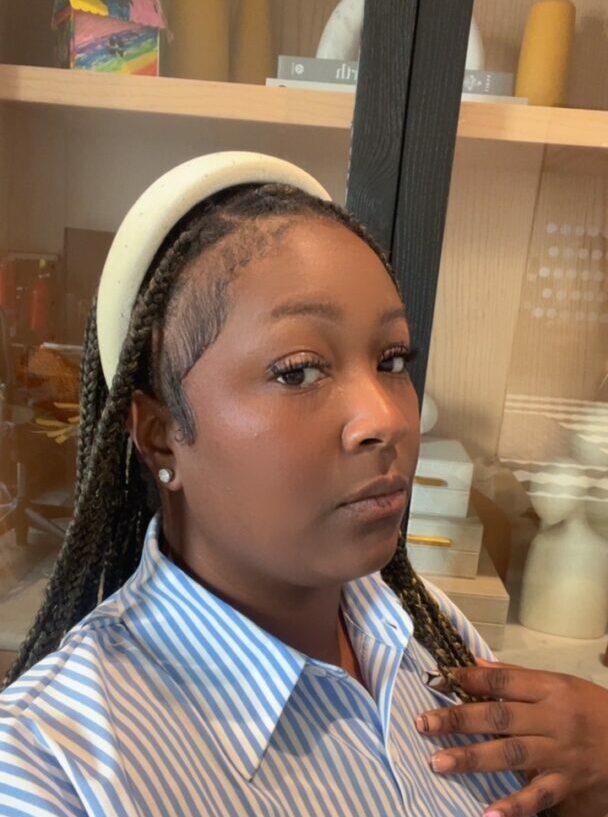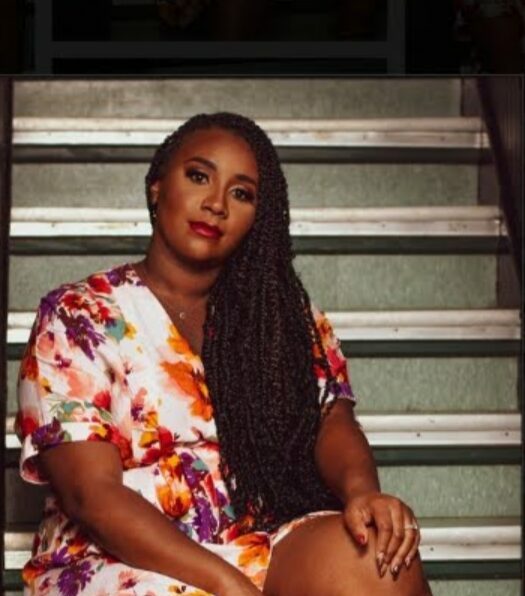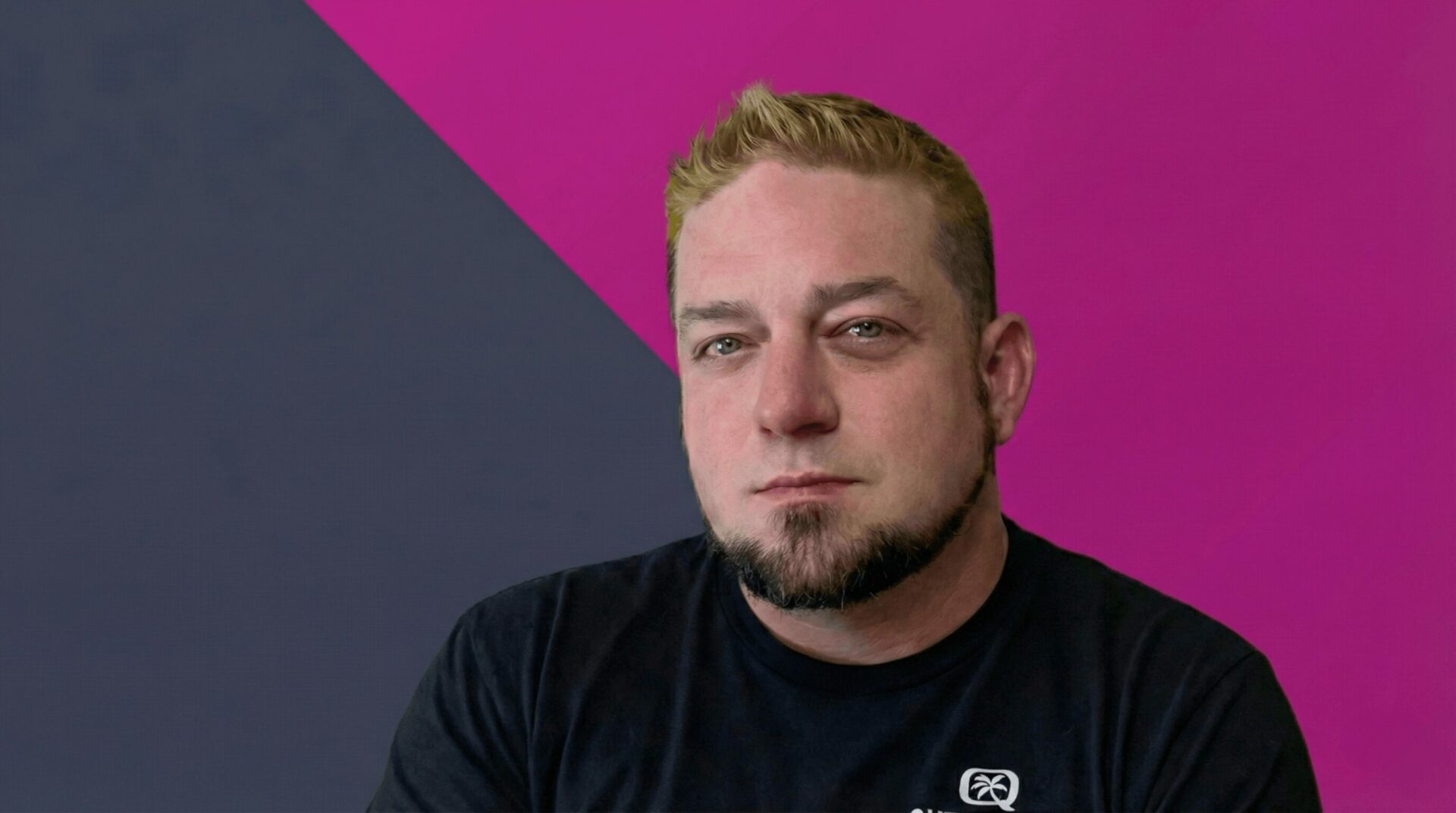
Angie Lederman is on a mission to shift the conversation around hearing — from something often ignored to a critical part of overall health. By highlighting the powerful connection between hearing, brain function, and cognitive decline, she’s helping patients understand that treating hearing loss isn’t just about sound—it’s about staying mentally sharp, socially engaged, and truly connected to life.
Angie, this year you’re intentionally shifting your messaging—can you share what’s driving that change and why educating people about the connection between hearing, brain health, and cognitive decline feels so urgent right now?
I do not think the general population understands the importance of the ear brain connection. They do not realize that ear health is an integral part of your overall health. Using hearing aids when needed sends constant stimulation to the brain, keeping it healthy and active. There are some factors that affect cognition that we cannot control (genetics), but we can control how much auditory information we send to the brain. Treating your hearing loss is the best possible ‘exercise’ you can provide your brain. Especially for baby boomers, aging is something we have difficulty adjusting to. So there may be a resistance to using hearing aids from the stigma that has always been attached to them-they make you look old and feeble. But just the opposite is true: staying engaged socially (by having better hearing) keeps you in the game, shows that you care about your overall health. Today, we are wearing lots of devices in our ears, wireless earbuds, and Bluetooth devices. The stigma from the physical appearance of a hearing aid is starting to lessen as we are used to seeing things in people’s ears.
Many people don’t realize that hearing happens in the brain, not just the ears—how do you explain the impact of untreated hearing loss on overall brain function and long-term health to patients?
Studies show that people are more afraid of cognitive decline (dementia, Alzheimers) much more than other catastrophic events (cancer, accident, etc). Teaching the ear brain connection is something that I stress to my patients because hearing loss presents very similarly to memory loss. Think about it: you cannot remember something if you didn’t hear it. And you do not know what you are missing, because you are missing it. So when a family notices ‘wow, they are becoming forgetful or losing their memory’, it could be hearing loss. A baseline hearing test and having a relationship with an audiologist is incredibly important for anyone over the age of 50.
You emphasize that hearing aids are just one piece of the puzzle and that the professional matters even more—what should people look for in an audiologist or hearing healthcare provider, and how does your clinic go beyond the minimum standard of care?
The skill set of your audiologist is just as important as the hearing aids that you wear. If someone is going to look under the hood of your car, you want an expert, right? The same goes for your ears. As with all medical care, you should feel comfortable with your professional. Trust your gut, you are usually right. If something feels ‘off’ about the office, about your professional, take a moment and think deeper. When you wear hearing aids, you are going to develop a long-term relationship with your audiologist. Make sure you like and trust them. Our office is part of a national group that adheres to Best Practices. What does that mean? Each state has its own rules and regulations for licensing. Many professionals do the minimum. We go above and beyond. Our certifying organizations have a list of voluntary things that audiologists should do if they claim to use Best Practices. Both professionals in my office have joined a group committing to Best Practices. We use extra testing and verification practices to ensure the highest level of hearing healthcare. We counsel our patients on the importance of these extra steps, so much so that when patients experience our level of care, they stay with us, often referring family and friends. In fact, our second biggest referral source is our patients, something we are very proud of!
Tinnitus can be incredibly disruptive to daily life—can you walk us through how you approach tinnitus management and the different tools you use to help patients find relief, even without a cure?
Tinnitus is an incredibly difficult and disruptive disorder. Unfortunately, there is so much inaccurate info out there on the internet. By the time someone with tinnitus finds their way to me, they have inevitably purchased some potion, pill, drink, drops from a website that claimed to cure tinnitus. There is no cure. The good news is that tinnitus is benign and most of the time it is a by product of hearing loss created by the brain in the absence of sound. There are many techniques to help lessen how much the tinnitus bothers you. Hearing aids, tinnitus retraining therapy, cognitive behavioral therapy, sound therapy and mindfulness are some of the more commonly used treatments for tinnitus management. I primarily use hearing aids. They can be effective whether you have hearing loss or normal hearing. I have looked to having relationships with other specialties. I am currently working with a licensed therapist when hearing aids are not enough. It is important to recognize when someone with tinnitus needs a referral outside of audiology. It is important to know your patients, tinnitus can be very debiliating and in extreme cases, can lead to self-harm and suicide. I am constantly looking for extra training to increase my skill set and help my patients.
As someone with advanced training in tinnitus care and a strong commitment to best practices, what do you most want people to understand about hearing healthcare that often gets overlooked or misunderstood?
The message I like to share most is that hearing healthcare is frequently overlooked by people and the medical community. Some physicians still do the ridiculous ‘whisper test’ and will stand behind their patient and whisper. If the patient hears, they dismiss any hearing concerns. But what if family Drs, PCPs, as the medical gatekeepers learned about the importance of hearing? That they sent all their patients for a baseline hearing test, just as they send for a mammogram, prostate check, blood pressure, etc. I am implementing a physician referral program to educate medical professionals to recognize the signs of hearing loss and refer when necessary. The average time from when a person notices hearing loss until they get treatment (hearing aids) is 7 years! That is way too long, you would never wait 7 years to get glasses or take diabetes meds, why would you wait 7 years to take care of your ears?
Link: