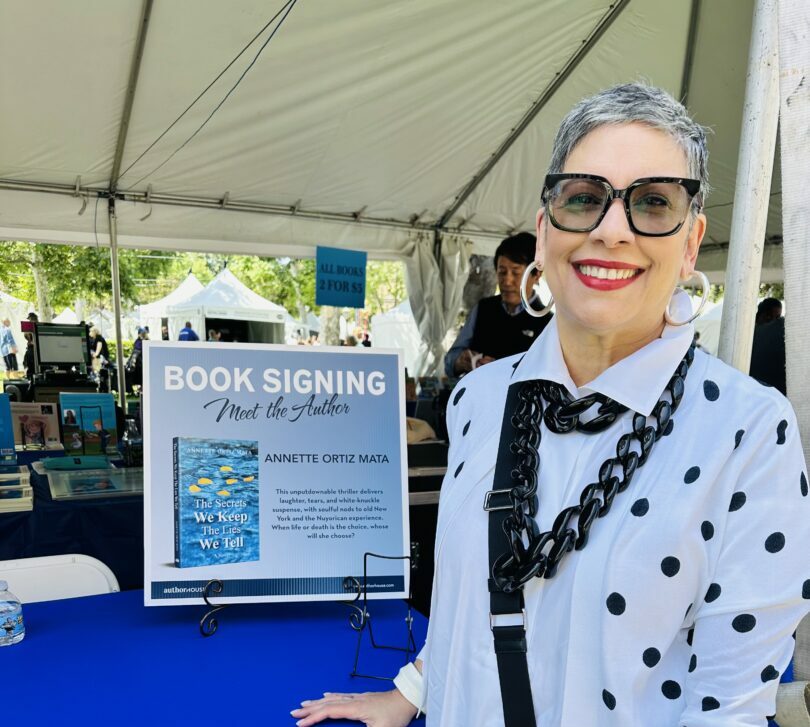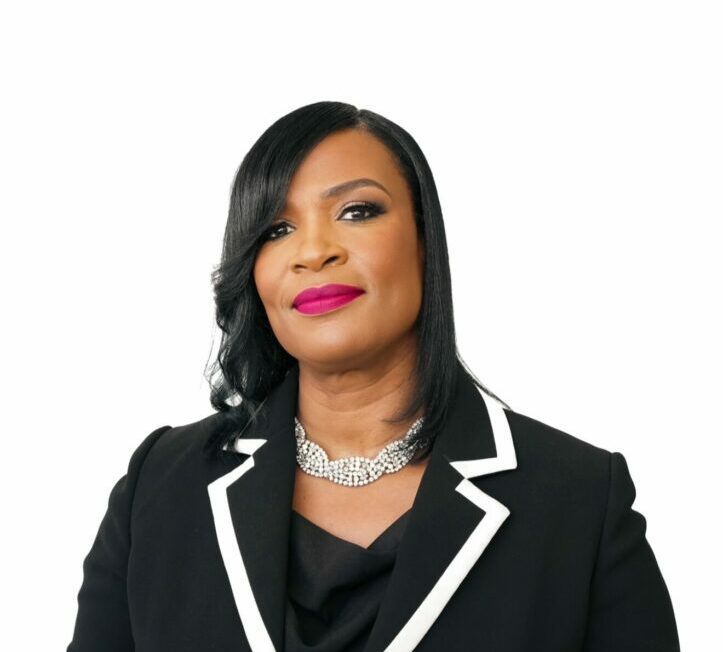
Jacqueline Roche brings a unique blend of fine art photography and nonprofit expertise to her work, shaping a communications approach rooted in observation, empathy, and truth. She identifies a critical gap in the sector: organizations are communicating constantly, yet often without a clear foundation, resulting in messages that fail to truly connect. Through her free communications audit and evolving platform, Jacqueline helps nonprofits uncover where their messaging breaks down and rebuild it with intention — focusing not just on what is said, but how it is received. Her vision is to equip mission-driven organizations with the strategic clarity needed to reflect the communities they serve, transforming communication from a support function into a powerful driver of impact.
Jacqueline, you’ve bridged fine art photography with nonprofit communications. How has your artistic perspective shaped the way you approach storytelling for mission-driven organizations?
Photography taught me to slow down before I said anything. To look at what was actually in front of me before deciding how to frame it. That practice shaped the way I approach communications work more than any methodology or framework I have encountered professionally.
When I sit with a nonprofit organization, I am not thinking about content first. I am thinking about what is true about this organization, what they are actually trying to say, and where the gap is between that and what they are currently communicating. That gap is almost always the real problem. Photography gave me the patience to find it.
The other thing it gave me is an instinct for the other side. A photograph is not finished when you make it. It is finished when someone sees it and finds something of themselves in it. Nonprofit communications works the same way. A message is not complete when it is sent. It is complete when it lands. Getting there requires asking a question most organizations skip: what does it feel like to be on the receiving end of this?
You mentioned seeing a consistent gap in how nonprofits communicate. What are some of the most common breakdowns you’ve identified over the years?
The most common problem is that nonprofit organizations are communicating constantly and still not being heard. When I dig into why, it is almost never about talent or effort. The people doing this work care deeply. The problem is structural.
Most organizations have never built a real communications foundation. They do not have shared language for who they are, who they are trying to reach, or what they are asking people to understand or do. Every staff member who creates communications is working from their own interpretation of the mission. The result is inconsistency that accumulates quietly over time until the organization’s voice feels scattered, even to the people inside it.
The second problem is that nonprofit communications is chronically under-resourced and under-prioritized. It gets treated as a support function rather than a strategic one.
Organizations invest in programs and services but not in the infrastructure that helps those programs reach the communities they are designed to serve. That is not a budgeting problem. It is a framing problem, and it has real consequences.
Website: www.jacquelineroche.co
What inspired you to create the free communications audit, and how do you see it helping organizations create more connection rather than distance?
The audit came from listening. From years of working inside mission-driven organizations, attending convenings, sitting across from executive directors, and paying attention to what kept surfacing in the data and in the conversations. The specific problems were always different. The underlying pattern was almost always the same.
Organizations were communicating without a foundation. And without a foundation, there is no reliable way to know where things are breaking down or why. Resources get spent. Efforts get made. And the gap between the organization and the people it exists to serve stays exactly where it was.
The audit exists to change the starting point. It is a diagnostic tool that gives nonprofit leaders a clear and honest picture of where their communications are actually holding and where they are not, before time and resources get directed at the wrong thing. It takes less than ten minutes. And it asks the questions most organizations have never been asked directly.
The connection piece matters to me. The distance between a nonprofit and the community it serves is not always about resources or reach. Often it is about what the communications are actually asking people to feel. Organizations that communicate with clarity, in language their audience recognizes as their own, close that distance in ways that volume and frequency never will.
Your work seems rooted in empathy and perspective. How do you help organizations better understand and reflect the communities they serve?
There are people in my life who experience the world very differently than most. That proximity has shaped the way I listen, the way I observe, and the questions I think to ask. It has made me a more careful and more honest observer of everything, including the organizations I work with.
What I have come to understand, both personally and professionally, is that the gap between a nonprofit and the community it serves is rarely about resources or reach. It is almost always about perspective. About whether the people doing the communicating have genuinely asked what it feels like to be on the receiving end of it.
Most have not. Not because they do not care, but because there is no structure in place that requires them to. The work I do builds that structure. A real messaging foundation asks hard questions about audience, about assumptions, about what an organization is actually communicating versus what it believes it is communicating. That process surfaces blind spots that content strategy alone never will.
When organizations do that work honestly, something shifts. The communication stops performing and starts reflecting. And communities that have spent years feeling unseen by organizations that exist to serve them begin to recognize themselves in the language.
Looking ahead, what is the larger vision you’re building toward with this audit and your evolving platform?
The audit is the beginning of something I have been thinking about for a long time. Nonprofit organizations doing work that genuinely matters are under-communicating, not because they lack passion or purpose, but because they have never had access to the kind of strategic infrastructure that larger, better-resourced organizations take for granted. I want to change that.
The platform I am building at jacquelineroche.co is designed to be a knowledge source for nonprofit leaders who are ready to think differently about communications. Not as a support function, but as the structural backbone of everything their organization is trying to accomplish. The tools, the writing, and the diagnostic resources I am developing are all built from the same decade of hands-on experience inside complex organizations.
The vision is simple. Every nonprofit, regardless of size or budget, should be able to communicate with the clarity and coherence their mission deserves.