“Good communication is as stimulating as black coffee, and just as hard to sleep after.” – Anne Morrow Lindbergh
Mastering communication is one of the most important building blocks for reaching your full potential. We are fortunate to have many brilliant communicators in our community and we asked some of them to share their lessons and advice below.
Faith (Fakir-Adrian) Howard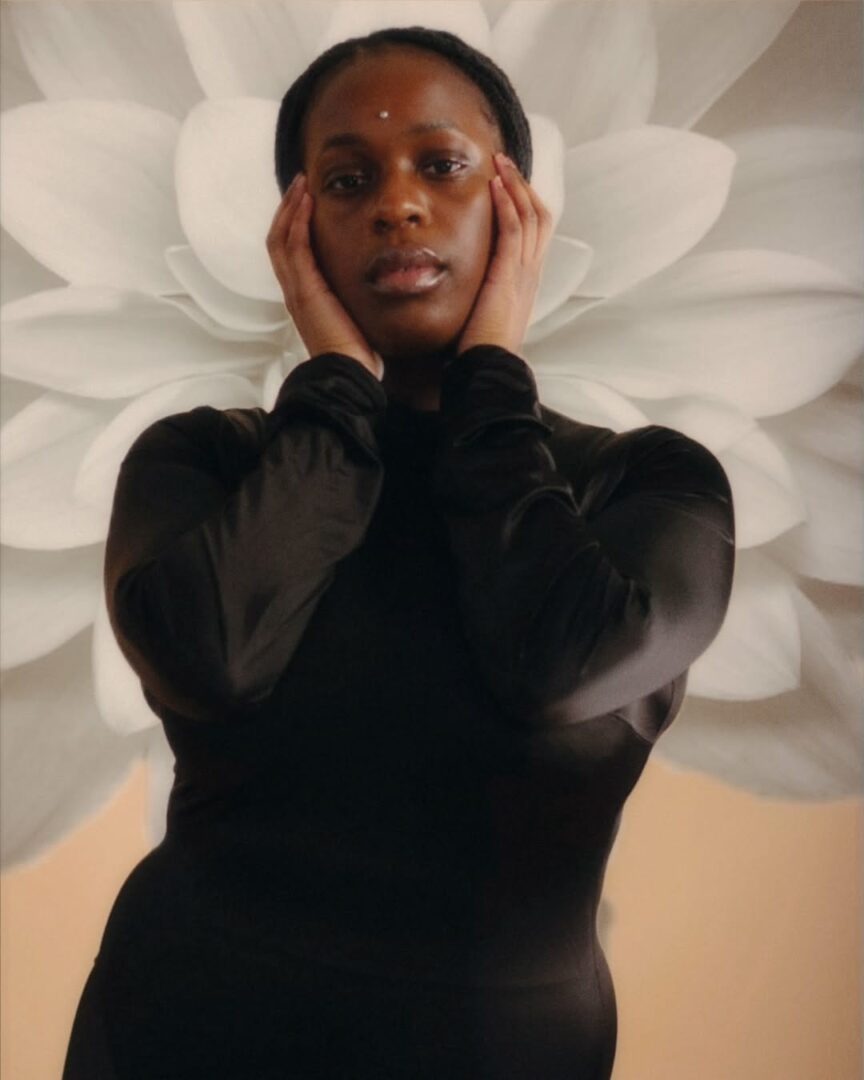
I started competitive debate in my freshman year of high school at the Detroit School of Arts. I don’t think ‘effective communicator’ is how I or others would describe me as a child prior to then, at least not off-stage. I grew up in musical theatre, and was in the same activity (albeit less musical) at my alma mater. Read More>>
Lee Cantres
My ability to communicate effectively stems from listening to others and staying focused on the facts. Through this process, I’ve learned patterns of clear, concise, and empathetic communication, allowing me to respond to and address issues effectively. Read More>>
Tracy Lamourie
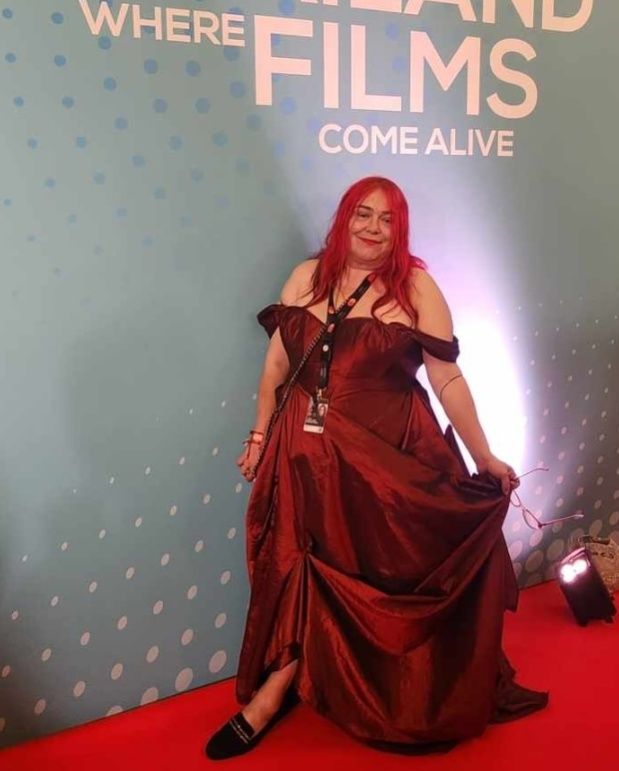
For me, it started long before PR or media work. I learned to communicate by necessity, not polish. If you can’t explain something clearly, calmly, and in a way another person can actually hear, the consequences can be real and lasting. Professionally, working as a publicist sharpened that instinct. You work with and watch people, pressure, and perception. Read More>>
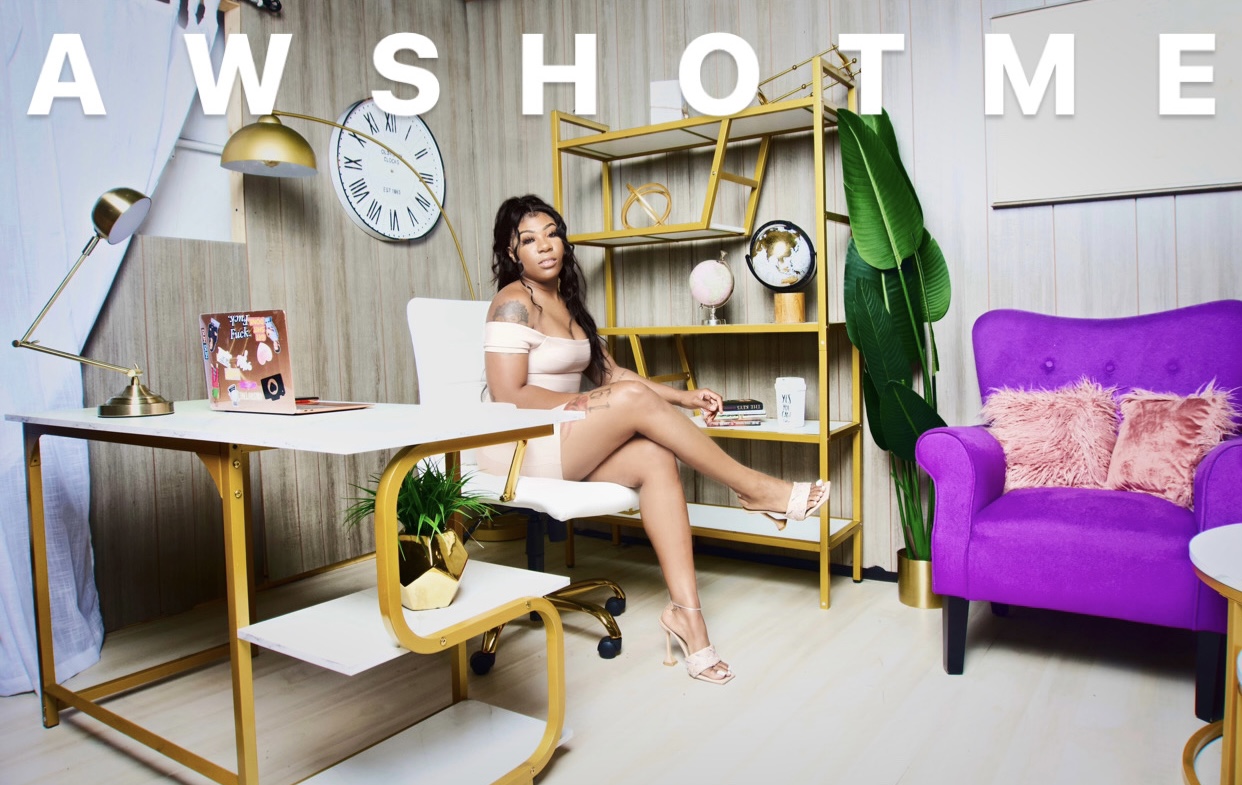
Harlequine Clay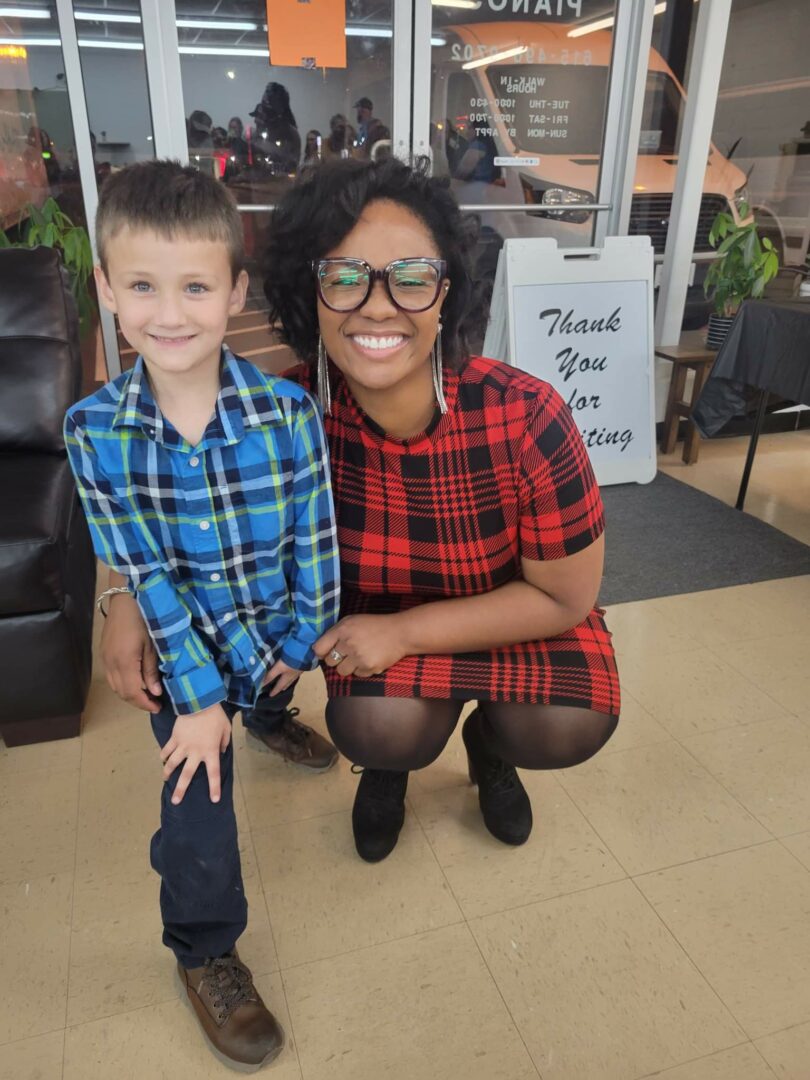
I developed my communication effectively by practicing. Communication is an art form so in speaking we have to always make sure that we are listening to understand and not listening to respond. We don’t always have to respond immediately it is okay to pause and think about your answer before you respond to the person that you are speaking to. Read More>>
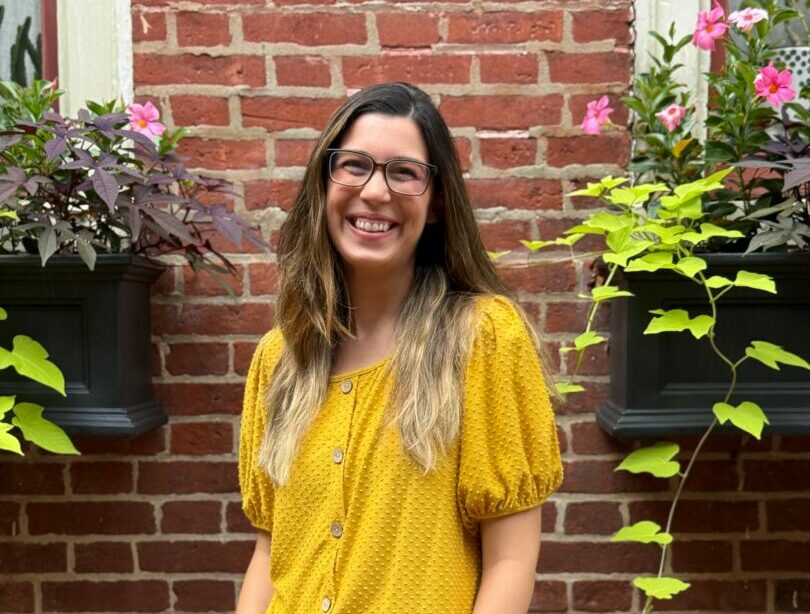
Tricia Ilena
I developed my ability to communicate effectively by working in cross-functional environments where misalignment could directly delay progress. Explaining complex design ideas to colleagues across roles pushed me to adapt my language, set realistic expectations and avoid overpromising. Having a technical background also helped me collaborate more closely with engineers and anticipate constraints early. Read More>>
Denys Shapoval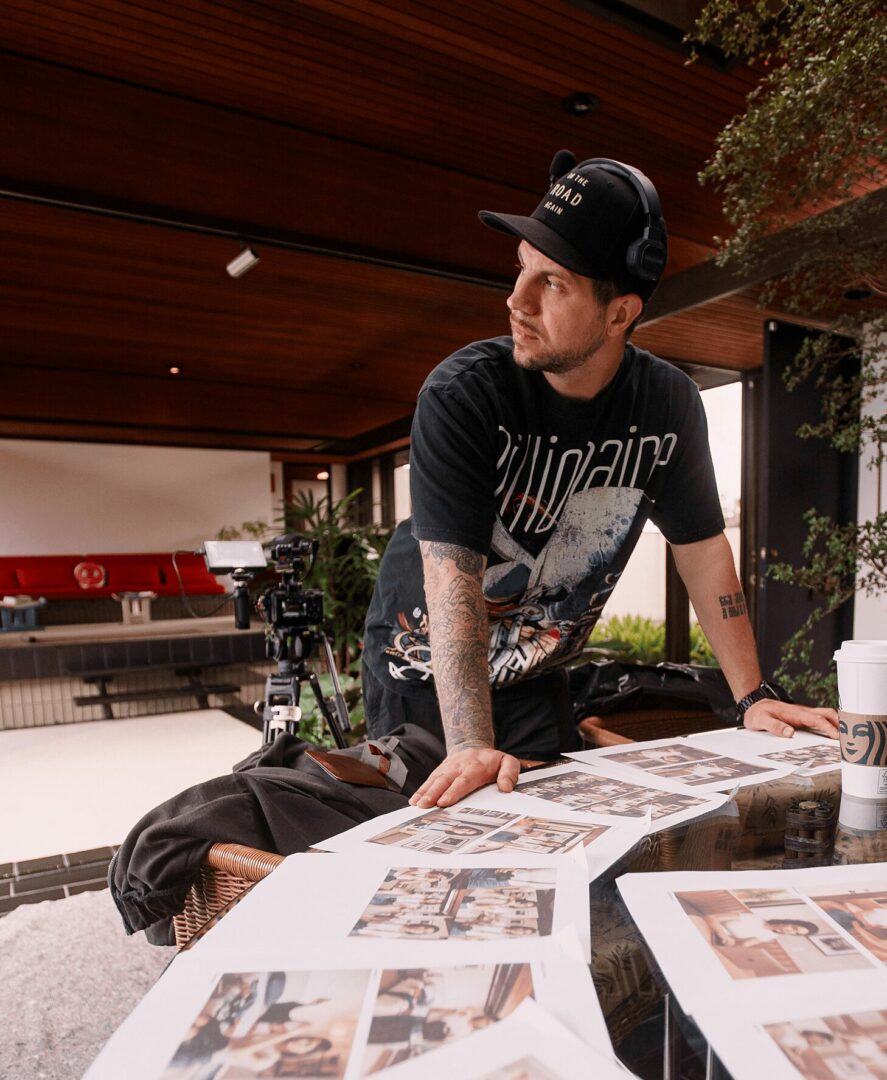
My attitude toward risk can be summed up by a simple idea: those who don’t take risks never get to celebrate victories. Real growth doesn’t happen without stepping into the unknown. Read More>>
Barbara Pavez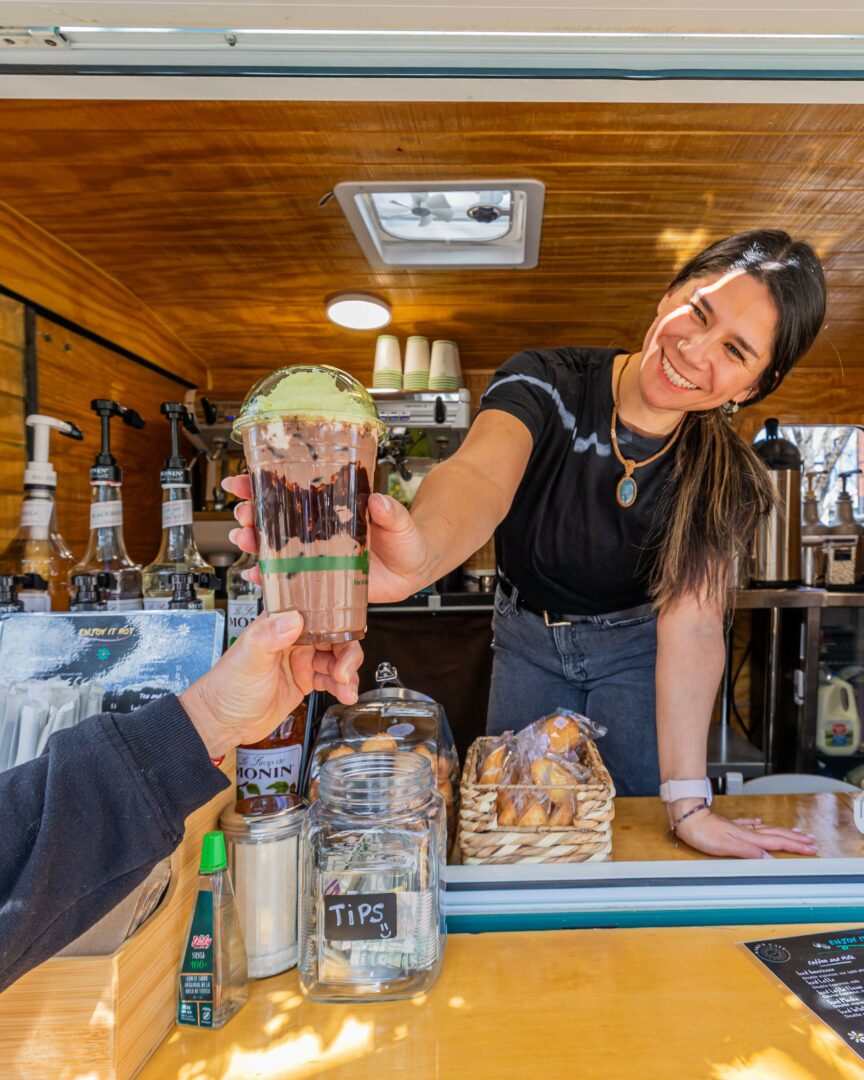
I developed my ability to take risks early in life. I’ve always been open to change and focused on constant growth. I attended 13 different schools and moved to another country, which taught me adaptability and confidence. If I could handle those changes, I trust myself to take on new risks. Read More>>
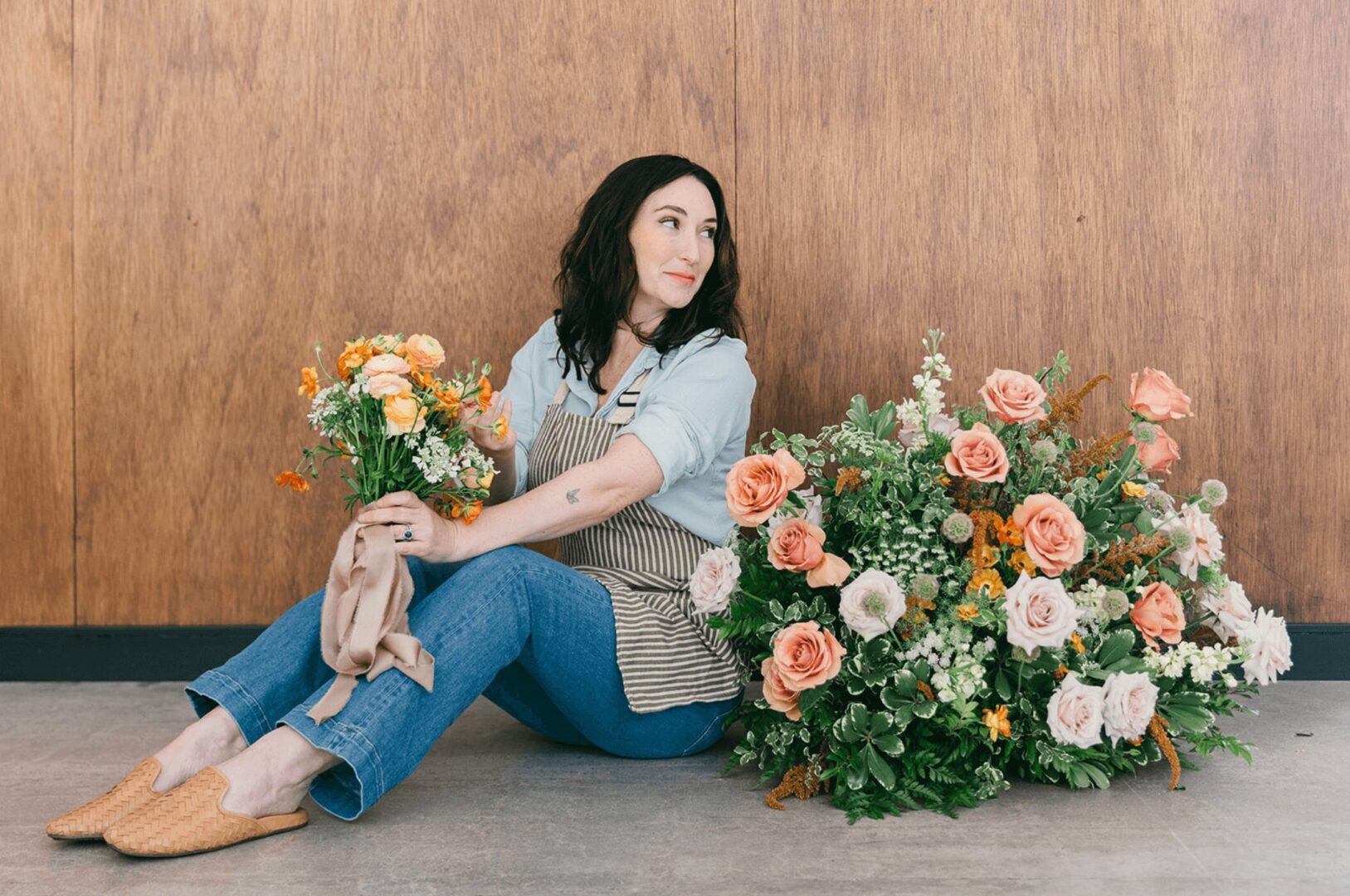
Bri Ramsey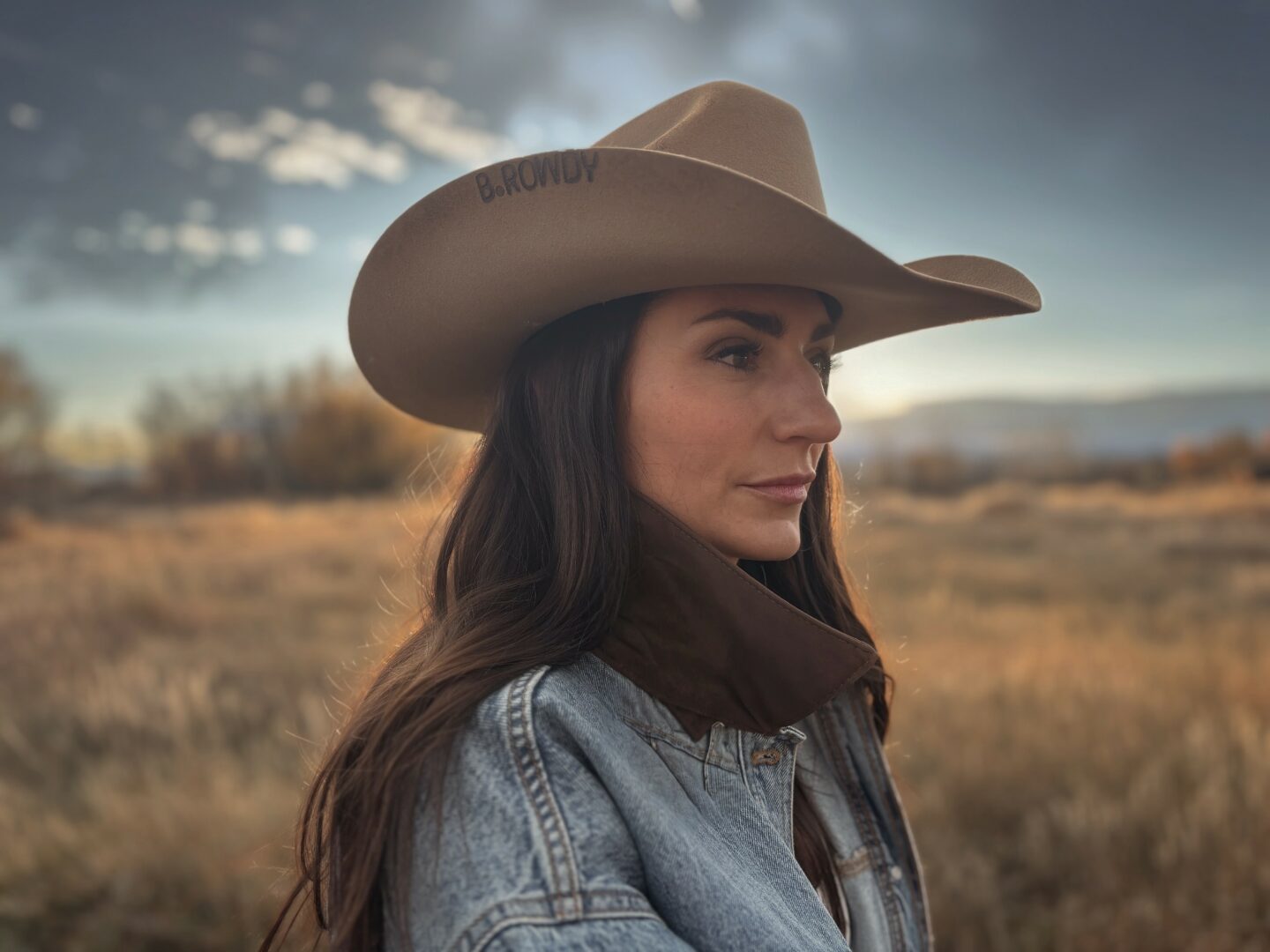
I developed my ability to take risks long before I started my custom cowboy hat business. Growing up as a competitive gymnast, I learned what it meant to push myself mentally and physically every single day—attempting new skills, trusting my training, and committing fully even when the outcome wasn’t guaranteed. That mindset carried over into entrepreneurship. Read More>>
Maria Senf Cucalon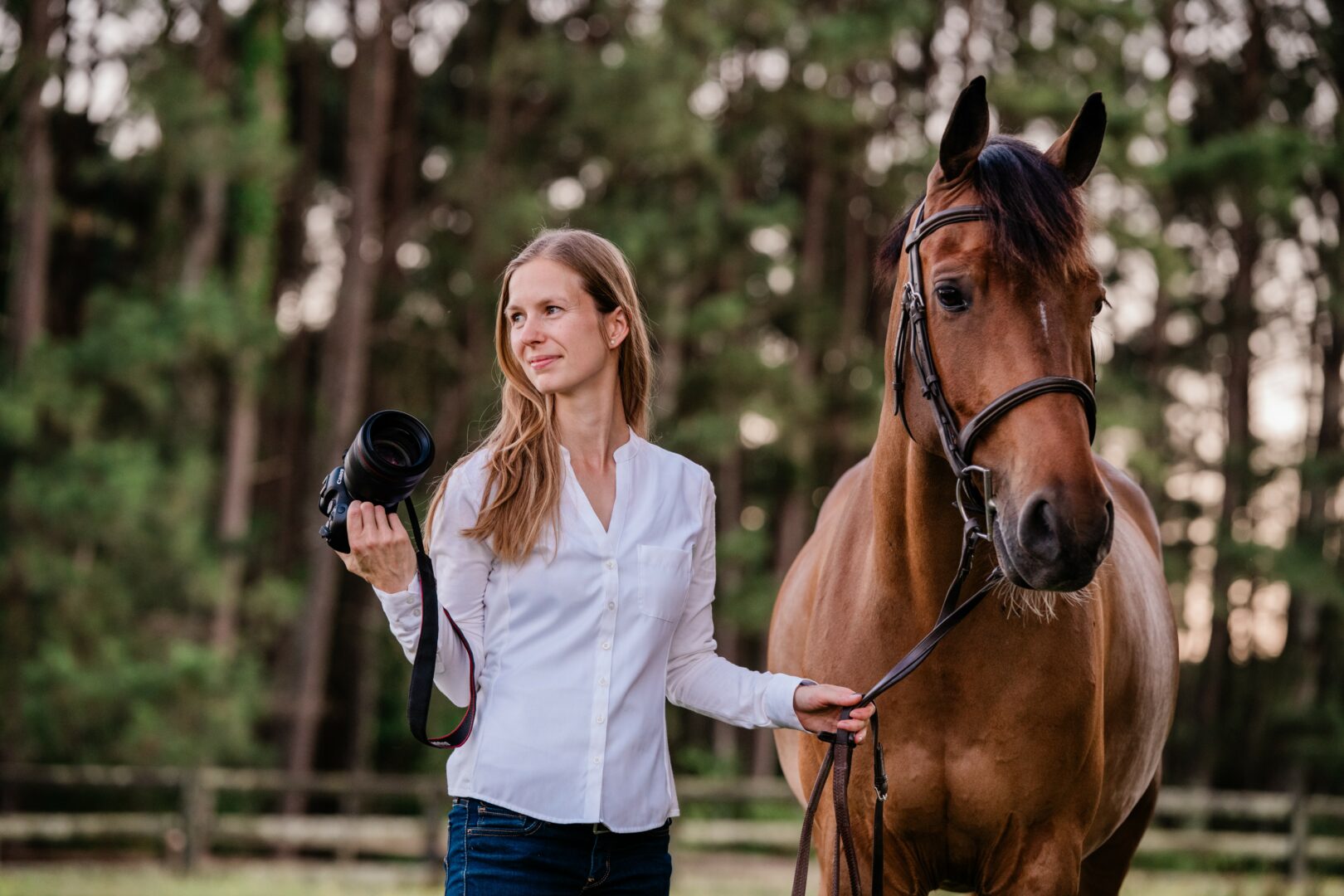
My ability to take risks came from experience, and from doing it more than once. In 2018, I left the corporate world to start my own equestrian tall boot company, Gallop Equine. It was my first time stepping fully into entrepreneurship, and it was both exciting and intimidating. Around the same time, I also began photography part-time. Read More>>
DIMA KONTAR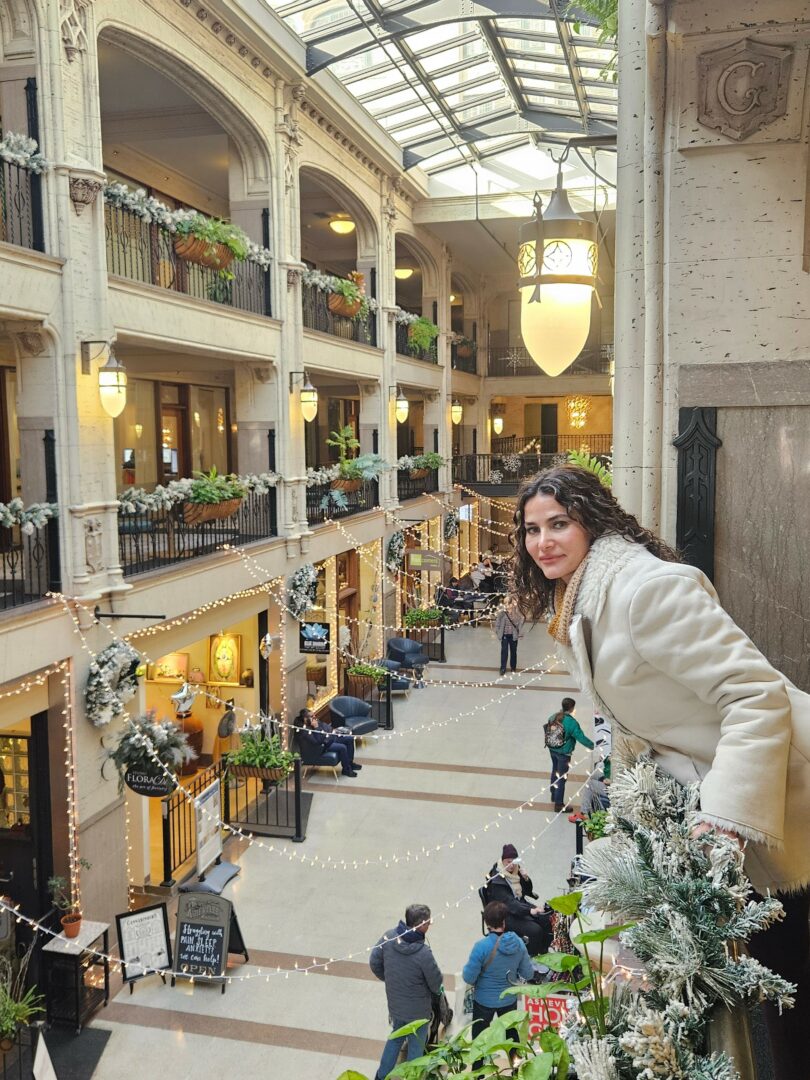
I developed my ability to take risks by learning to trust myself through experience. Motherhood, career pivots, and stepping into the public space of content creation all required me to act before everything felt perfectly secure. Over time, I realized that waiting for certainty often meant missing opportunities. Each risk—whether it worked or not—built confidence, clarity, and resilience. Read More>>
Deborah Katon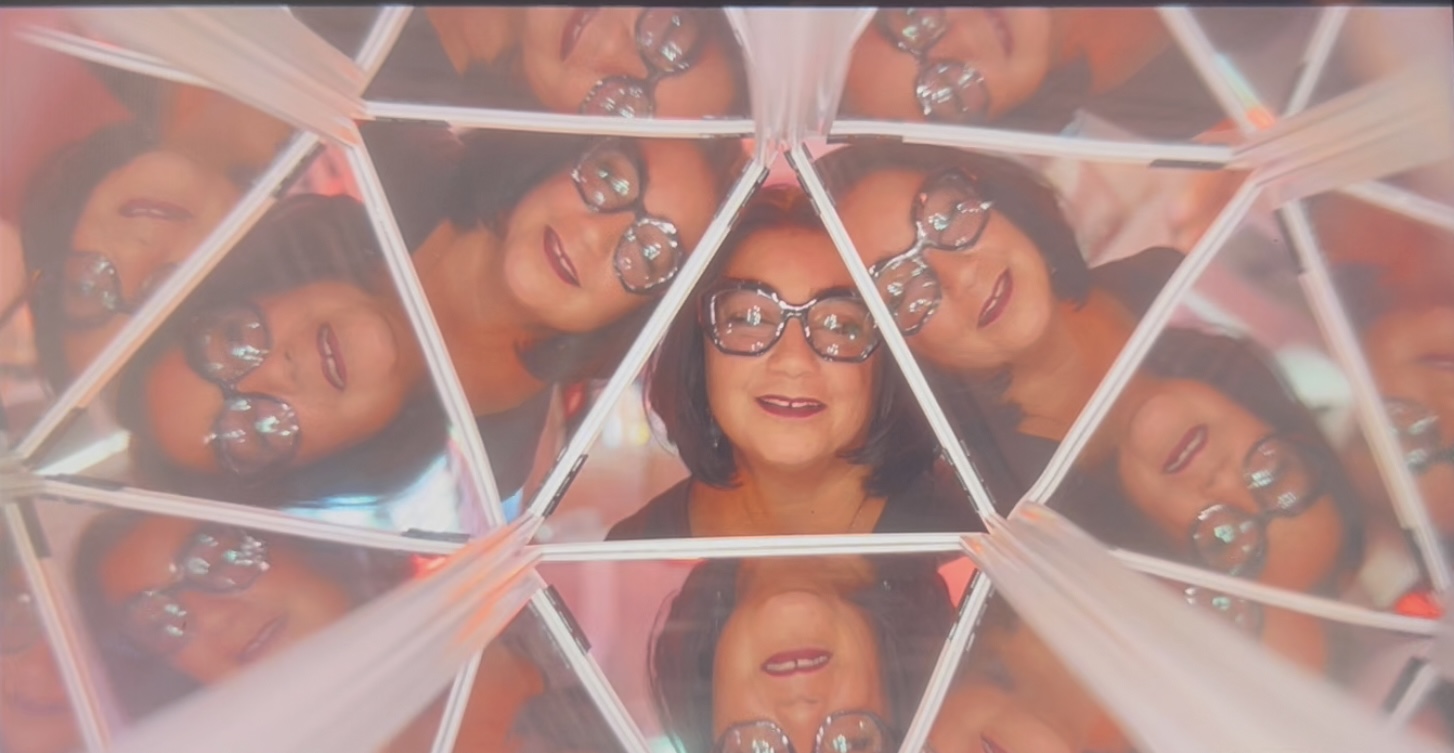
The biggest risk I’ve taken was opening the Neon Museum of St. Louis. At the time, it was far from an obvious or safe decision. My background is as a sculptor and exhibiting gallery artist. I understood the art world—how to make work, how to show it, how to teach—but I had never set out to run a museum, much less a nonprofit institution. Read More>>
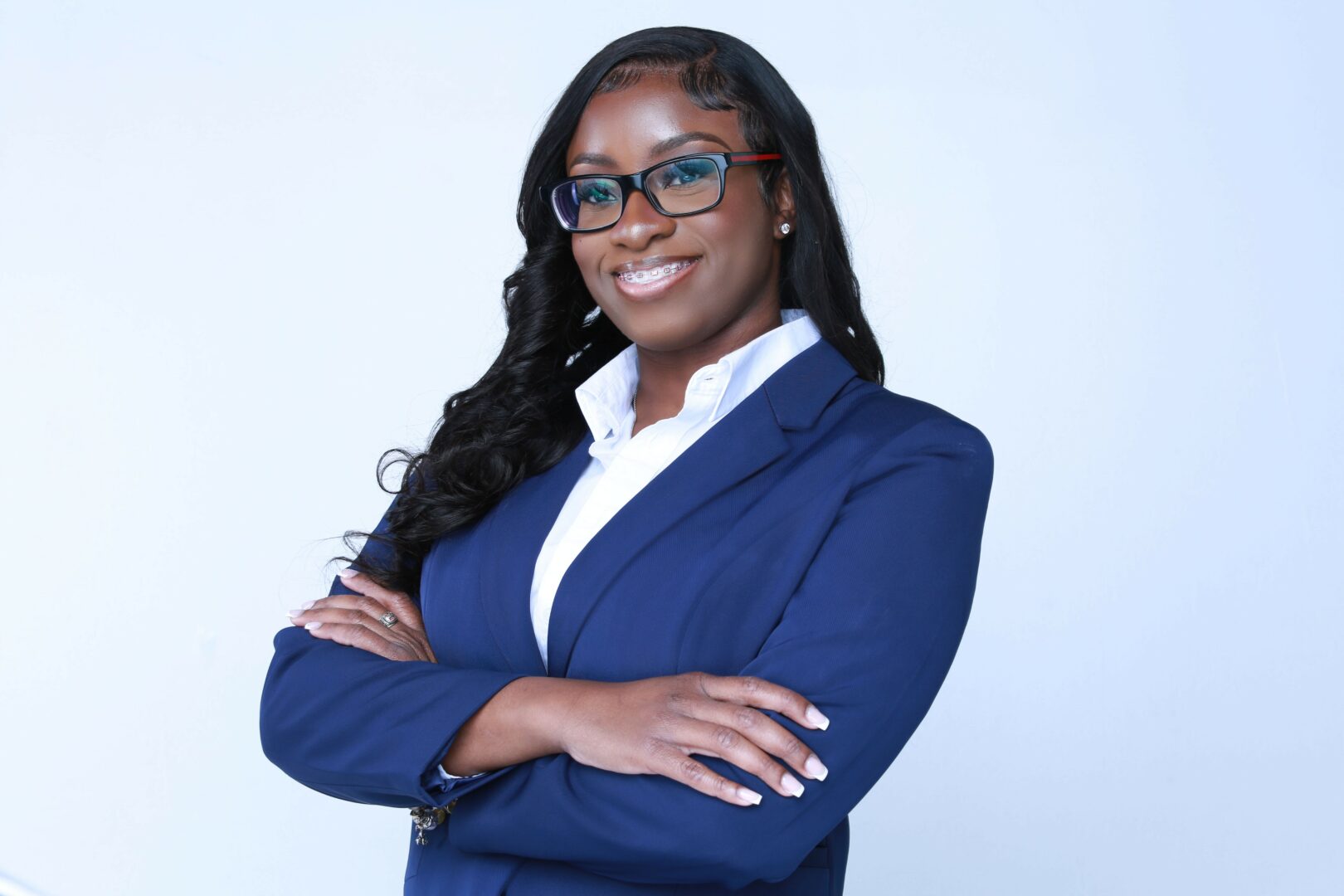
Brittany Jones
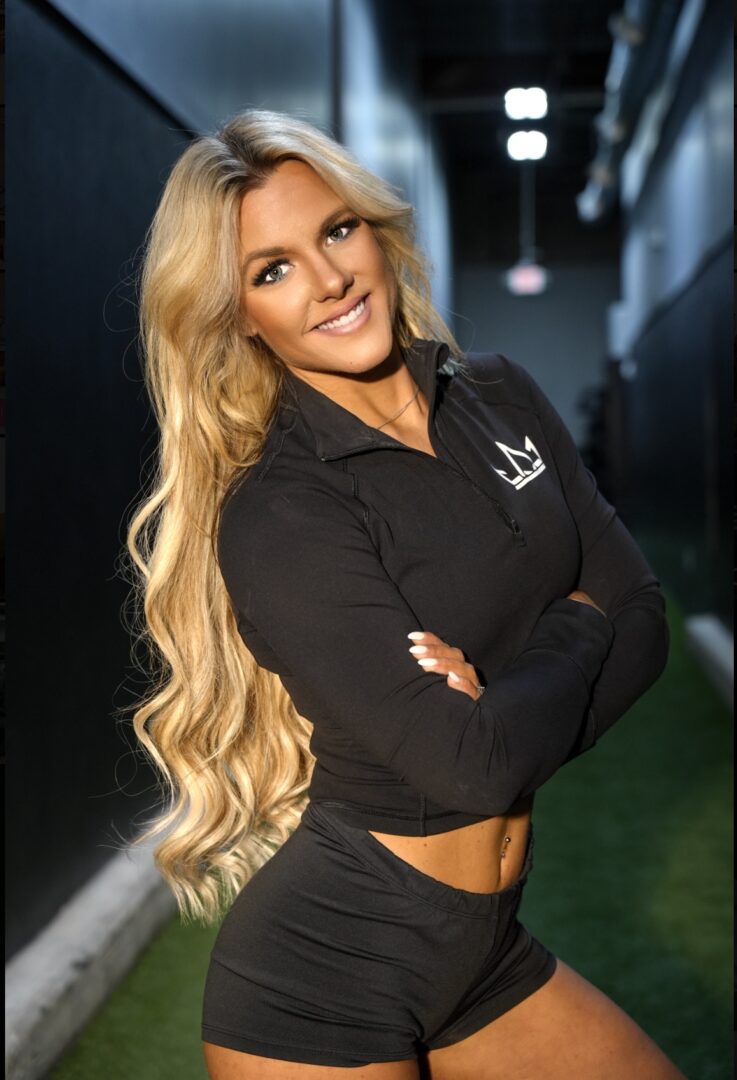
I learned how to take risks the moment I stopped choosing comfort over calling. For a long time, I was comfortable in a corporate job. It was stable. Predictable. Safe. On paper, it made sense. But deep down, I knew comfort was keeping me capped. Staying there would’ve meant ignoring the pull toward something bigger. Read More>>
Jeremy Matuszewski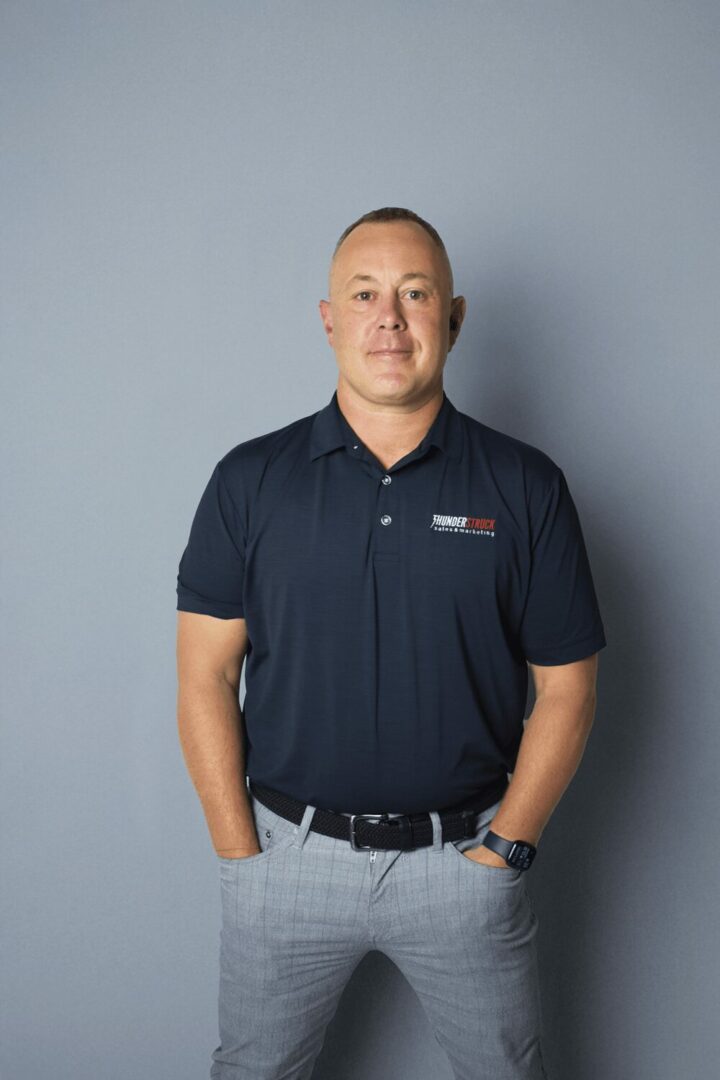
I think my ability to take risks is something I was born with, more than something I consciously developed. I have always evaluated risk differently than most people. I do not tend to focus on what could go wrong. I naturally focus on what could go right. I tend to look at opportunities through the lens of reward rather than fear. Read More>>