We were lucky to catch up with Abby Porter recently and have shared our conversation below.
Abby, thanks for taking the time to share your thoughts with us today. We’re excited to dive into your story and your work, but first let’s start with a broader topic that might be stopping many of our readers from pursuing their dreams – haters, nay-sayers, etc. How have you managed to persist despite haters and nay-sayers that inevitably follow folks who are doing something unique, special or off the beaten path?
Early on when I started, the comments from nay-sayers used to bother me more. When you’re building something that matters to you, criticism can feel very personal.
Over time, I’ve learned that not all feedback deserves attention and weight. Some of it is valuable and helps you grow… but a lot of it is coming from people who aren’t in the “arena” and don’t understand your situation.
What’s helped me persist is staying grounded in the bigger picture: our mission, impact, and the people.
You don’t need everyone to believe in what you’re doing. You just need to keep showing up and doing the work.
Thanks, so before we move on maybe you can share a bit more about yourself?
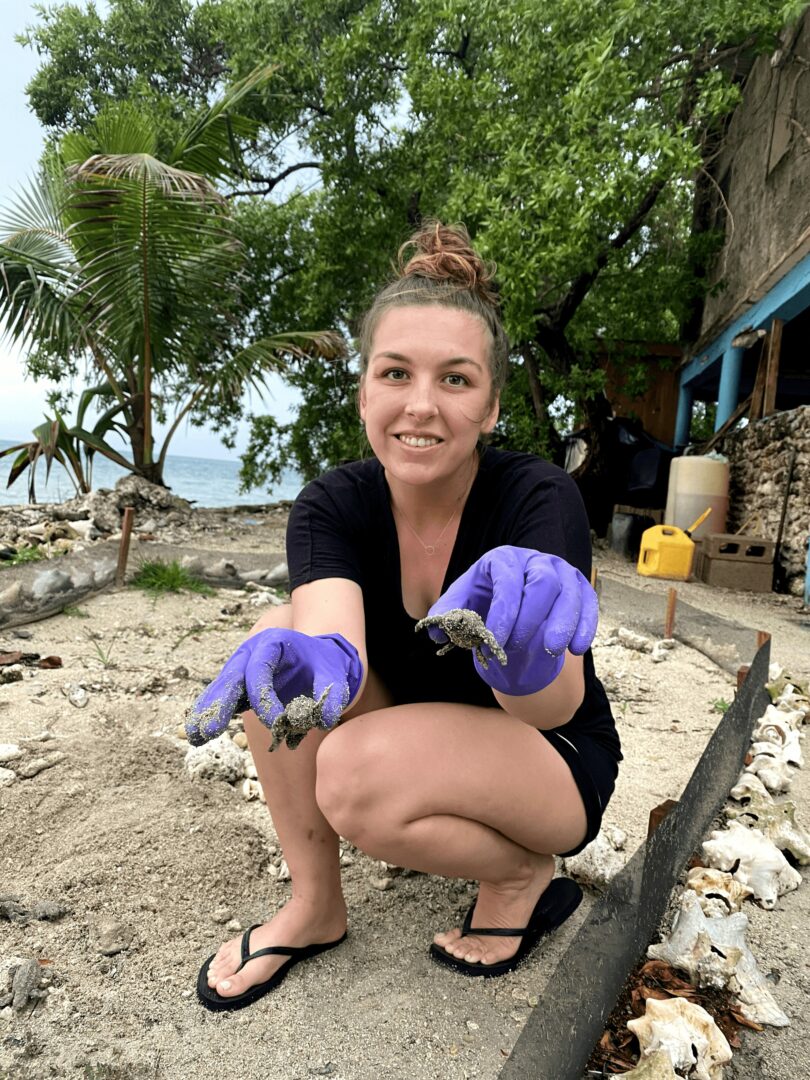
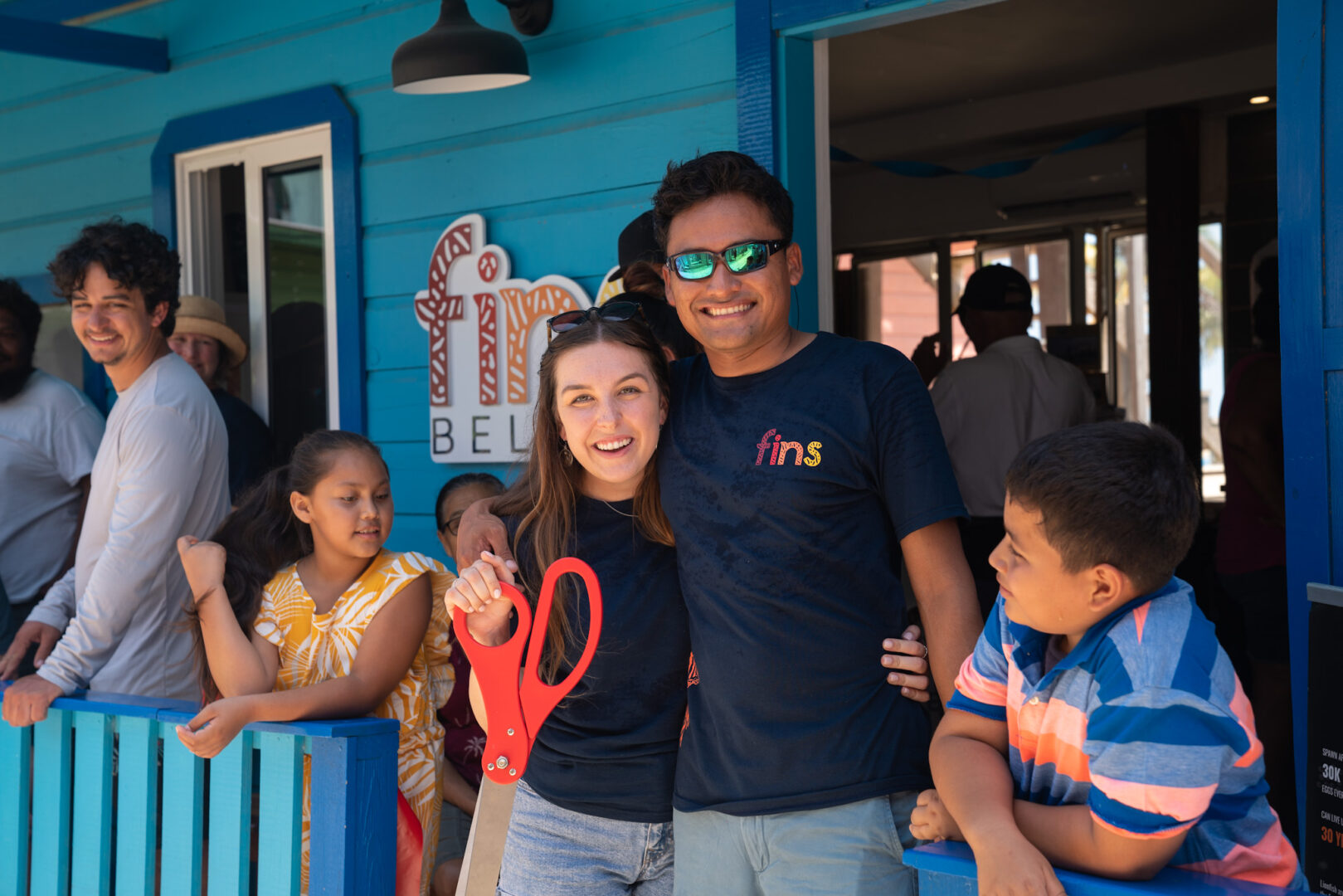
I’m building FINS Belize, an organization that brings together marine conservation, tourism, and sustainable product development.
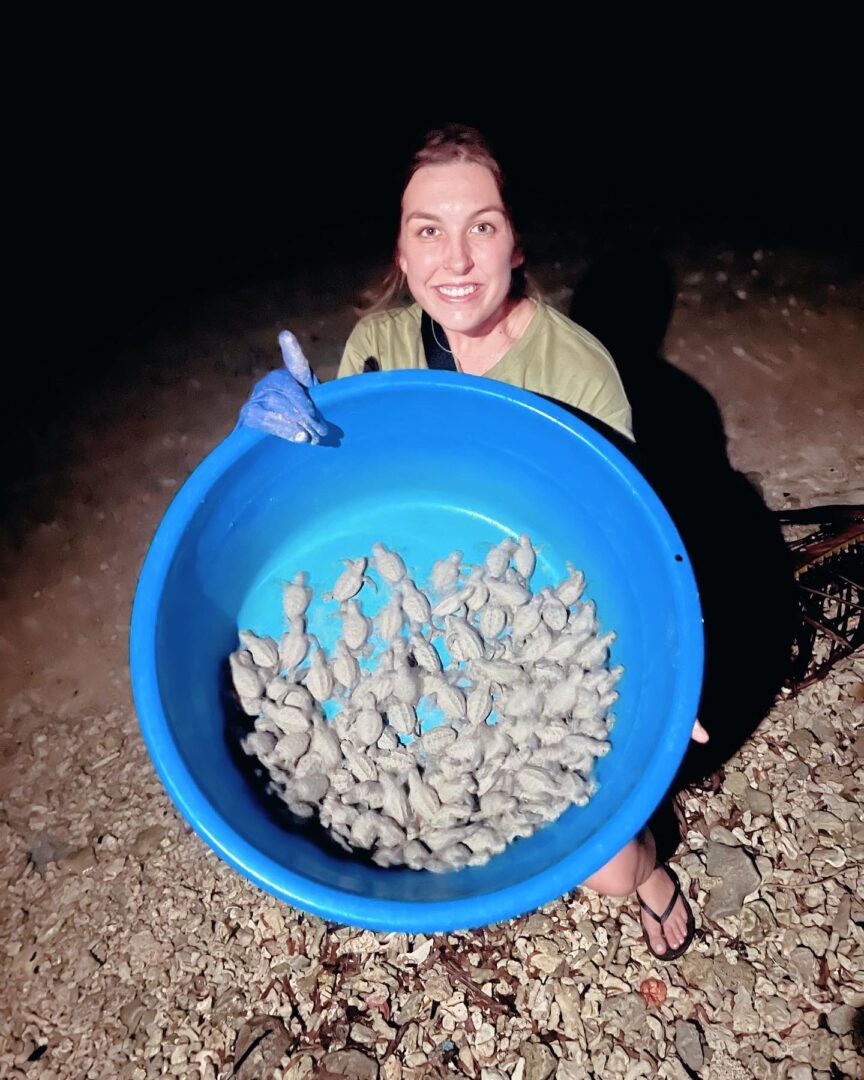
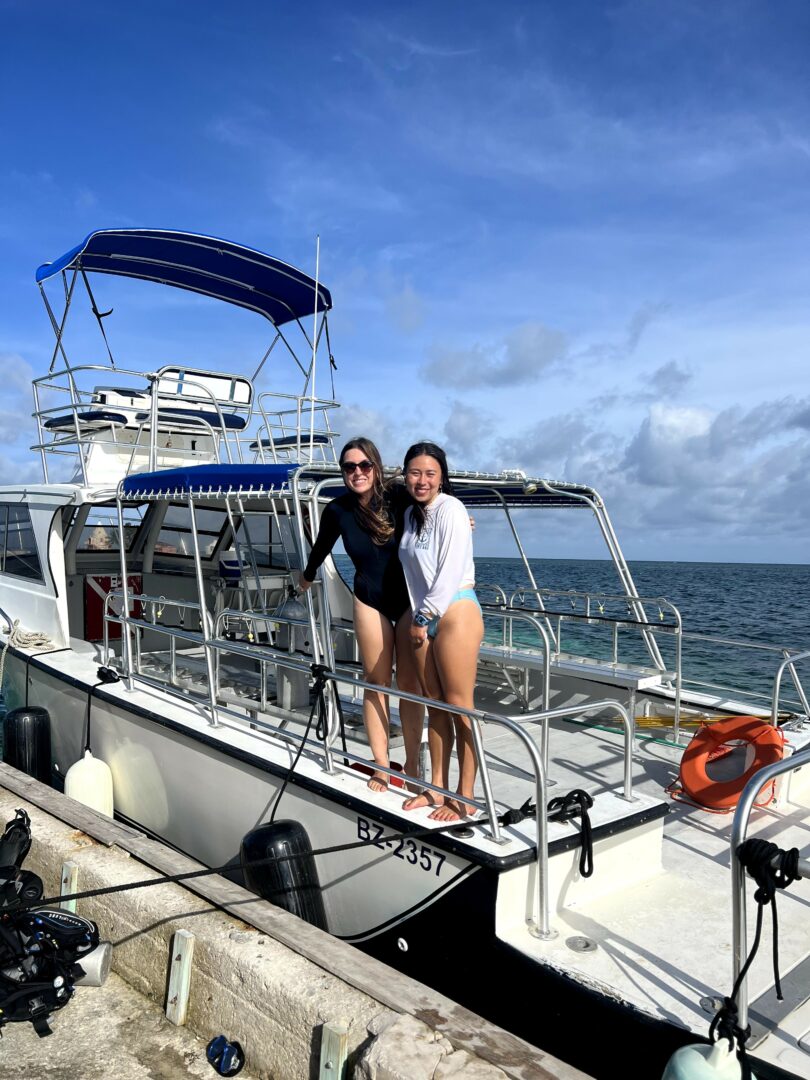
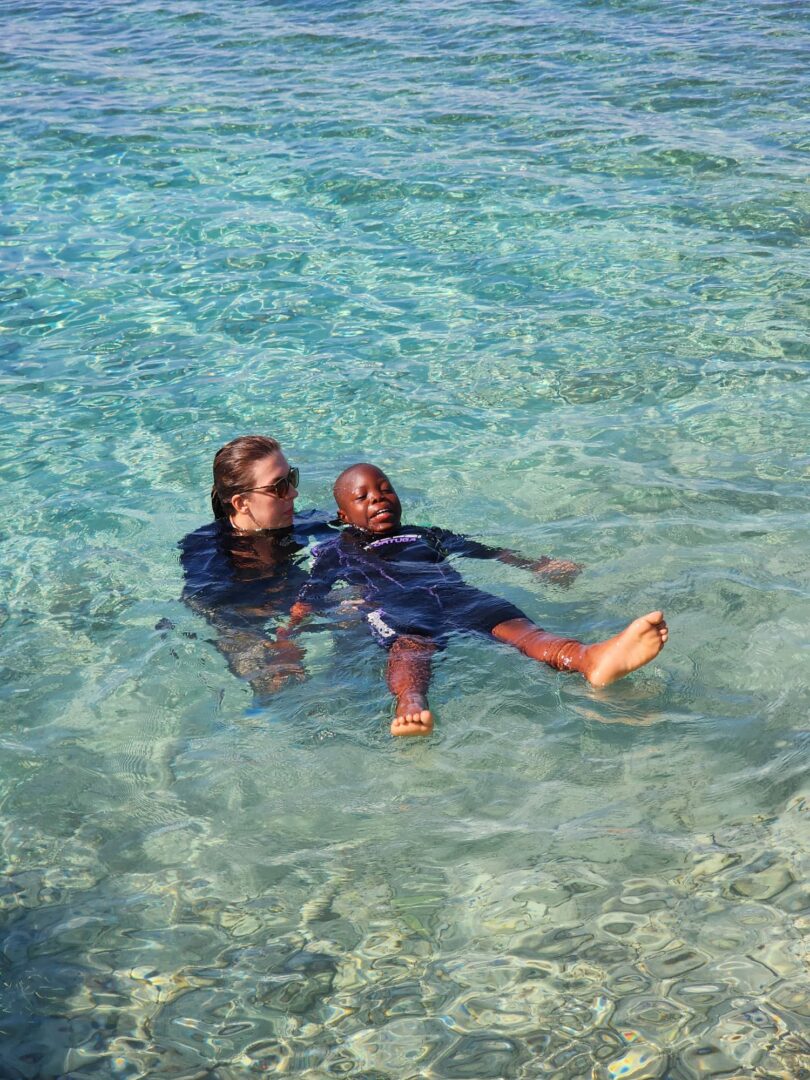
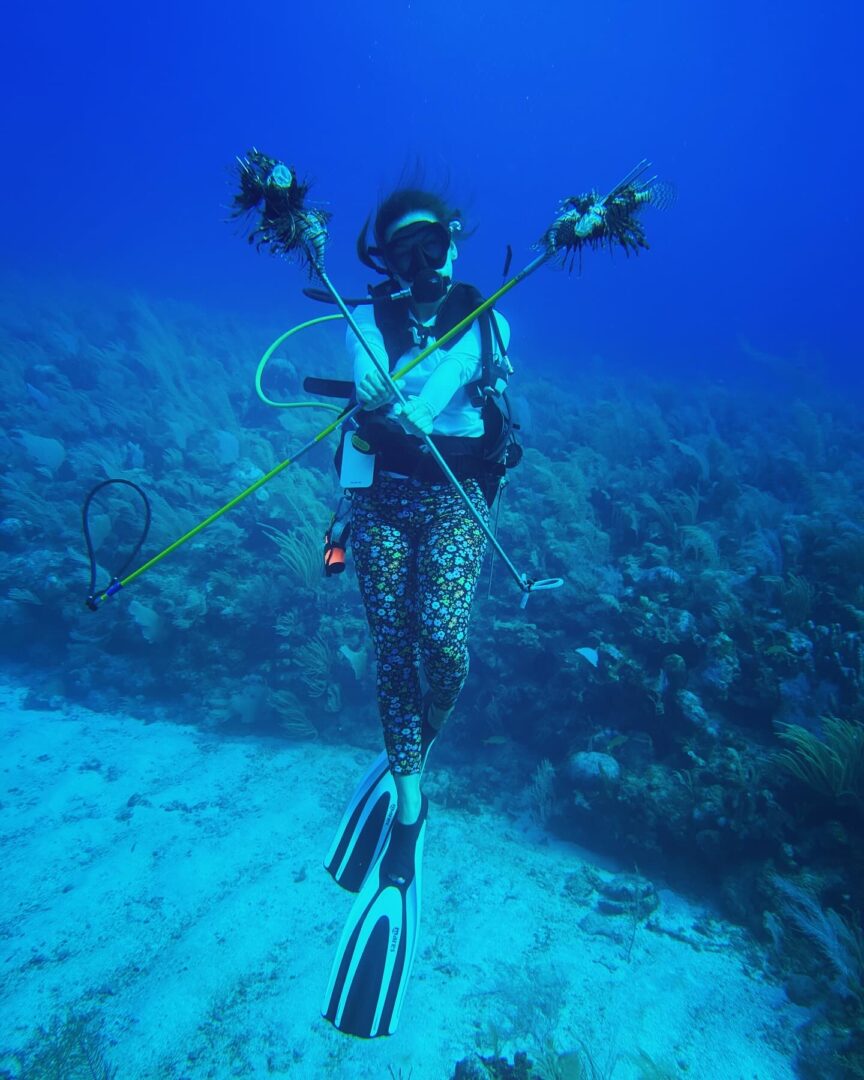
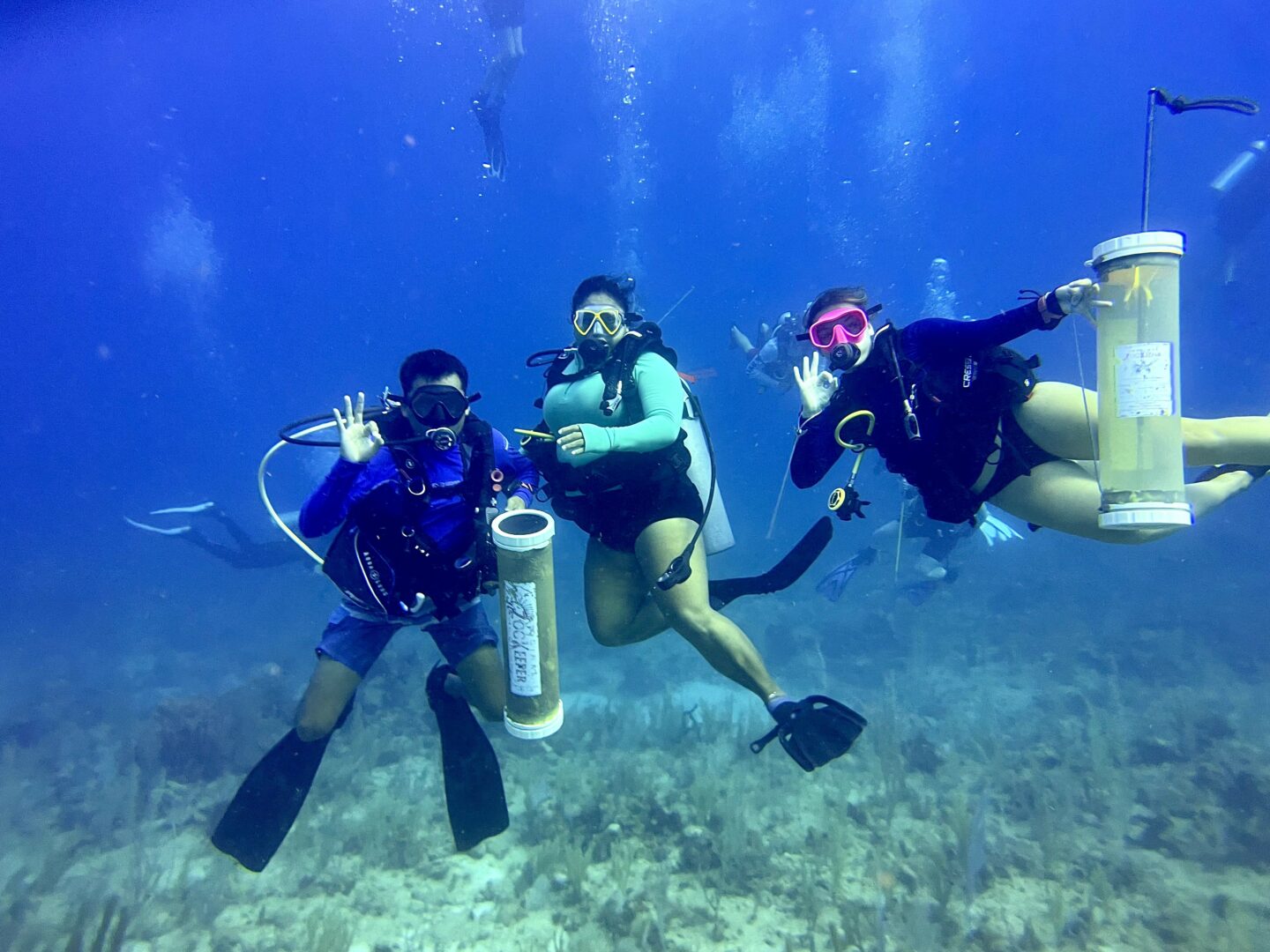
We run ocean-based programs where people don’t just watch conservation, they participate in it. That includes scuba diving, invasive species removal, and hands-on exposure to protecting coral reef ecosystems in Belize.
What sets us apart is that we’ve built a full loop around the problem. Lionfish are one of the most destructive invasive species in the Caribbean, so we remove them from the reef, process the byproducts, and turn them into products that fund further conservation work. It creates a system where impact isn’t dependent on donations alone.
Right now, the most exciting part is building something that’s both meaningful and scalable. We’re expanding our programs, developing our guest experience, and continuing to develop products that connect people back to the mission in a tangible way.
We are rethinking how conservation is funded, experienced, and carried out.
If you had to pick three qualities that are most important to develop, which three would you say matter most?
Looking back, three things have made the biggest difference in our business are: adaptability, being scrappy, and the ability to execute with intention.
Adaptability is important because nothing goes according to plan, especially when you’re building something in a challenging environment. Being able to pivot quickly without losing momentum is critical.
Being scrappy is what keeps things moving when you don’t have perfect conditions, funding, or support. A lot of progress comes from figuring things out with what you have instead of waiting for ideal circumstances.
And execution is everything. Ideas are easy. Talking about impact is easy. Actually doing the work consistently, especially when it’s not fun or glamorous, is what separates people who build something from people who don’t.
Before we go, any advice you can share with people who are feeling overwhelmed?
When I feel overwhelmed, it’s usually because I’ve let too many things stack up without stepping back and refocusing.
I pause and make a full list of everything I’m juggling. A professor and mentor, Dr. Jim Friedman, once described it as spinning plates. Each one needs consistent attention, and if you ignore one for too long, it drops. That’s exactly what it’s like.
Once everything is in front of me, I start pruning. Some things get removed entirely, some get pushed, and a few stay as priorities.
The pruning process is what brings things back under control. Without it, everything starts to feel equally urgent and chaotic.
The biggest shift for me has been realizing that managing overwhelm isn’t about working harder, it’s about getting clearer and being willing to let some things go.
Contact Info:
- Website: FinsBelize.com & FinsFoundation.org
- Instagram: https://www.instagram.com/finsbelize/?hl=en
- Facebook: https://www.facebook.com/finsbelize/
- Linkedin: https://www.linkedin.com/in/abby-porter/
so if you or someone you know deserves recognition please let us know here.