We caught up with the brilliant and insightful Eric Dandurand a few weeks ago and have shared our conversation below.
Hi Eric, thanks for sharing your insights with our community today. Part of your success, no doubt, is due to your work ethic and so we’d love if you could open up about where you got your work ethic from?
I think my work ethic comes directly from my parents and grandparents. They were always up early and getting started on their day, and that “early bird catches the worm” mentality was built into me from a young age. Over time, early rising and early nights became a habit and eventually a preference. I tend to start my days early and value having quiet, uninterrupted time to focus. Starting early is one of the most productive and grounding parts of my routine, and it allows me to work with clarity and intention.
A pursuit of excellence was also instilled in me early on by my grandfather, who was an expert woodmaker. His influence, along with the influence of the glassblowing community, embedded in me a deep respect for craftsmanship and a desire to make quality work. In my experience, success in anything meaningful requires time, perseverance, and consistency. More than talent, I believe grit, the willingness to keep showing up and pushing forward, is the most important ingredient of all.
That approach to work strengthened in my late twenties as my desire to blow glass and be independent grew. It intensified further in my early thirties when my twin daughters were born, when my drive to succeed as an artist became closely tied to providing for my family.
My work ethic continues to evolve. I still put in long days in my mid-fifties, and while I hope to ease up somewhat over time, those habits are well ingrained.
Great, so let’s take a few minutes and cover your story. What should folks know about you and what you do?
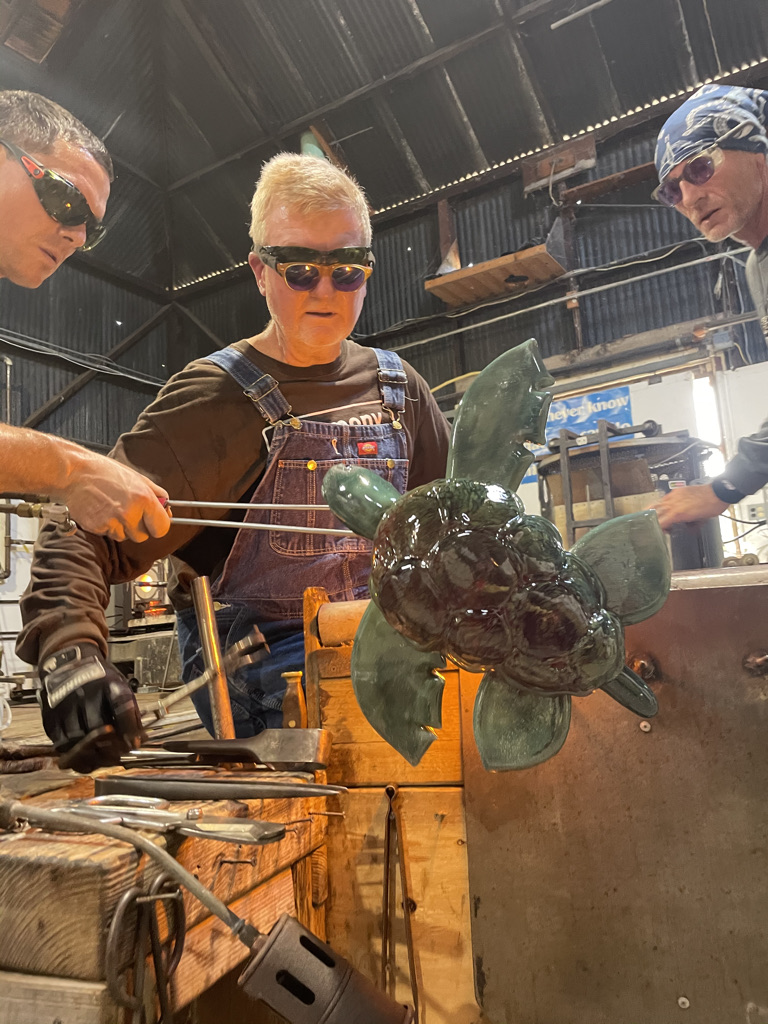
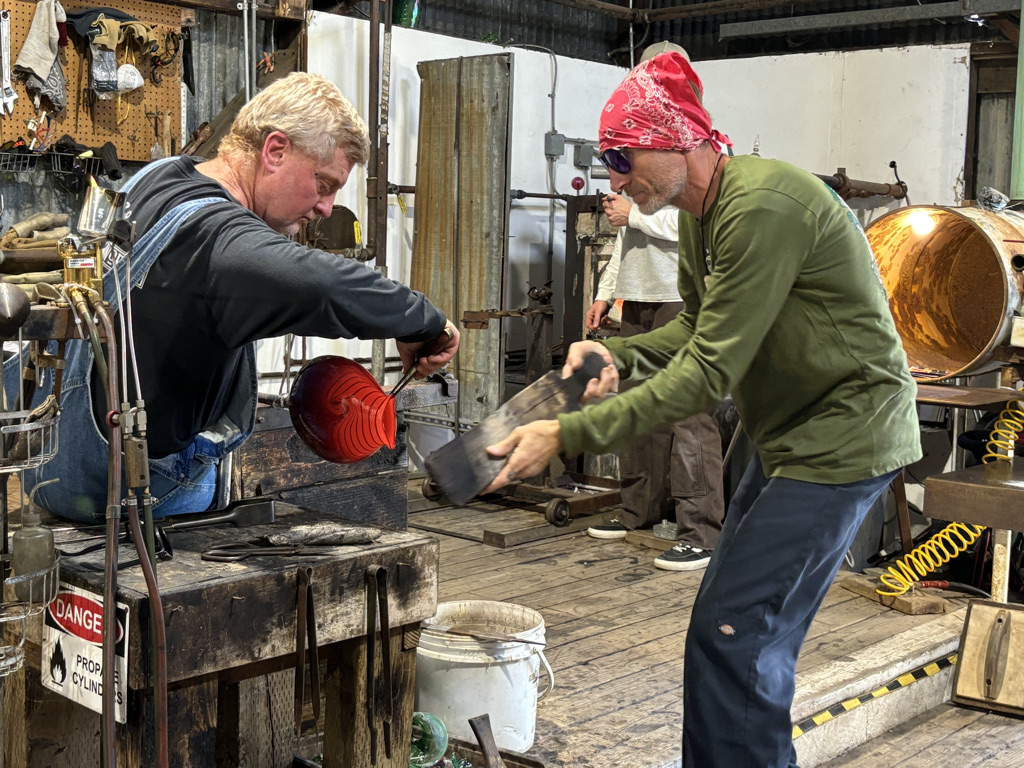
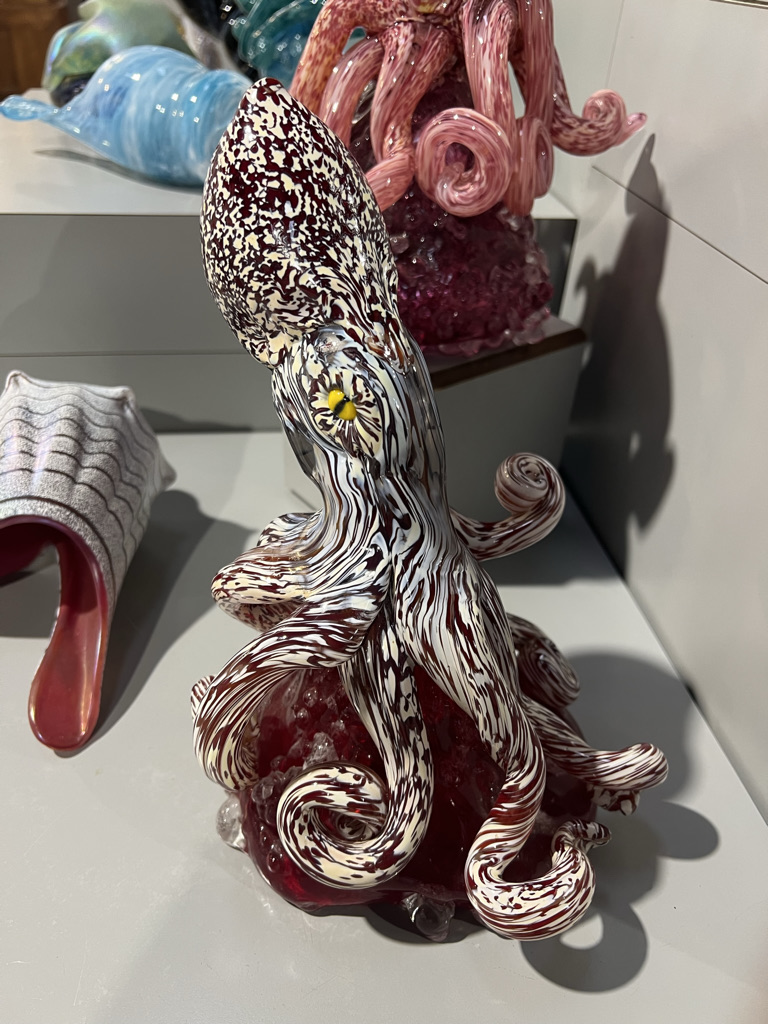
I am a glass artist and studio owner, and my work lives at the intersection of craft, material, and lived experience. Glass is endlessly challenging and humbling, which is part of what has kept me engaged with it for decades. It demands full attention, patience, and respect for process, and I think that shows in the work that comes out of Harmony Glassworks.
What excites me most about glass is that it is both fragile and unforgiving. You cannot rush it, fake it, or force it to behave. The material has a memory, and every piece carries evidence of how it was handled and understood in the moment it was made. That relationship between control and surrender is something I continue to explore, both technically and philosophically, in my work.
Professionally, my focus has evolved over time. While making my own work remains central, I am also deeply invested in maintaining a working studio that supports collaboration, learning, and community engagement. I value craftsmanship and longevity, not just in objects, but in how a studio operates and sustains itself. For me, success is not only about individual pieces, but about building something that allows good work to continue being made over the long term.
Harmony Glassworks is grounded in authenticity and quality. I am not interested in trends for their own sake. I care about making honest work, respecting the lineage of glassblowing, and contributing meaningfully to the field. I want people who encounter my work to feel the time, attention, and intention embedded in it.
Looking ahead, my focus is on continuing to refine the work, supporting the studio and the people who work within it, and finding a sustainable balance that allows for both productivity and longevity. Glass has taught me that meaningful progress comes from consistency over time, and that lesson continues to guide both my creative practice and my professional direction.
Looking back, what do you think were the three qualities, skills, or areas of knowledge that were most impactful in your journey? What advice do you have for folks who are early in their journey in terms of how they can best develop or improve on these?
Looking back, three things stand out as having the greatest impact on my journey: persistence, respect for craft, and the ability to adapt over time.
Persistence is the foundation. Glass is a demanding material, and there were plenty of moments early on when progress felt slow or uncertain. What mattered most was simply continuing to show up and do the work, even when the results were uneven or the path forward was not clear. For anyone early in their journey, my advice is to focus less on quick wins and more on building the habit of consistency. Skills compound over time if you stay engaged long enough.
Respect for craft was equally important. I was fortunate to be influenced by skilled makers early on, which instilled in me an appreciation for quality, process, and attention to detail. Taking the time to really learn the fundamentals, and to understand why things are done a certain way, creates a strong foundation that supports experimentation later. My advice is to be patient with the basics and to seek out mentors or communities that value craftsmanship and honest feedback.
The third is adaptability. My goals, responsibilities, and definition of success have changed as my life has changed. Being willing to adjust how I work, what I prioritize, and how I measure progress has allowed me to sustain a long career rather than burn out early. For people just starting out, I would encourage them to think in long arcs. Stay open to growth, be willing to evolve, and understand that longevity often matters more than intensity.
Ultimately, there is no single formula for success, but the combination of persistence, craft, and adaptability has made it possible for me to keep doing meaningful work over time. That, to me, is the real achievement.
What do you do when you feel overwhelmed? Any advice or strategies?
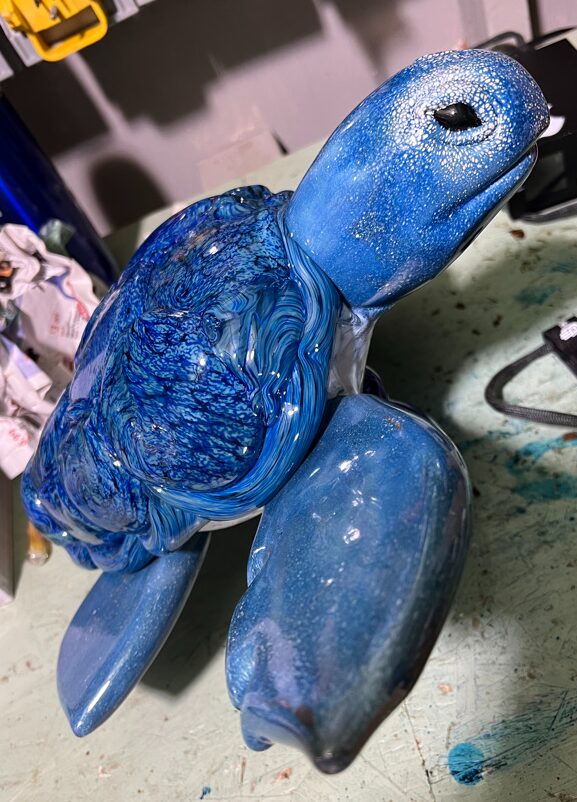
When I feel overwhelmed, my default mindset is very simple: just keep swimming. Not in the sense of ignoring the problem, but in the sense of not letting that feeling stop forward motion.
For me, that feeling usually comes from trying to hold too many things at once. When that happens, I narrow my focus to the next manageable step and put my attention there. Progress, even small progress, has a way of restoring clarity. In a studio environment especially, doing the work often resolves much of the anxiety around it.
I have also learned the importance of perspective. Most challenges are not solved all at once. They are worked through by showing up consistently, staying engaged, and trusting that momentum builds over time. Stepping back, simplifying, and reminding myself that the process does not require perfection in every moment helps keep things moving.
My advice to others is to resist the urge to freeze or overcorrect when things feel heavy. Pick one thing you can move forward, do that well, and let the next step reveal itself. Consistent motion, even at a slower pace, is often the most reliable way through difficult moments.
Contact Info:
- Website: https://www.harmonyglassworks.com
- Instagram: harmonyglassworks_dandurand
- Facebook: Harmony Glassworks
- Yelp: Harmony Glassworks
- Other: email: [email protected]
phone: (805)-927-4248
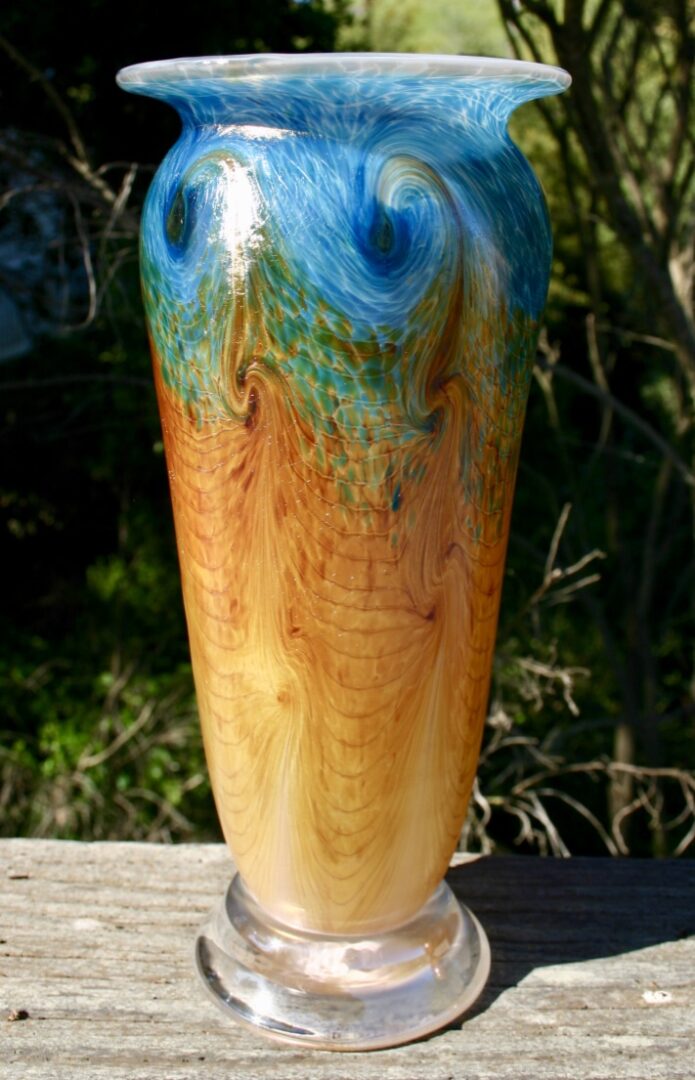
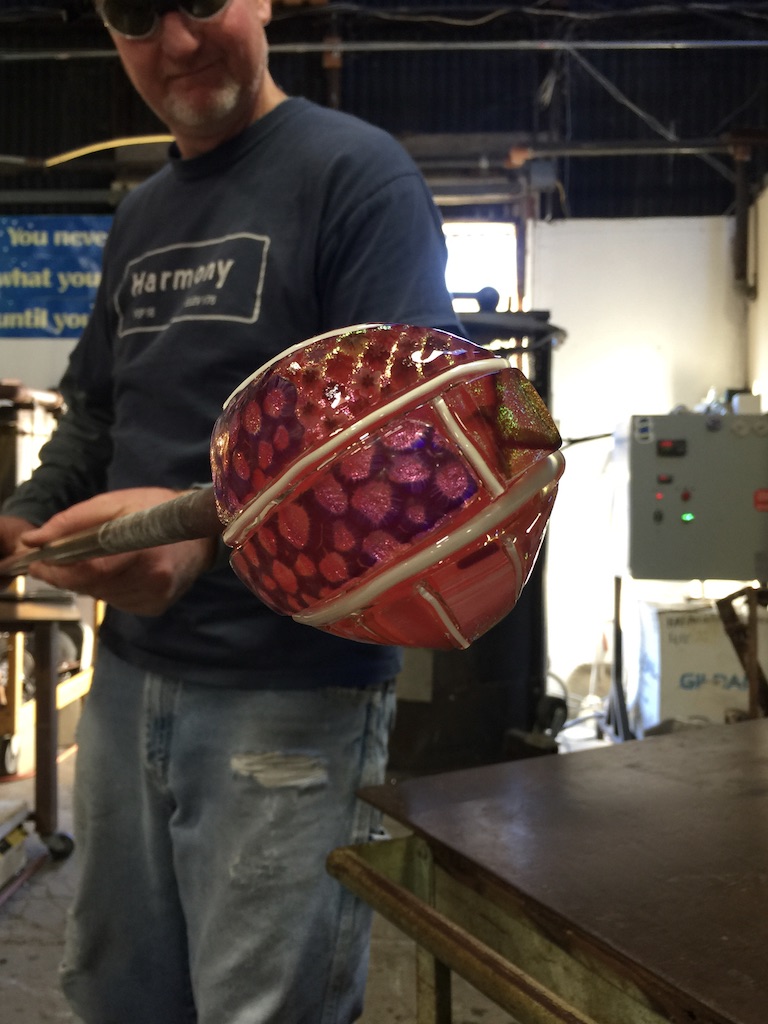
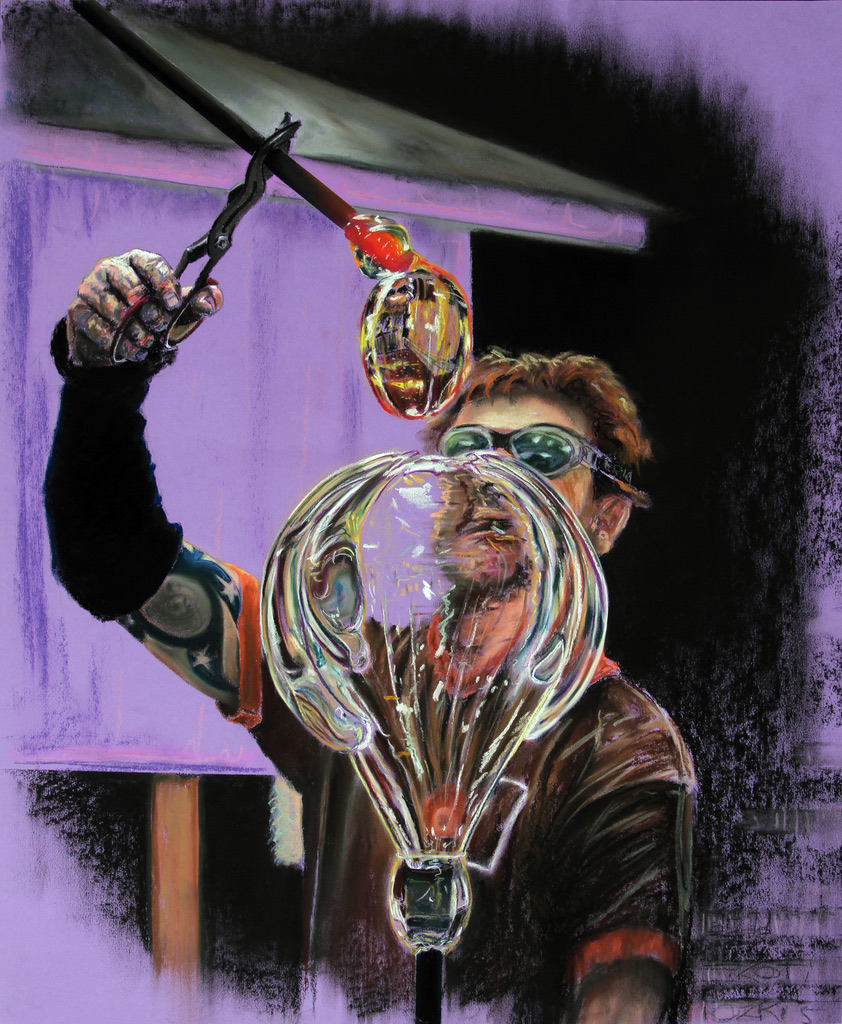
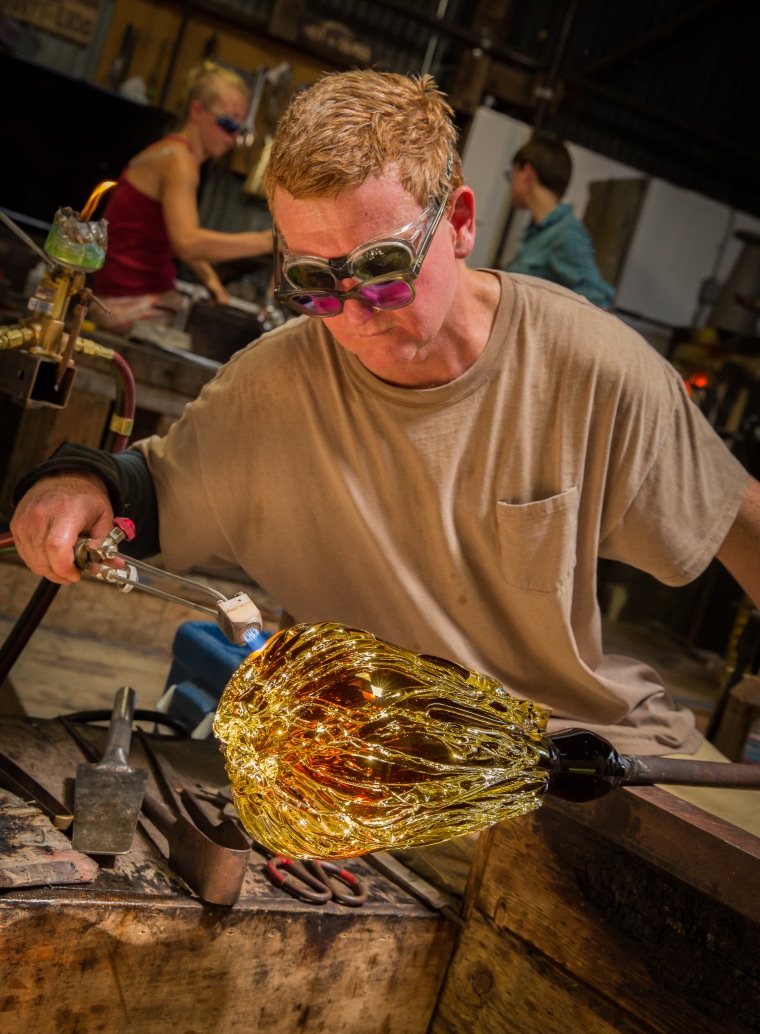
Image Credits
re: the chalk art drawing, the artist was Scott Dozier.
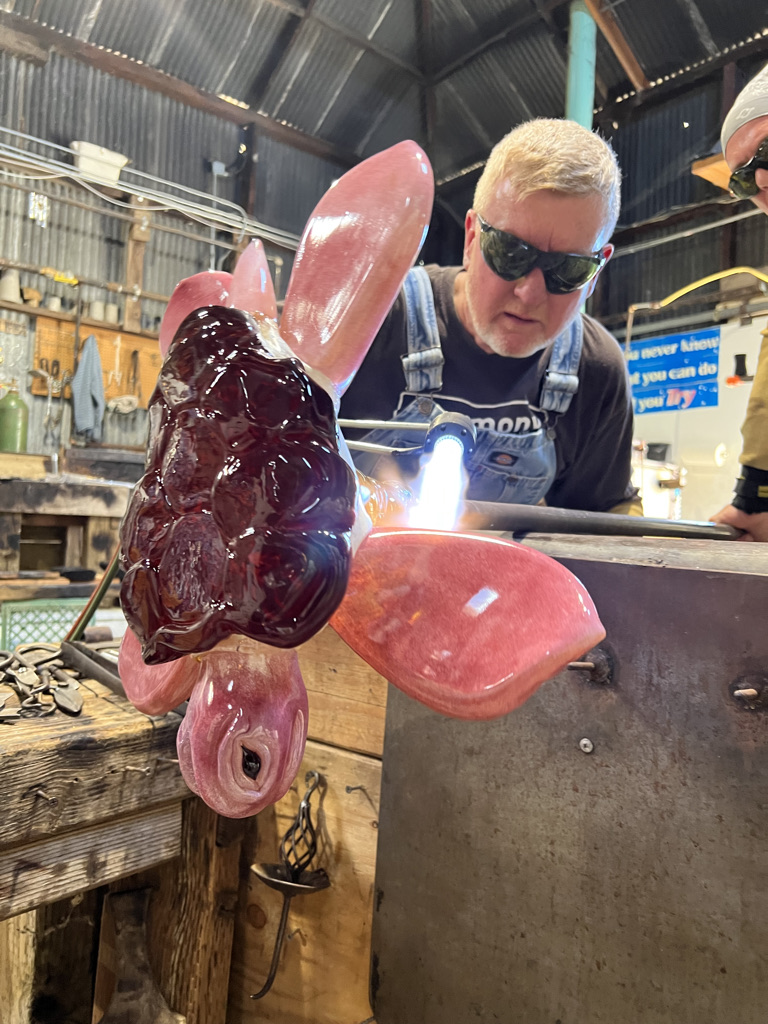
The pink turtle photo can be credited to Devon Babcock.
The last photo of me with a torch should be credited to: photographer: Nigel Paul
The remaining photos do not need to be credited, but can be credited to: Dandurand.
so if you or someone you know deserves recognition please let us know here.