We recently connected with Jason Thornberry and have shared our conversation below.
Hi Jason, appreciate you sitting with us today to share your wisdom with our readers. So, let’s start with resilience – where do you get your resilience from?
I think I get my resilience from having survived a near-death experience and never wanting to take life for granted. Living now with a disability, I’ve had to overcome my share of challenges. But I try to see obstacles as opportunities—as chances to appreciate the good things that come with being alive. The idea of giving up to me seems worse than moving forward. What’s the outcome of surrendering? To me, it’s the abyss.
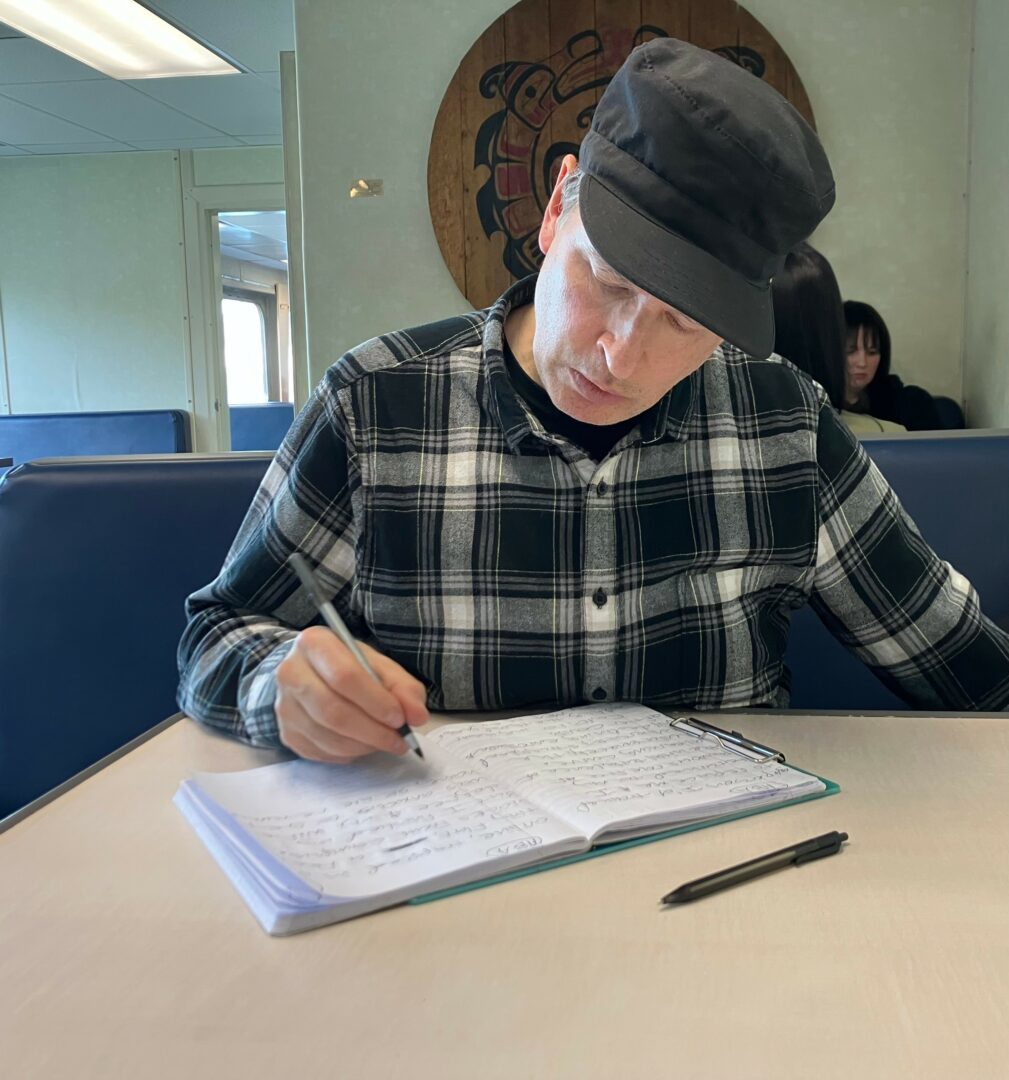
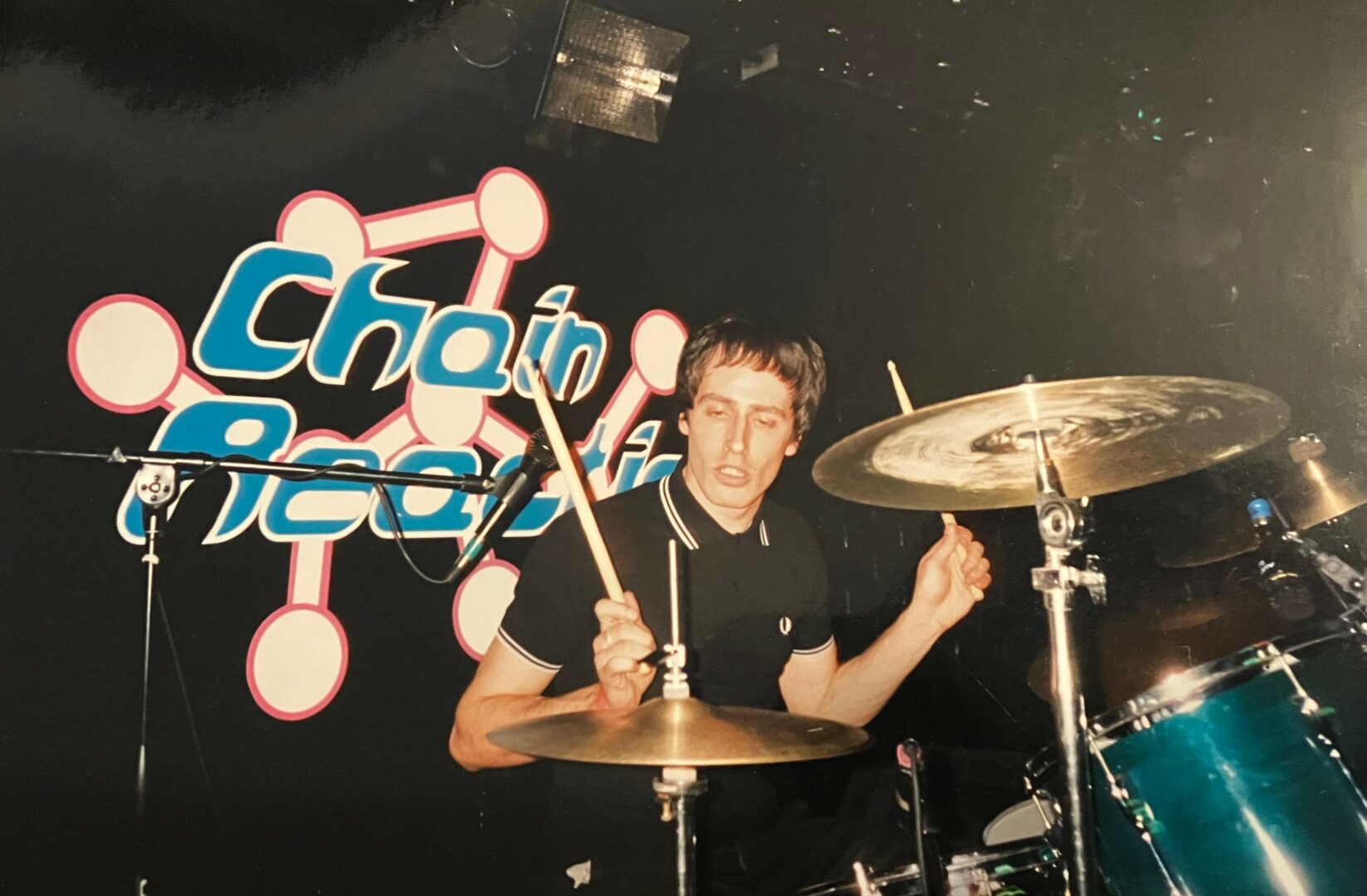
Before I was injured, music was my life. Being able to play the drums in front of people was what got me out of bed. I did it for a dozen years. But at the same time, I kept a daily journal. I wrote about conversations I’d overheard, about interactions that I saw, about the politics that go with being in a band, family stuff. All that. I didn’t realize until much later that I was meant to be a writer. Keeping a journal was merely the earliest phase of it for me. And I still keep a journal to this day.
After music ended for me, I had to come back to writing as a way of exploring the new me. I guess that’s also part of being resilient. I wanted to answer the question that’s been in the back of my mind for years: What Happens Next? And if I don’t seek the answer to that question—essentially chasing the adventure of life in this body—then I’m giving up.
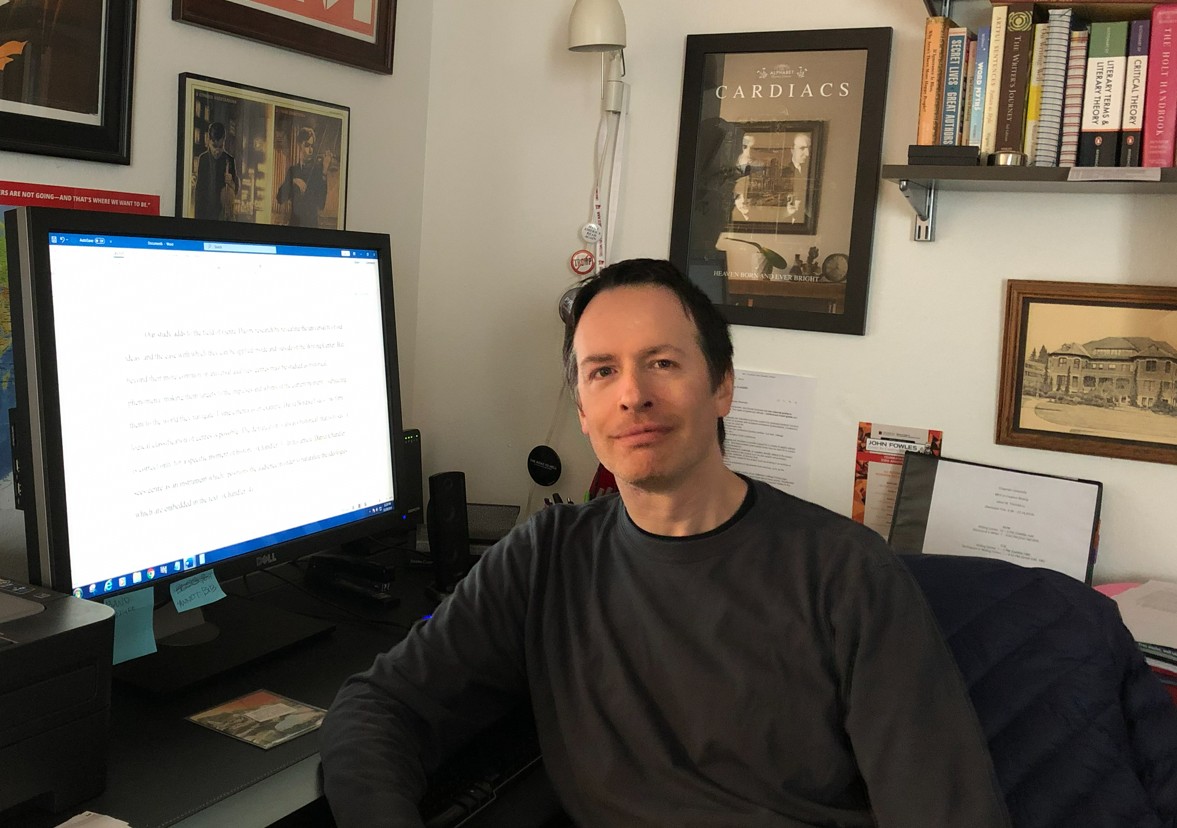
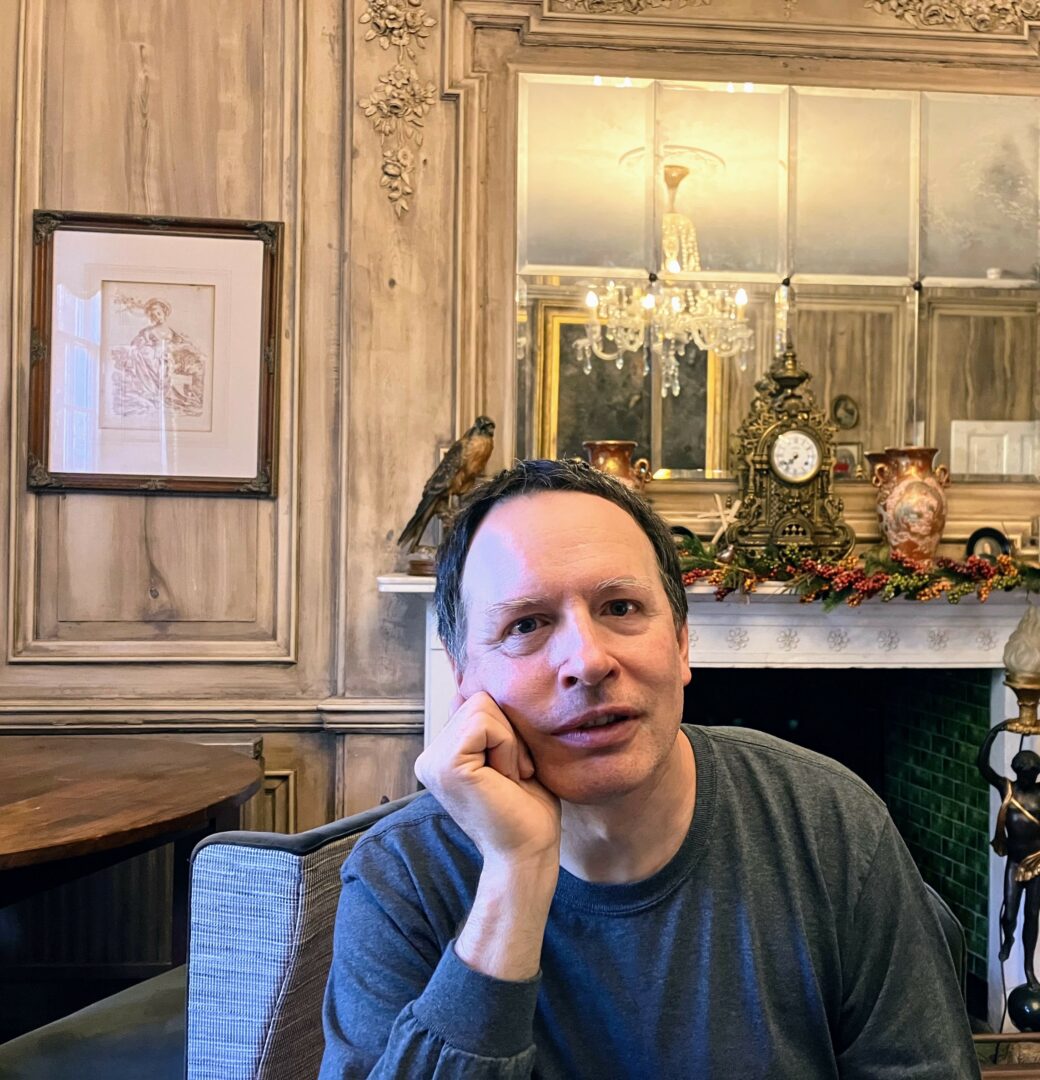
Thanks, so before we move on maybe you can share a bit more about yourself?
I’m a writer, writing teacher, and musician who overcame a catastrophic injury that changed my life, rearranging my priorities. Now, I want to share my love of the written word with others, be they my writing students or people interested in the ways that stories inform our humanity and bring us closer together.
My nonfiction, poetry, and fiction have appeared in literary and academic journals, magazines, and newspapers. Though I write across genres, I specialize in the personal essay—writing that captures my experiences and makes them accessible to others. Again, I believe that exploring our shared humanity drives my work.
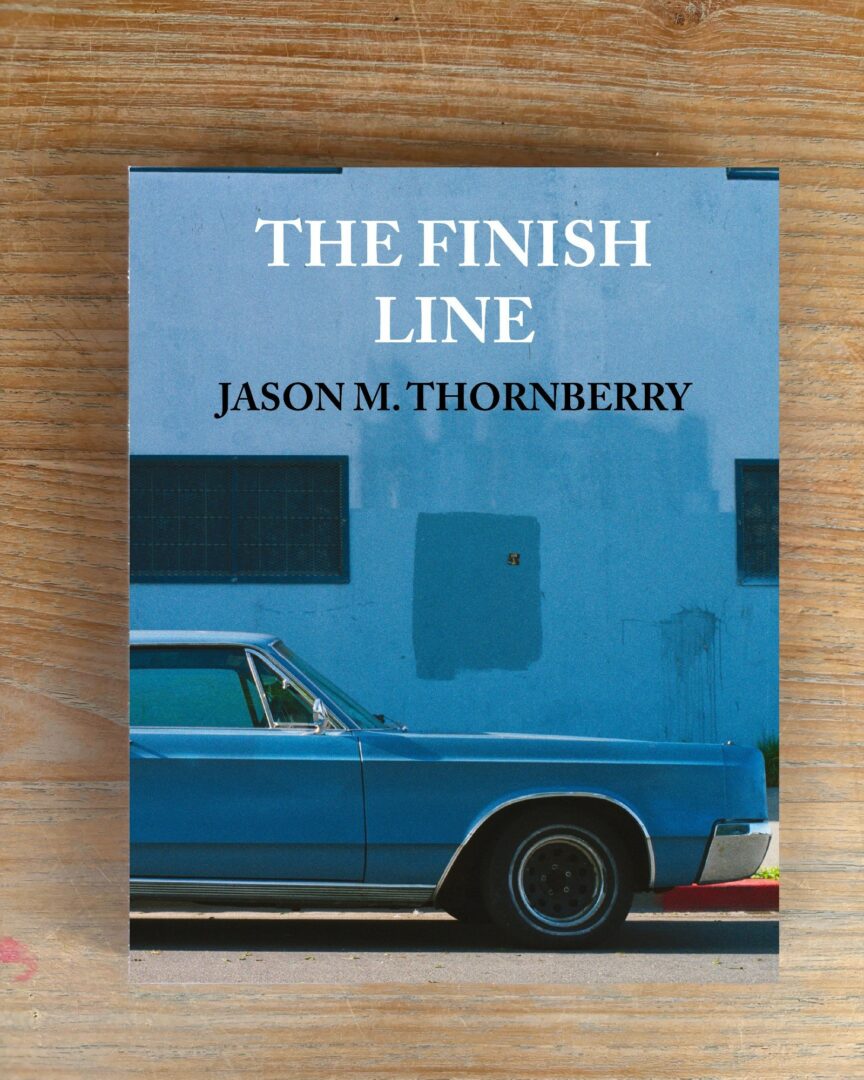
Sand and Gravel Press recently released my first chapbook, The Finish Line, in early 2026. The Finish Line contains two personal essays and seven short stories, all of which deal with the beauty of the mundane—things we all take for granted in the hustle and bustle of modern life. I also have a novel and a memoir under consideration with publishing houses. I recently finished a second novel and am hard at work on a third. And I have several shorter pieces slated for publication in the coming months.
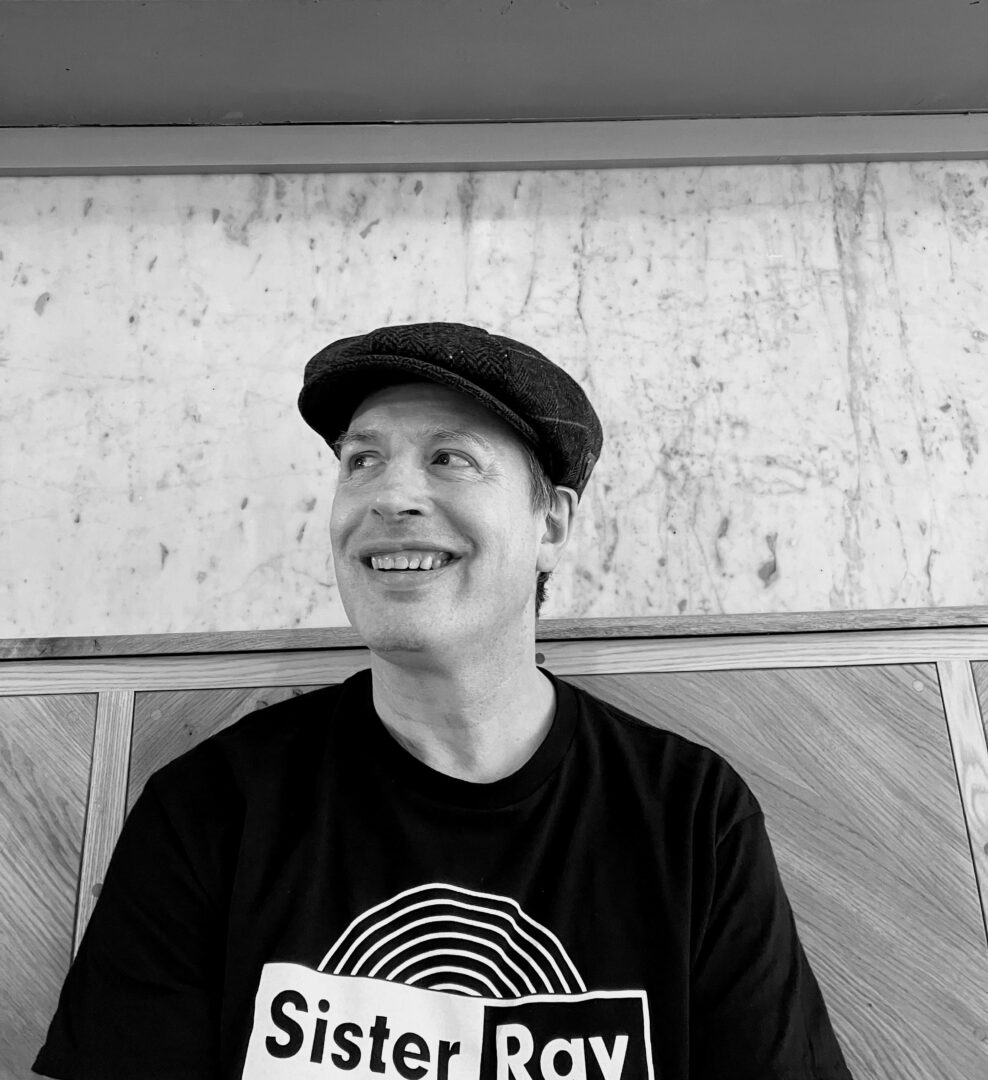
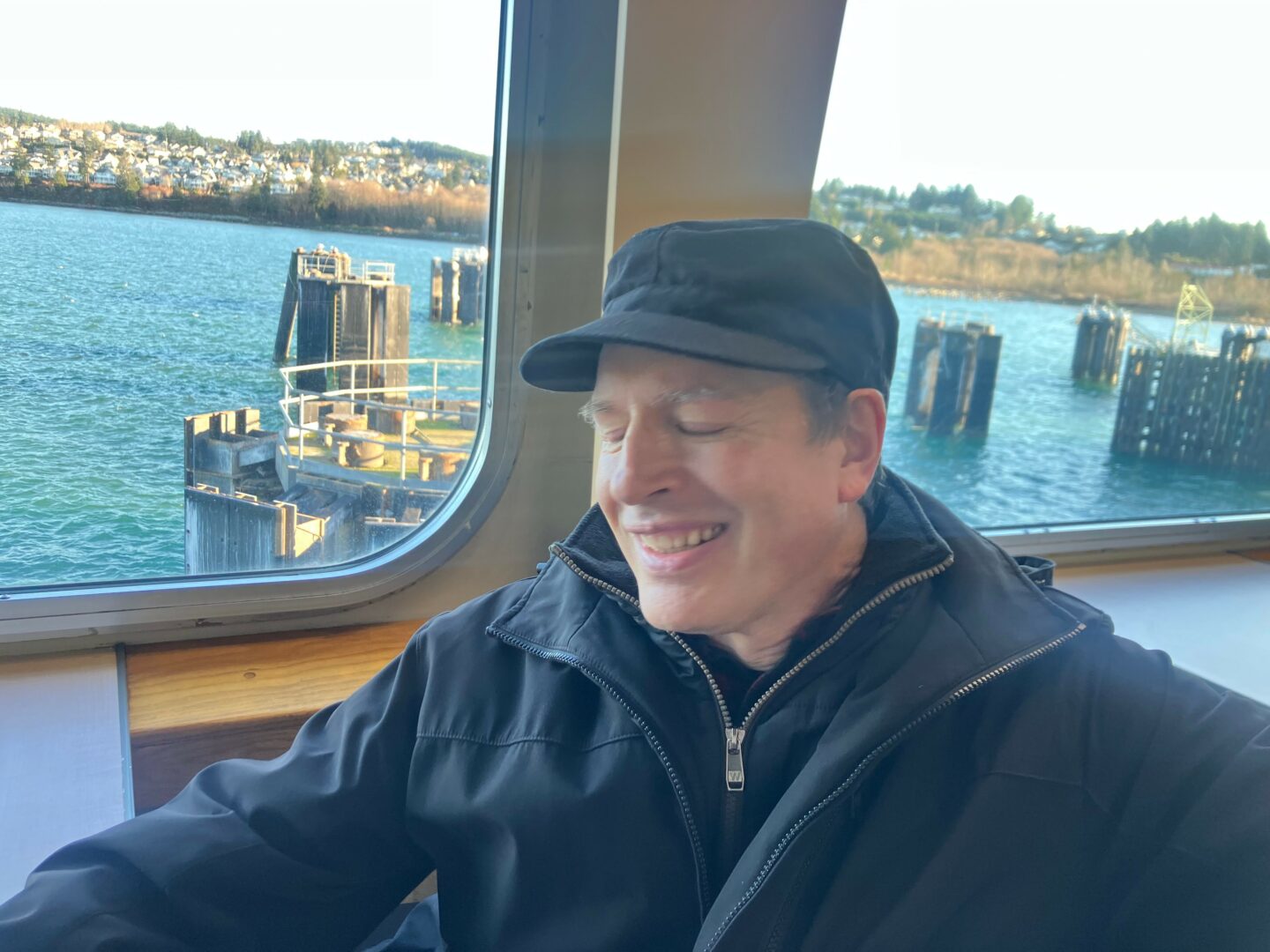
There is so much advice out there about all the different skills and qualities folks need to develop in order to succeed in today’s highly competitive environment and often it can feel overwhelming. So, if we had to break it down to just the three that matter most, which three skills or qualities would you focus on?
Persistence was essential. I’ve always been my own biggest critic and expected more from myself. I used to read motivational books in my late teens and early twenties (Wayne Dyer, Tony Robbins, etc). I was a working musician. I was very exacting and rigorous in my pursuit of music. I studied music for several years and performed constantly. But when I was injured, everything screeched to a halt. And I didn’t know how to handle that. I didn’t know what to do with myself. I’d never felt depressed before. But now this new depression was borne out of an itchy impatience with my situation. I could not understand why I was now unable to do what I wanted to do, what I needed to do, what I was born to do.
I was in my late twenties when I was injured. And when music was over for me, I was afraid that my life was over, too. I had just cheated death. Literal death. But now I was marooned on an island—the island of recovery. I had to learn to walk and speak and acclimate to the world all over again. And I started writing to confront these fears. A castaway on that island, it seemed like my life had ended prematurely. Later, I realized that my life had simply been diverted, like the path of a river. I realized that I would have to do something else to express myself. And writing was a strange, unexpected gift. But in truth, I had always been a writer. My grandmother taught me to write when I was a little boy. And now that I can no longer play music, I was determined to tell my story. Writing felt good to me in a way that only music had. I realized that I was really only happy when I was creating something. Because I could still create, my life was just beginning. The recovery from my injury put my life on hold for a decade. I was initially resentful of this life-interruption. But I’m lucky to have recovered at all.
My best advice to someone early in their own journey is this: understand your goals and work toward them as if it were your day job. Work toward them with the belief that you will die otherwise. And if you work a grueling job, carve out time to focus on what you really want. I think too many people get caught up in the work-to-live, live-to-work mindset. While this mindset might pay the bills, it will also steal your individuality.
And close your ears to naysayers and the people who want to make you feel small. The horn-mufflers—people afraid to live meaningful lives. People who want to drag you down. Those people might be in your own family. Often they will be. But you can’t listen to them. Not if you want to achieve anything in life.
Do you think it’s better to go all in on our strengths or to try to be more well-rounded by investing effort on improving areas you aren’t as strong in?
Because we only get one chance at this life, and because everyone—no matter who they are—is good at something, I believe we should go all in on our strengths. We must do what we love—what brings us joy—what gets us out of bed. And if we do what we love, we find that we’re already pretty good at it. We already have an otherworldly aptitude for doing what we love. That’s why we drag our feet when faced with an uninspiring task.
I feel this way because it rings true for me. I’ve always been obsessed with music. My father tells me that this obsession started when I was a child. I was also obsessed with books and with reading. I tried to write my first book when I was a little boy, and I kept writing through high school until I joined a band. Then writing was relegated to the background of my life, and I kept a journal. But I wrote in that journal constantly. Eventually, I fused these two loves by creating a fanzine where I could write about music. I had to stay in touch with the things I loved, even if music was my primary pursuit.
When you do something that you love, you can always do it—even in your subconscious mind. My drum teacher told me to practice when I wasn’t practicing. He said I could practice by thinking about playing the drums. He said I could do this when I was eating breakfast or driving my car or sitting at my desk at work. He said that it was almost as helpful as sitting down at my drums and playing them. I couldn’t play twenty-four hours a day, he said, but my playing would still benefit by imagining myself playing at all times. When I tried this, I realized that he was right! And the same thing goes for writing. If I’m out walking the dog or riding the bus, I’m often thinking about an element of a story, a character, or even a single sentence. A sentence I want to improve. Or a sentence inside me, trying to work its way out of me through my hands.
Contact Info:
- Website: https://jmthornberry.wordpress.com/
- Instagram: @jason_m_thornberry
- Linkedin: https://www.linkedin.com/in/jason-m-thornberry-3329898/
so if you or someone you know deserves recognition please let us know here.