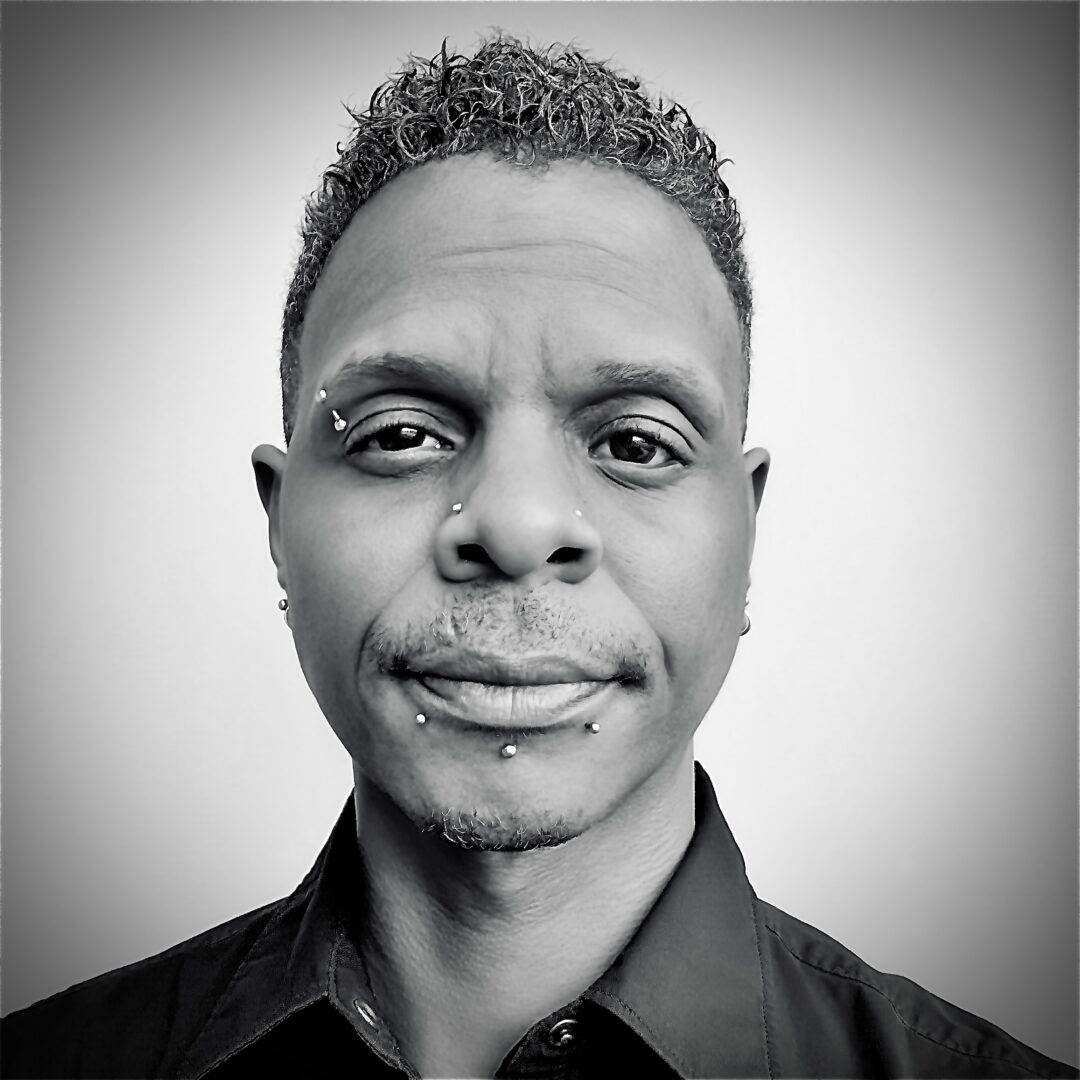
We were lucky to catch up with Micah J. Moore recently and have shared our conversation below.
Micah J., we’re thrilled to have you sharing your thoughts and lessons with our community. So, for folks who are at a stage in their life or career where they are trying to be more resilient, can you share where you get your resilience from?
My grit wasn’t something I chose. It was forged in those gut-wrenching moments when quitting felt like surrender. Loss, instability, health crises, single fatherhood, and that jagged path through education stripped away illusions that motivation alone would carry me. What endured was raw discipline, an unwavering belief in the process, and fierce accountability to those watching—most of all, my children.
I learned early that resilience is not loud—it’s the silent, stubborn push to keep moving forward. For me, this means showing up to work when no one sees you. It means studying while exhaustion aches in your bones. It means rebuilding a creative career from ashes and clinging to growth even when surrender taunts you. That repetition, carved by struggle, becomes who you are.
A major source of that strength is purpose. Instead of viewing music, scholarship, fitness, and eventually law as separate ambitions, I see them as different ways to serve others. For this reason, every obstacle becomes easier to handle; I approach each challenge in light of who I am becoming and whom I am called to help.
And then there is love. Love aches for my late wife and late girlfriend. Renewed love, on the other hand, has strengthened and emboldened my resolve. Love binds me to my family and emboldens the younger me who refused to quit, and the future I am still shaping. For me, resilience is a vow of continuity. Each day, I choose to transform hurt into structure. Structure becomes forward momentum. That momentum becomes something enduring, something that will remain when I am gone.
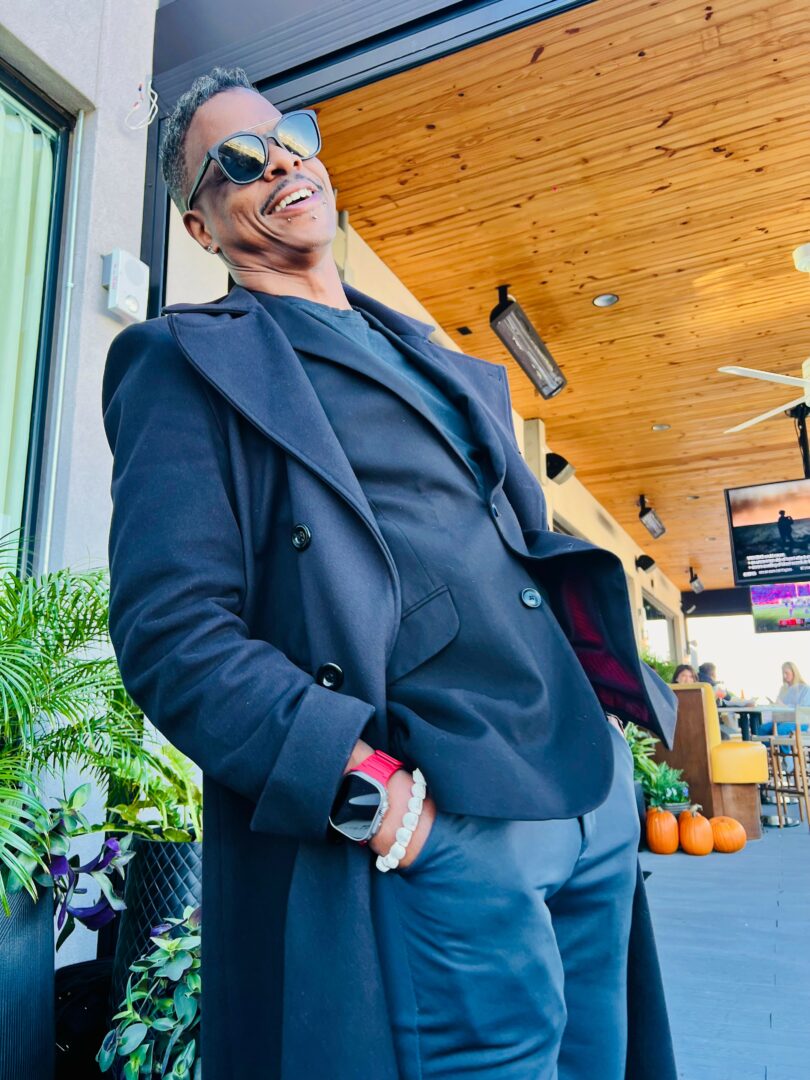
Let’s take a small detour – maybe you can share a bit about yourself before we dive back into some of the other questions we had for you?
Disciplined creativity—always driven by purpose—shapes everything I do. My work lives at the intersection of music, fitness, scholarship, and law, and all of it operates under the umbrella of Get Live, LLC, the ecosystem I built to house those expressions.
I began with music. As Mic Most, I produced, performed, and built Get Live Records into an independent platform for electronic and hip-hop projects, as well as film, television, and joint releases. My focus now encompasses ownership, infrastructure, and longevity—shaping a unified model for art and intellectual property. Transitioning from artist to architect marks a significant shift in my career.
In parallel, I founded Get Live Fitness, where I serve as a personal trainer and nutrition specialist. For me, fitness centers on survival, healing, and reclaiming agency, rather than aesthetics. Supporting others’ physical and mental transformations offers immediate impact—real-time leadership.
These professional paths run parallel to my academic journey. As of May 2026, I will have a double major in History and Psychology, with a minor in Criminology, and will graduate with honors, preparing for law school. My long-term focus is international and human rights law, notably at the intersection of power, policy, and lived experience. What excites me about this season is seeing my creative and scholarly work converge—all exploring questions of memory, justice, identity, and ownership.
Unifying these threads is Signal in the Noise, my recently launched publication and intellectual hub on Substack (micahjmoore.substack.com). There, I explore law, history, psychology, culture, and narrative through essays. This platform matters because it documents the journey and provides a space for those building meaningful lives across disciplines.
On the music side, this season brings renewal and high-level collaboration. I am in the studio working alongside my friend Stone Mecca, a multi-instrumentalist and producer recognized for his work with RZA and the Wu-Tang Clan, contributing to new material featuring Ras Kass, a highly respected lyricist, personal hero, and friend . For me, collaborating with artists whose catalogs shaped my view of longevity, authorship, and cultural weight in hip-hop is a full-circle moment. Alongside this, I’m developing my next solo album, reflecting my current sonic and philosophical direction. Rather than chasing trends, I aim to document evolution—musically, intellectually, and spiritually. This blend of collaboration and solo focus represents my greatest intention as an artist.
All of these efforts come together in this moment of intentional expansion. I am preparing for law school, new music and performances, the growth of Get Live as a creative and business entity, and more live events and speaking engagements. Everything is built to last, to scale, and to expand access for others.
If there is one thing I would want readers to understand about my brand, it is that it thrives on integration, not reinvention. Every chapter, skill set, challenge, and discipline now moves in unison toward a purpose larger than myself. This alignment is my foundation for lasting impact and meaningful change.
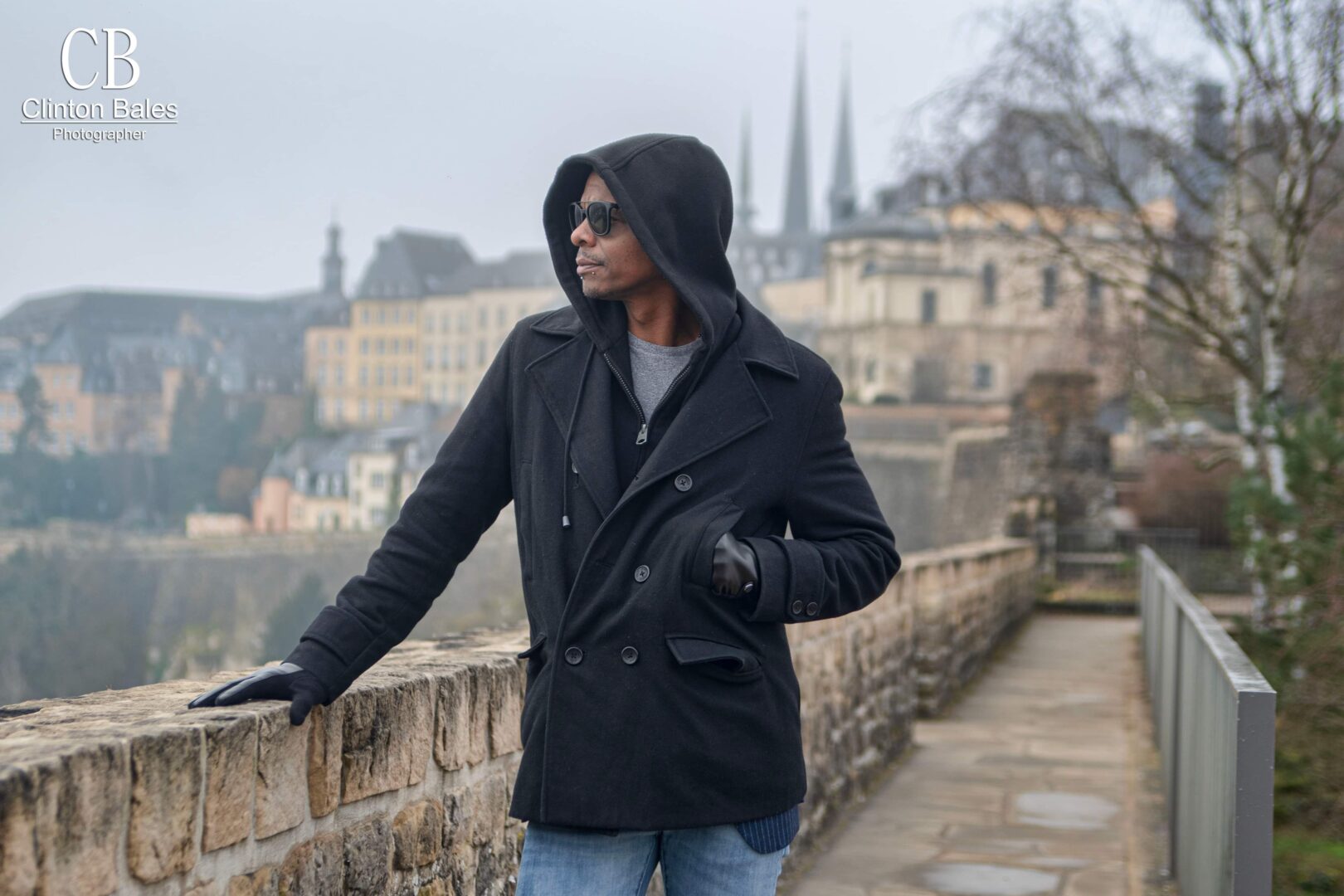
There is so much advice out there about all the different skills and qualities folks need to develop in order to succeed in today’s highly competitive environment and often it can feel overwhelming. So, if we had to break it down to just the three that matter most, which three skills or qualities would you focus on?
Three things have shaped my path most: disciplined consistency, intellectual curiosity, and turning adversity into structure.
Disciplined consistency is often underestimated because it is not glamorous. My life changed when I stopped asking if I felt inspired. Instead, I started building non-negotiable daily systems — in the studio, the classroom, the gym, and my writing. Momentum is not an event; it is an accumulation. For anyone early in their journey, my advice is simple: shrink the goal and expand the routine. Make your process repeatable so that progress becomes inevitable. You do not need perfect conditions — you need a schedule you honor.
The second is cognitive inquisitiveness. I never approached music, fitness, or my scholarly work as isolated lanes. I studied history to understand power. I studied psychology to understand behavior. I studied business to understand ownership. I studied law to understand structure. That kind of cross-disciplinary thinking allowed me to evolve. I became someone who can help shape industries, not just participate in them. For people starting out, do not only learn how to do something. Learn how it works, who controls it, and why it exists the way it does. That depth creates leverage.
The third is transmutation of difficulty — learning how to metabolize setbacks and not let them define your ceiling. Loss, health challenges, financial resets, and rebuilding from the ground up — those experiences forced me to develop emotional endurance and long-range vision. I stopped seeing difficulty as a detour. I started treating it as training. My advice: document your journey, even when it is messy. When you see your own growth in real time, resilience stops being an abstract concept and becomes evidence.
If I could give one unifying piece of guidance, it would be this: do not chase a title. Build a framework for a life. Focus on habits, depth of knowledge, and internal stability. The external milestones are a byproduct of that alignment. When they arrive, you have the infrastructure to sustain them.
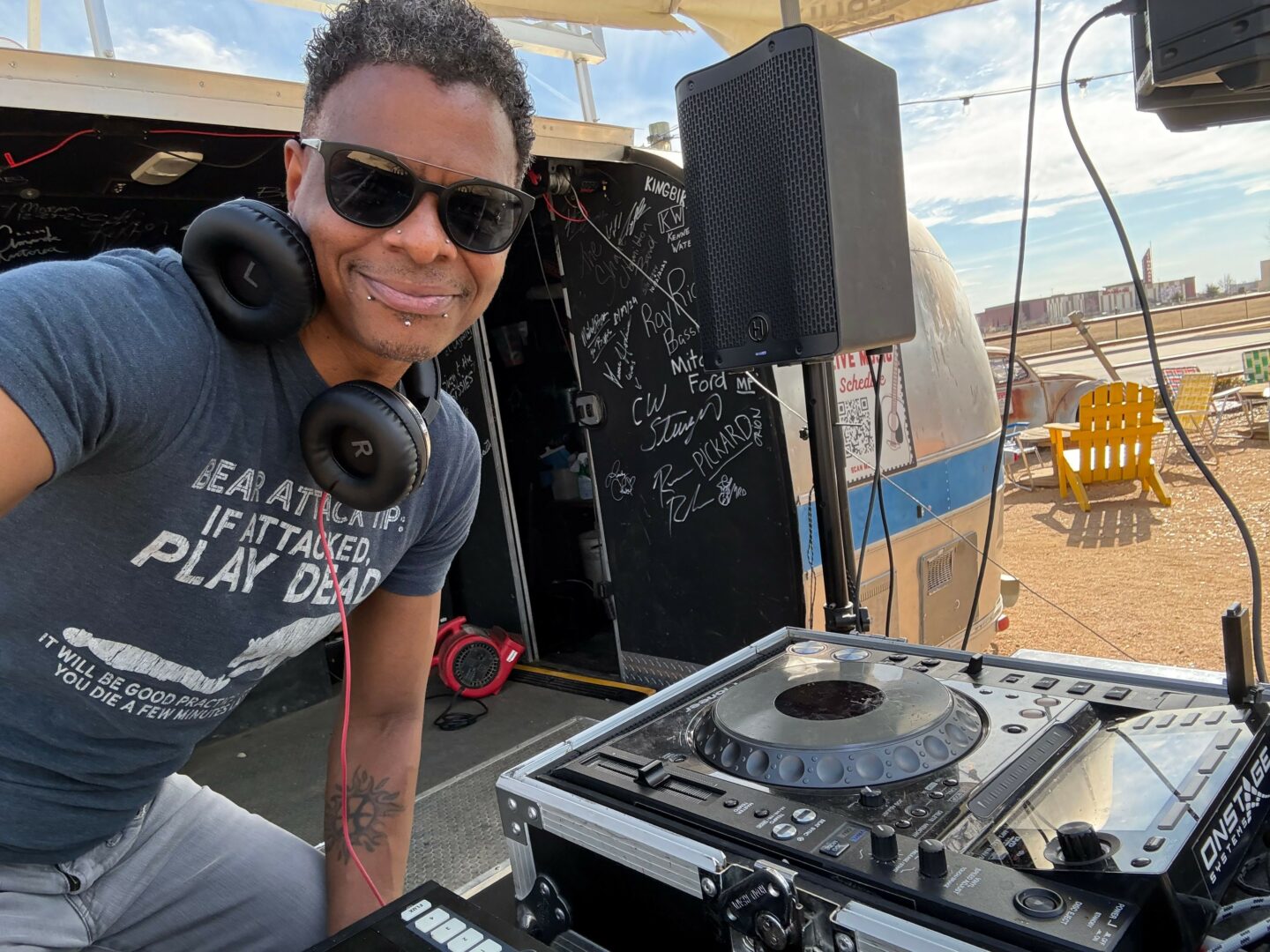
Do you think it’s better to go all in on our strengths or to try to be more well-rounded by investing effort on improving areas you aren’t as strong in?
I think the real answer is sequencing. Early on, it is essential to go all in on your strengths. They give you traction, confidence, and a point of entry into a space. Your strengths lie in how quickly you create value and how you begin to separate yourself from the noise. For me, that was music and later, my capacity for disciplined academic work. Those were the areas where the return on effort was immediate. Leaning into them helped me build credibility, income streams, and a sense of identity.
As you advance, it becomes necessary to shift focus: relying solely on your strengths will eventually limit your growth if you do not address your gaps.
A clear example in my own journey was the shift from being “just” an artist to becoming an owner and architect. Creativity was always my strongest lane: production, performance, building sonic worlds. I was not naturally strong in the structural side. Contracts, publishing, business systems, legal policies, and long-term asset strategy were not my strengths. For a while, I could survive on talent and work ethic. But I could not scale on them. When I made the decision to go back to school and dive into myself in history, psychology, criminology, and now the path toward law, that was a direct investment in my weaknesses. It was uncomfortable. It was modest. It forced me to sit in rooms where I ceased to be the most naturally gifted person. That changed everything. Now, creativity remains the engine, but it is supported by infrastructure, ownership, and strategy.
So my philosophy is this: Lead with your strengths, then build range so they can travel further.
If you try to be well-rounded too early, you dilute the very thing that makes you distinctive. But if you only live within your strengths, you become dependent on others to execute your vision. The goal is not balance for its own sake. It is sovereignty.
For someone early in their journey, I would suggest a dual-phase approach. First, identify what you do exceptionally well and push it as far as it can go. Let it open doors. Then, pay very close attention to where you lose leverage. Look for the rooms where you do not understand the language, the deals you cannot structure, and the systems you cannot control.
Those are your growth areas.
Develop competence there not to become a different person, but to protect and amplify what you already do. That is the difference between being a creative who simply participates in industries and a creative who shapes and leads them.
Contact Info:
- Website: https://micmost.com
- Instagram: https://instagram.com/mic_most
- Facebook: https://facebook.com/vonmost
- Linkedin: .linkedin.com/in/micmost
- Youtube: https://youtube.com/micmostmusic
- Soundcloud: https://on.soundcloud.com/OYPzMI41f6ZxY8Htaz
- Other: Substack: micahjmoore.substack.com
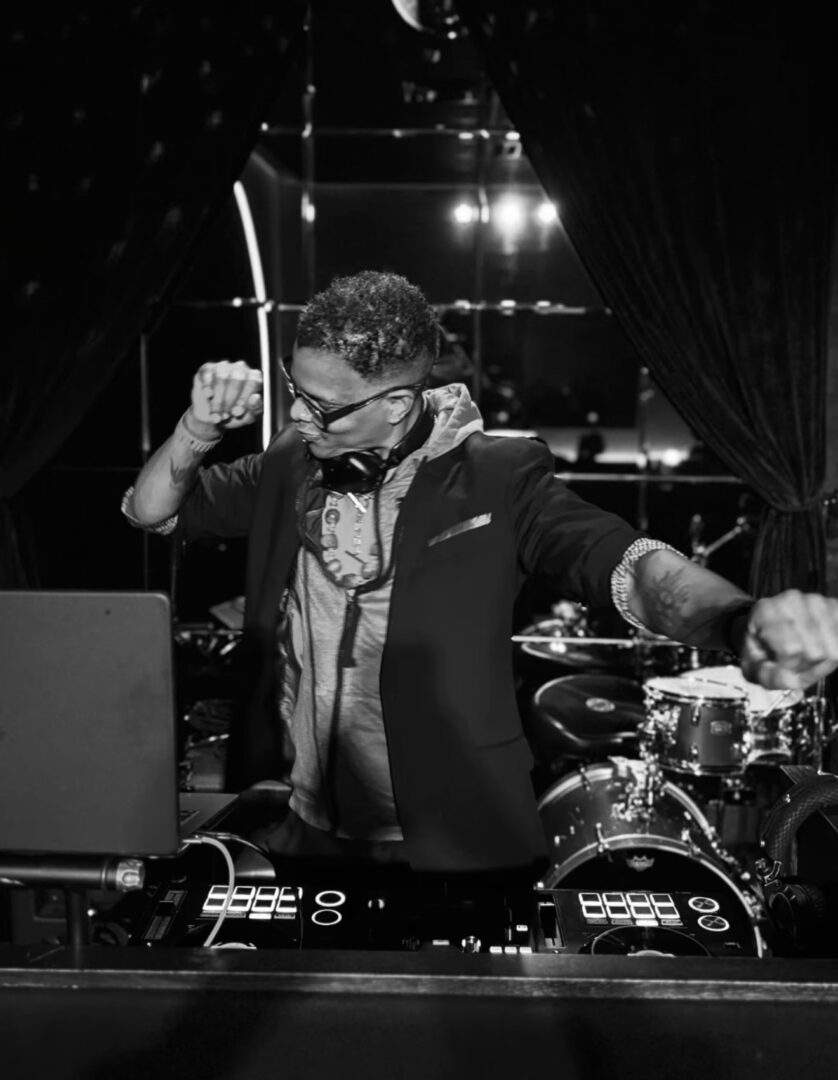
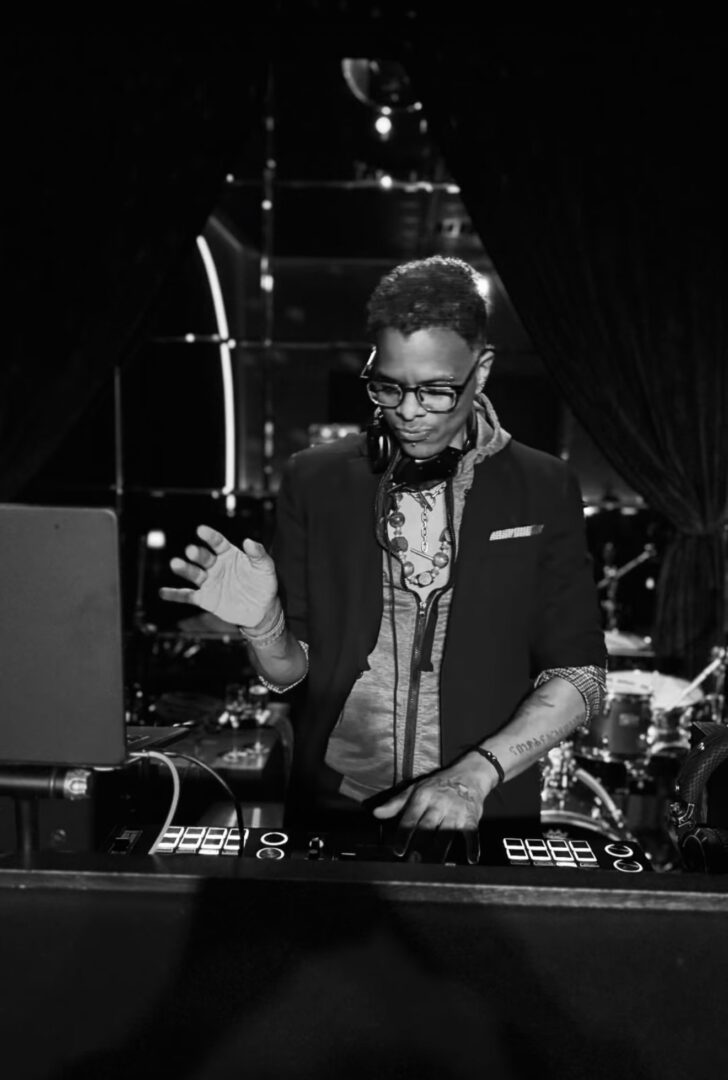
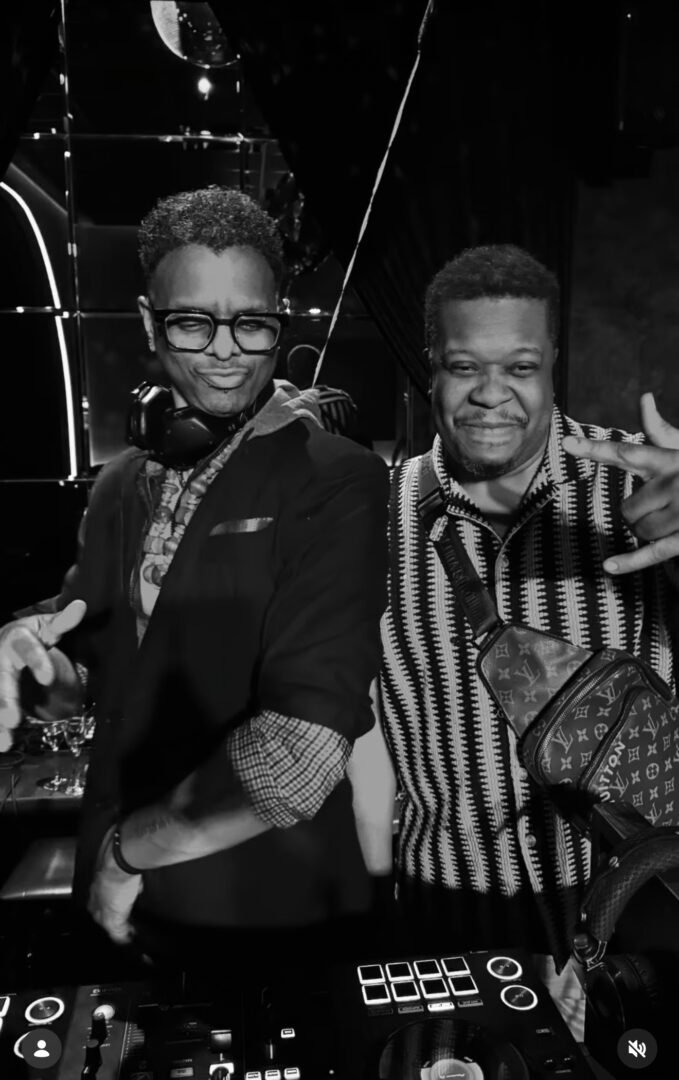
Image Credits
Clint Bales (1 photo credit)
so if you or someone you know deserves recognition please let us know here.