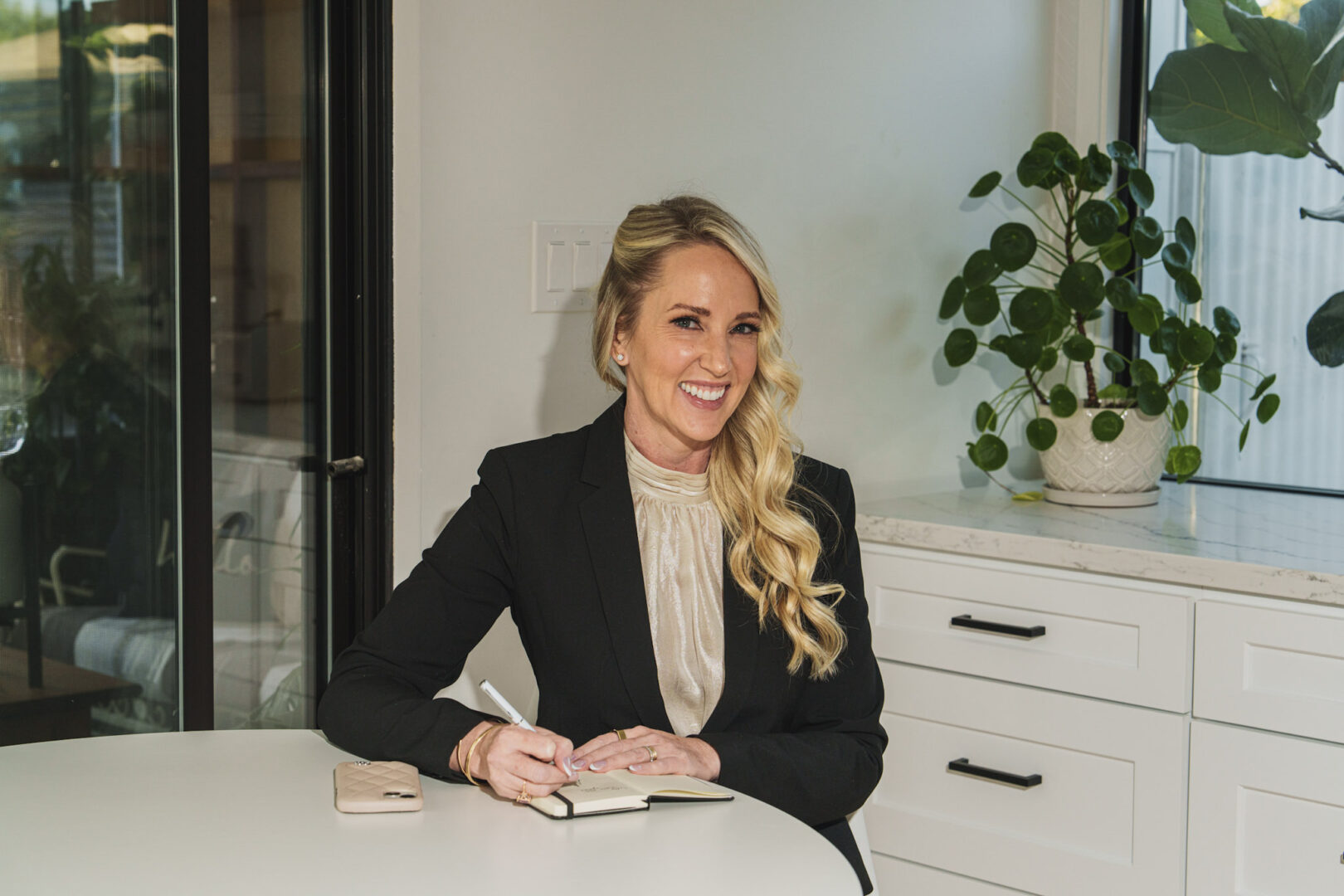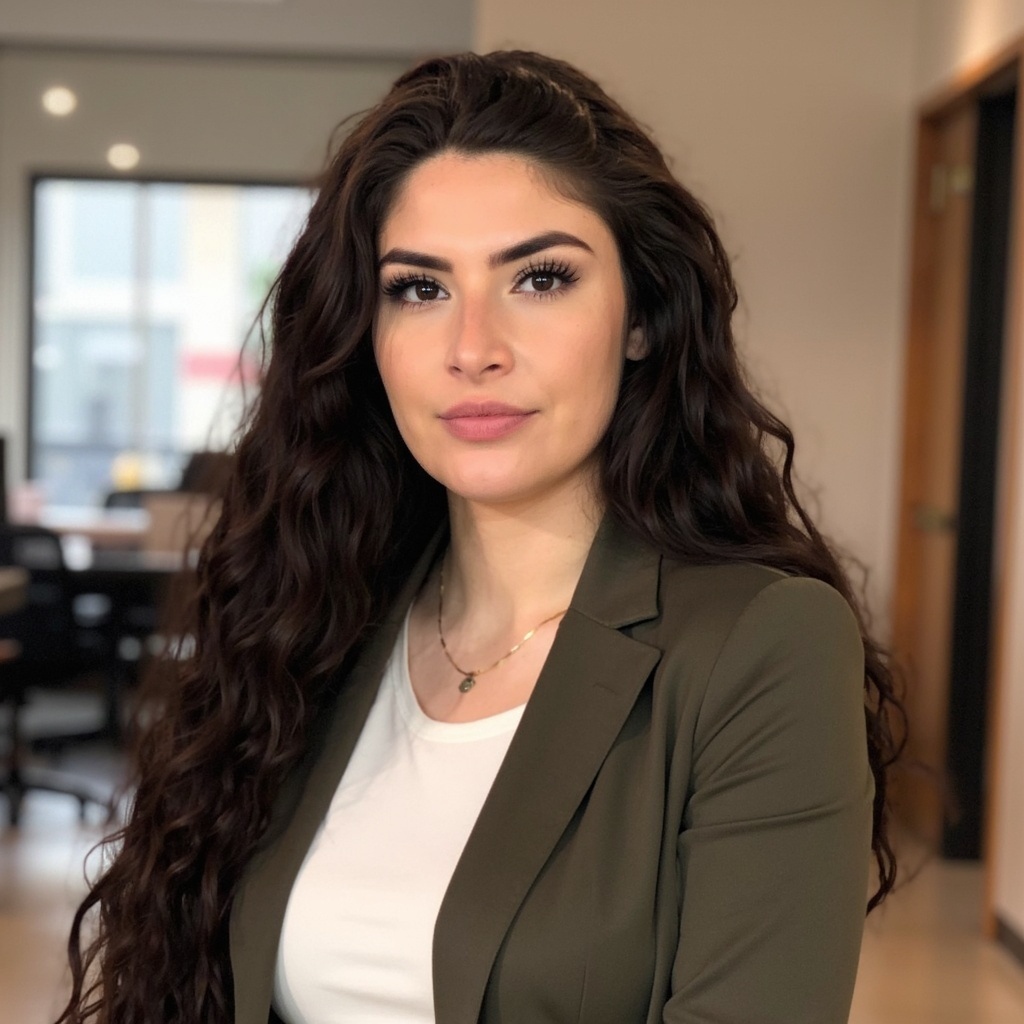
Alright – so today we’ve got the honor of introducing you to Negeen Ahmadi. We think you’ll enjoy our conversation, we’ve shared it below.
Hi Negeen, so happy you were able to devote some time to sharing your thoughts and wisdom with our community. So, we’ve always admired how you have seemingly never let nay-sayers or haters keep you down. Can you talk to us about how to persist despite the negative energy that so often is thrown at folks trying to do something special with their lives?
I’ve learned to stay focused on what’s within my control and to lean on the foundation I’ve built over time. Education, training, and guidance from instructors taught me early on to take feedback seriously but not personally. That mindset has helped me separate constructive input from noise.
Since opening the business in February 2024, running a small business has meant navigating a lot of uncertainty — economic shifts, rising costs, and the ripple effects of layoffs, especially among government employees who made up a large part of our client base. When those changes happened, it didn’t just affect individuals; it directly impacted the business. Many clients simply couldn’t afford services the way they once could, and adapting to that reality required flexibility, patience, and perspective.
There have also been difficult leadership moments that don’t always get talked about, such as addressing unprofessional behavior that put the business at risk — including situations where individuals continued working under my license after they were no longer part of the business, or took clients and supplies. Experiences like that forced me to become more structured and protective, while still leading with integrity.
Another challenge has been helping people understand the importance of boundaries and policies. Cancellations, reschedules, no-shows, and late arrivals — especially within less than 24 hours — create gaps that can’t be filled last minute. Those gaps represent lost income that directly affects our ability to pay bills, compensate staff, and keep the business running. Policies aren’t in place to be punitive; they’re necessary to create predictability, accountability, and stability. This is a business, not a hobby, and structure is what allows it to function sustainably.
That same transparency applies to conversations around tipping. Because we operate on a commission-based model, gratuities make a meaningful difference for the professionals providing the service. It can feel uncomfortable to talk about, but encouraging a standard 20% tip isn’t about pressure — it’s about acknowledging the time, skill, and care that goes into each appointment, and ensuring the people doing the work are fairly supported.
There have also been moments where clients were frustrated by refund policies. In a commission-based environment, refunds simply aren’t feasible, but we always stand behind our work — whether that means coming in on our own time to make things right or offering another service of equal value. Balancing fairness with sustainability is something I take seriously.
What ultimately keeps me going is my support system. Friends and family have been steady through the ups and downs, helping me stay grounded when things felt overwhelming. I’ve learned that persistence isn’t about proving anything to critics — it’s about protecting what you’ve built, learning from challenges, and continuing to move forward with clarity and purpose.


Appreciate the insights and wisdom. Before we dig deeper and ask you about the skills that matter and more, maybe you can tell our readers about yourself?
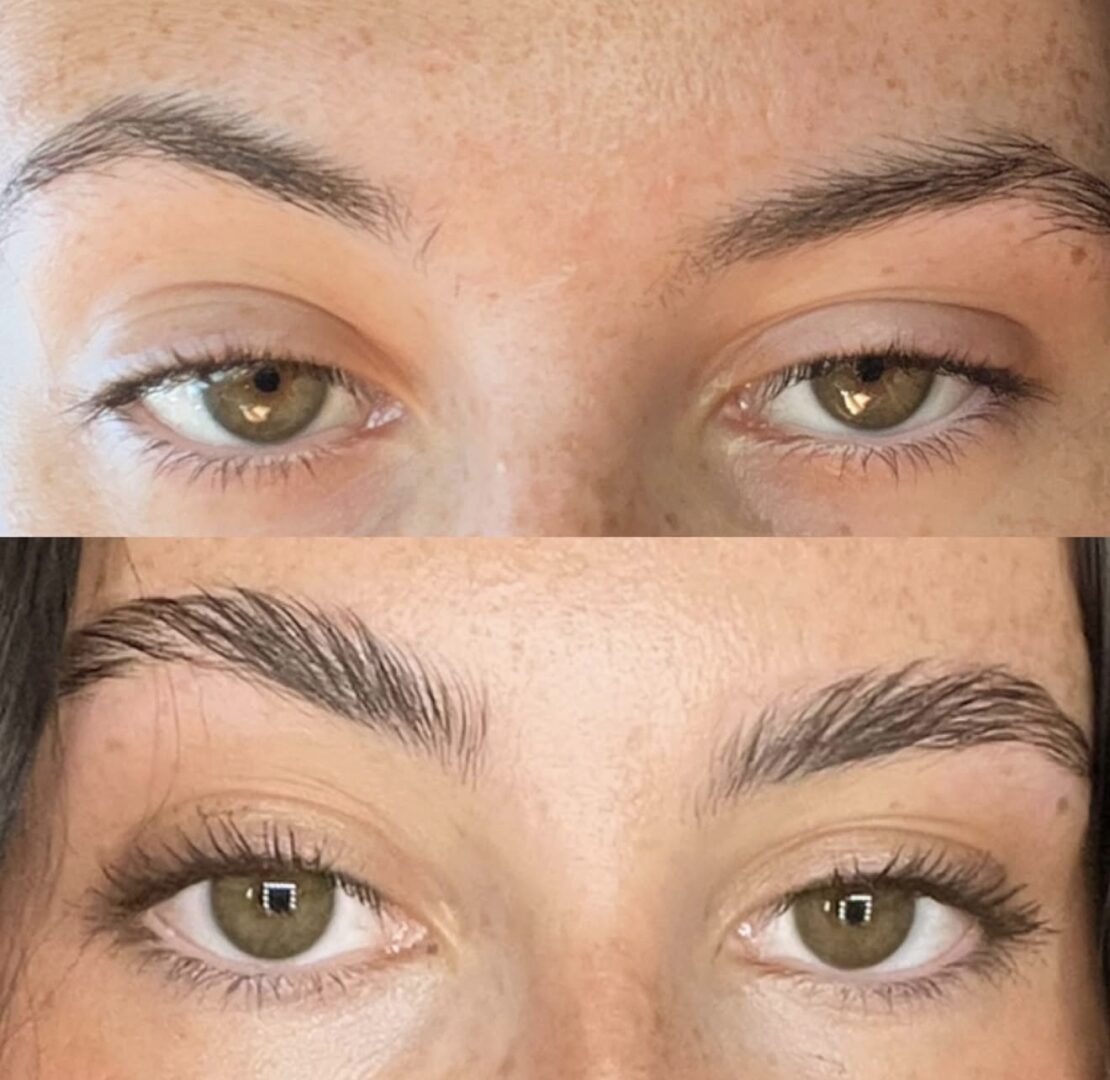
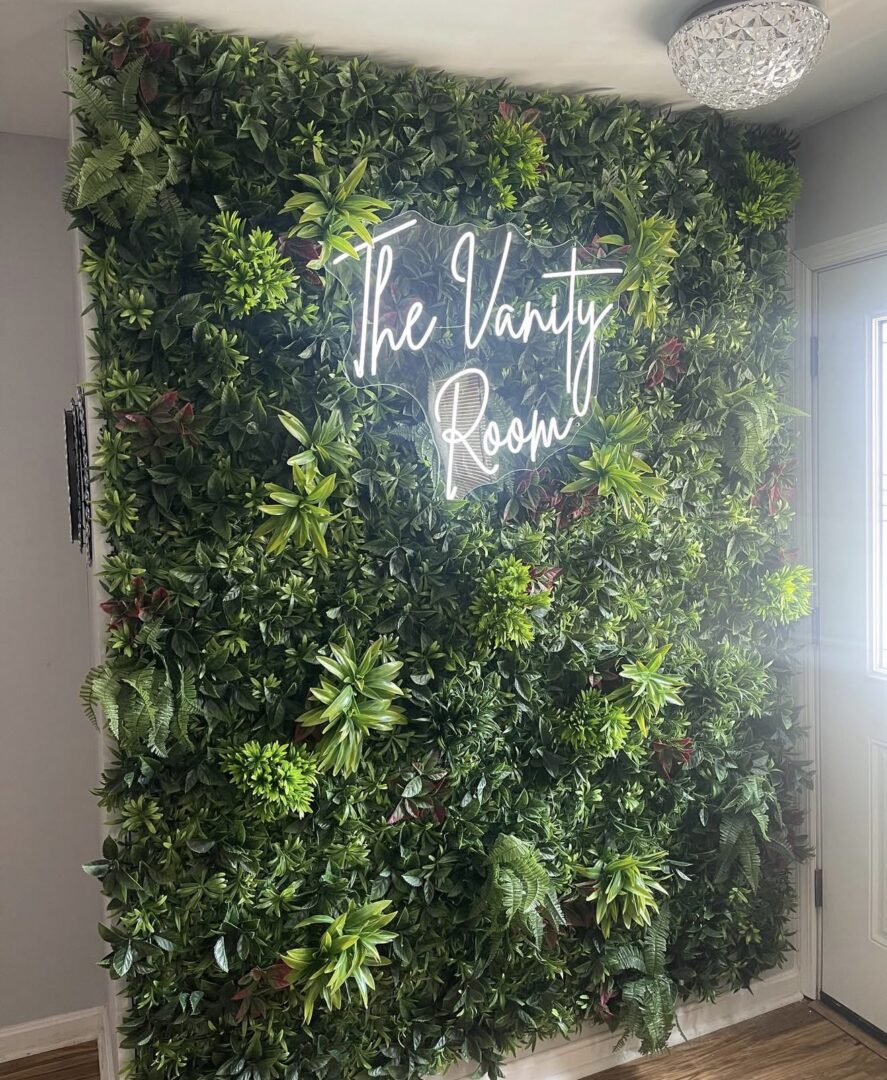
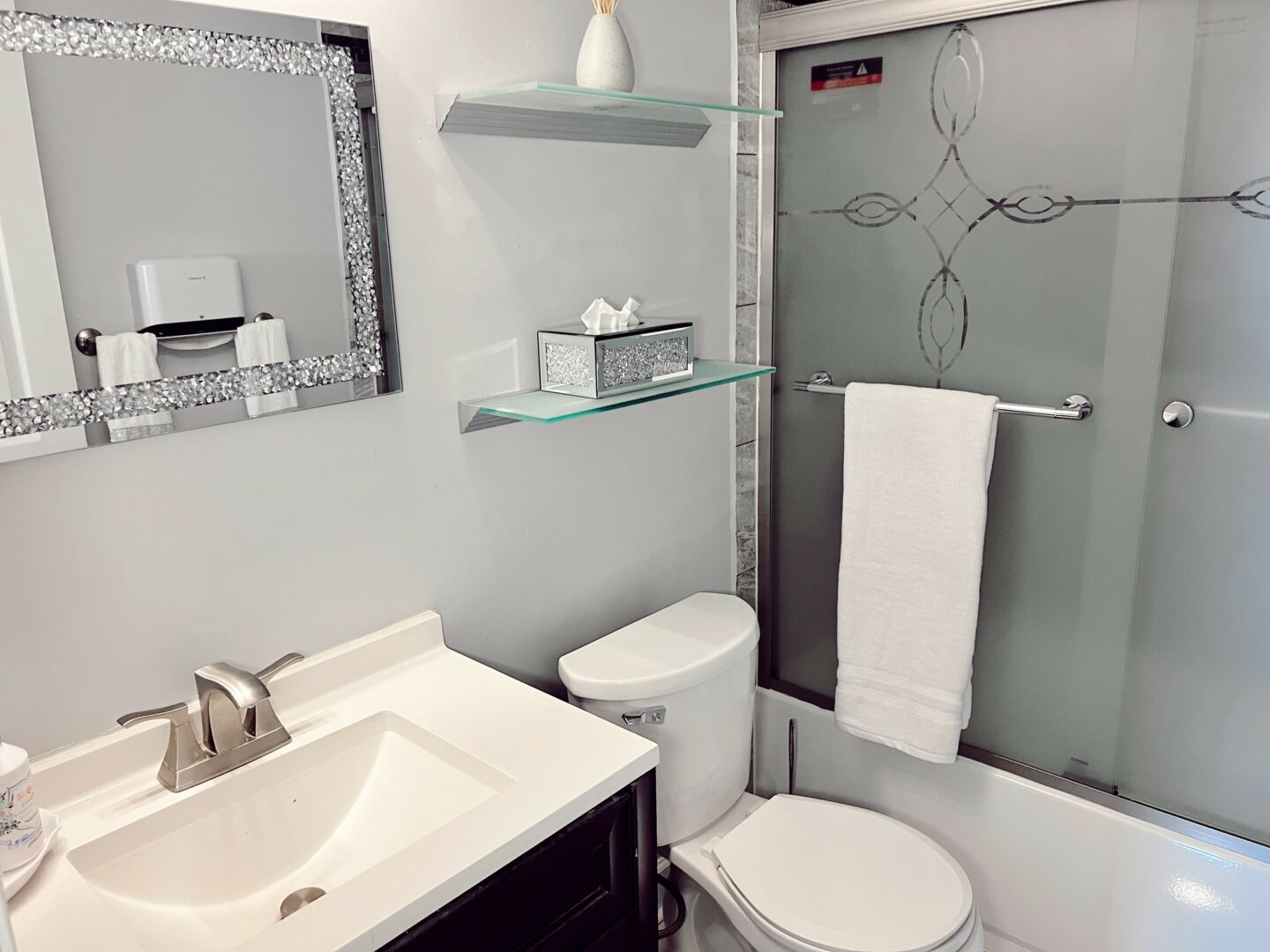
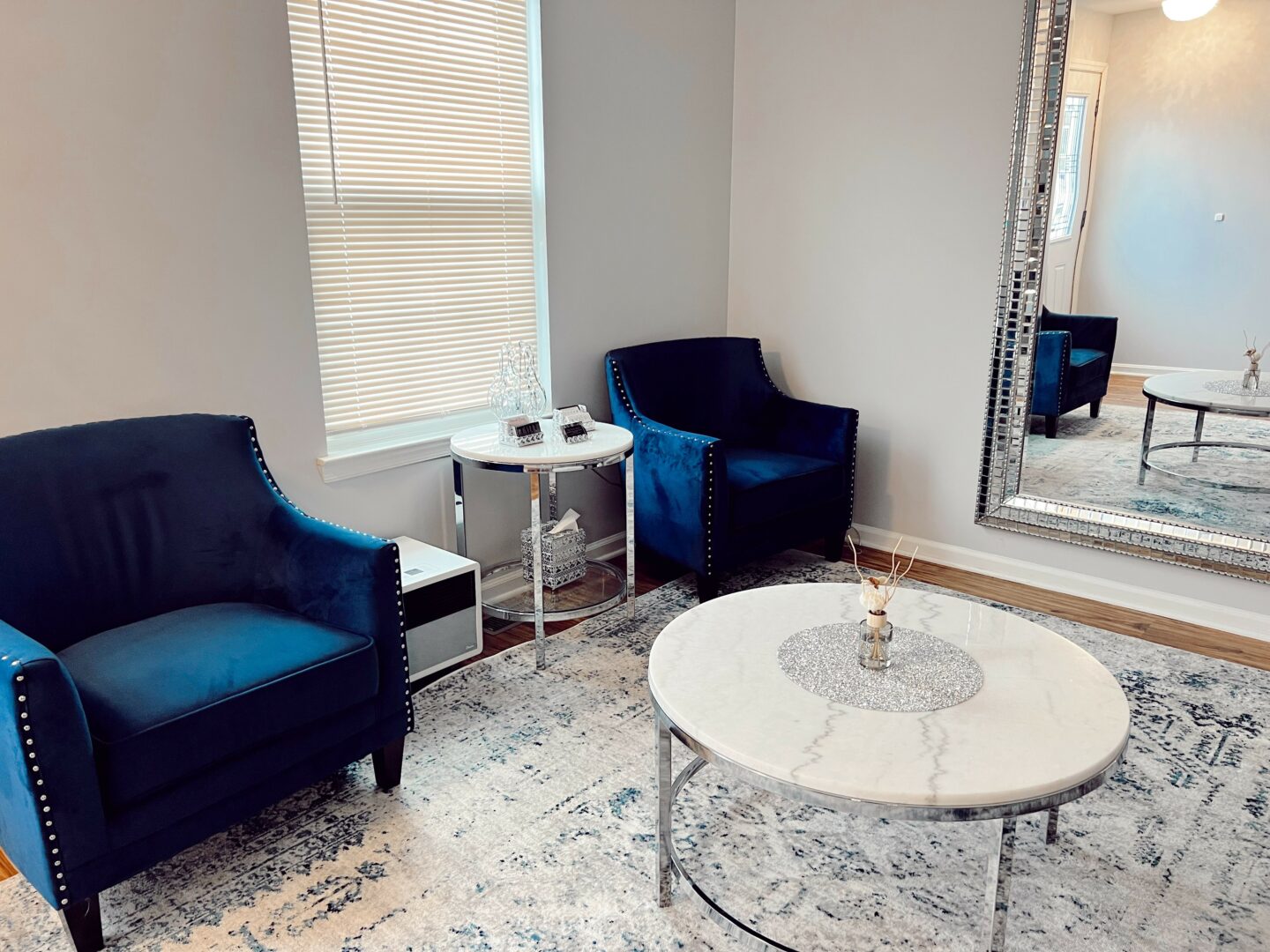
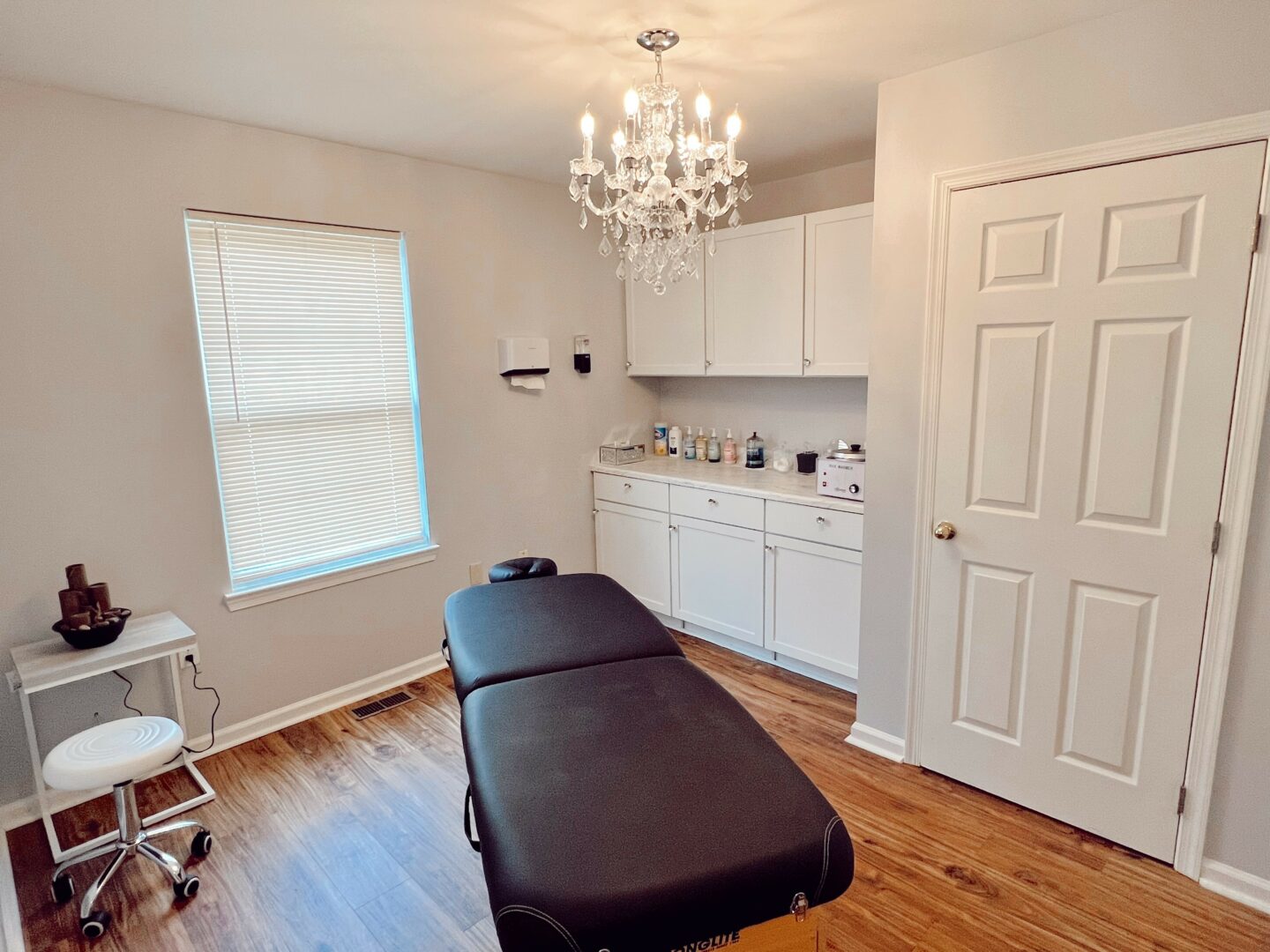
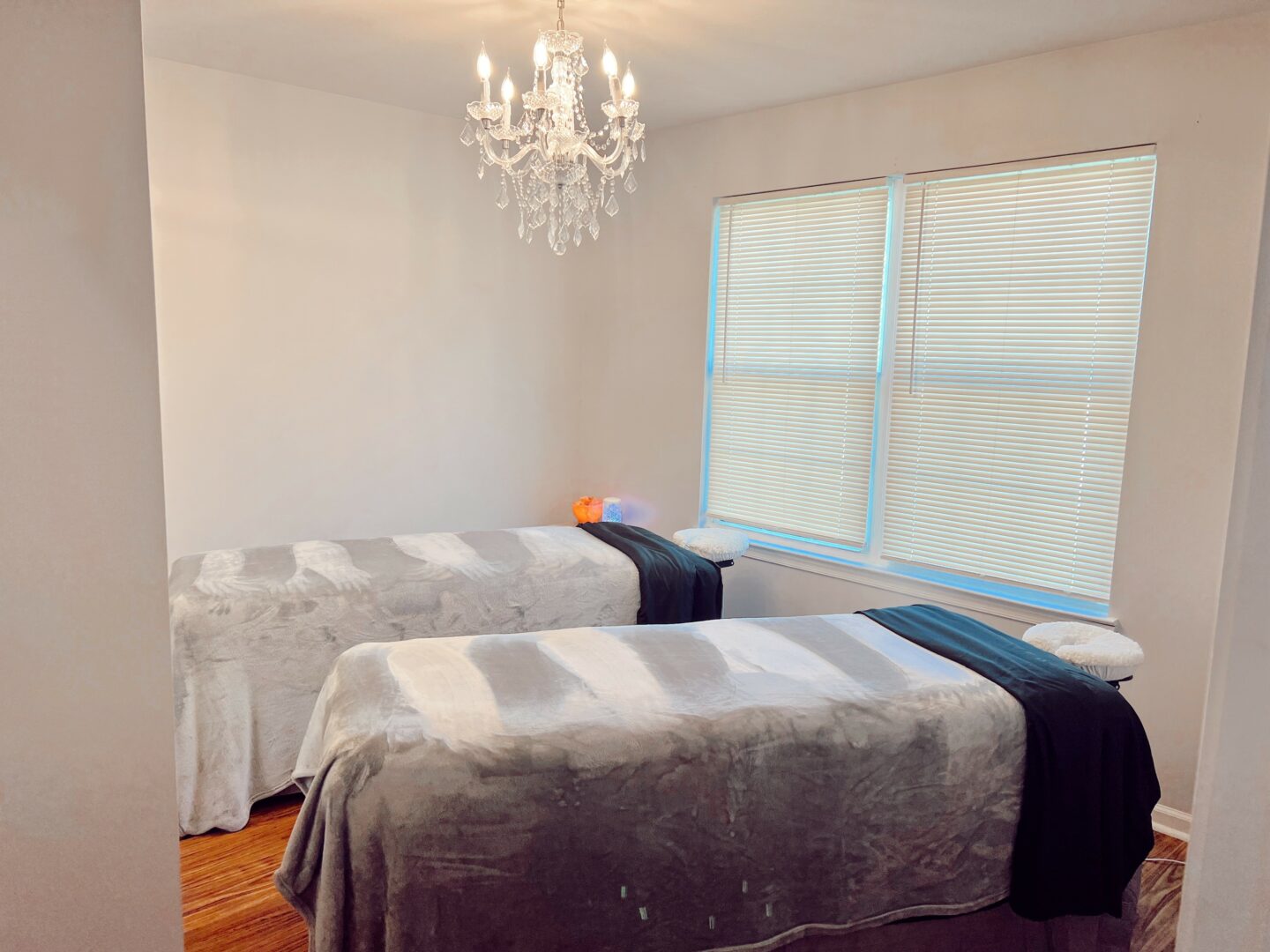
I’m the founder of The Vanity Room, a beauty and wellness studio I opened in February 2024. What I do is a mix of hands-on work, continued learning, and running a small business — all at the same time. A lot of my background comes from formal training and instructors who really emphasized doing things correctly, safely, and with intention, and that still guides how I work today.
What feels most special to me is the trust clients place in us. People don’t just come in for a service — they come in with questions, concerns, and expectations, and I take that responsibility seriously. I try to make sure clients understand what we’re doing, why we’re doing it, and what to realistically expect. I think that transparency makes the experience feel more personal and less intimidating.
Since opening, I’ve learned quickly that running a business is very different from just being good at your craft. You’re balancing client care, staff, expenses, policies, and real-life economic changes all at once. A lot of our clients were government employees, so when layoffs happened, it affected them — and it affected us too. Navigating that while still keeping the business afloat has been one of the biggest learning curves.
Right now, I’m focused on building something sustainable. That means having clear policies, being upfront about expectations, and creating structure — even when those conversations feel uncomfortable. We’re a commission-based business, so predictability matters. It’s not about being rigid; it’s about being able to support the people who work here and continue offering quality service.
I’m also really focused on growing intentionally. Instead of rushing expansion, I want to refine what we already offer, continue learning, and slowly introduce new services and retail products in a way that makes sense. The Vanity Room is still young, but it’s been built through a lot of learning, adapting, and showing up — and that’s something I think a lot of small business owners can relate to.


There is so much advice out there about all the different skills and qualities folks need to develop in order to succeed in today’s highly competitive environment and often it can feel overwhelming. So, if we had to break it down to just the three that matter most, which three skills or qualities would you focus on?
If I had to pick three, I’d say education, adaptability, and communication.
Education was huge for me, and not just in terms of learning my craft. It also meant understanding everything required to legally and responsibly run a business. That included state board regulations, continuing education requirements, switching from residential to commercial zoning, and meeting state and county requirements just to open the salon. On top of that, there’s the financial side — learning about taxes, working with an accountant and bookkeeper, using tools like QuickBooks, understanding profit and loss, and navigating things like 1099s and payroll. None of that is glamorous, but it’s essential. My advice would be to take the time to learn it or get professional help early — it protects you and your business in the long run.
Adaptability is another big one. No matter how much you plan, things change — the economy shifts, client spending changes, regulations update, staffing situations come up. Being able to adjust instead of getting stuck has made a big difference for me. Early on, staying flexible and open to learning helps you move forward without burning out.
The third would be communication and boundaries. That’s something I really had to grow into. Being clear with clients, staff, and even professionals like accountants or inspectors about expectations, policies, and responsibilities saves a lot of stress later. It can feel uncomfortable at first, but clear communication builds trust and keeps things running smoothly.
For anyone just starting out, I’d say don’t put pressure on yourself to have everything figured out right away. Focus on learning, stay adaptable, and communicate clearly. A lot of growth comes from experience, and that’s okay.

What would you advise – going all in on your strengths or investing on areas where you aren’t as strong to be more well-rounded?
I think it’s about being intentional with your time. If you really think about how limited time and energy are, it makes you more honest about what you should focus on. For me, that’s meant leaning into my strengths while making sure my weaker areas are supported, not ignored.
Going all in on my strengths is what allowed me to build momentum — things like my technical skills, client care, attention to detail, and the way I approach education and safety. That’s where I add the most value, and it’s what built trust early on. At the same time, running a business forced me to confront areas I wasn’t naturally strong in, like finances, systems, and leadership.
Instead of trying to be great at everything, I focused on understanding enough to make good decisions. I learned how to read profit and loss statements, work with an accountant and bookkeeper, use tools like QuickBooks, and understand payroll and 1099s — not to master them, but to stay informed and protected. That balance let me stay focused on what I do best without letting the rest become a liability.
I also think about it in terms of longevity. If I had a limited amount of time, I’d want to spend it doing meaningful work, being present with the people I care about, and building something sustainable — not constantly stretched thin trying to fix every weakness on my own. That perspective has shaped how I run my business and how I protect my energy.
For me, the goal isn’t to be perfectly well-rounded. It’s to lead with strengths, stay curious and responsible in the areas that matter, and build the right support around you so you can keep growing without burning out.
Contact Info:
- Website: https://www.thevanityroom.co
- Instagram: https://instagram.com/_thevanityroom__
- Facebook: https://www.facebook.com/profile.php?id=100071054681653
- Linkedin: https://www.linkedin.com/in/thevanityroom
- Other: [email protected]






so if you or someone you know deserves recognition please let us know here.