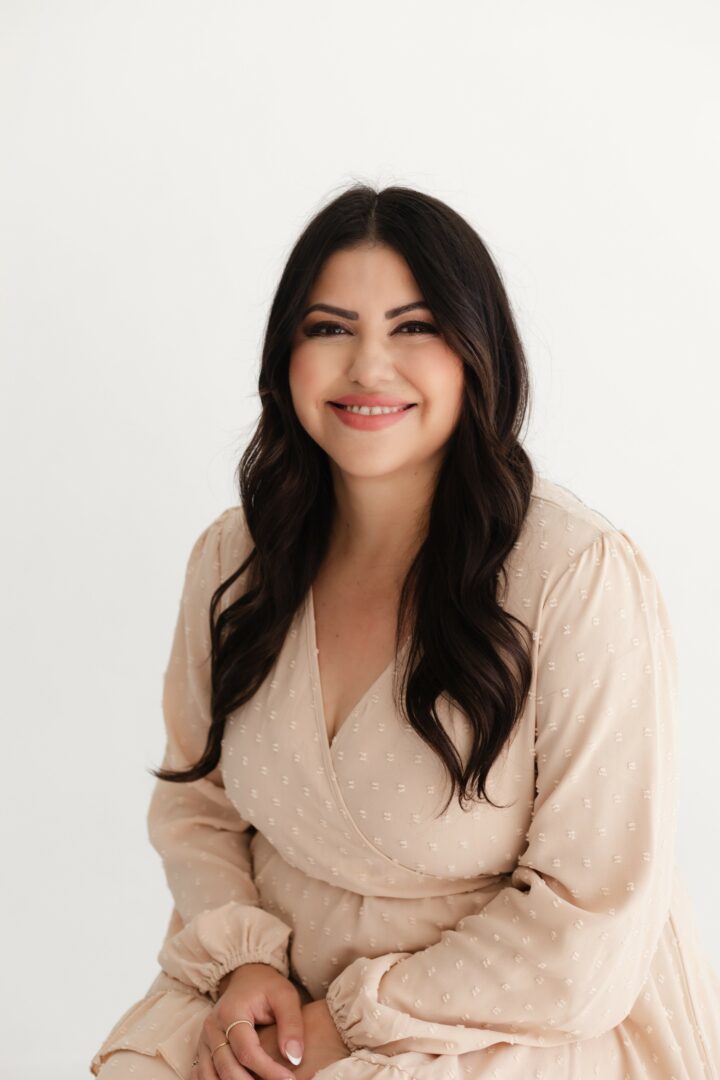
We caught up with the brilliant and insightful Patricia Alvarado a few weeks ago and have shared our conversation below.
Hi Patricia , great to have you with us today and excited to have you share your wisdom with our readers. Over the years, after speaking with countless do-ers, makers, builders, entrepreneurs, artists and more we’ve noticed that the ability to take risks is central to almost all stories of triumph and so we’re really interested in hearing about your journey with risk and how you developed your risk-taking ability.
My ability to take risks developed gradually through both my personal life and my professional journey. As a Latina and first-generation professional, there were many moments where I had to move forward without a clear roadmap. Early on, I realized that waiting until something felt completely certain often meant missing opportunities to grow. That mindset pushed me to take calculated risks—whether it was opening my own practice, expanding into new spaces, or stepping into leadership roles where I could advocate for culturally responsive mental health care.
Over time, I began to see risk not as something reckless, but as something thoughtful and intentional. In my work as a therapist and the founder of Alvarado Therapy, I often remind clients that growth rarely happens in perfect conditions. That perspective applies to my own life as well. Each step—starting a business, speaking publicly about mental health in our communities, and building programs that challenge stigma—required trust in my values and a willingness to move forward even when the outcome wasn’t guaranteed.
What strengthened that ability most was remembering why the work matters. When the purpose is clear—supporting healing, creating access to care, and building spaces where people feel seen—it becomes easier to take risks because they are rooted in something meaningful. Over time, those risks start to feel less like leaps and more like necessary steps toward the kind of impact you want to make.
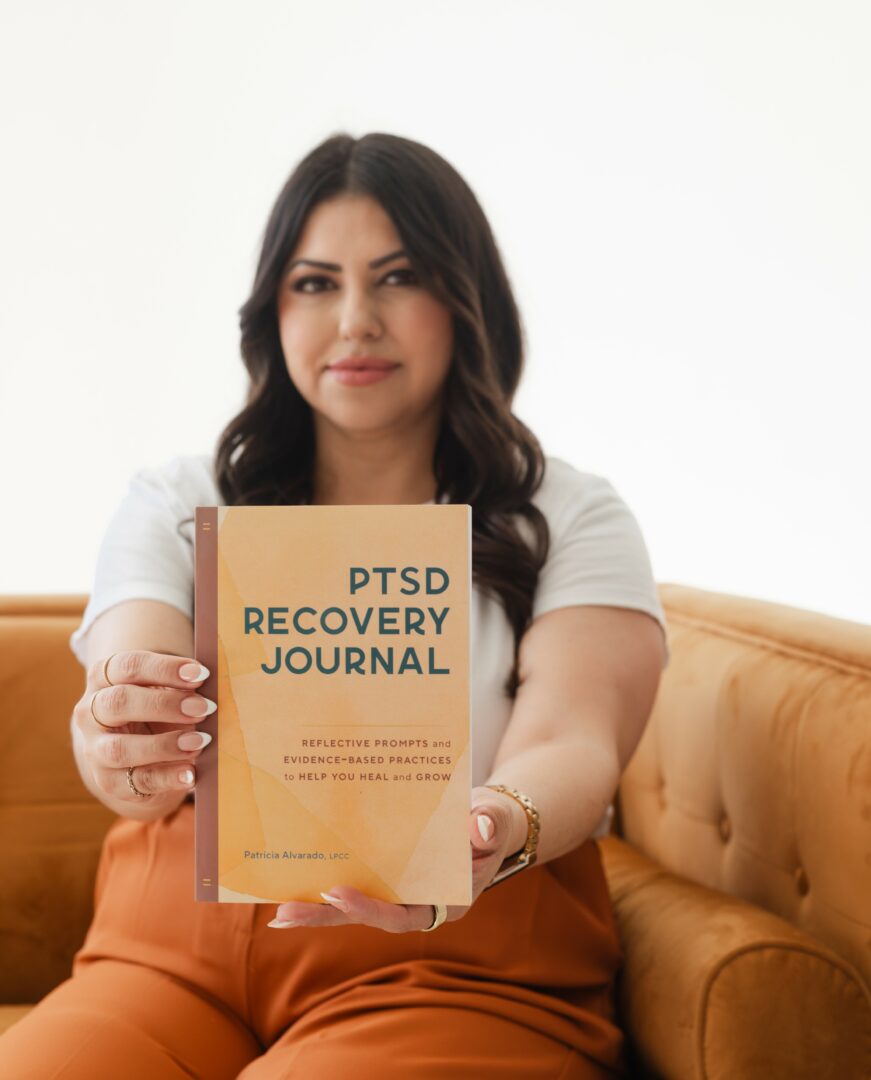
Appreciate the insights and wisdom. Before we dig deeper and ask you about the skills that matter and more, maybe you can tell our readers about yourself?
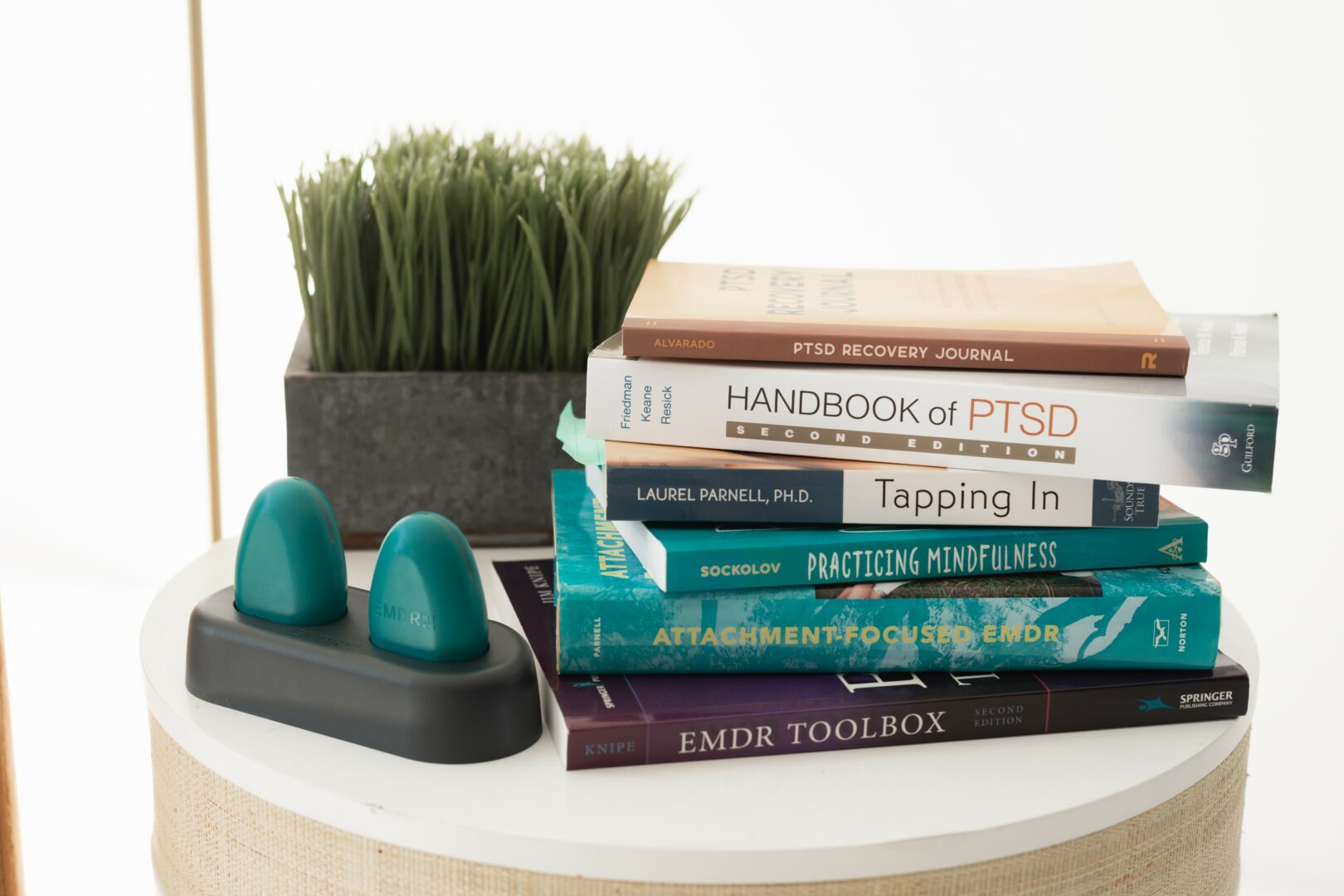
I’m a licensed psychotherapist and the founder of Alvarado Therapy, a trauma-informed group practice based in Southern California. Our work focuses on helping individuals and couples heal from trauma, strengthen relationships, and reconnect with the lives they want to live. Much of what we do centers on EMDR and culturally responsive care, particularly for communities that have historically faced barriers to accessing quality mental health services.
One of the things that feels most meaningful about this work is creating spaces where people feel truly seen and understood. As a Latina therapist, I’ve seen firsthand how powerful it is when clients don’t have to explain or translate their cultural experiences in the therapy room. At Alvarado Therapy, we’re intentional about reducing stigma around mental health and making care more accessible through bilingual services, trauma-informed approaches, and a team that reflects the communities we serve.
What excites me most is the way this work continues to grow beyond traditional therapy. In addition to clinical services, I spend a lot of time speaking, teaching, and creating resources that help bring mental health conversations into community spaces. Whether that’s leading workshops for organizations, training leaders on trauma-informed practices, or developing tools that people can use in their daily lives, the goal is always the same: to make mental health support feel approachable, empowering, and rooted in real life.
Looking ahead, I’m continuing to expand the ways we share these resources—through workshops, digital tools, and partnerships with organizations that want to prioritize wellbeing in their communities. Mental health shouldn’t feel out of reach, and I’m passionate about building a practice and brand that helps bring healing and resilience into more spaces where people live, work, and lead.


If you had to pick three qualities that are most important to develop, which three would you say matter most?
Looking back, three things have made the biggest difference in my journey: resilience, a willingness to take thoughtful risks, and staying grounded in purpose.
Resilience has been essential. Building a career in mental health, starting a practice, and stepping into leadership roles comes with challenges and uncertainty. There are moments where things don’t go as planned, but learning to stay steady, adapt, and keep moving forward has been critical. For people early in their journey, I would encourage them to focus less on perfection and more on persistence. Growth often comes from the moments that feel difficult.
A willingness to take thoughtful risks has also played a big role. Many of the opportunities that shaped my path came from stepping into something before I felt completely ready—starting my practice, expanding services, or putting my voice out there through teaching and speaking. My advice is to prepare well, stay grounded in your values, and trust that you can figure things out along the way. Waiting for perfect certainty can keep people from taking meaningful steps.
A strong sense of purpose has been the anchor behind everything I do. My work is deeply connected to increasing access to culturally responsive mental health care and reducing stigma in communities that haven’t always had that support. When your work is tied to something meaningful, it helps guide decisions and keeps you motivated through challenges. For those early in their journey, I would encourage them to stay connected to the reason they chose this path in the first place. Skills can be learned over time, but purpose is what sustains the work long term.
Before we go, any advice you can share with people who are feeling overwhelmed?
When I start to feel overwhelmed, the first thing I try to do is pause and slow things down. In my work and personal life I often juggle many responsibilities, so I’ve learned that pushing through the overwhelm usually makes it worse. Taking a moment to step back, breathe, and create a little space helps me reset and think more clearly.
One strategy that helps me is breaking things down into smaller, manageable steps. When everything feels urgent, it’s easy to feel stuck. I’ll look at what actually needs my attention right now and focus on one or two priorities at a time. That shift from “everything at once” to “one step at a time” makes a big difference.
I also try to reconnect with things that help me regulate and recharge. Sometimes that’s going for a walk, spending time with my son and family, or simply stepping away from work for a little while. As a therapist, I talk a lot about the importance of self-care and emotional regulation, and I try to practice those same things in my own life.
For anyone feeling overwhelmed, my biggest advice is to remember that it’s okay to slow down and ask for support. You don’t have to carry everything alone. Taking care of your well-being is not a distraction from your work—it’s what allows you to keep showing up in a sustainable way.
Contact Info:
- Website: https://alvaradotherapy.org
- Instagram: https://www.instagram.com/alvaradotherapy/
- Facebook: https://www.facebook.com/alvaradotherapy
- Linkedin: https://www.linkedin.com/in/patricia-alvarado-founder/
- Youtube: https://www.youtube.com/@Alvaradotherapy
- Other: https://calendly.com/alvarado-therapy/connectwithalvaradotherapy

so if you or someone you know deserves recognition please let us know here.