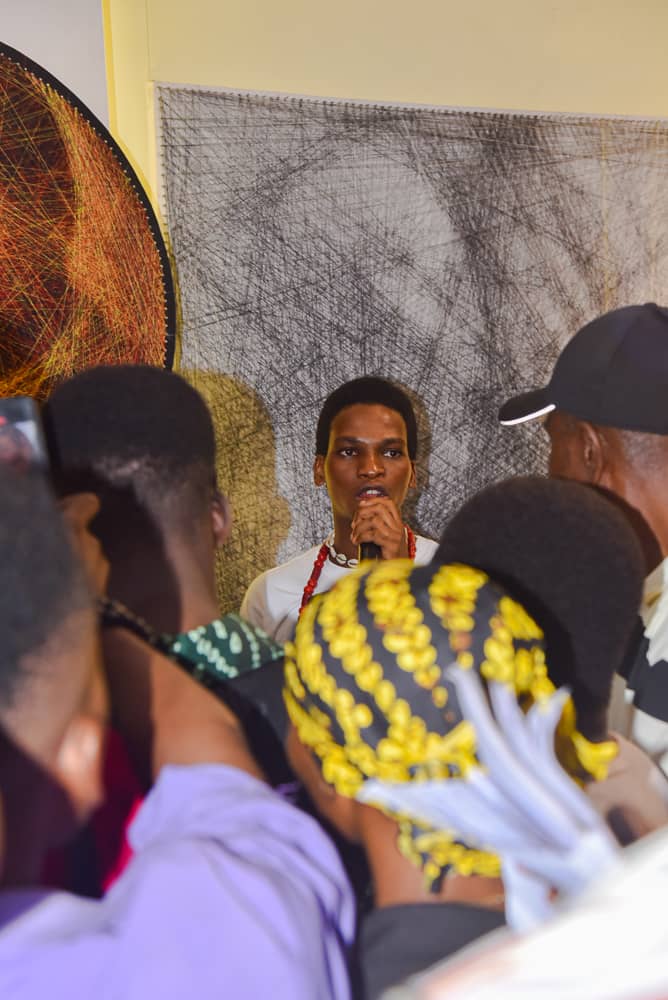
We recently connected with Segun Owolabi and have shared our conversation below.
Hi Segun , appreciate you sitting with us today to share your wisdom with our readers. So, let’s start with resilience – where do you get your resilience from?
My resilience was shaped by necessity and repeated risk. In early 2025, around February, I was at my lowest financially. I had nothing to show for the years of work, but that was the point where I decided to take my art seriously and go fully professional. The problem was simple: I had no capital. No savings. No safety net.
I borrowed money from friends, from the bank, just to buy materials and start working. I was producing work I wasn’t even sure would sell. One particular piece I worked on that February was meant for a competition whose results wouldn’t be announced until October. I had to commit to the work long before there was any possibility of validation. That entire period, I was struggling badly. There were days I had no food because everything I had went into materials. I was working purely on belief; belief in myself and in the fact that art was the one thing I knew how to do honestly.
By October, that work won the competition. But the story people don’t see is that I had to survive the months in between. Debts piled up. Doubt stayed present. I just kept going. By the end of that year, I was able to pay back everything I owed, simply because I took that risk.
There were other moments that tested me. I remember borrowing money for transport to attend a program, getting to the park, and the only vehicle going my way was one transporting a corpse to Kano. I wasn’t proud of it. I entered reluctantly. But attending that event changed everything. I met someone there who connected me to information that later led to another national award.
That pattern has repeated itself in my life. Rejections turned into invitations. Galleries that declined my applications later approached me after seeing my work on stage. Competitions that turned me down one year invited me back the next. In 2025 alone, I won two national awards and completed my first residency, which led to sales, visibility, and momentum.
So resilience, for me, isn’t about toughness. It’s about showing up when conditions are hostile. Borrowing money when necessary. Refusing to miss opportunities. Continuing even when outcomes are invisible. Every hard situation has taught me that difficulty is often a signal; not to stop, but to lean in. That understanding is what keeps me moving.
Let’s take a small detour – maybe you can share a bit about yourself before we dive back into some of the other questions we had for you?
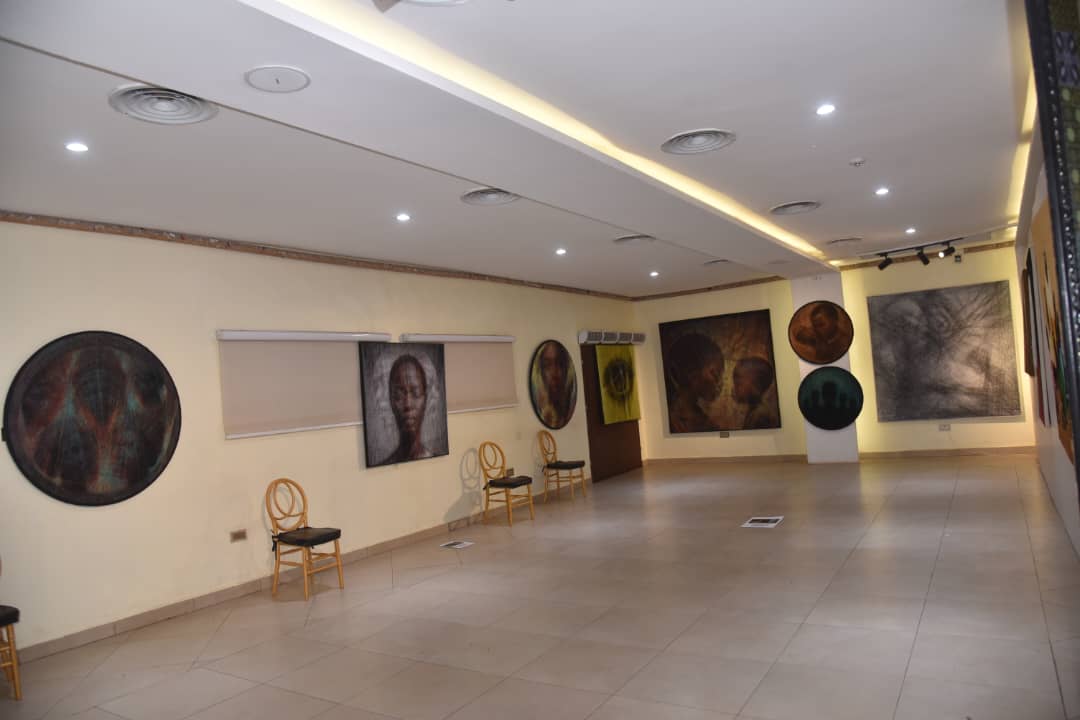
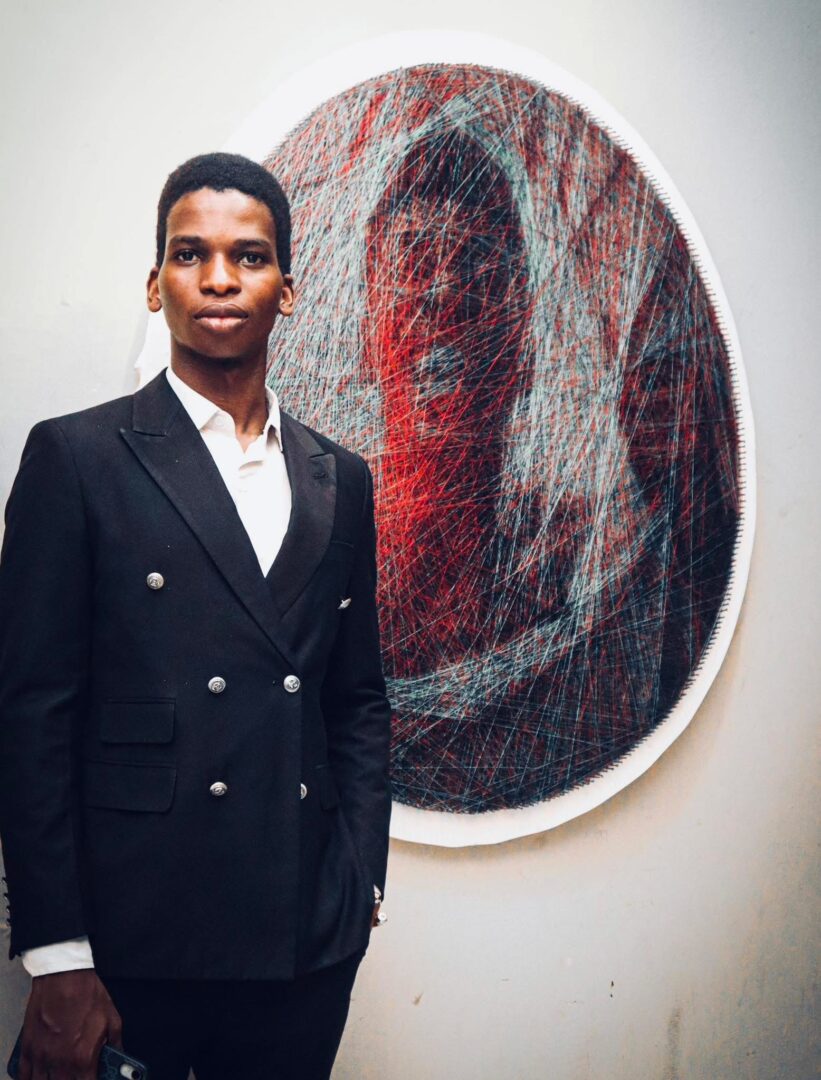
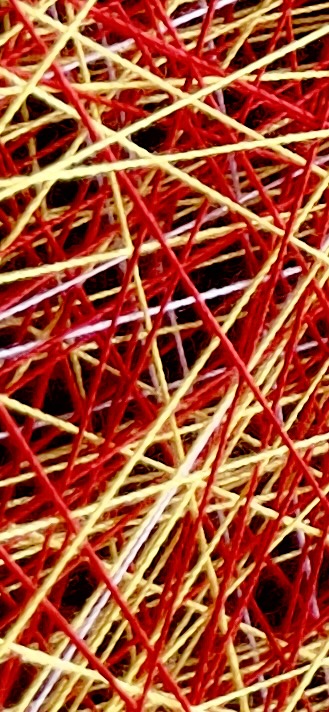
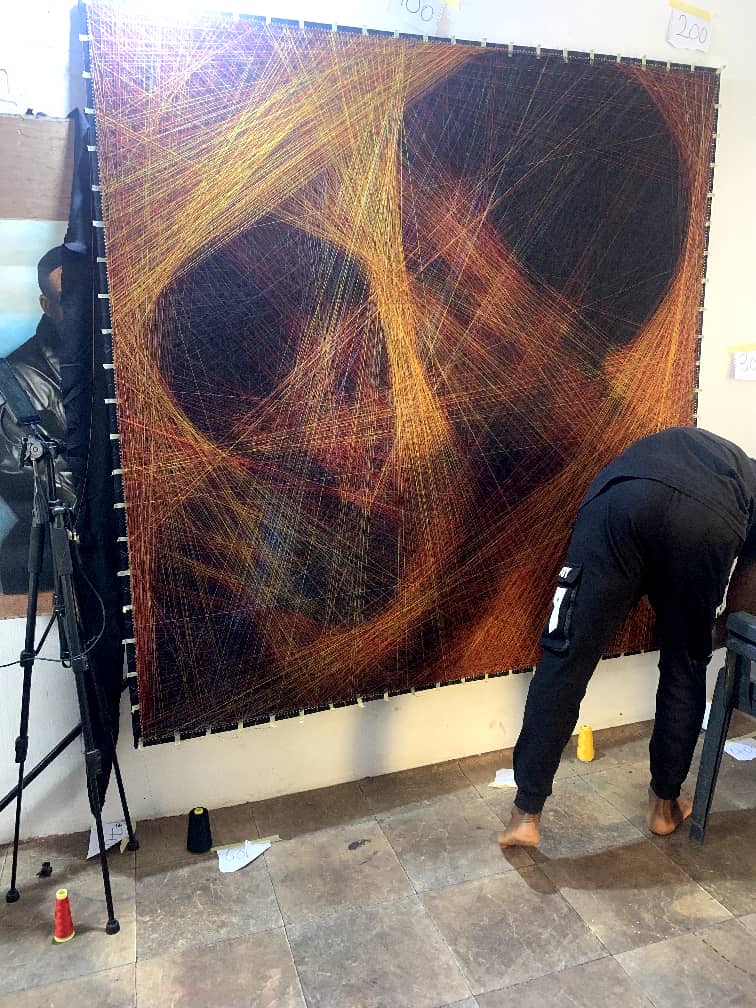
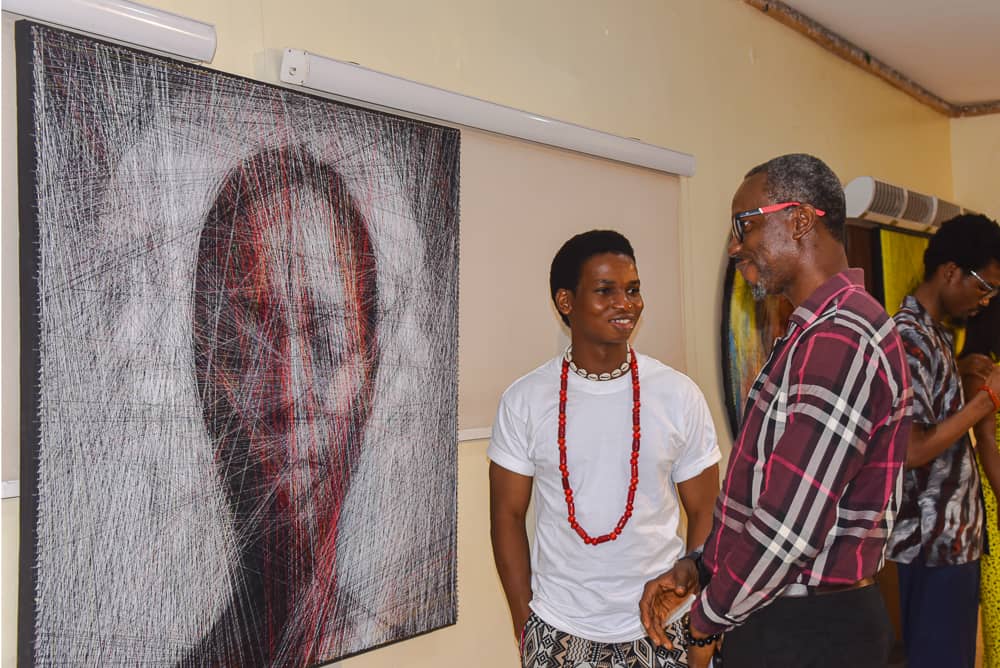
I am a visual artist working primarily with thread, tension, and layered surfaces. I use thread not just as a material, but as a metaphor, for time, pressure, restraint, memory, and connection. Each work is built slowly, line by line, allowing accumulation to carry meaning.
What excites me most about my practice is the way it mirrors life. Thread demands patience. It resists shortcuts. Once placed, it carries consequence. That discipline has shaped how I work and how I move through the world. Many of my recent works explore resilience, faith, quiet endurance, and the unseen labor behind survival. I’m interested in the spaces between strength and vulnerability, and how people carry weight without spectacle.
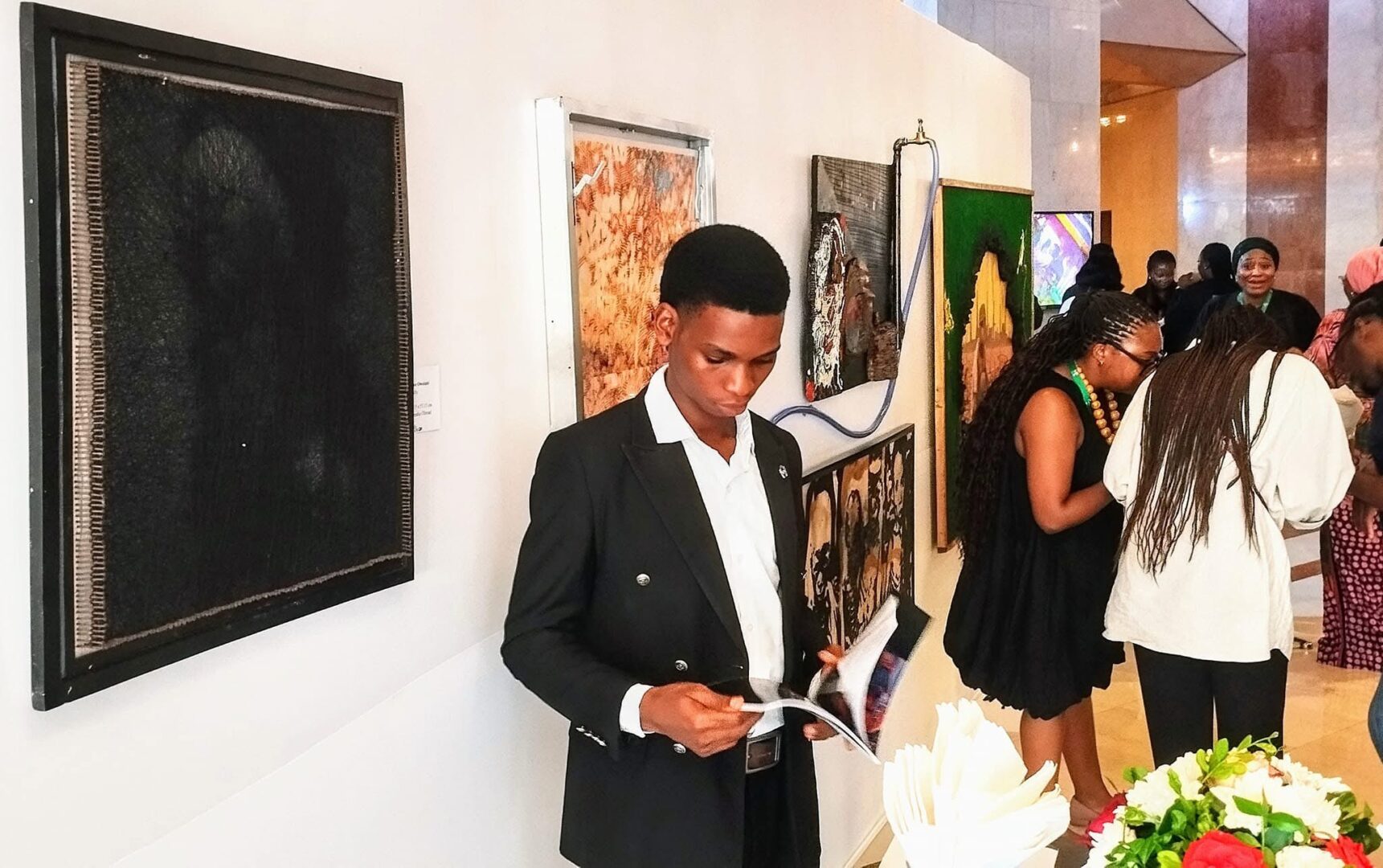
Professionally, I’ve become more intentional about positioning my work within larger conversations. In the past year, my practice has gained national recognition through awards, exhibitions, and my first residency, which marked a turning point for me. These moments weren’t endpoints, but confirmations that the work could stand on its own if given enough honesty and time.
At the moment, I’m focused on deepening my studio practice while expanding my presence within institutional and curatorial spaces. I’m developing new bodies of work that push the material and conceptual limits of thread as a medium, while remaining rooted in personal history and lived experience. I’m also increasingly interested in how African narratives of labor, belief, and survival can be translated into contemporary visual language without losing their nuance.
My brand, if it can be called that, is built on integrity of process rather than speed or trend. I’m not interested in making work that explains itself easily. I’m interested in work that stays with you, work that rewards patience, much like the process that created it.
If you had to pick three qualities that are most important to develop, which three would you say matter most?
Faith in myself has always been at the core. There were times when I had no resources, no visibility, and no guarantees, just an idea and a commitment to see it through. Taking risks, even when it didn’t make sense on paper, kept me moving. For anyone starting out, the lesson is simple: trust your process, even when the outcome is unclear. You have to act before the world validates you.
Patience has been essential, particularly in art. Nothing happens overnight. Works take time, opportunities take time, and recognition takes time. Learning to sit with uncertainty and keep producing, without immediate reward, trains you in endurance. For those early in their journey: focus on the process, not the applause. The results often come when you least expect them.
Adaptability has allowed me to turn setbacks into openings. Rejections, failed applications, financial constraints, all of these were opportunities to think differently, to find another path, or to stretch my skills. Life rarely unfolds as planned, so learning to pivot and make use of what you have is crucial. For newcomers: every challenge is a chance to learn something new about your craft, your character, or your world.
If I were giving advice, it would be this: cultivate trust in yourself, commit to the long game, and remain flexible. Those three qualities have carried me through the toughest moments and opened the doors I didn’t even see coming.
As we end our chat, is there a book you can leave people with that’s been meaningful to you and your development?
There’s one book that had a profound impact on my understanding of resilience: Outwitting the Devil by Napoleon Hill. The book taught me how fear, scarcity, and distractions, even poverty, can keep you busy chasing survival instead of your purpose. It made me realize that when you focus only on immediate needs, you get trapped in cycles the world wants you to stay in. But when you focus on purpose, even hunger, debt, and uncertainty can be managed.
I saw this in my own life. In early 2025, I had no money, yet I decided to take my art seriously and go fully professional. I borrowed funds from friends and banks just to buy materials, sometimes going days without food. I worked on pieces for competitions that wouldn’t be judged for months. Most of the time, I had no idea if my efforts would pay off.
But I kept my focus on the work, on the purpose and not on the immediate lack. By October, the piece I had labored over won a national competition. The debts I’d accumulated were later cleared, and doors I couldn’t have imagined began to open. Looking back, I see that the book’s lesson was already at work in my life: when your energy is directed toward meaningful goals, the immediate struggles don’t disappear, but they stop controlling you.
Reading this book helped me understand that resilience isn’t just endurance. It’s seeing beyond the temporary discomforts, keeping your purpose in focus, and acting even when the odds seem stacked against you. That mindset has carried me through every challenge since.
Contact Info:
- Instagram: https://www.instagram.com/owolabi_segun.art?igsh=MWttdzJlaDJ5Z3BwYw%3D%3D&utm_source=qr
- Facebook: https://www.facebook.com/share/1GCJpaygFG/?mibextid=wwXIfr
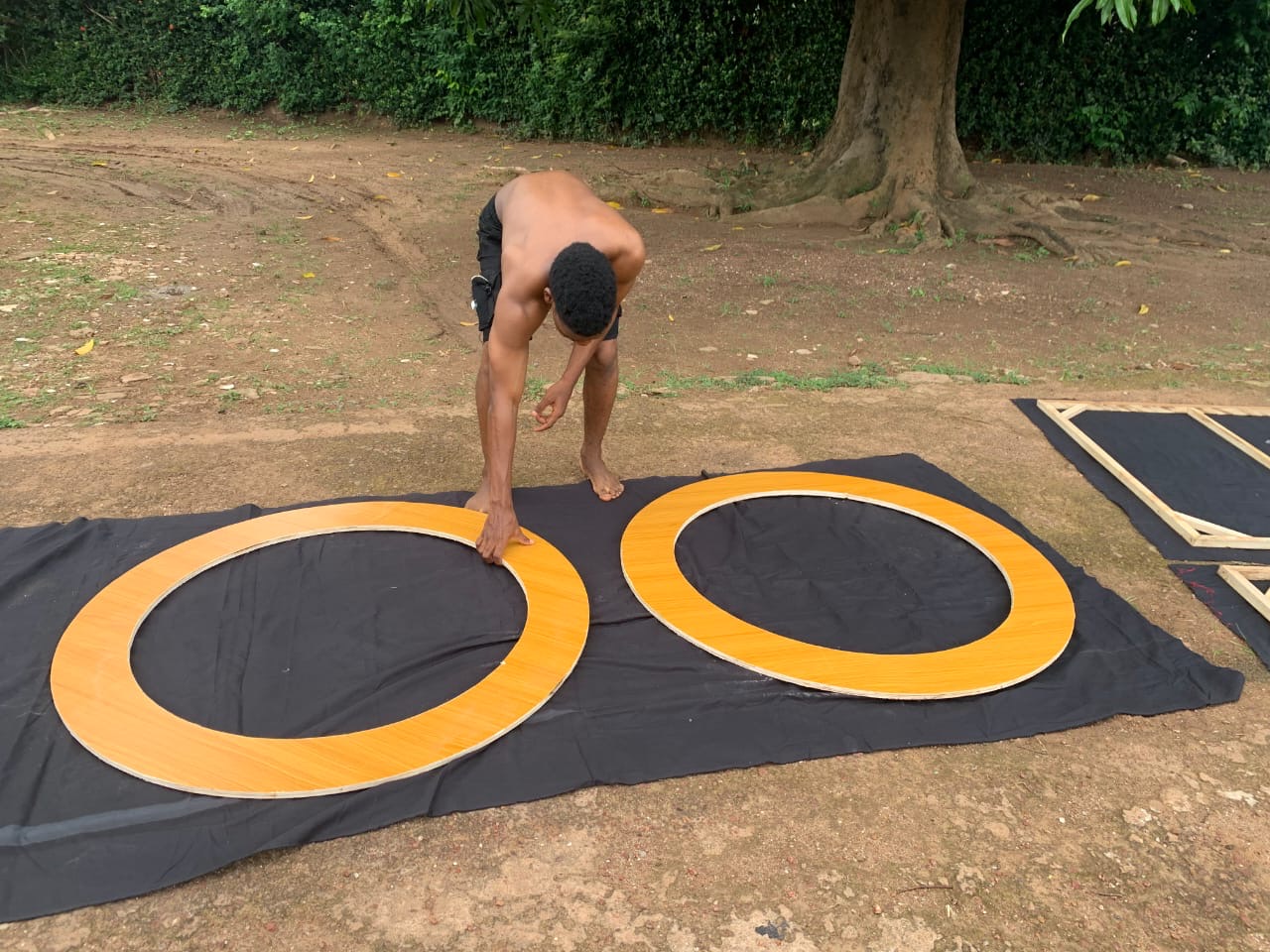
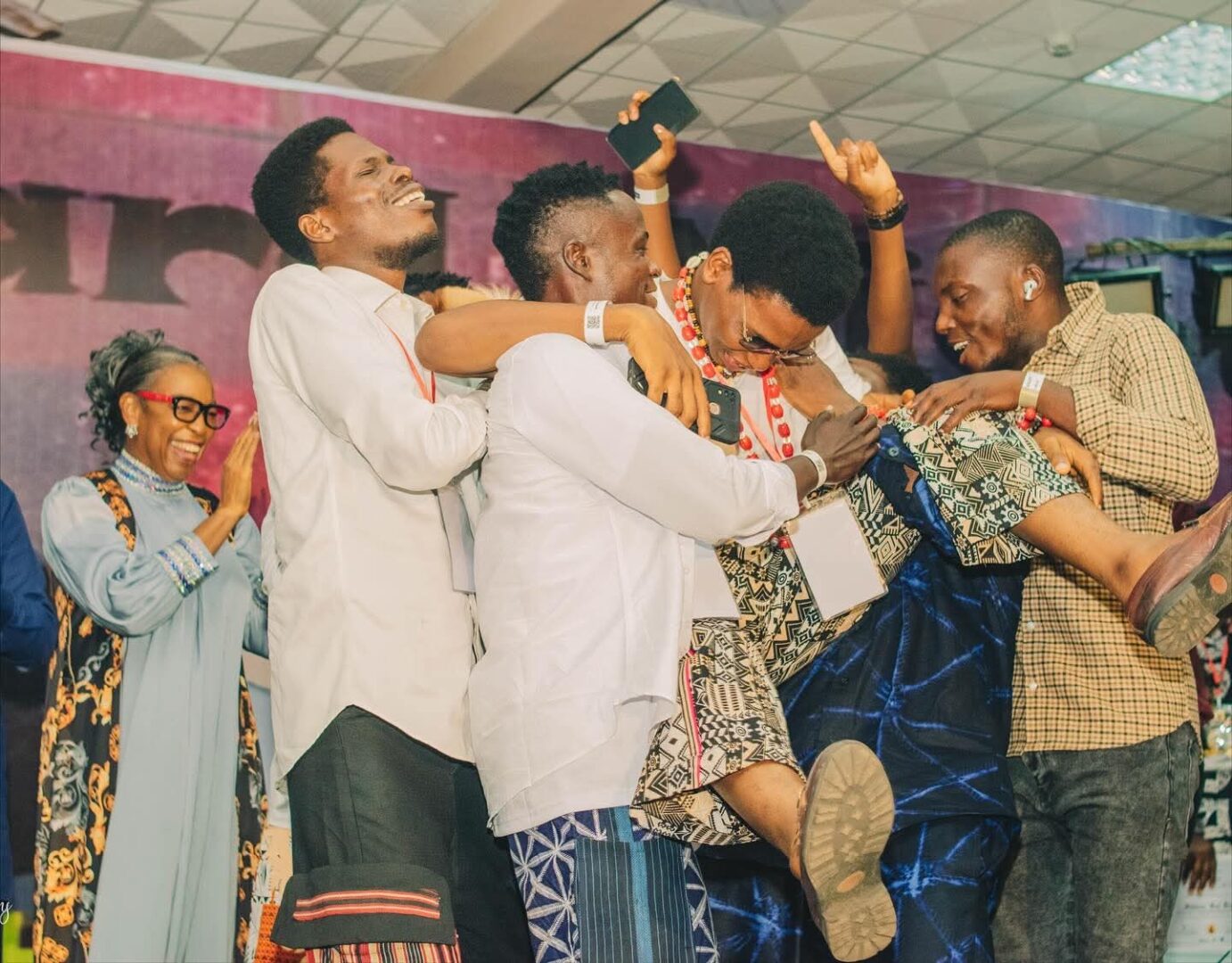
Image Credits
Enoch Uche,
Chichetam John Okoronta.
so if you or someone you know deserves recognition please let us know here.