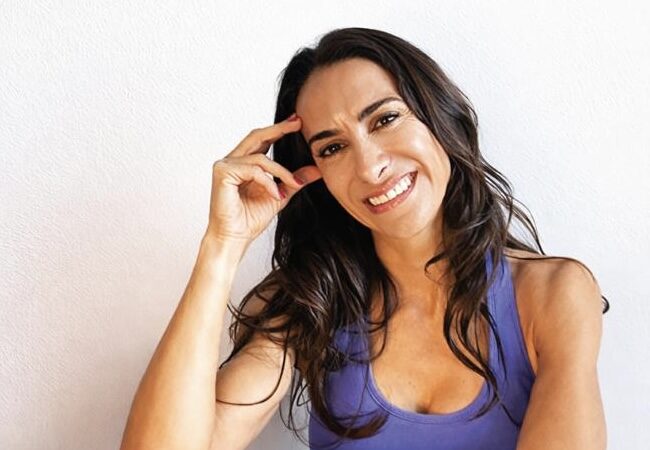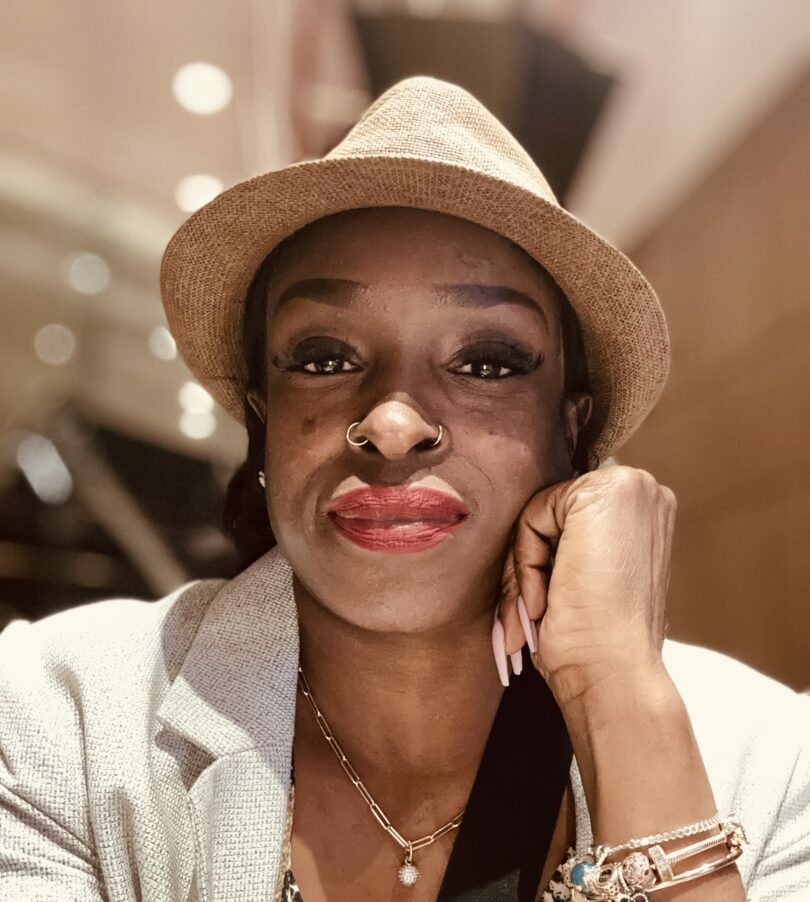
After decades in corporate and industry roles, Nina Lewis’s transition into full-time ministry and entrepreneurship reflects a profound shift from chasing traditional success to pursuing a purpose rooted in faith and impact. Guided by a deeper relationship with Christ, she now defines success not by titles or accolades, but by alignment with a higher calling and the ability to serve others meaningfully. Through her work, she aims to bridge the gap between faith and professional life — empowering individuals to stay grounded in their beliefs while navigating career growth and uncertainty. Embracing faith as both compass and foundation, Nina’s journey highlights the power of trusting the unknown and stepping into a path shaped by purpose, resilience, and spiritual conviction.
Nina, after 25 years in your industry and over a decade in corporate, what led you to make the decision to transition into full-time ministry and entrepreneurship?
After 25 years in the industry and more than a decade in corporate roles, you might wonder what led me to make the leap into full-time ministry and entrepreneurship. For me, it all boils down to one key realization: the difference between my will and God’s will.
For many years, I chased my passions, believing they defined my purpose. But as I grew in my faith and developed a deeper relationship with Christ, I began to feel a shift. It was as if He gently nudged me onto a new path, aligning my journey with a greater purpose I hadn’t fully grasped before.
I’ve always approached my career with intention, and I firmly believe that every role and experience has been essential in preparing me for the challenges of ministry and entrepreneurship. Timing and seasons are important to me, and when I found myself stuck in a season that felt increasingly uncomfortable, I started to question everything. Why was I blessed with so much creativity and so many gifts if I couldn’t use them to their fullest?
That discomfort sparked a desire in me to pursue God’s vision for my life. As I sought His guidance, new opportunities began to unfold, allowing me to choose a path that truly resonates with my heart. I’m excited about this journey and the belief that what God has in store for me is far greater than anything I had envisioned for myself.
You describe this as both a professional and deeply personal transformation. How has your perspective on purpose and success evolved through this journey?
I truly see this journey as both a professional and deeply personal transformation, one that has reshaped my perspective on purpose and success in ways I never anticipated. Initially, I viewed success through a conventional lens—defined by career milestones, titles, and financial achievements. It was all about the tangible accolades that society often celebrates.
However, as I embarked on this new path in ministry and entrepreneurship, my understanding of purpose began to deepen. I realized that true success isn’t about the accolades we accumulate but rather the impact we have on others and the legacy we leave behind. It’s about aligning our gifts and passions with a higher calling and using them to serve others.
Through this transformation, I’ve come to appreciate that our purpose often unfolds in layers. Initially, I chased what I thought was my purpose, only to discover that it was a stepping stone leading me toward something much more significant. Now, I view purpose as an ever-evolving journey rather than a destination.
For me, success has come to mean being in step with the Holy Spirit, allowing myself to be led rather than trying to forge ahead on my own. I’ve learned not to seek confirmation from past experiences or accolades but to walk confidently in the instructions I receive. This shift has helped me trust that I am walking the right path and not merely chasing what I think success should look like.
Faith and business can intersect in powerful ways. How are you planning to integrate your ministry work with your entrepreneurial ventures?
This is a fantastic question, and it resonates deeply with me. In the corporate world, I’ve witnessed many believers struggling to hold onto their biblical principles and faith, especially in environments that may not support or fully understand those values. This disconnect is often what keeps people boxed in, unable to move forward in their careers.
Even when our faith and purpose guide us to specific positions, it’s all too easy to lose sight of that faith. Many find themselves feeling trapped by fear, performing daily in a bubble that stifles their growth. It’s essential to remember that the destinations God leads us to are often temporary, and clinging to them out of fear can hinder our progress.
In my ministry and entrepreneurial ventures, I feel called to teach and empower others to remain steadfast in their faith, regardless of their circumstances, whether in corporate settings or personal pursuits. We must recognize that our faith and success are intertwined; there’s no separation between the two.
I plan to integrate these elements by creating spaces where individuals can openly explore their faith within their professional lives, offering support and guidance on how to navigate challenges without compromising their beliefs. Together, we can foster a community that encourages spiritual growth and professional development, helping each other understand that success isn’t just about achieving goals but remaining anchored in faith throughout the journey.
Making a major life shift can be challenging. What has helped you navigate the uncertainty and step confidently into this next chapter?
Describing a major life shift as “challenging” is an understatement. There are truly no words that can fully capture how difficult it can be to willingly step out of our comfort zones. Yet, throughout this journey, I’ve found reassurance in the undeniable evidence of God’s guidance and support.
Every step I’ve taken thus far has been marked by moments where I witnessed His faithfulness. Even when I was pursuing my own desires, I found comfort in knowing that following His instructions would lead me to something even greater. This understanding has become my source of confidence—it’s not about what I can do to reassure myself, but about the faith that undergirds every decision I make.
Ultimately, this experience has taught me that walking in faith often means embracing uncertainty. It’s about trusting that God has a plan and that He will sustain me through each challenge I encounter. This truly is a faith walk, and I’m grateful for the strength I’ve found in it.
For others who feel called to pursue a different path but are hesitant to take the leap, what advice or encouragement would you offer?
For those who feel called to pursue a different path but are hesitant to take that leap, I believe it’s essential to recognize that hesitation can often equate to resistance—especially in a spiritual context. My advice would be to start by examining that resistance. Reflection can reveal where it originates and why you may feel reluctant to let go of your current situation.
Take the time to ask yourself what’s holding you back from believing in something greater. Those moments of honest self-reflection can be incredibly illuminating. Often, it’s your inner spirit urging you to move forward and trust God more than your own past experiences.
Letting go of resistance opens the door to new possibilities, and while the leap may feel daunting, remember that faith is a journey. Embrace the process, and don’t be afraid to step into the unknown. Trusting in God’s plan can lead to extraordinary outcomes you never imagined.