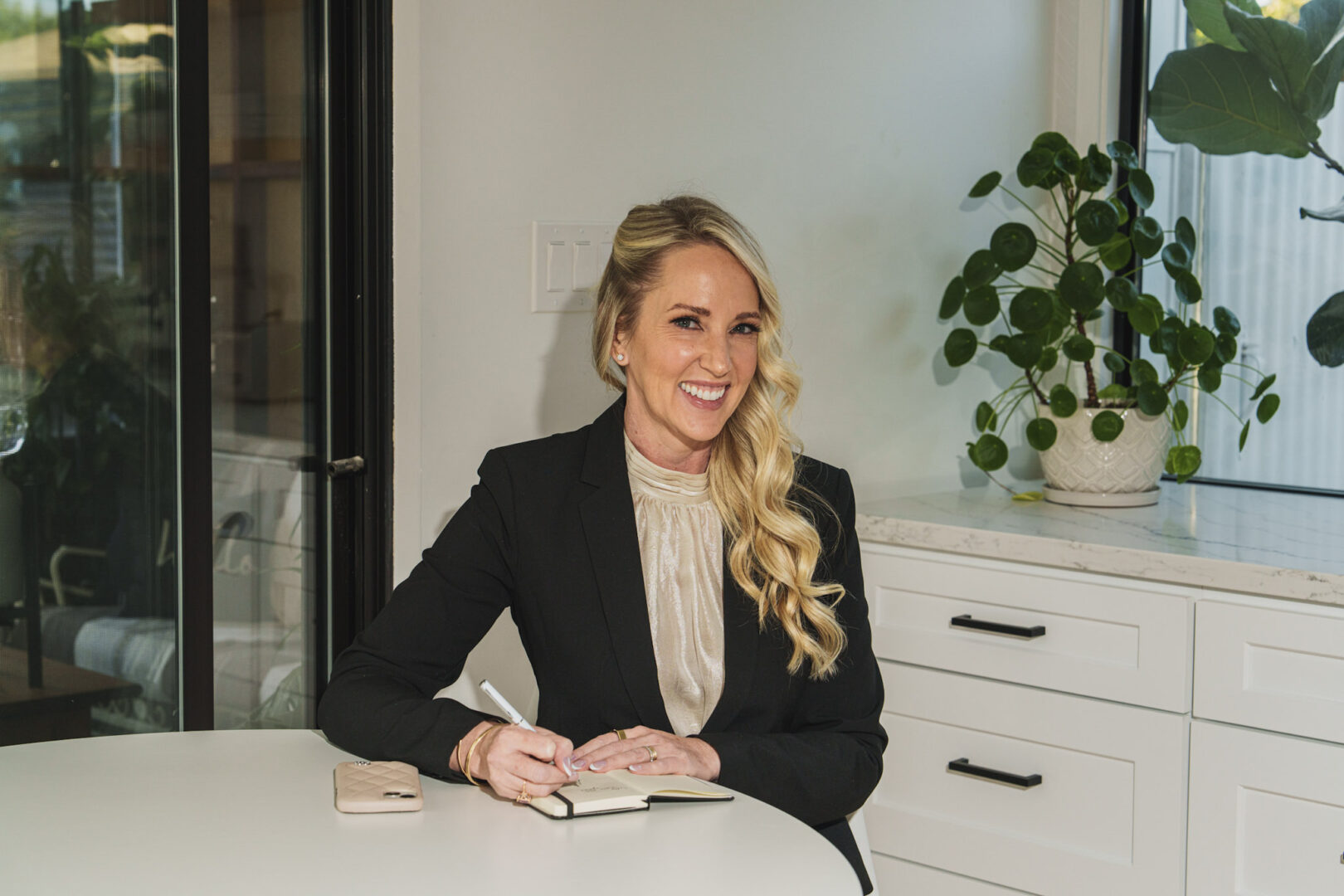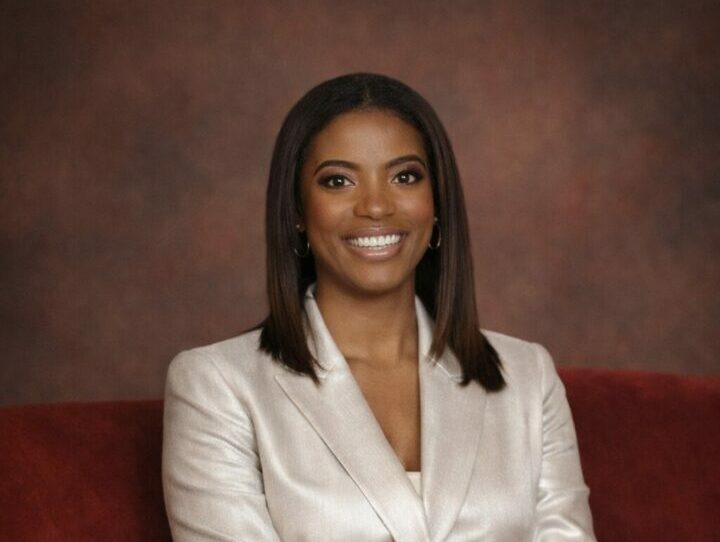
Rhonda Green is transforming personal healing into a practical roadmap for lasting change through her S.A.I.L.® mentorship. After recognizing that healing alone doesn’t prevent repeated patterns, she built a system rooted in intentional decision-making rather than emotional reaction — especially in relationships. By helping women rebuild self-trust, establish boundaries, and choose differently moving forward, Rhonda is creating a movement centered on clarity, accountability, and sustainable freedom. As she scales her work, her vision is clear: a community where intentional living isn’t just taught, but consistently practiced.
Rhonda, your work comes from deeply lived experience. What was the turning point where you decided to transform your healing journey into a structured mentorship like S.A.I.L.®?
I thought I was over some things but I was still at risk of repeating the same patterns because I did not yet have a clear framework to guide my choices. A lot of people say they are healed but still make the same bad choices in relationships. That must mean healing alone is not enough, so I created a system for decision-making.
Many women, including myself at one point, were leaving unhealthy relationships but were not equipped to choose differently moving forward. That awareness shifted everything for me. I knew my experience could not just be a story, it had to become a structure. That is how S.A.I.L.® was born. I don’t want to just survive after surviving but really live a good life.
Your approach emphasizes decision-making over emotion, especially in dating. Why do you think so many people struggle to lead with clarity instead of feelings?
Have you ever heard the saying “follow your heart”? When it comes to relationships, how often were you told to follow your heart versus being told to think about what the relationship is doing to your heart. We have to separate emotions from decisions. You can do that by evaluating what is healthy, safe, or sustainable.
If your relationships are always traumatic, that becomes your normal. That dysfunction can blur red flags in the next relationship. This cycle creates emotional attachments that feel like connection but are actually rooted in familiarity or survival patterns. If you don’t take the time to really think about what’s going on, your emotions will kick in and ‘think’ for you. I am not saying to remove emotions from relationships but don’t start with emotions. There is a short PDF on my website called “Before The Butterflies.” It helps people slow down and make decisions that align with their values, not just their feelings. When you are ready to date, read my other book “40 Questions Before A First Date”.
40 Questions Before A First Date challenges traditional dating norms. What are a few powerful questions people should be asking early on that they often overlook?
I don’t care for surface-level questions when you are romantically interested in someone. I need information that tells me your values. Instead of just asking what someone does, we should be figuring out how they think and how they show up in relationships. I won’t tell the exact questions, but a few of them are centered around:
- How conflict is handled
- What accountability looks like
- What lessons were learned from past relationships
- How respect or lack of is identified.
Your conversations when getting to know someone should reveal patterns, emotional maturity, and self-awareness.
You focus on helping women not just leave unhealthy situations, but stay free. What are the most common patterns or cycles you see survivors fall back into?
I only work with women who are no longer with their abusers. Women often return to their abusors and try to work it out and then they end up being abused again. I know because I was one of those women. Being free requires the victim to make a decision. That goes back to what I said earlier – make an intellectual decision instead of following your heart. One of the most common patterns is returning to familiarity, even when it is unhealthy. Survivors often mistake what feels familiar for what is safe.
Another pattern is not knowing your own boundaries because you repeatedly have allowed others to cross them. There is a desire to be understanding, to give chances, or to avoid being “too much,” and avoid feeling your “not enough,” which can lead to ignoring early warning signs.
I also see a lack of self-trust. Many women second-guess their instincts because of past experiences, which makes them more vulnerable to manipulation.
That is why my work focuses so heavily on rebuilding internal trust and reinforcing boundaries. Freedom is not just about leaving, it is about learning how to choose differently and consistently.
As you continue to grow Rhonda Green Enterprise, what does scaling this “intentional living” movement look like for you in the next phase?
For me, scaling looks like having a full group of ladies go through the mentorship simultaneously. In the past I allowed individuals to begin their sessions at different times. I want to see S.A.I.L.® implemented not just in individual coaching, but in structured groups in addition to one-on-one coaching.
It also means building a community where intentional living is practiced and supported. My vision is to create a space where women are equipped to make informed, confident decisions in every area of their lives.
Link: