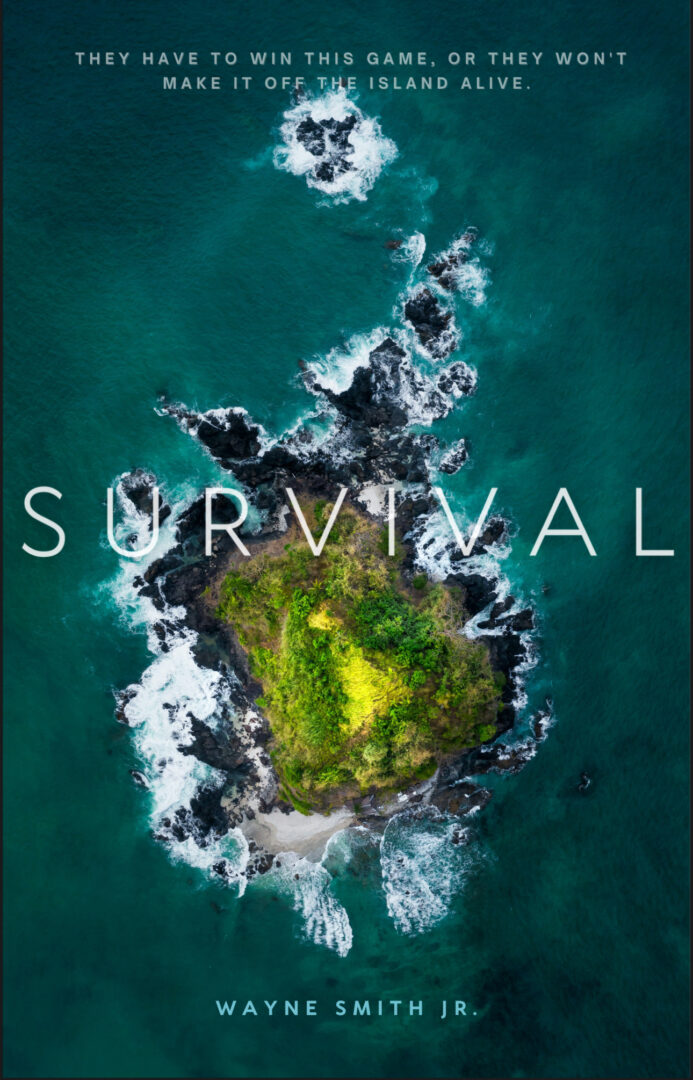
Wayne Smith Jr. is tapping into the raw edge of human behavior with Survival, a story that strips characters down to instinct, pressure, and impossible choices. Inspired by high-stakes dystopian worlds but driven by a desire for deeper psychological and cultural perspective, he focuses on emotional unraveling as much as spectacle. As he expands the project beyond the page into a cinematic universe and builds CineMagique Studios, Wayne is creating more than a story — he’s crafting an immersive ecosystem where character, tension, and visually intentional storytelling come together to leave a lasting impact.
Wayne, Survival explores psychological tension and human behavior under pressure. What initially sparked the idea for this kind of story?
A big spark for Survival honestly came from my fascination with the genre itself—the idea of people being placed in a controlled, high-pressure environment and forced to make a choice: do they remain humane and stick together, or do they turn on each other to survive?
Stories like that have always pulled me in because they strip everything down to instinct and character. You really get to see who people are when the rules disappear. But at the same time, I felt like there was a gap in perspective—especially from a Black woman’s point of view. That became important to me, not just in terms of representation, but in how the story feels, how it’s told, and what emotional layers are explored.
I was also heavily inspired by worlds like The Hunger Games and The Maze Runner—projects that built tension, scale, and cultural impact in a major way. Those stories set a standard for what this genre can be, and with Survival, I wanted to create something that could sit in that same space while bringing a fresh perspective and a more grounded, psychological edge.
So for me, it started with love for the genre—but it evolved into a desire to push it forward and tell it through a lens we don’t often get to see.
The narrative focuses more on emotional unraveling than spectacle. How do you build that sense of tension and atmosphere throughout the story?
It definitely has spectacle—when things escalate, they escalate fast, and the consequences are brutal. The deaths aren’t glossed over; they’re meant to feel real, unsettling, and impactful. I want the reader to feel the weight of every loss, not just see it happen.
But what makes those moments hit is everything built around them. My focus is really on developing the characters—their individual stories, their personalities, their fears, their motivations—so that when the conflict reaches its peak, it actually means something. You understand who these people are before they’re pushed to their limits.
I spend a lot of time making sure the world feels lived-in and immersive, so the reader isn’t just observing it—they’re inside of it. You’re experiencing the tension as it rises, the relationships as they shift, the small moments that make everything feel human. That way, when things do spiral, it doesn’t feel random or just for shock value—it feels earned.
So it’s really a balance. You get the intensity, the violence, the high-stakes moments—but they’re grounded in character and atmosphere. That combination is what allows the story to feel alive and keeps the tension from start to finish.
Themes like trust, control, and shifting alliances play a big role. What do you hope readers take away about human nature from these dynamics?
I think what Survival really explores is how fragile a lot of our principles are when they’re put under real pressure. We all like to believe we know what we would do—how loyal we’d be, how far we’d go, what lines we’d never cross—but those ideas can shift quickly when survival, fear, or control enter the equation.
With trust and alliances, I wanted to show how situational they can become. People bond out of necessity just as much as genuine connection, and when the stakes change, those same bonds can fracture just as fast. It’s not always about good versus bad—it’s about circumstance, perception, and what someone feels they need to do to make it through.
Control is another big layer. Who has it, who thinks they have it, and how people respond when they realize they don’t. Some people try to hold onto their humanity, others adapt in ways that are harder to recognize, even to themselves.
What I hope readers take away is that human nature isn’t fixed—it’s responsive. It evolves based on environment, pressure, and survival instincts. And sometimes, the most unsettling part isn’t what people do—it’s realizing you might understand why they did it.
You’re also developing Survival as a larger cinematic world. How do you approach storytelling differently when thinking about both page and screen?
When I’m writing Survival for the page, I’m really leaning into interiority—being inside the characters’ minds, understanding their thought processes, their fears, the way they rationalize their decisions. The prose allows me to slow things down and fully explore that psychological depth in a very intimate way.
But when I start thinking about it cinematically, the approach shifts to translation—how do I convey those same emotions and tensions visually? It becomes less about what’s being said internally and more about what’s being shown: body language, pacing, silence, framing, environment. A look, a pause, or even the way a scene is lit can carry the same weight as a paragraph on the page.
At the same time, I’m very intentional about building Survival in a way that naturally supports both. The world, the structure, the set pieces, the escalation—they’re designed to feel immersive in prose but also scalable for screen. So when things do expand visually, it doesn’t feel like an adaptation trying to catch up—it feels like a continuation of the same vision.
Ultimately, it’s about maintaining the core experience across both mediums. Whether you’re reading it or watching it, you’re still feeling that same tension, that same uncertainty, and that same emotional weight—just delivered through different tools.
With CineMagique Studios, you’re building a creative ecosystem. What’s your vision for supporting storytellers and bringing visually intentional stories to life?
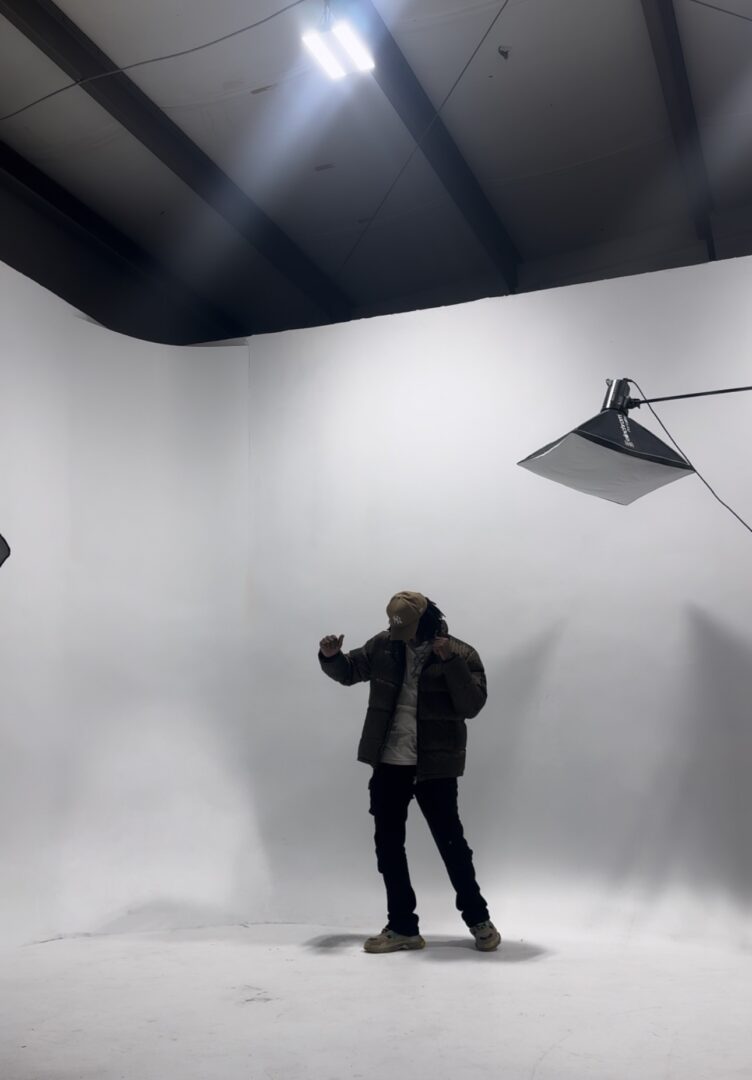
With CineMagique Studios, the vision is to build more than just a production company—it’s about creating a true hub where storytellers and content creators of all kinds can come to develop, refine, and bring their ideas to life at a high level.
A big part of that is intention. Everything we create is rooted in strong storytelling and a clear visual identity. Whether it’s a short film, a series concept, or digital content, the goal is to make sure it feels cinematic, elevated, and purposeful—not just content for the sake of content.
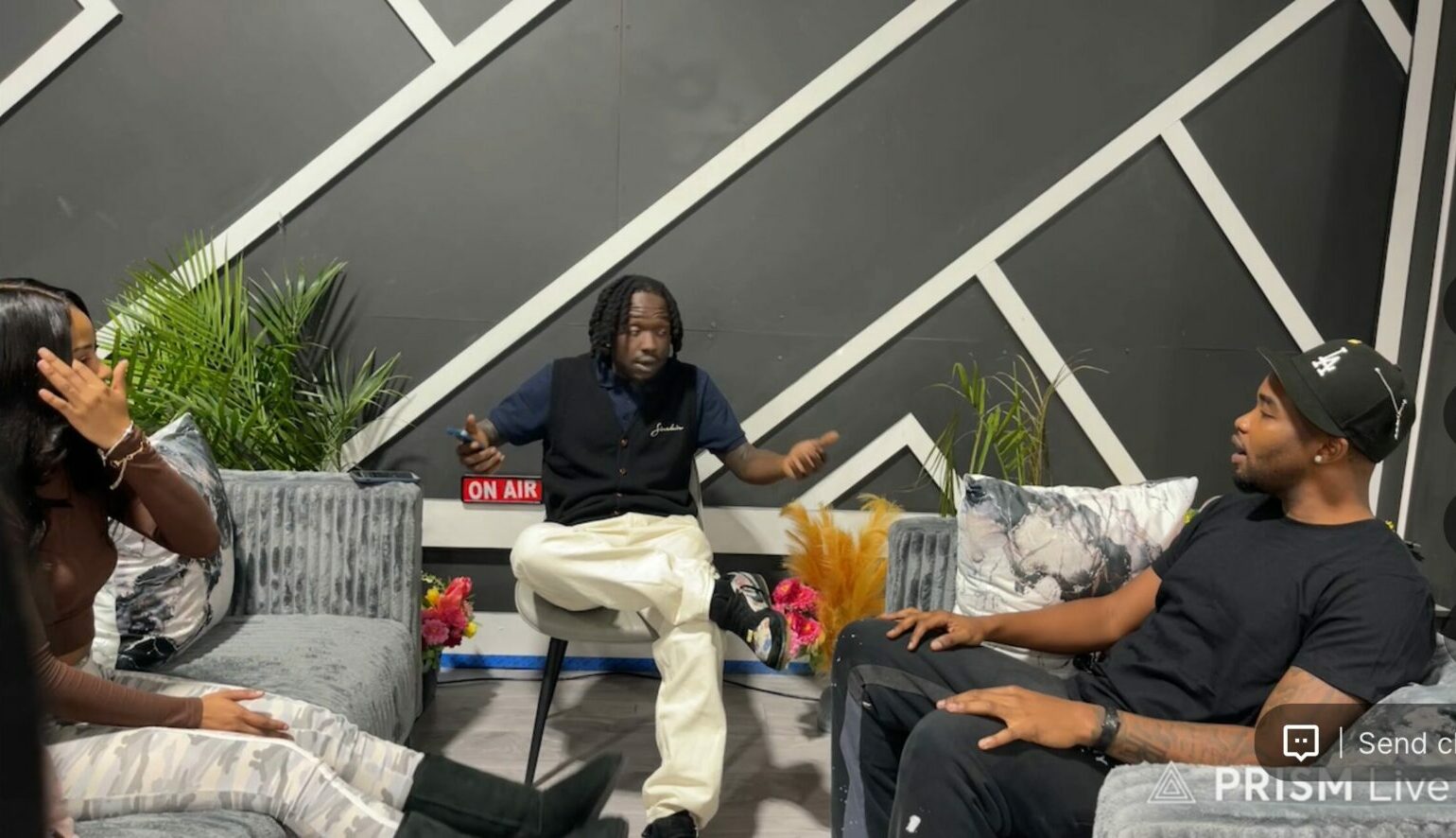
At the same time, I’m very focused on collaboration. We’re actively working with streamers and creators like Moe Sillz, Naznotfunny, and J3—people who already understand audience and culture in real time. Bringing them into a structured creative environment allows us to take what they naturally do and expand it into more developed, story-driven content that can live across multiple platforms.
CineMagique is really about bridging worlds—traditional filmmaking, digital content, and emerging creators—and giving them the tools, space, and creative direction to level up their ideas. It’s a place where someone can come in with a concept and leave with something fully realized, visually and narratively.
Long term, the goal is to continue building relationships with platforms, studios, and distributors so these stories don’t just get made—they get seen at scale. But at its core, CineMagique will always be about the creators: giving them a home, a network, and a standard of quality that pushes everything forward.