Learning from one another is what BoldJourney is all about. Below, we’ve shared stories and insights from phenomenal artists, creatives and entrepreneurs who’ve successfully managed to overcome imposter syndrome.
Rebekah Knight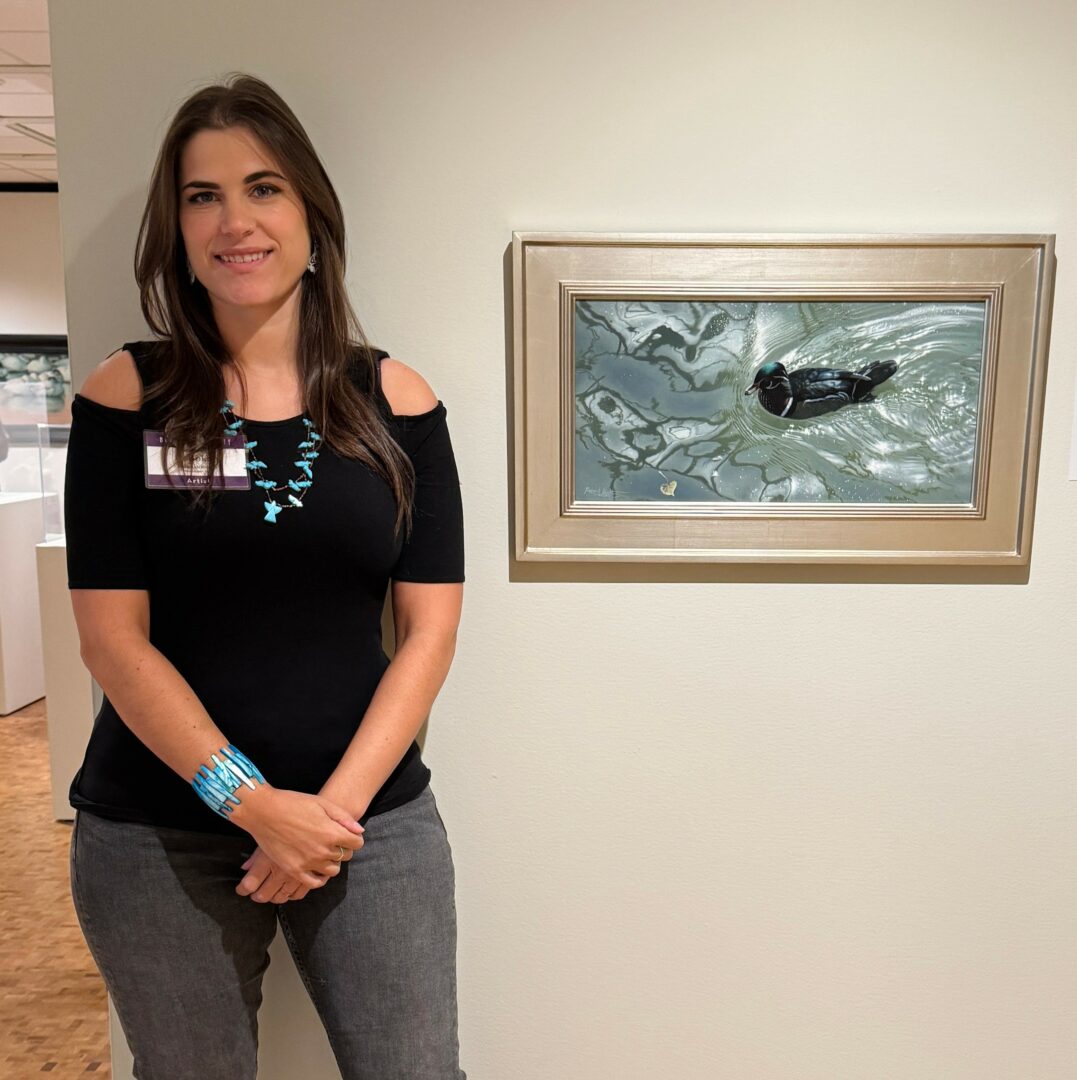
Realizing that other artists whom I look up to that are highly accomplished were at one time new to the world of art Read More>>
David Heckenberg
By realizing that no matter how much experience anyone has, everything is always subject to change without notice…which means that we are all just learning as we go. Additionally I can only be ok in the moment I’m in. Read More>>
Kyle Taylor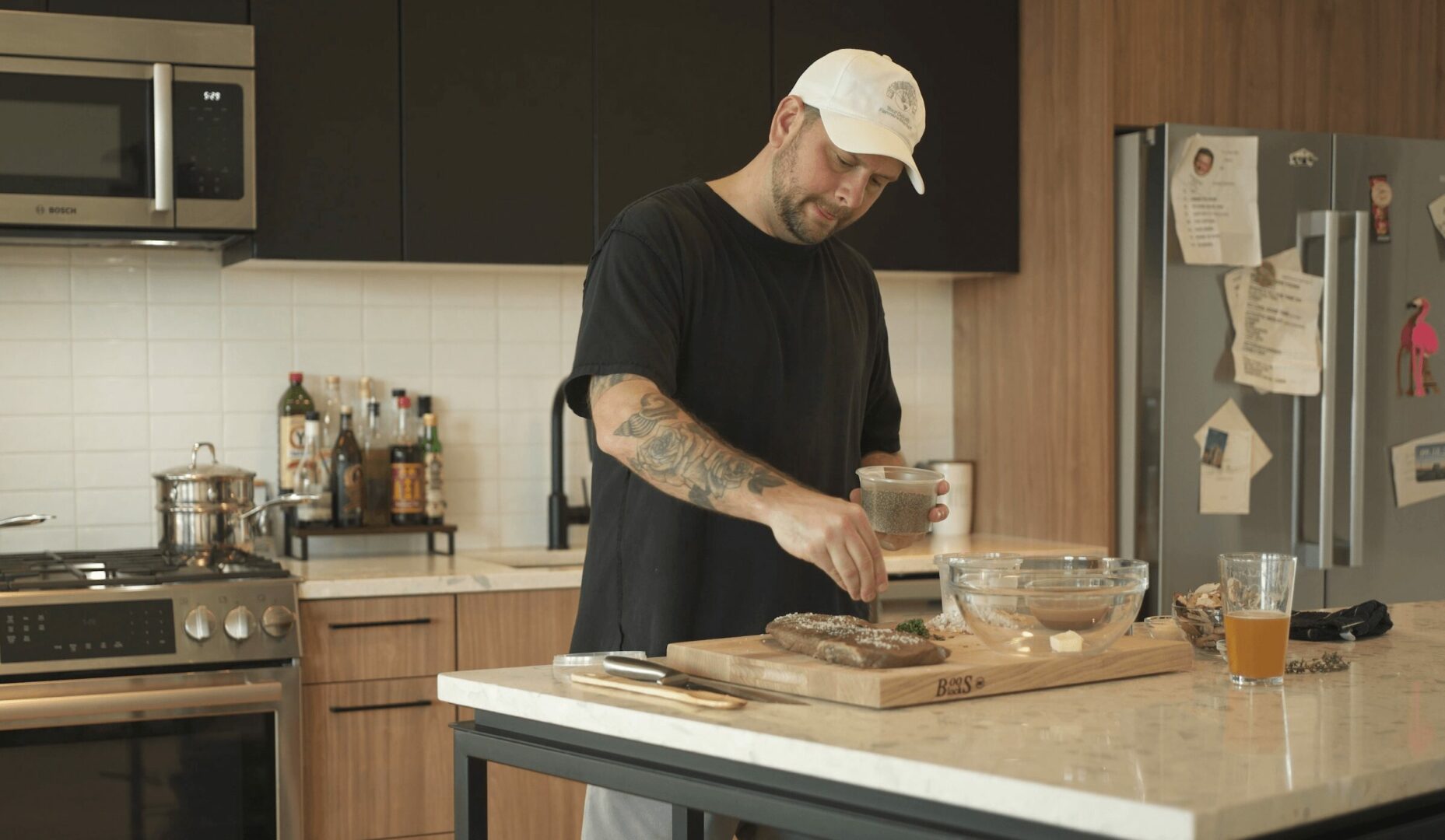
I came up through a business career, so when I started HE COOKS®, I felt like a poser, trying to speak a language I loved but did not “earn” on paper. I had also spent years in a complicated relationship with food, so putting myself on camera cooking was not just creative. It was personal. Read More>>
Gabby Gonzales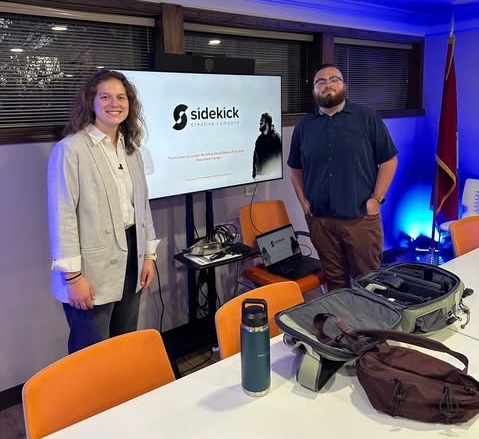
By putting in the reps and never quitting. I truly think that is the only way you overcome it. I struggled deeply with imposter syndrome when we first started Sidekick Creative Company. Read More>>
Krista Vanderveren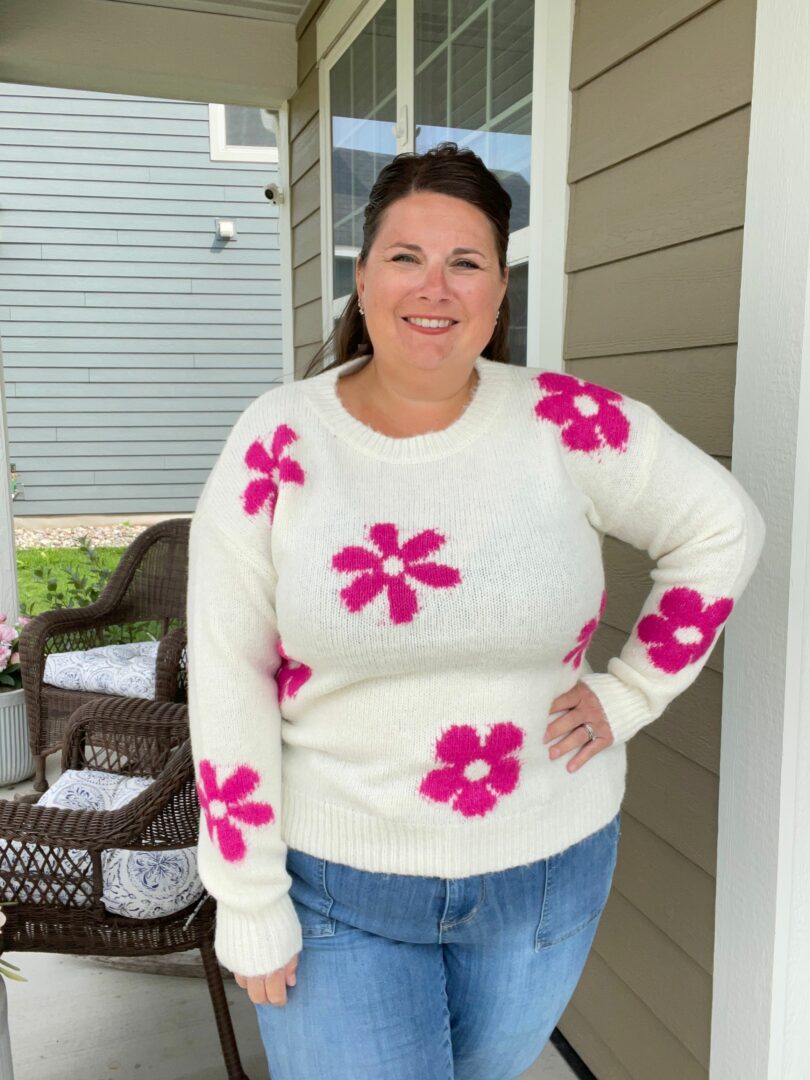
I have learned over the year, that even the most successful entrepreneurs suffer from imposter syndrome in some form or another. There is a long standing doubt, that they shouldn’t be there, they don’t deserve where they are, they didn’t work hard enough for their success. Read More>>
Tamara Fayad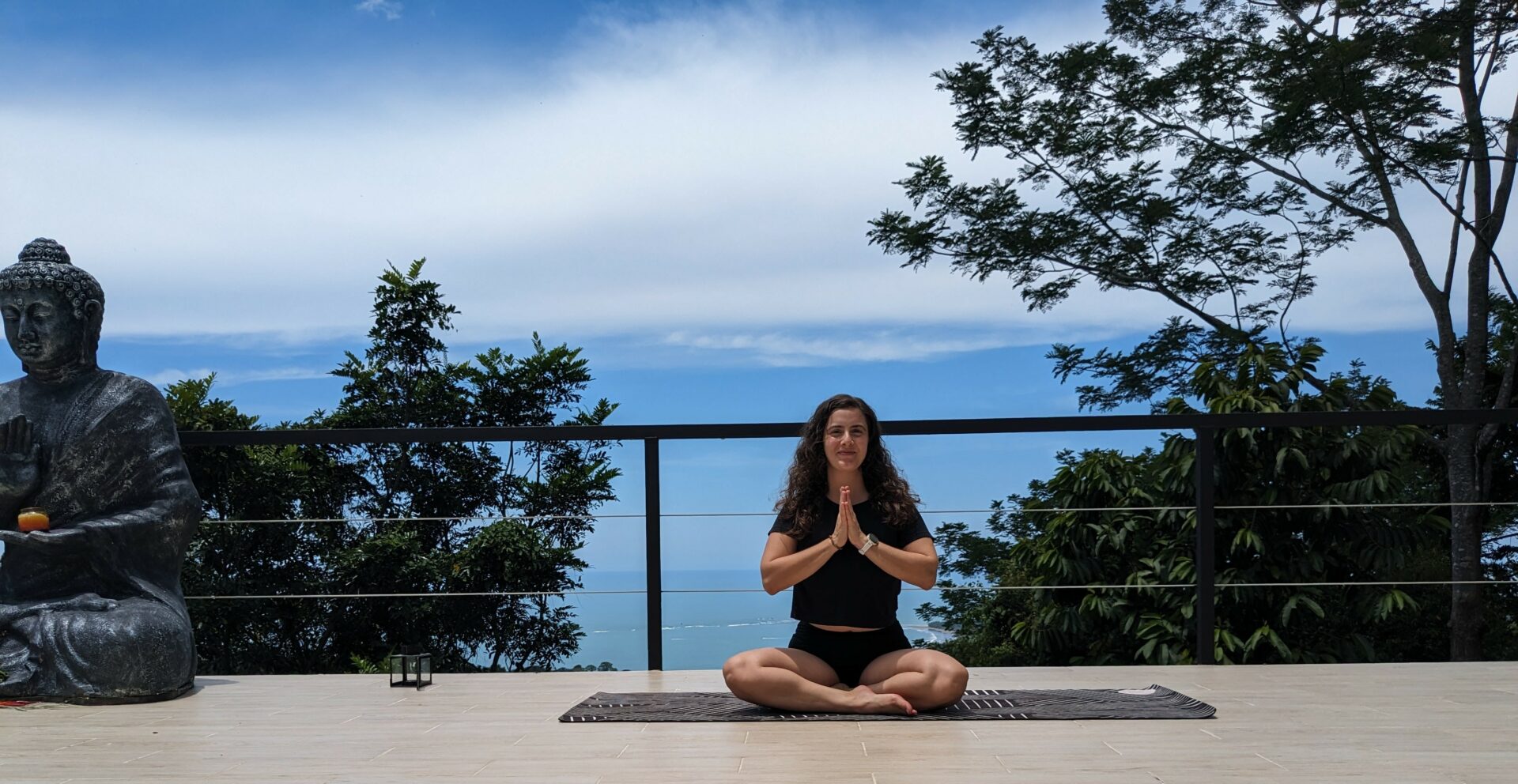
I’ve worked through imposter syndrome by doing a lot of inner work like journaling, meditation, and affirmations. I kept showing up even when I didn’t feel ready, and over time that consistency built real confidence. Believing in myself didn’t happen all at once, but pushing through and trusting the process made all the difference. Read More>>
Marc Sintes Guardia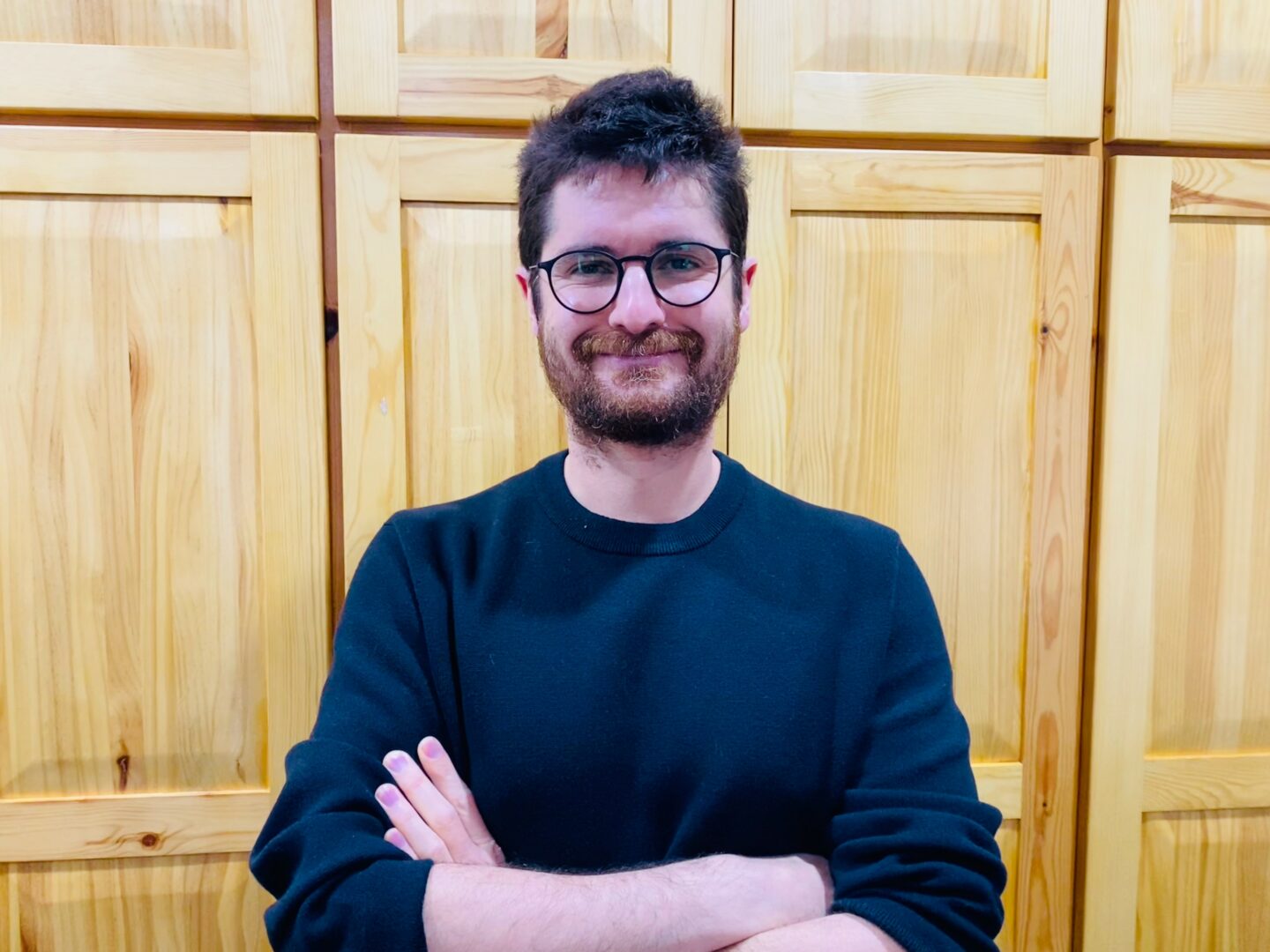
I grew up in Menorca (little island, less than 100.000 people), and went to a small and familiar art school, where everything was kept casual. I remember well, when I started college in Barcelona, and was for first time in touch with really gifted people. Read More>>
Crystal Portwood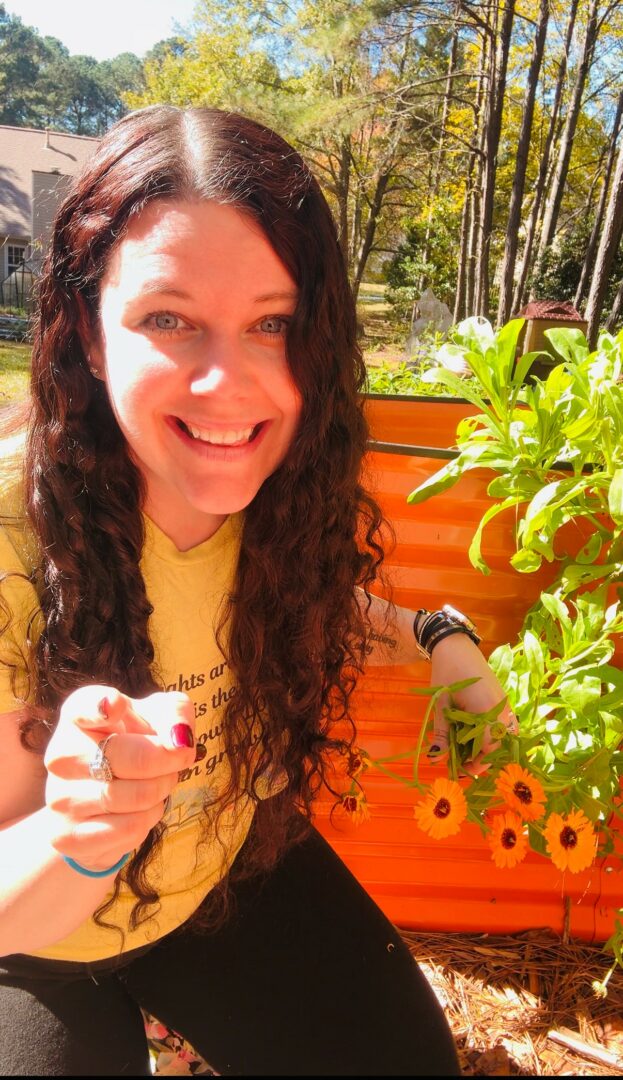
As a content creator this is one of the biggest careers that makes imposter syndrome seem impossible to get out of. The way I pushed through was practice practice practice. Looking back at my old videos vs now they’re embarrassing but I decide to look at them from time to time to show myself how far I have come. Read More>>
Denise Adams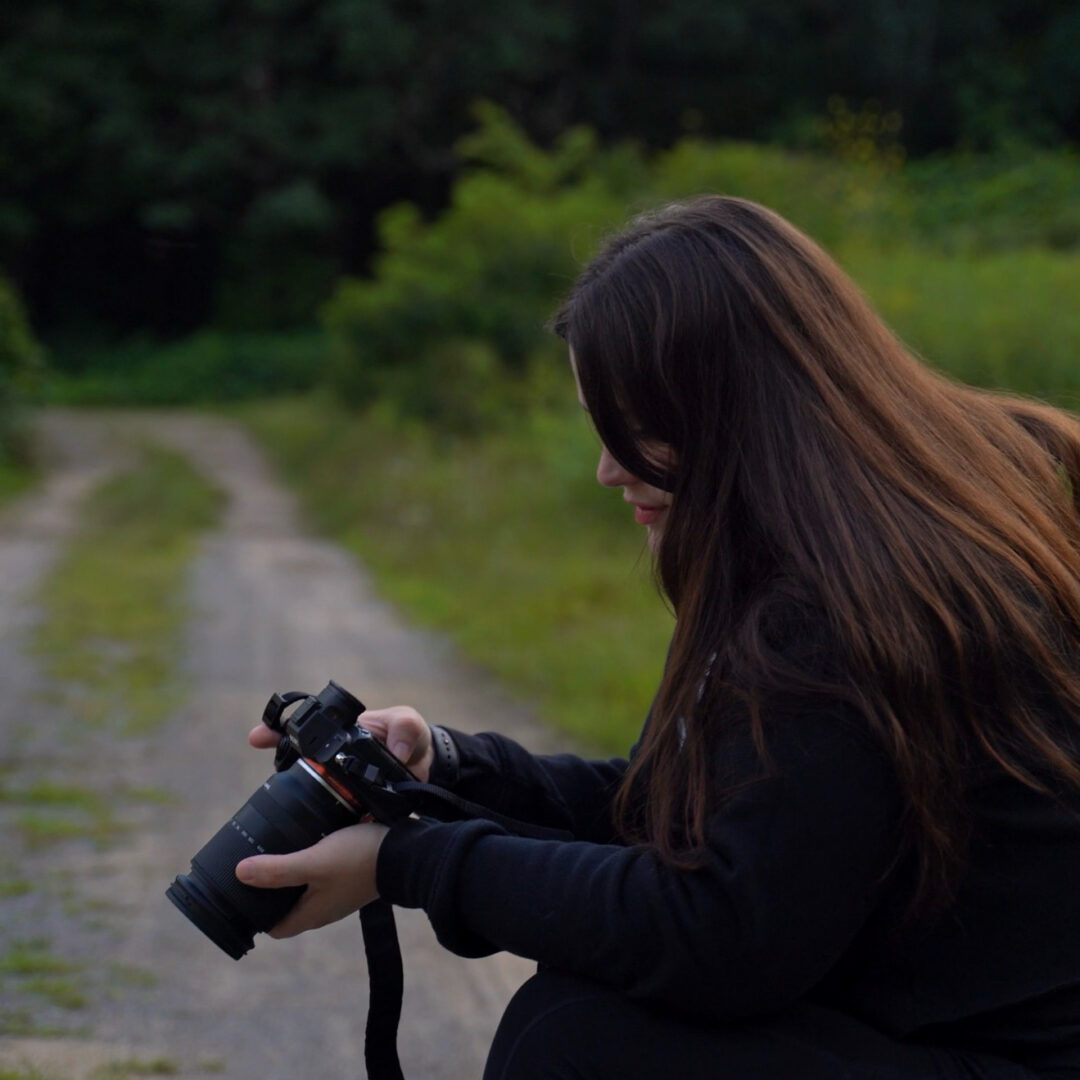
Building confidence and working through imposter syndrome can feel daunting, and I’ll be honest, it’s still something I actively navigate. For a long time, I believed that external praise or validation would quiet my self doubt. However, I found myself comparing my work to others, feeling inadequate, and pushing myself to the point of burnout in an effort to be better. Read More>>
Anthony Lauletta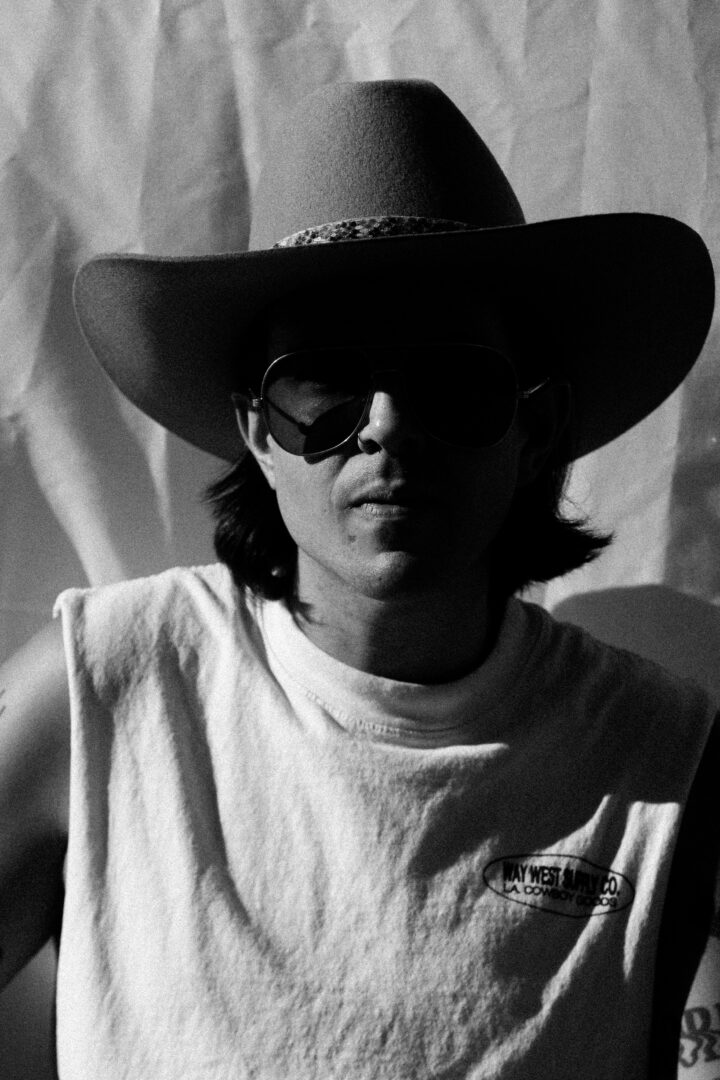
When I start to doubt myself, I try to recognize that I wouldn’t have imposter syndrome if I wasn’t trying to do something big and sometimes scary. So I like to work backwards from that thought. It’s proof that I am in fact doing the thing I’m doubting I can do every day. Read More>>
Lizzy Hiet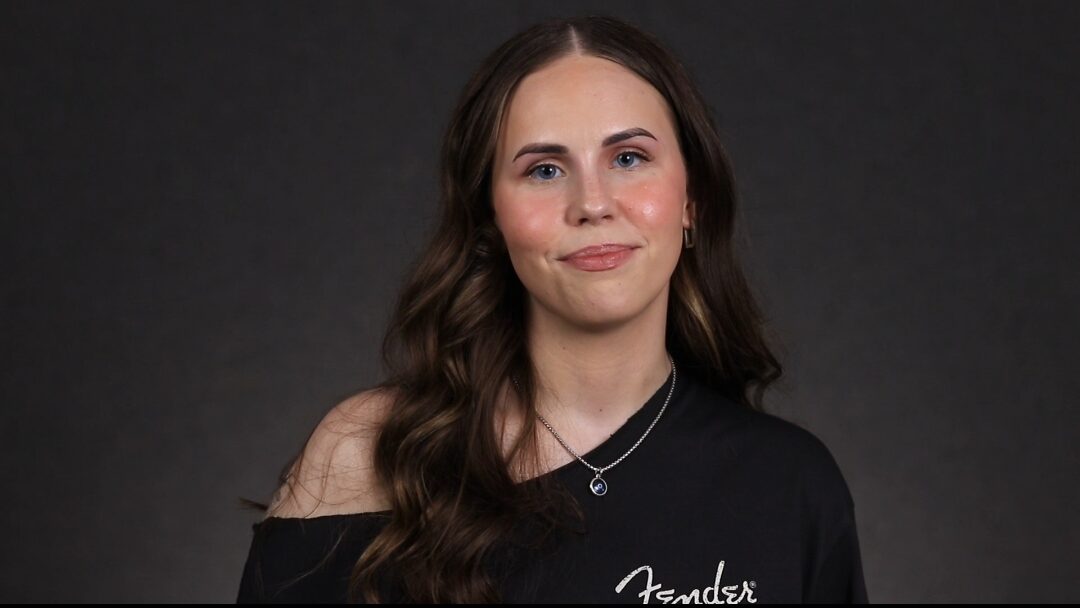
I think the arts chose me from a young age, and it’s a place where you constantly think you aren’t enough. In acting and singing there’s a part of that world that thrives on you focusing on your shortcomings, and not where you shine. Read More>>
MS KAMILLE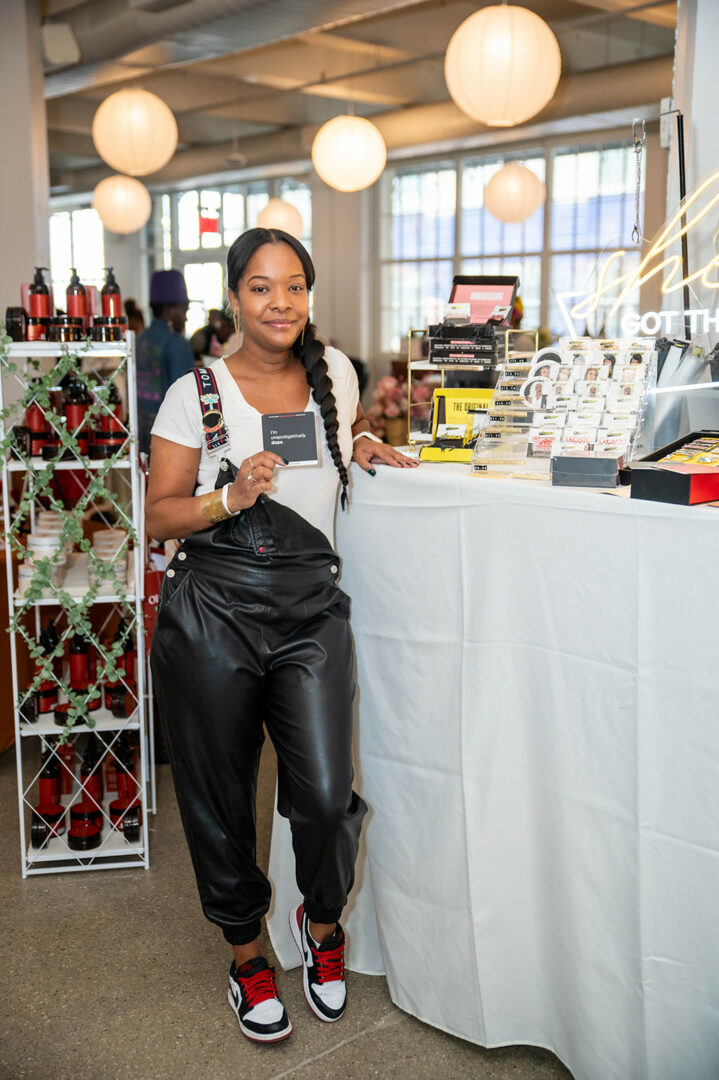
That’s a tough one, but it boils down to recognizing that I’m capable and continuing to work hard at everything I do. That doesn’t mean I’ve eliminated doubt altogether. Over time, I’ve learned to move forward without needing constant validation. And when I do need it, I start with myself. Read More>>
S.J. Salvatore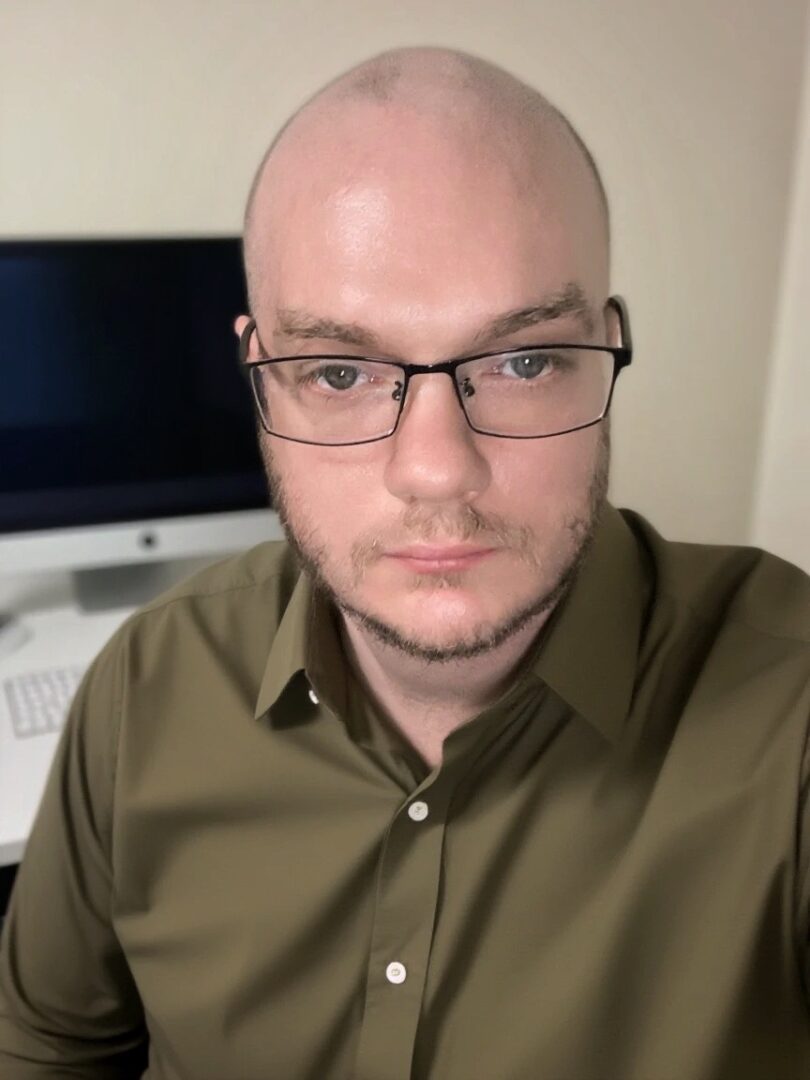
Overcoming imposter syndrome wasn’t a sudden realization; it was a years-long process of reframing my mindset. I eventually had to accept that my feelings of ‘not belonging’ were secondary to my goals. I realized that if I waited until I felt 100% qualified to call myself a novelist, I would never write a single chapter. Read More>>
Michelle Hernandez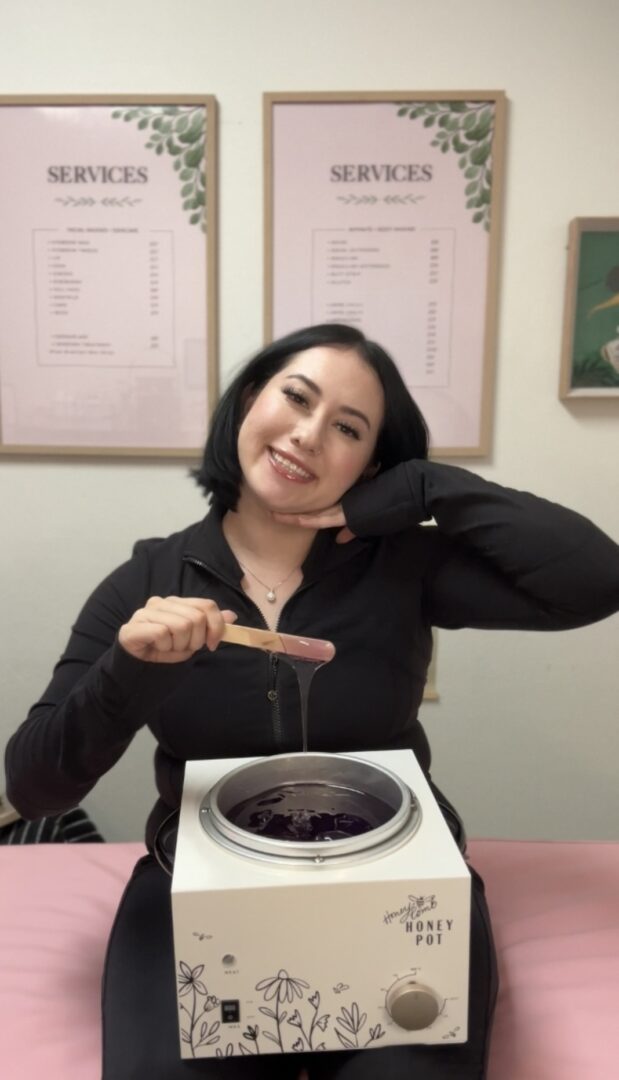
I overcome imposter syndrome by reminding myself that I’m human. It’s easy to compare ourselves to others and their journeys, but real growth comes from nurturing ourselves and leading with self-compassion. As a small business owner who markets their business online, I’ve learned how important it is to stay focused on my own path rather than comparing myself to others in the same industry. Read More>>
Ashley Akyol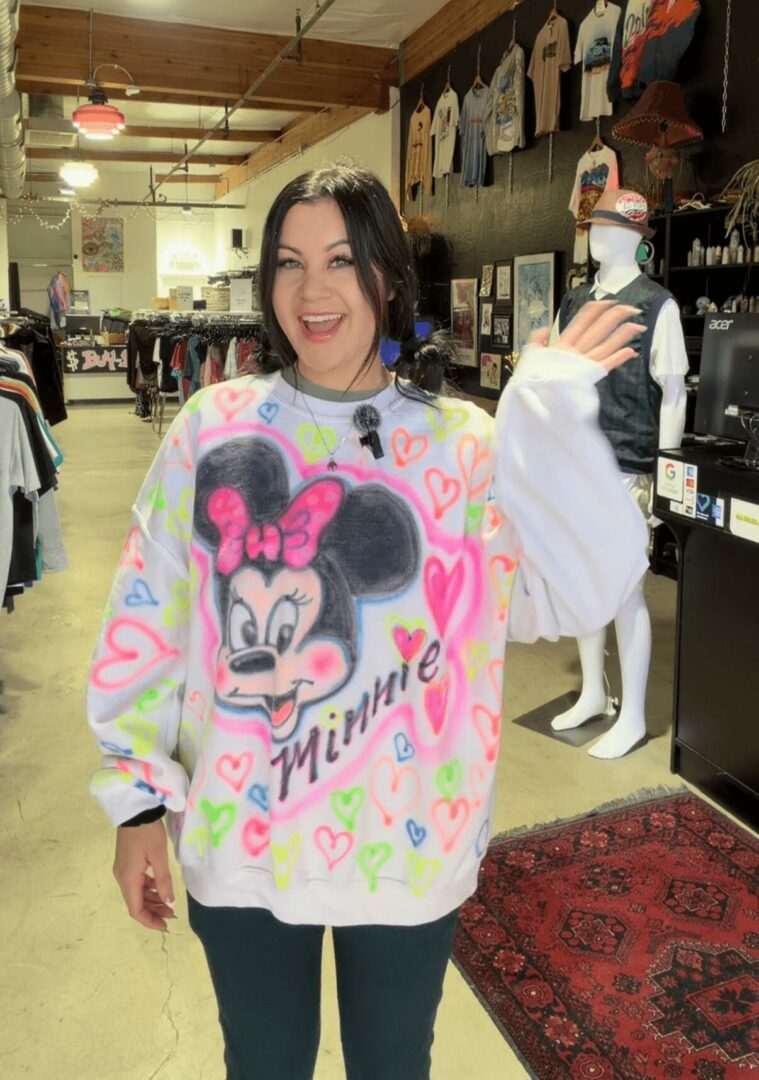
I use radical acceptance. Radical acceptance has taught me to accept reality for what it is, without harsh judgement, or wishing it was different. Read More>>
Madison Barnes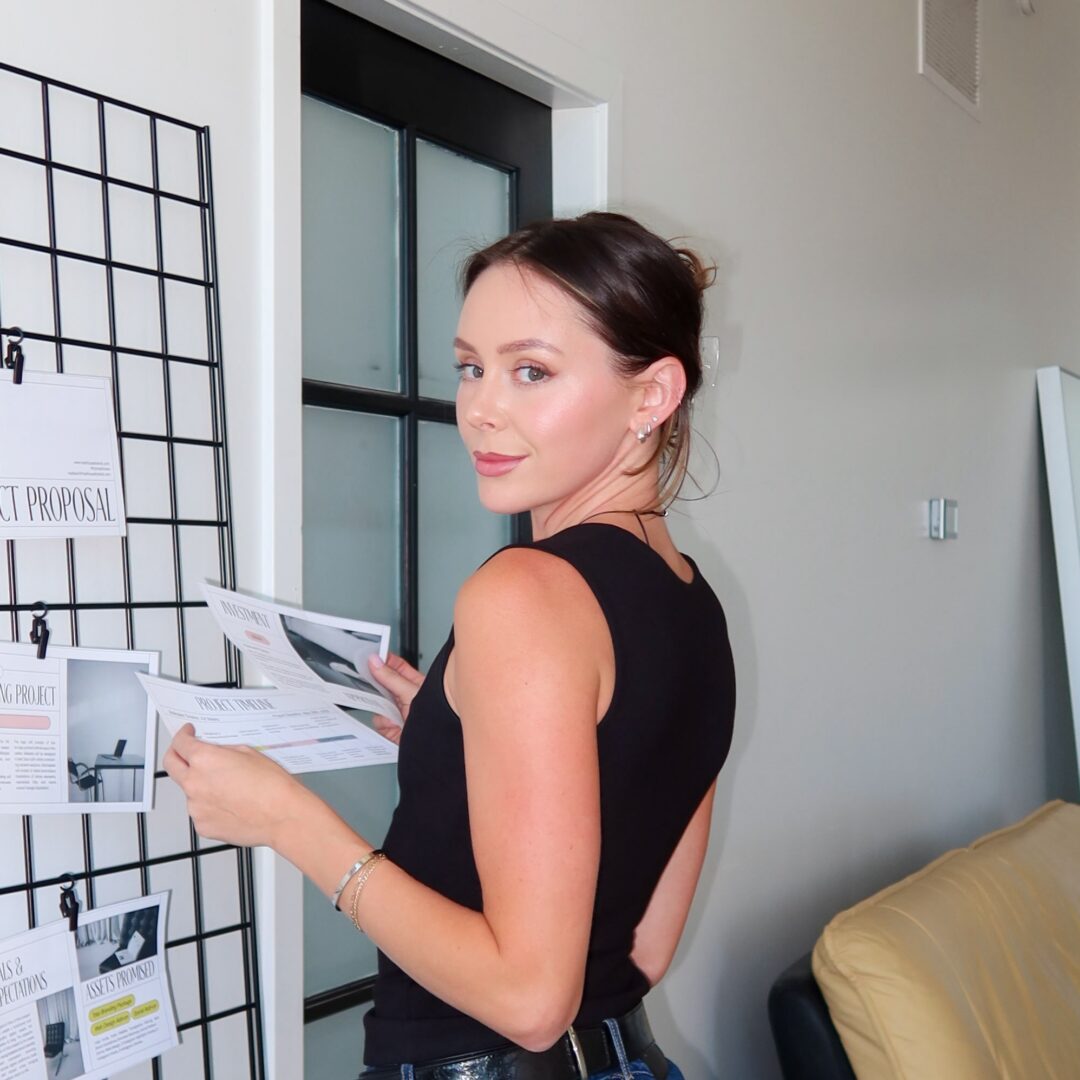
I don’t think imposter syndrome is something you ever fully ‘get over’. As I continue to learn and grow in my craft, I’m constantly putting myself back in beginner spaces –learning new skills, trying new approaches, or stepping into unfamiliar territory. When that happens, it’s easy to question whether I should retreat to something safer or more familiar, where I already feel confident. Read More>>
Leslie Kell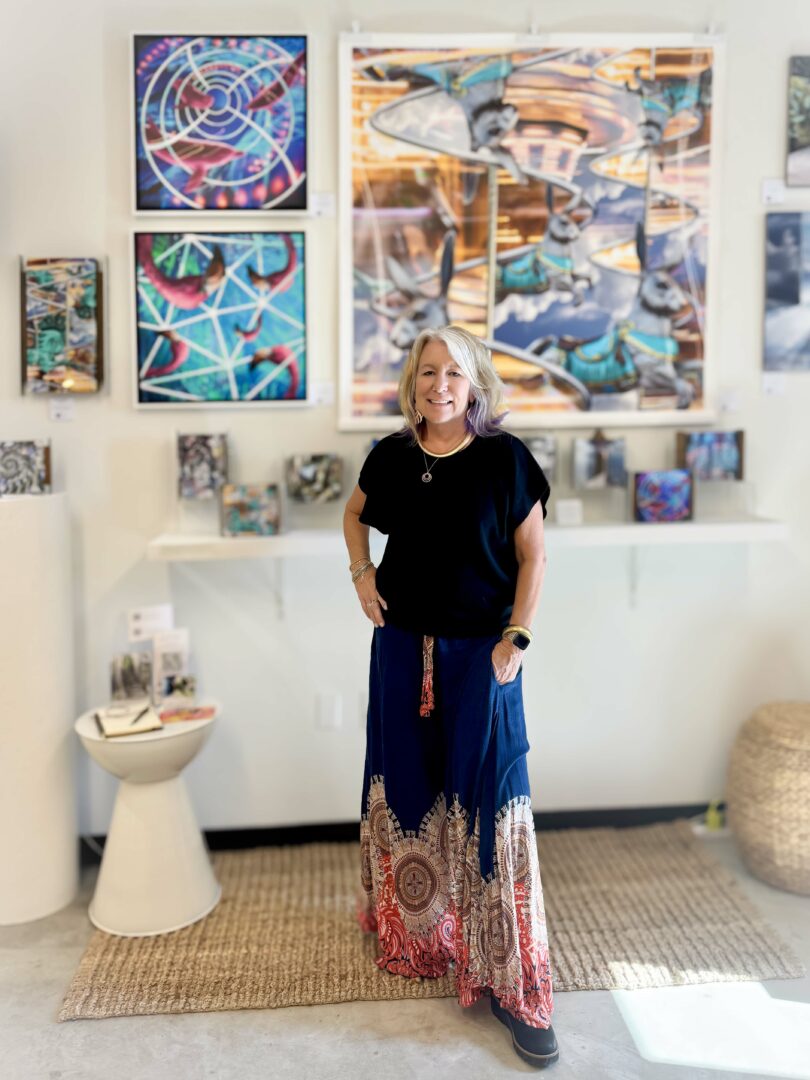
I’m not sure imposter syndrome is something I’ve ever fully overcome—and I suspect many artists never stop questioning their place at the table. Read More>>
Ray Glaser
When I first started my photography business, it was easy to look at other established photographers in my market and try to create images similar to them. While this enabled me to learn new styles or skills, I quickly discovered that it was difficult to always chase someone else. I therefore found my own style once I went beyond creating amazing images. Read More>>
Ally Viera
Imposter syndrome didn’t disappear for me the moment I started booking clients, in fact, it got louder. The more people trusted me with their memories, the more I felt the weight of “Who am I to do this?” What helped wasn’t confidence overnight, but proof through consistency. Read More>>
Tiffany Miller
I can’t exactly say that I’ve overcome imposter syndrome completely, rather I have learned to succeed alongside it. I believe that imposter syndrome is an inevitable part of being an artist. I first noticed it when I began my craft; I was learning new skills and wondered if I would ever improve to a point where I was confident in them. Read More>>
Max Foster
One day you’ll wake up and realize that you’re a part of the conversation for a reason. It’s easy to feel like the only one in the room, but you have to understand that the room wouldn’t be complete without you. Read More>>
Nick Barshick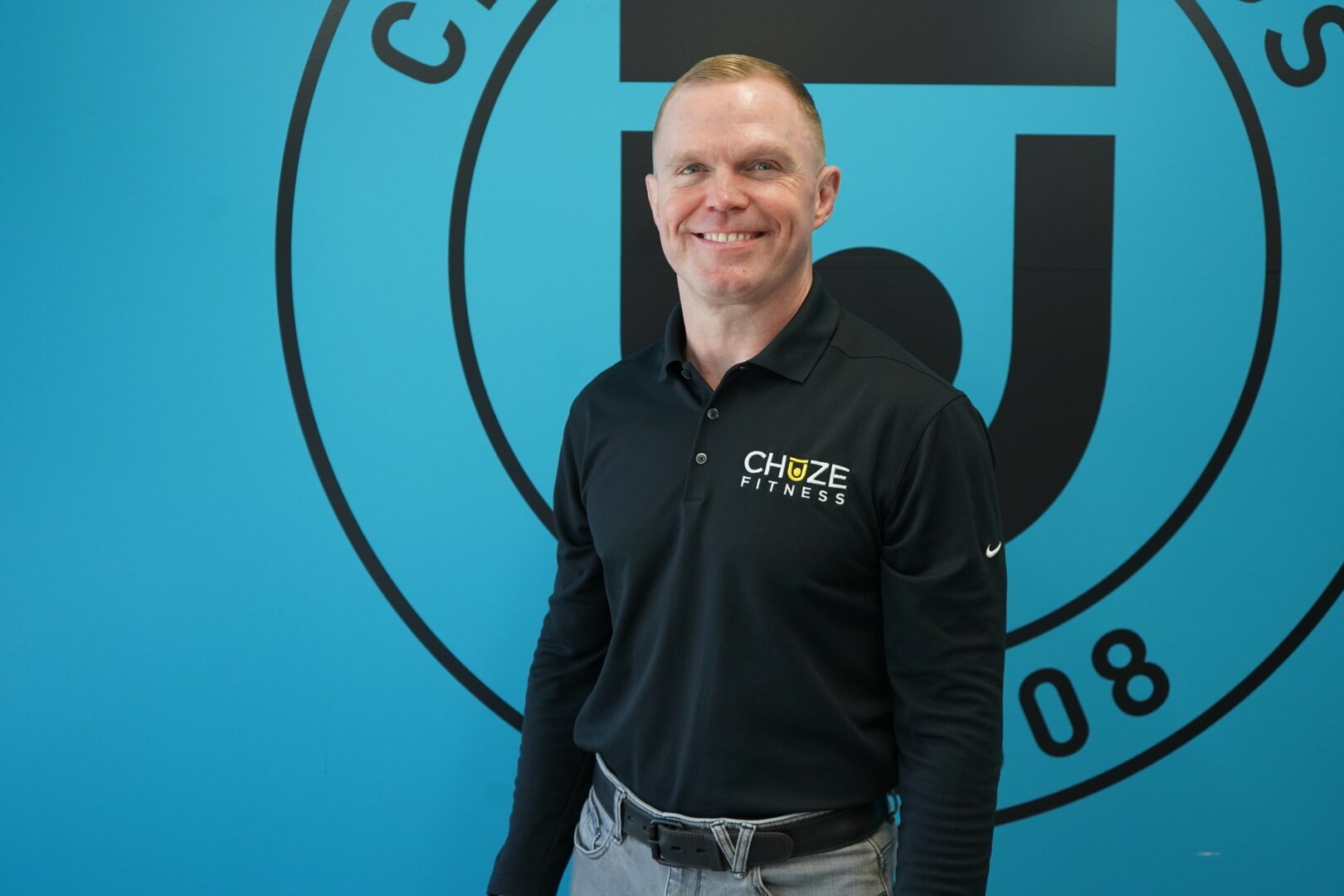
As the COO and Co-Founder of Chuze Fitness, what we do goes far beyond providing a place to work out – we’re focused on building healthier communities through human connection, kindness, and hospitality. Our roots come from the service industry, and that DNA is woven into everything we do, from how our teams show up for members to how our clubs are designed to feel welcoming, clean, and inclusive. Read More>>
Josh Hash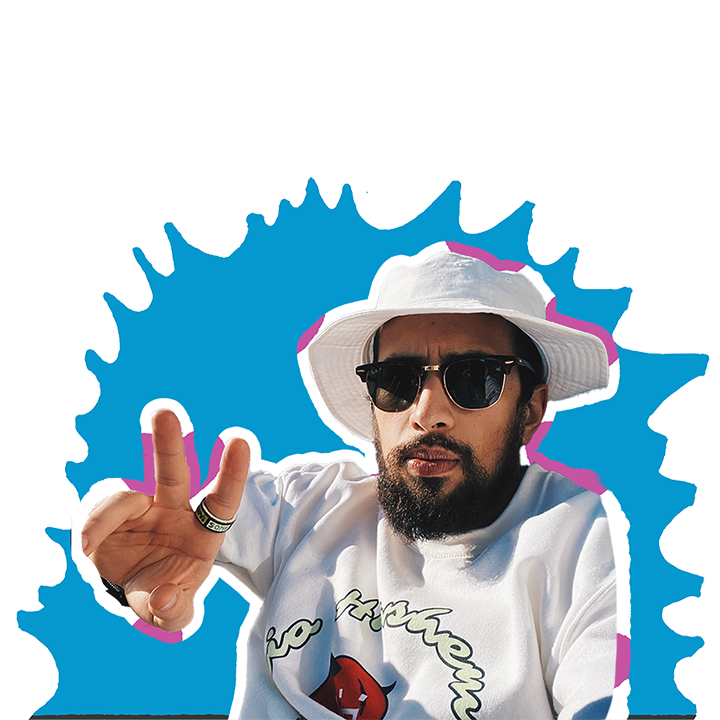
I’m not sure anyone ever ‘overcomes’ imposter syndrome; you just sort of grow into the image you’re trying to create, or you don’t. It’s very much a moving target. I think one of the greatest tragedies, though, is when you have talented, capable people who procrastinate or become crippled by the fear of not being enough. Read More>>
Natalie Pedersen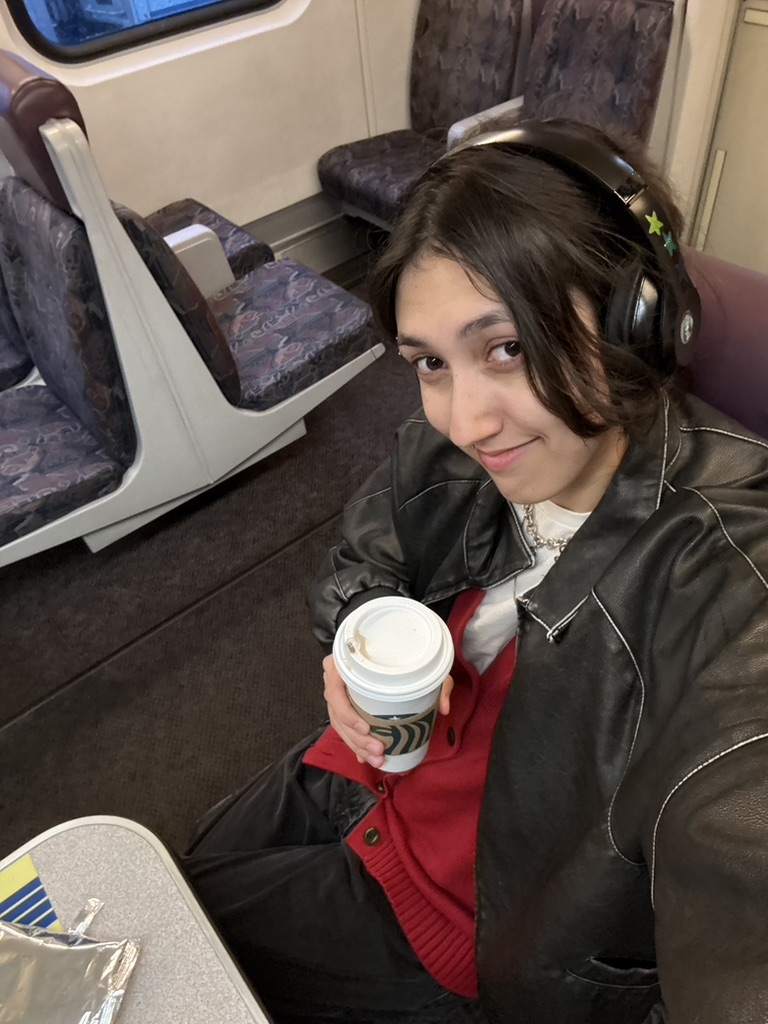
To say that I have ‘overcome’ imposter syndrome just isn’t true. While I’ve accomplished a lot, I still get the feeling that I don’t deserve it; however, I’ve gotten much better at combating that feeling. When I find myself comparing myself to others and feeling behind, I try to step back and look at how much I’ve grown. Read More>>
Layne Fernandes
In my perception any type of imposter syndrome can come and take over professionals’ minds in different areas because of different reasons such as personal past traumas or any source of lack of confidence not fitting in a group or niche. This combination of factors can bring personal frustrations and stagnation to the professional development of individuals. Read More>>
Michael Allen
By admitting to myself it’s something I’ll probably never completely overcome. If I’m always looking to push myself into new areas and attempt things I haven’t done before I’m going to have those moments, where I transition from “new and learning” to “doing and teaching”, that I have to ask myself what qualifies me to be doing this? Usually, that answer is “because I’m doing it, I’ve worked hard to learn it, and I’m pretty honest with what my credentials and goals are”. Read More>>