What do you do when no one else in the company or the meeting looks like you? We asked entrepreneurs and creatives from across industries and geographies to share their experiences and advice.
Xaviera Bell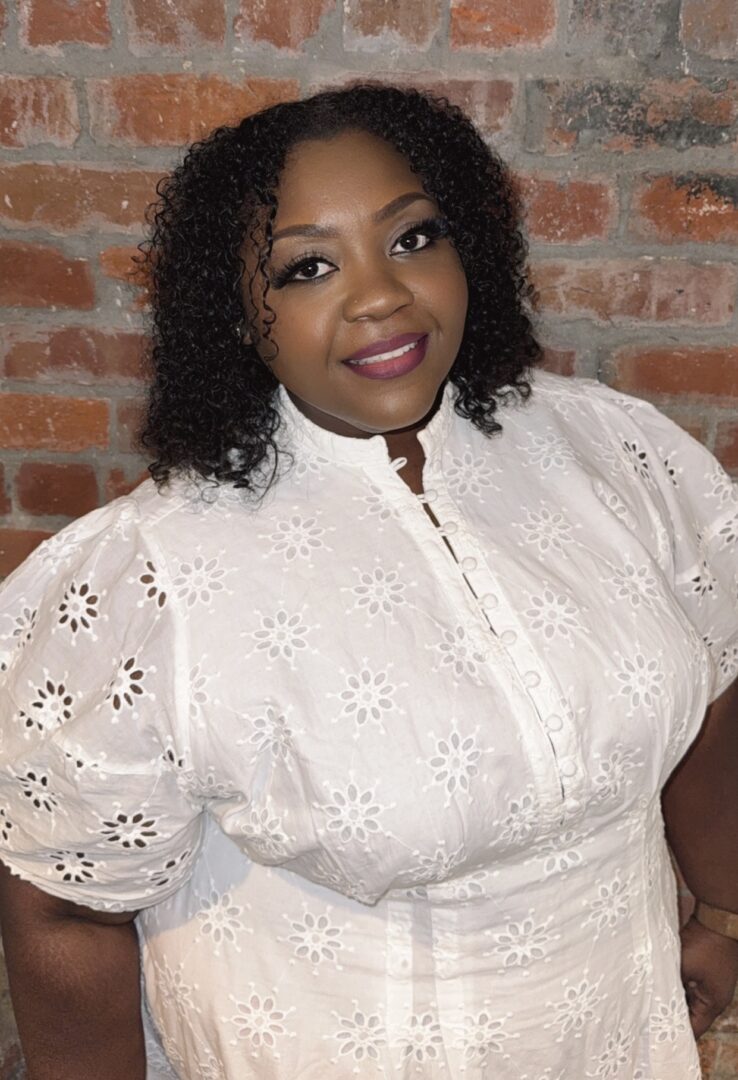
I love this question. I recall being the only black person in the room on many occasions. For many it could be intimidating, however, for me it was an opportunity to stretch out in a new skill set. In my 20s I determined that I was going to be the thermostat and not the thermometer. Read More>>
Diana Mendoza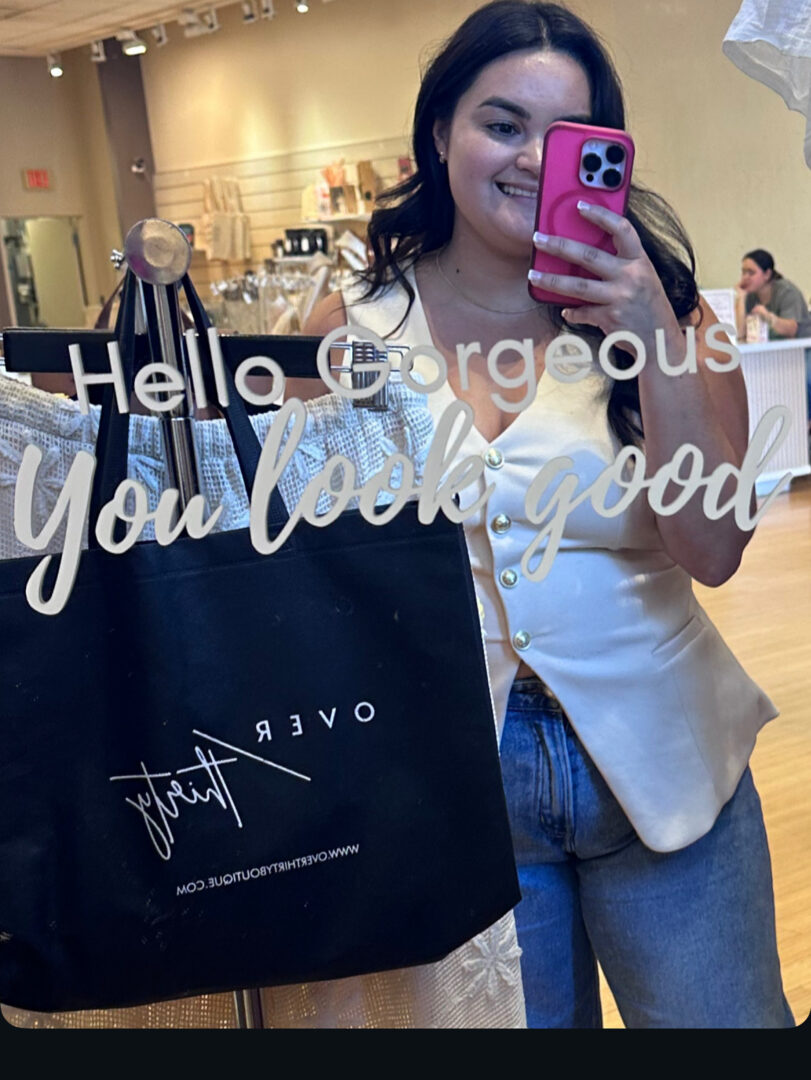
There are rooms you walk into knowing, before anyone speaks, that you are different. Sometimes it’s visible. Other times it’s an internal awareness, the quiet recognition that you are carrying a background, a culture, and a life experience no one else in the room shares. For years, that feeling followed me into my 9–5. Read More>>
Betsy Castro
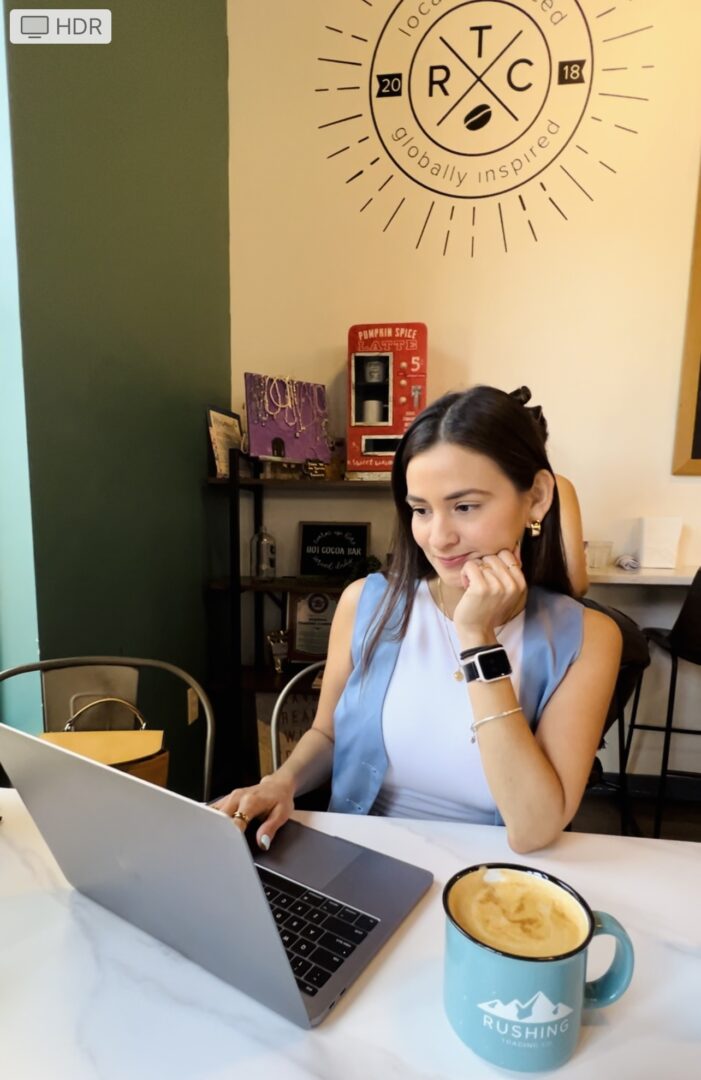
Being the only one in the room who looks like me is something I’ve experienced in different ways throughout my life and career. As a Latina who grew up navigating multiple cultures, I’ve often felt like I didn’t fully fit into one box. At times, I’ve felt “too Latina” in certain spaces and “not Latina enough” in others. Read More>>
CAMIA JANINE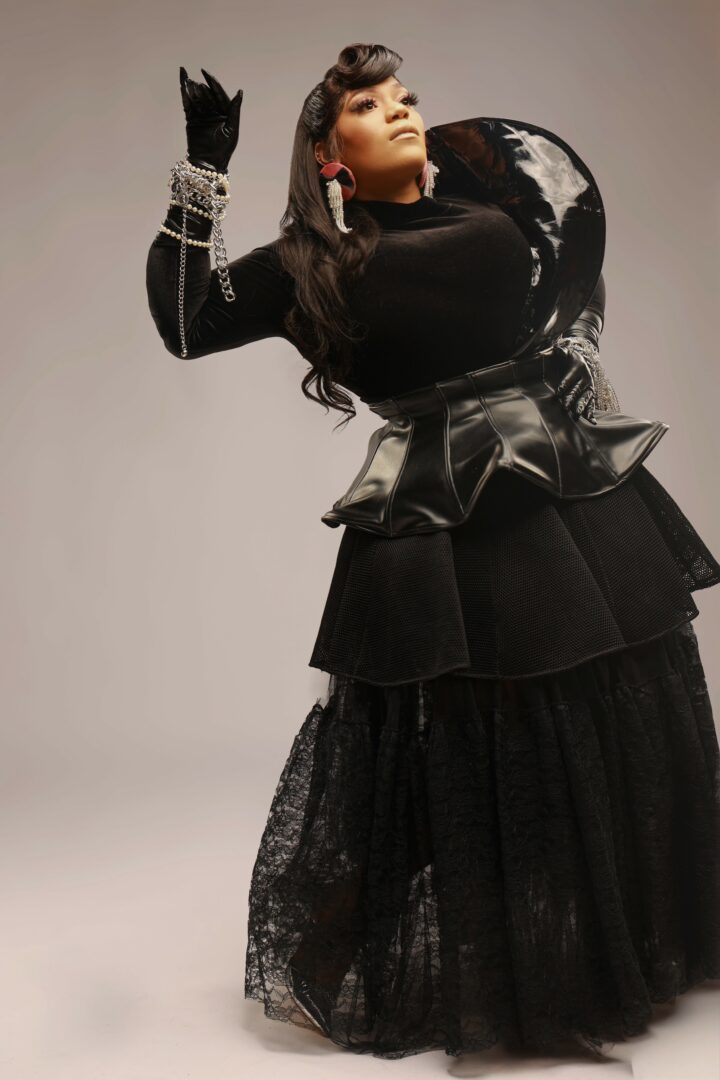
Being the only one in the room that looks like me used to feel like I had to prove something, but creatively, I’ve learned it actually gives me an edge. As Camia Janine Co., I don’t walk in trying to match what’s already there. I walk in knowing my eye, my storytelling, and my cultural influence are different on purpose. Read More>>
Angela Skurtu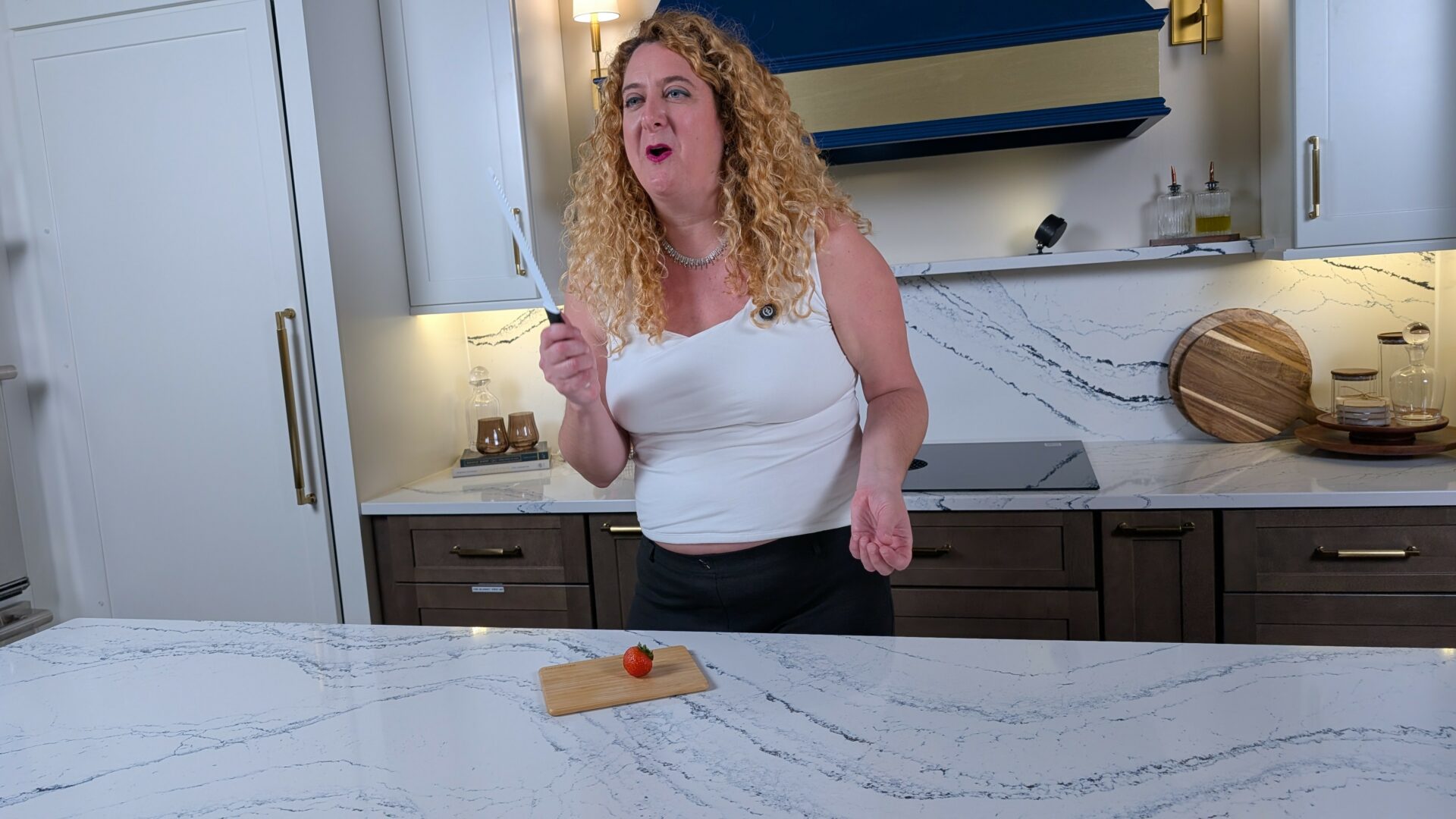
I’m often the only “me” in the room. As a sex therapist, I walk into business networking events, summits, trainings—both in St. Louis and across the country—and I’m usually the only person doing this kind of work. Even among other therapists, there may be couples counselors or child specialists, but very few who openly focus on sex. Read More>>
Lanna Brasure

For my entire life, I have operated under the mentality that brains, personality, and morals come first. I’ve never judged someone by their appearance, race, gender, or physical attributes and hope that I am treated the same. And even if I’m not, I’ll never let that stop me. Read More>>
Crystal Fielder
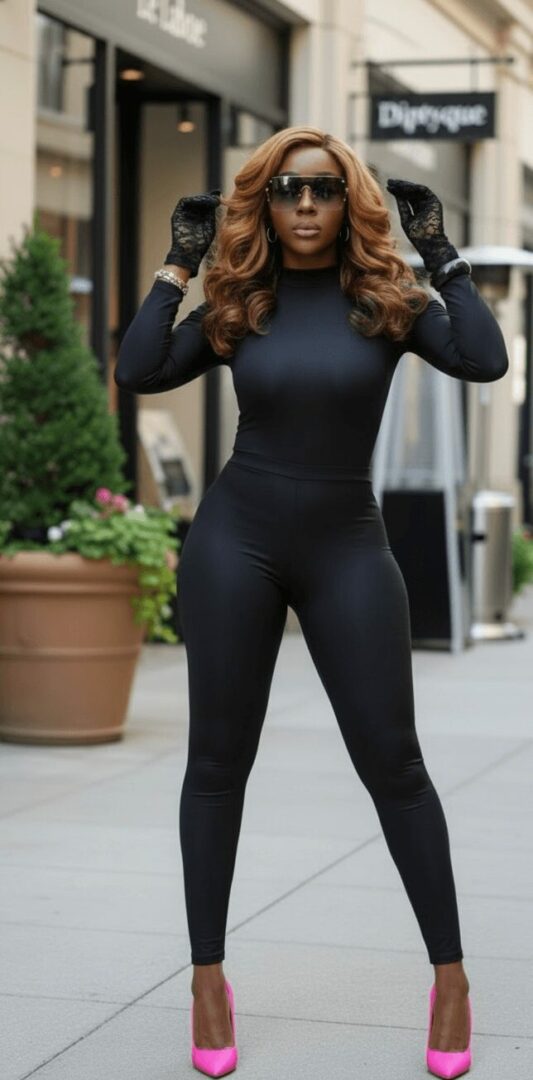
My authenticity stems from my upbringing and cultural roots. To be effective in a room means I am to command it with my presence and posture. Confidence speaks sometimes without having to say a word, so it’s important to acknowledge where that comes from, where it began, and how to continue to move in that space. Read More>>
Denisse Rocha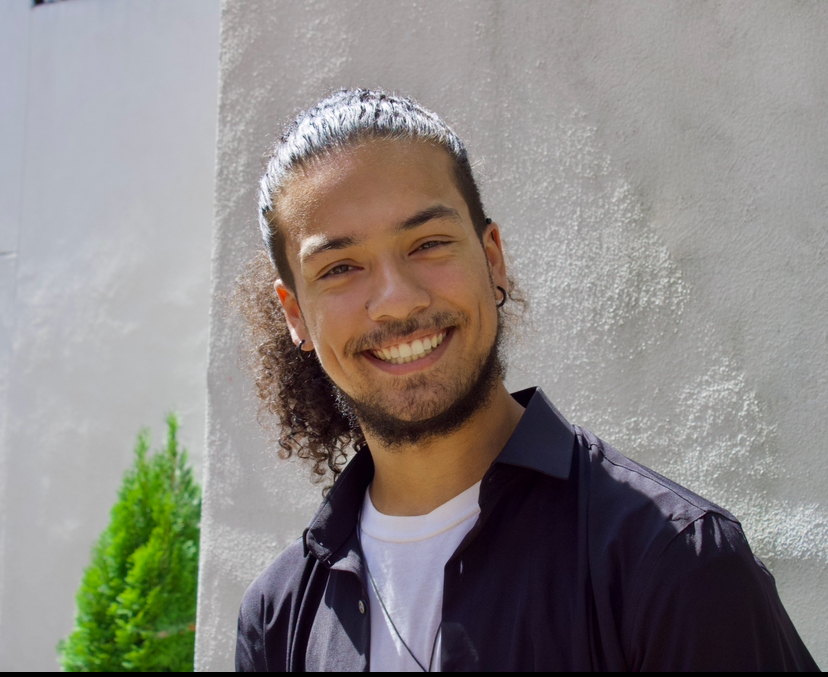
I’ve learned through time and many different experiences that I need to be loud. Not just loud as in amplifying my voice, though still important, but by being loud in my work, my appearance, my personality, and overall how I carry myself. Growing up I would always keep to myself and stay in my own lane. Read More>>
Luis Mulero
Knowing that I walk with all my ancestors behind me and supporting what I do from multiple realms Read More>>
Emanuele Ponzo
Crateful was built from the experience of being “the only one in the room” – an Italian entrepreneur arriving in Los Angeles with no English, no network, and a completely different cultural background, and turning that position into a long-term advantage. Read More>>
YEJI YI
Being the only one in the room has always been familiar to me. From Korea to the United States, from Chicago to New York — wherever I was, there was always a sense of not quite belonging. The language, the background, and the cultural references were all different. At first, it felt like something to overcome. Read More>>
Mylitta Butler
There have been many moments throughout my career where I’ve walked into rooms and realized I was the only Black woman—or one of very few—in leadership positions. Early on, that could feel intimidating. But over time, I learned that being different is not a weakness—it’s a responsibility and a strength. A boldness that comes from knowing who you are, and you’re worth. Read More>>
Robi Hamilton
This is something I have navigated since I was very young. I grew up in a predominantly white and rural area of Texas and did not have many friends or peers who looked like me. I wasn’t the only black girl in my town, but finding another black girl who was into alternative music and culture was increasingly difficult. Read More>>
Deborah Kellar
Being the only African American in the room has taught me how to be intentional about presence. Over time, I’ve come to understand that this is not a limitation—it is an invitation to lead with intention, clarity, and truth. Read More>>
Juanita Gómez
As a Latina actress, specifically Colombian, living in Los Angeles, California, and striving to stand out in the entertainment industry, I constantly face new daily challenges, both artistic and personal. It’s been a year since I entered the real artistic world and started working; every set I go to is a totally unique experience where I encounter a variety of people, cultures, and ethnicities. Read More>>
LIDIA BIMBIGA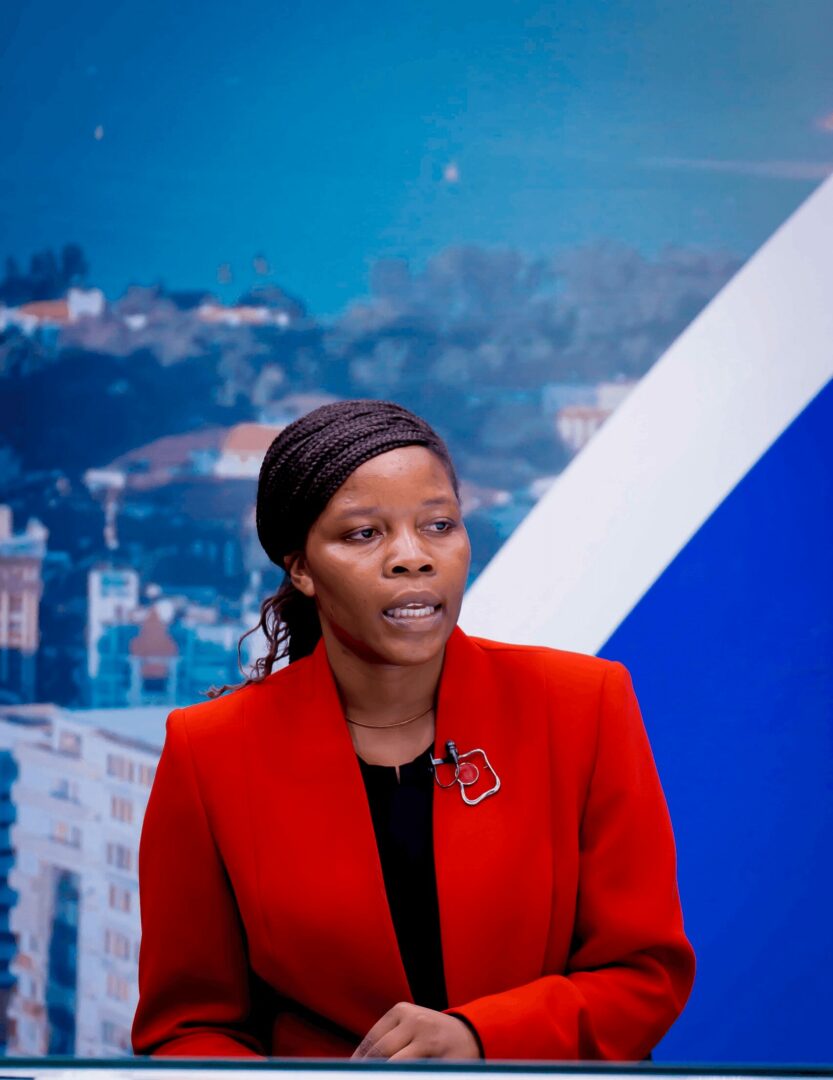
I remember walking into a leadership meeting where I was the youngest and the only one who looked like me. When it was time to introduce myself, the room paused. A few surprised faces, a couple of quick glances exchanged. For a second, I felt like I had to prove I belonged there before I even spoke. Read More>>
LeAndre Barnett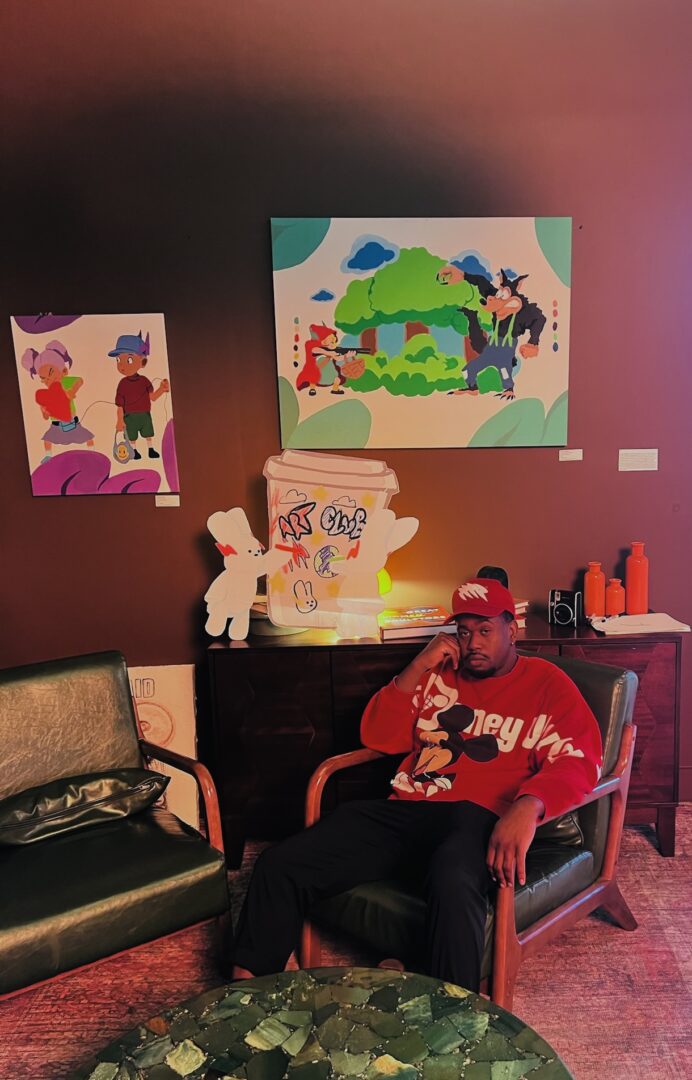
Being the only one in the room who looks like me has taught me how important it is to stay grounded in my own perspective rather than trying to adapt to fit what’s already there. Read More>>
Joshua Pangborn
I make queer, fat-positive film and television, and I’m fairly confident I’m one of the only people in the world who does, so I’m almost always the only person in the room who looks like me and tells the stories I tell. Read More>>
Jenaé Louis-Jacque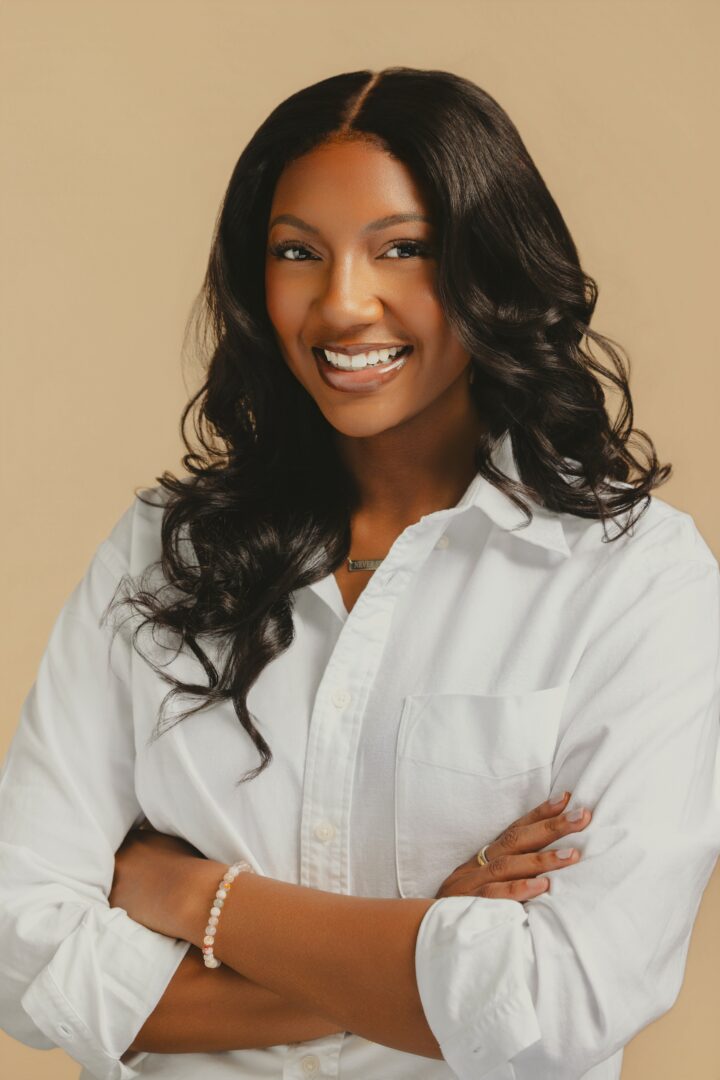
Throughout my professional career, I’ve often found myself in rooms where I’m the only one who looks like me. Early on, I learned to see it as a strength rather than a setback. It’s pushed me to be intentional about how I show up, how I contribute, and how I advocate for both myself and the perspective I bring. Read More>>
Chandra Major
Being the only one in the room is something I’ve experienced most of my life, starting as early as elementary school in Dunwoody, Georgia, where there were very few African Americans at the school I attended. That feeling carried into my career, especially as I moved into corporate spaces and leadership roles in event operations. Read More>>
Troy Alston
Being the only one in the room has never been something I’ve tried to fight, it’s something I’ve learned to understand and use to my advantage. Early on, I realized I couldn’t rely on recognition or validation to measure my progress. Read More>>
Irene Song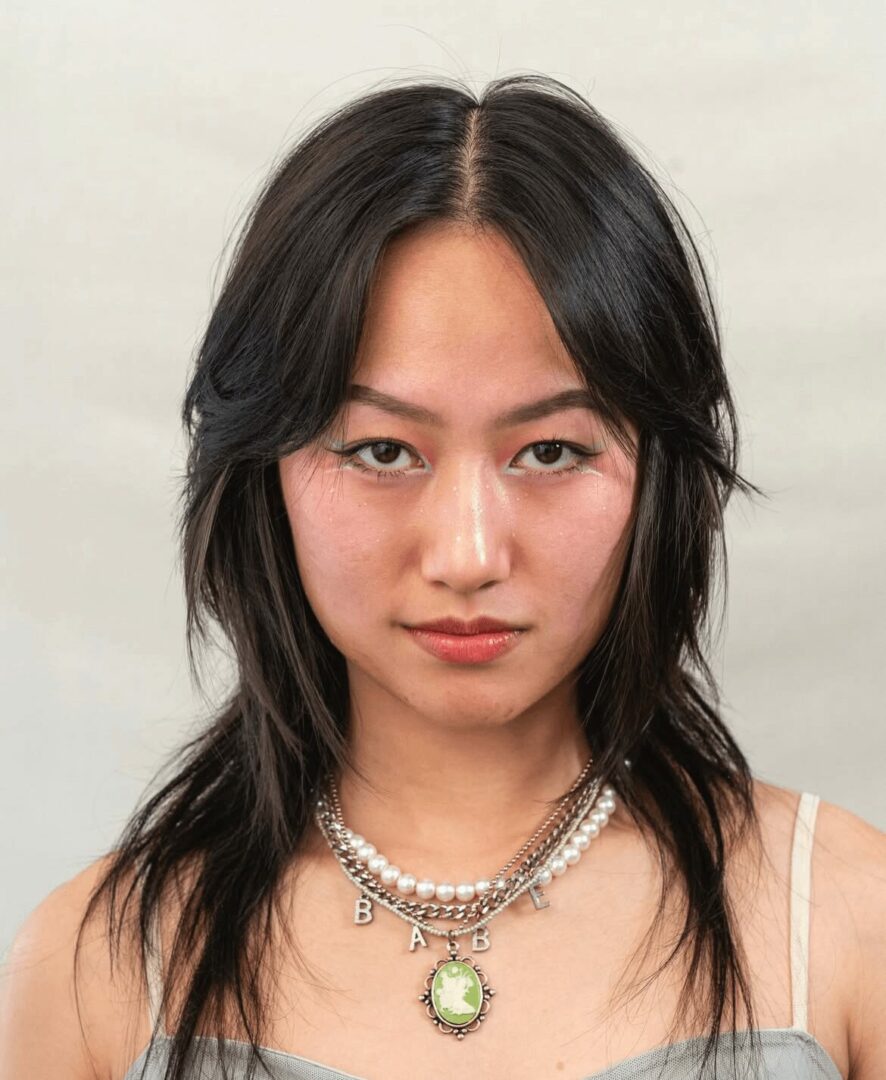
Growing up, I tried to hide the qualities that made me stand out from the peers in my classroom. I never felt comfortable enough to show aspects of my Chinese heritage out of fear of being cast out. My focus was on how to assimilate to the American culture, how to blend in and be accepted by everyone. Read More>>
Latoya Jordan
I’m no stranger to being the only one in the room that looks like me. In fact, my parents were intentional about making sure I had the tools to navigate and feel confident in any environment. Read More>>
John BEST
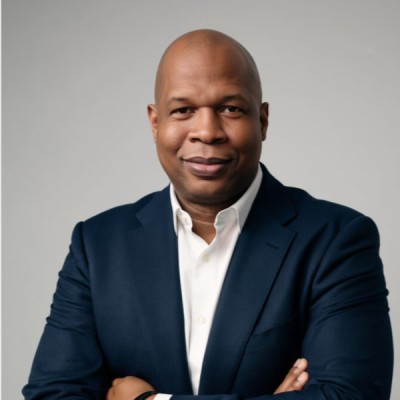
I’ve learned to be effective by not shrinking myself. When I’m the only one in the room who looks like me, I remind myself that I’m there because I earned my place, not because I was invited by accident. Read More>>