What do you do when no one else in the company or the meeting looks like you? We asked entrepreneurs and creatives from across industries and geographies to share their experiences and advice.
Karena Bell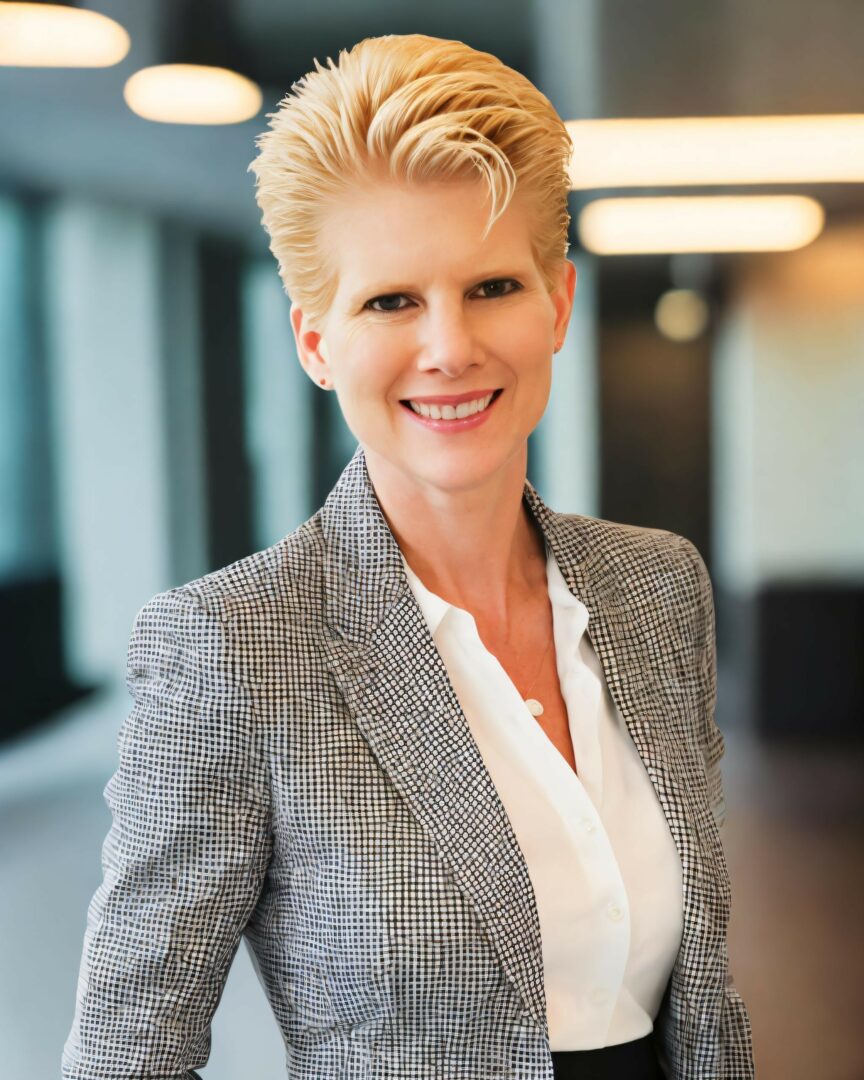
I learned early that trying to blend in is exhausting and rarely effective. When you are the only one in the room who looks like you, thinks like you, or sees the problem differently, the instinct can be to soften your voice or wait to be invited in. I did the opposite. I focused on being useful. Read More>>
Tanuj Samaddar
The notion of being the sole person in a room is not a unique experience for me, but has been the foundation of my development. I have frequently found myself in situations where the intersection of my location, professional background and life experiences has set me apart from others. Read More>>
Nelson Lee
I grew up in a small town in Southern California. There were many great things about being in a small town where people knew each other, all my friends grew up there, and it felt very personable. Magic was something that I was doing for fun for my friends and family. Read More>>
Any Keila Pereira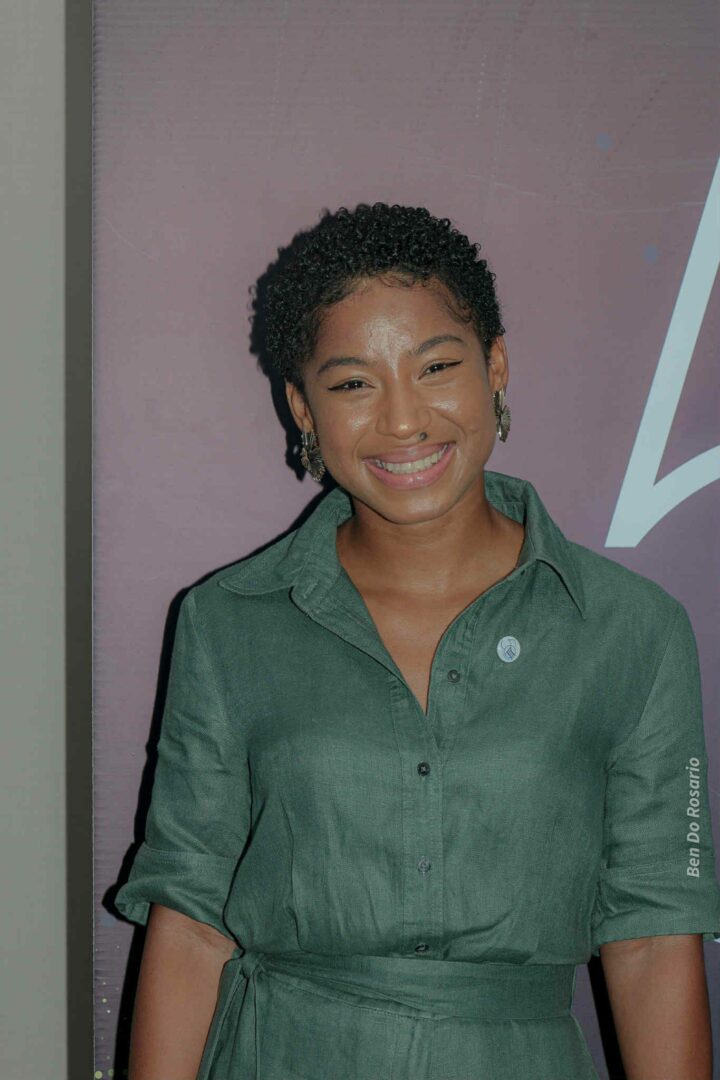
Being the only one in the room has taught me that I am never truly alone. When I enter a space where I am the only woman, the only black person, the only scientific writer, or the only founder, I carry with me entire communities and generations who never had access to that room. Read More>>
Erin Perkins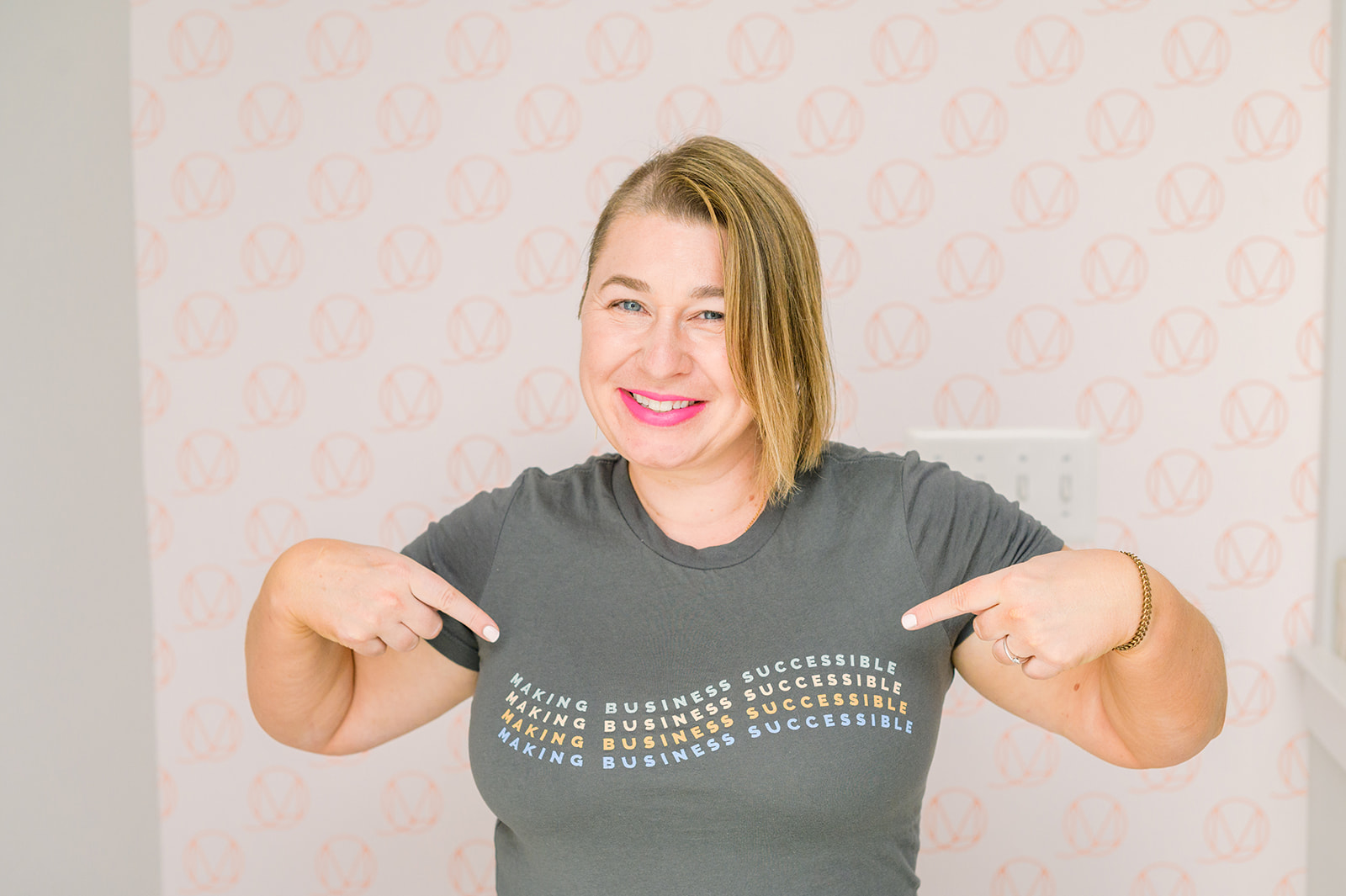
I think this is such an interesting question because most of the time it’s not obvious that I am different from others in the room. I’m DeafBlind, but it’s a hidden disability. Unless I show up with my white cane, people don’t clock it right away. And even then, it will confuse them. Read More>>
Stefanie Hernandez
I believe success is something each person must define for themselves. I try not to rely on the world to determine my level of success. In our society, the goalpost never stops moving. Following trends, trying to keep up with the algorithm, and always needing to be in the right place at the right time can turn any passion into work. Read More>>
Rev. Mrs. Carolyn Whiteside-Kendall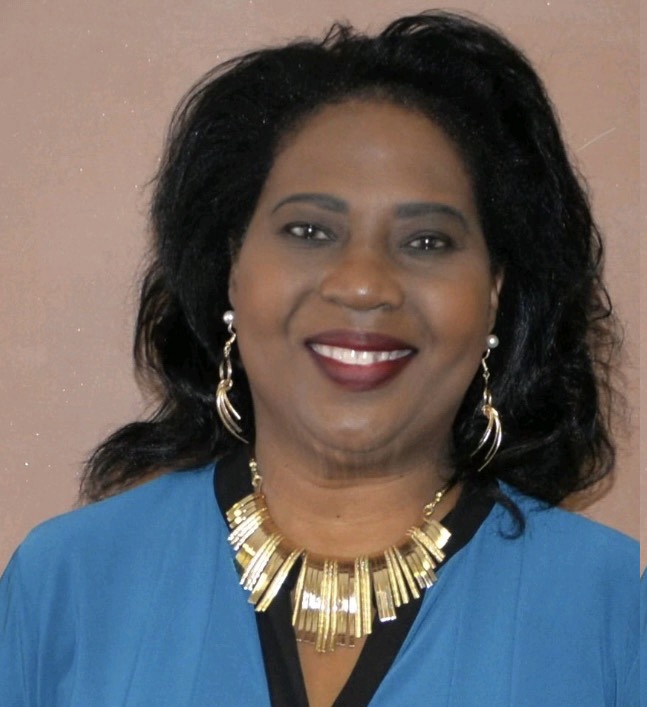
As an African American female who has been very outgoing all of her life, I have found myself to be the only one in the room so to speak, very often, not that I have wanted to be in that position or even expected it, yet it was the reality. I have found that my natural curiosity and confidence would often surface. Read More>>
May Lee-Yang
I’m an Asian woman living in the Midwest, so when I was growing up, I was often one of the few Asian, Hmong, People of Color in the room. That meant that sometimes I was ignored. Or people questioned if I was in the right room. Or I was asked to speak for a whole group of people. Read More>>
Branden Robinson
Whether due to ethnicity, gender, or another identity, I believe that being the ‘only one’ in a professional situation is a typical issue that calls for certain mental and strategic adjustments to transform into a professional advantage. I tell myself that I should be in the room if I’ve been invited. Instead of sitting around the edge, I firmly position myself at the table. Read More>>
Markeyla Galy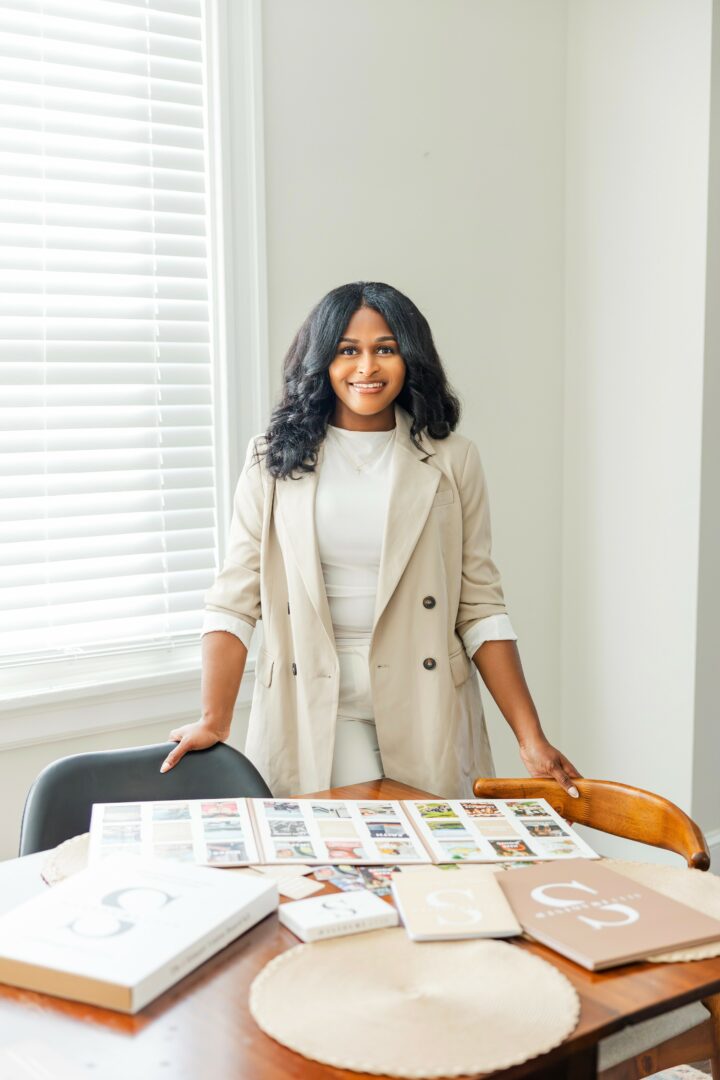
In my professional journey, I’ve often found myself in environments where I’m one of the few — if not the only — person in the room who looks like me. In corporate settings, that reality can show up quietly, but it shapes the way you see yourself in leadership. Read More>>
Liv Merima
When I first started my business I didn’t personally know anybody who had an online coaching business. I came from a small town where most of my friends and family didn’t understand what I was building. What inspired me to keep growing was joining masterminds and communities with like-minded coaches and entrepreneurs who were accomplishing huge milestones within their businesses. Read More>>
Sierra Cobbs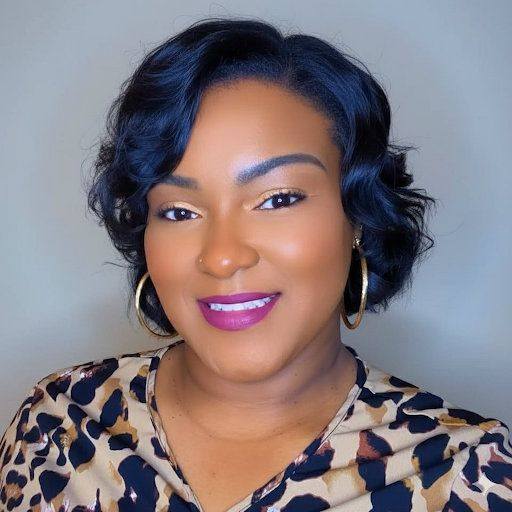
Honestly? It used to be a little intimidating, but now I just look at it as a sign that I’m supposed to be there. I’ve learned that if I’m the only one in the room who looks like me, it’s because I’m bringing something to the table that literally nobody else can. I don’t try to ‘code-switch’ or fit a mold anymore. Read More>>
Phillip Barnes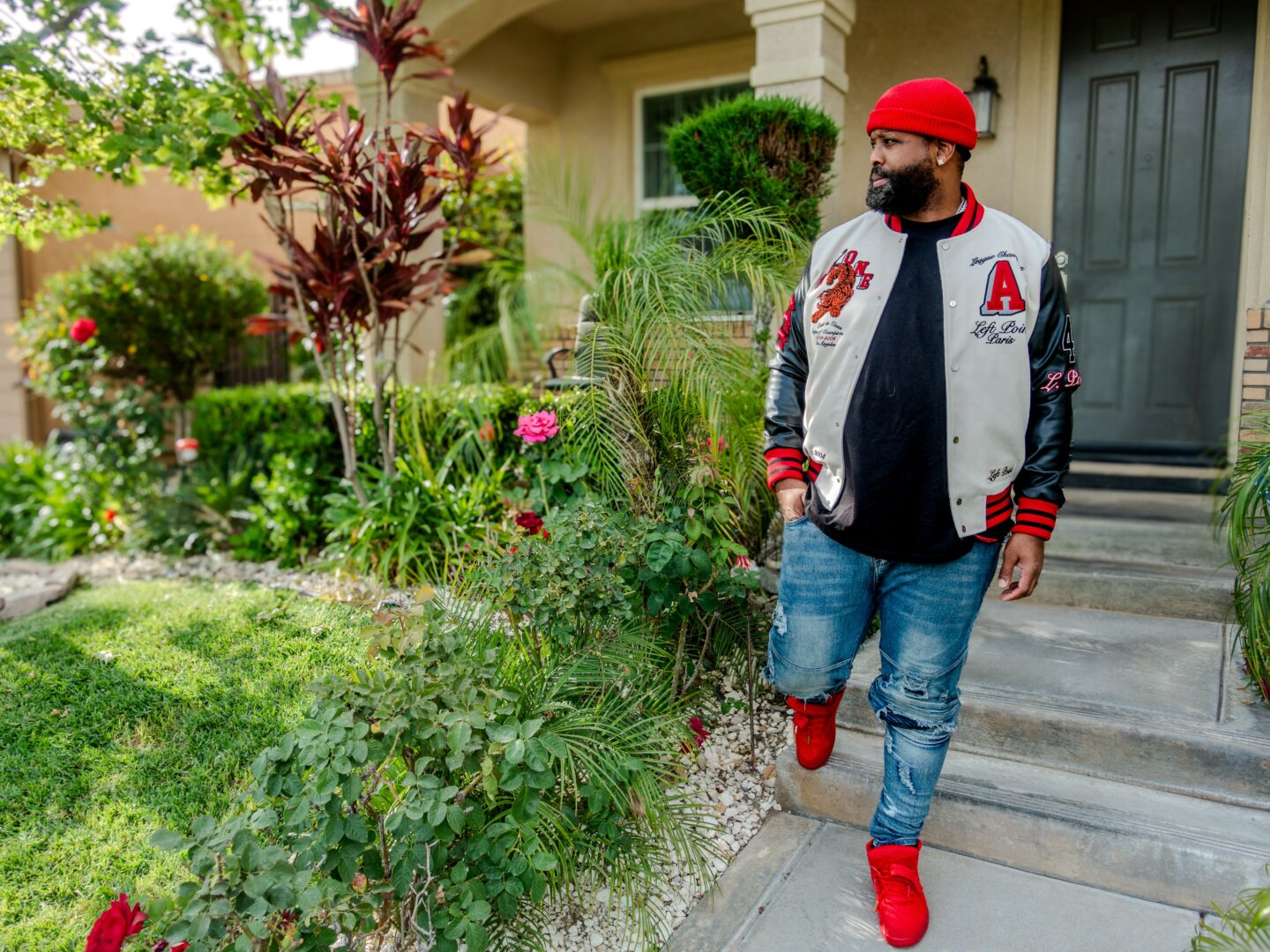
For a lot of Black men in specific spaces, being the only one in the room isn’t rare, it’s normal. And we’re never looked at as neutral. We walk into spaces already being read: our bodies, our clothes, our tone, our confidence. Read More>>
JoNita Cox
Have you ever walked into a room and just known? Nothing happened. No one said anything. But suddenly you’re aware of how you’re standing, how you’re sitting, how much space you’re taking up. You start clocking the room before anyone even notices you’ve arrived. I don’t remember the first time I realized I was the only one in the room who looked like me. Read More>>
Nia Ford
’ve learned to be effective and successful by choosing authenticity over assimilation. When I’ve found myself as the only one in the room who looks like me, I remind myself that God created only one version of me—intentionally and with purpose. Being fearfully and wonderfully made means I don’t need to shrink, soften, or hide who I am to belong. Read More>>
Jonah Weddle
Over the past 2 years of building my career, I have learned to be effective by trusting the process. I have become successful by collaborating with other creatives and mentors and having a willingness to learn and adapt to changes in schedules and deadlines. I have allowed trials and tribulations to be learning opportunities. Read More>>
maggie barnard
Being true to myself, trusting my intuition and appreciating the importance of the small tasks. Read More>>
Missy Galang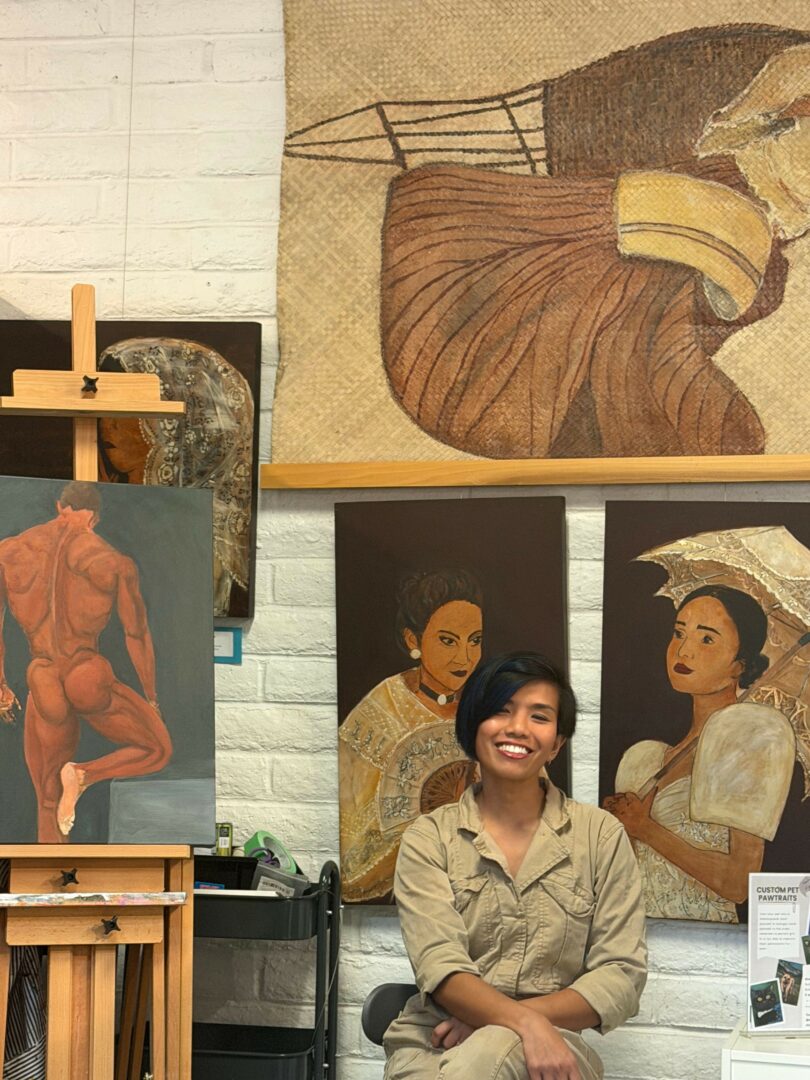
I’m a first-generation Filipina American. At 4’11”, I’ve been considered small—even within my own culture. Add a quirky personality and an unconventional sense of style, and I quickly became aware—especially in corporate spaces in the U.S.—that people often struggled to take me seriously. That was something I never really had to confront before moving here. Read More>>
Tricia Lopez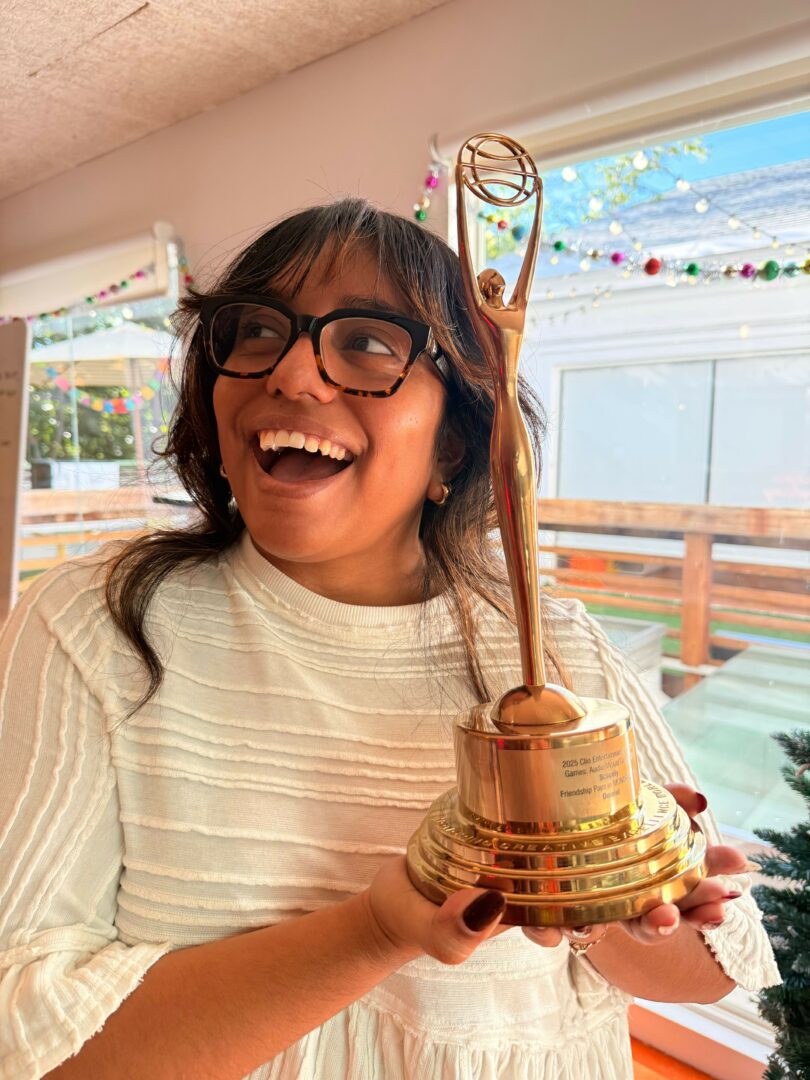
I grew up with a dad who never sugar-coated anything. He would tell me straight up, “Yes, it’s because you’re a woman, and yes, it’s because you’re brown.” So from a really young age, I was aware of my identity. Read More>>
William ‘Chip’ Beaman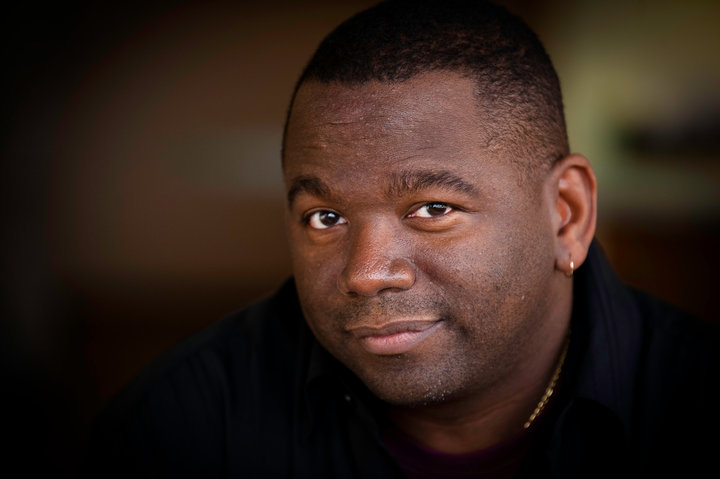
Being the only one in the room didn’t begin with my career. It began in childhood. I grew up in Yonkers, New York in the 1970s and 80s, a city with a well-documented history of racial segregation. Yonkers was eventually sued by the United States government for intentionally segregating schools and housing, and that reality showed up in everyday life. Read More>>
Bobby Haag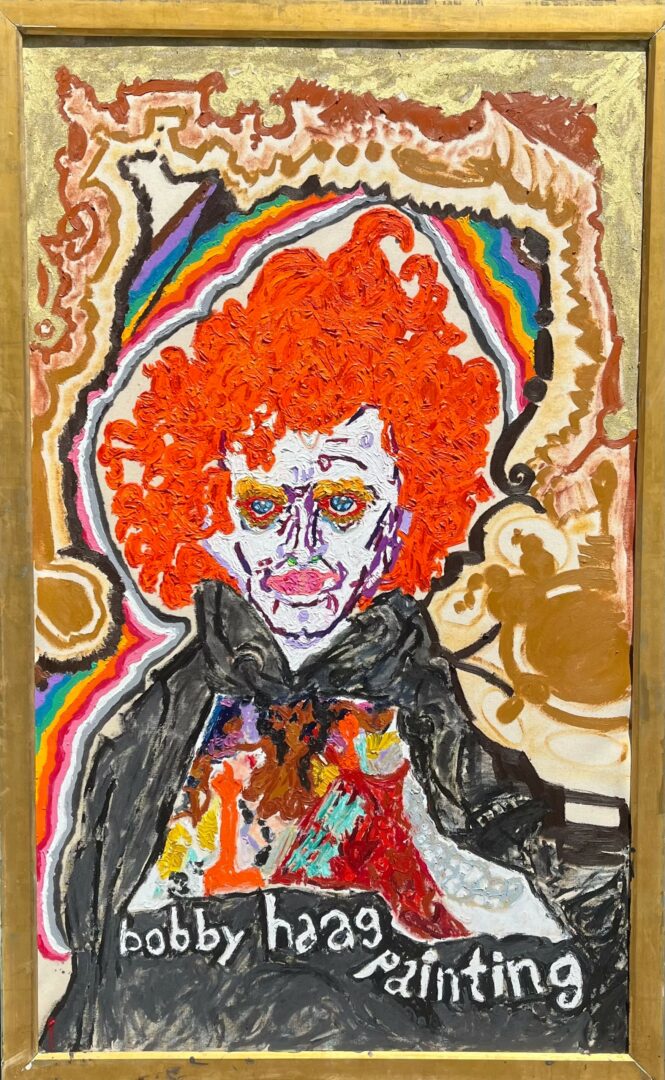
Everything I do is for art. I am doing this for art. What I am doing is always changing, but what I do always stays the same. While things are happening to me now, I cannot say what they are but just how it feels making them happen. Read More>>
Camila Crews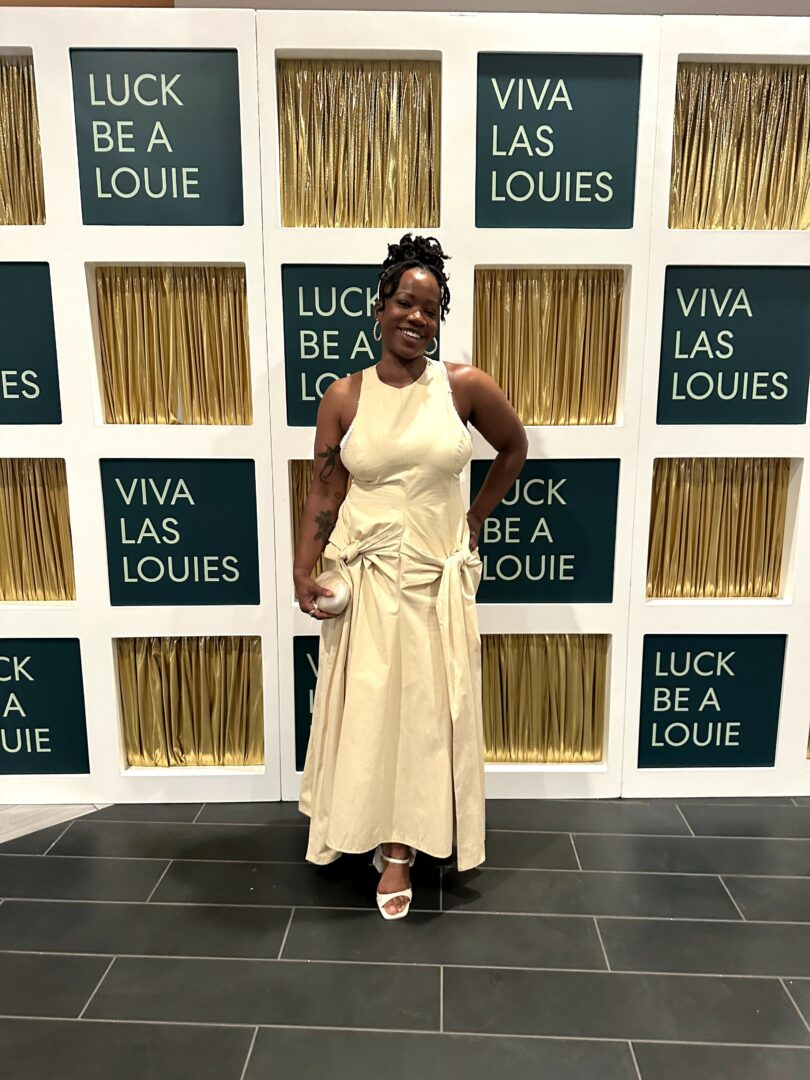
I’ve learned to be effective by being myself. The truth is, each of us is a one of one creation. There is literally no one else like me in the world, and I bring that perspective with me when I enter a room. I ground myself in the understanding that we are all just people. Read More>>
Armani Walton
Being the only one in the room has taught me how to turn visibility into power. As a gay Black influencer, I’ve learned that my difference isn’t a disadvantage—it’s my edge. Here’s how I’ve learned to be effective and successful even when I’m the only one who looks like me: Read More>>
Georgina Padilla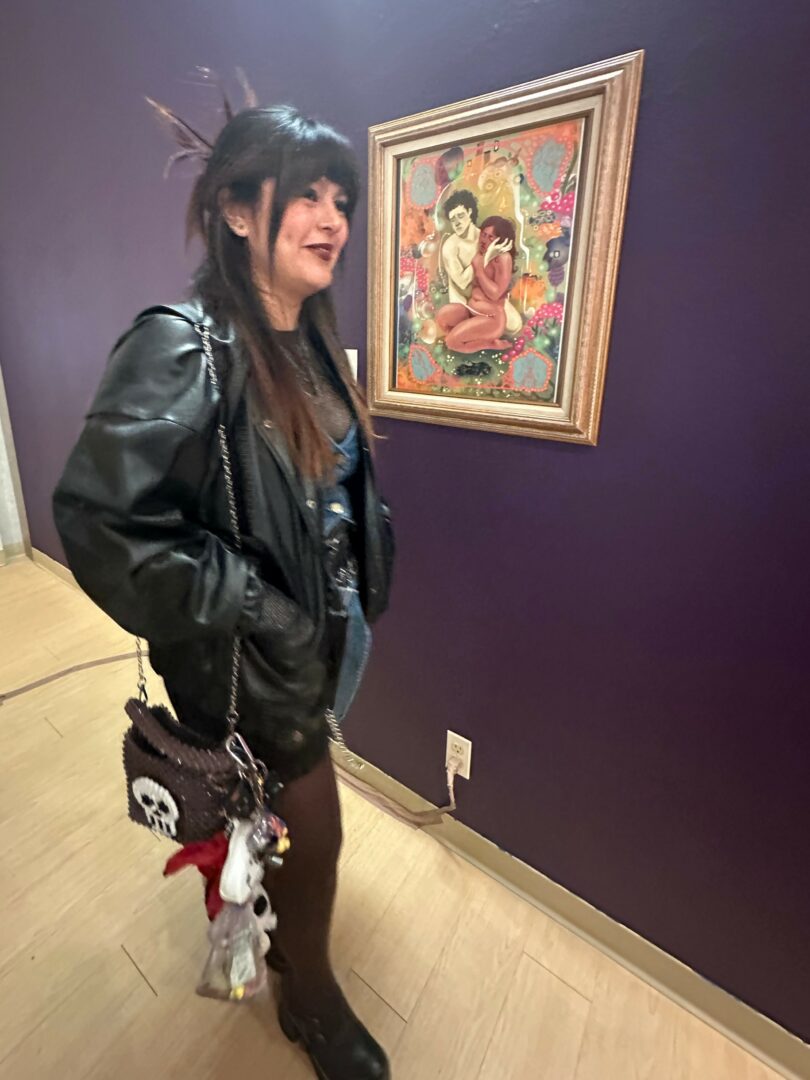
Looking different was never a reality for me until I moved to the US from Mexico. Suddenly not being able to relate to anyone around me, not in language, appearance, or culture was difficult. It was a harsh reality to experience racism, micro-aggressions, and feeling like an outsider in the land that makes a promise to be for everyone, no matter where you are from. Read More>>
Khadejah Durant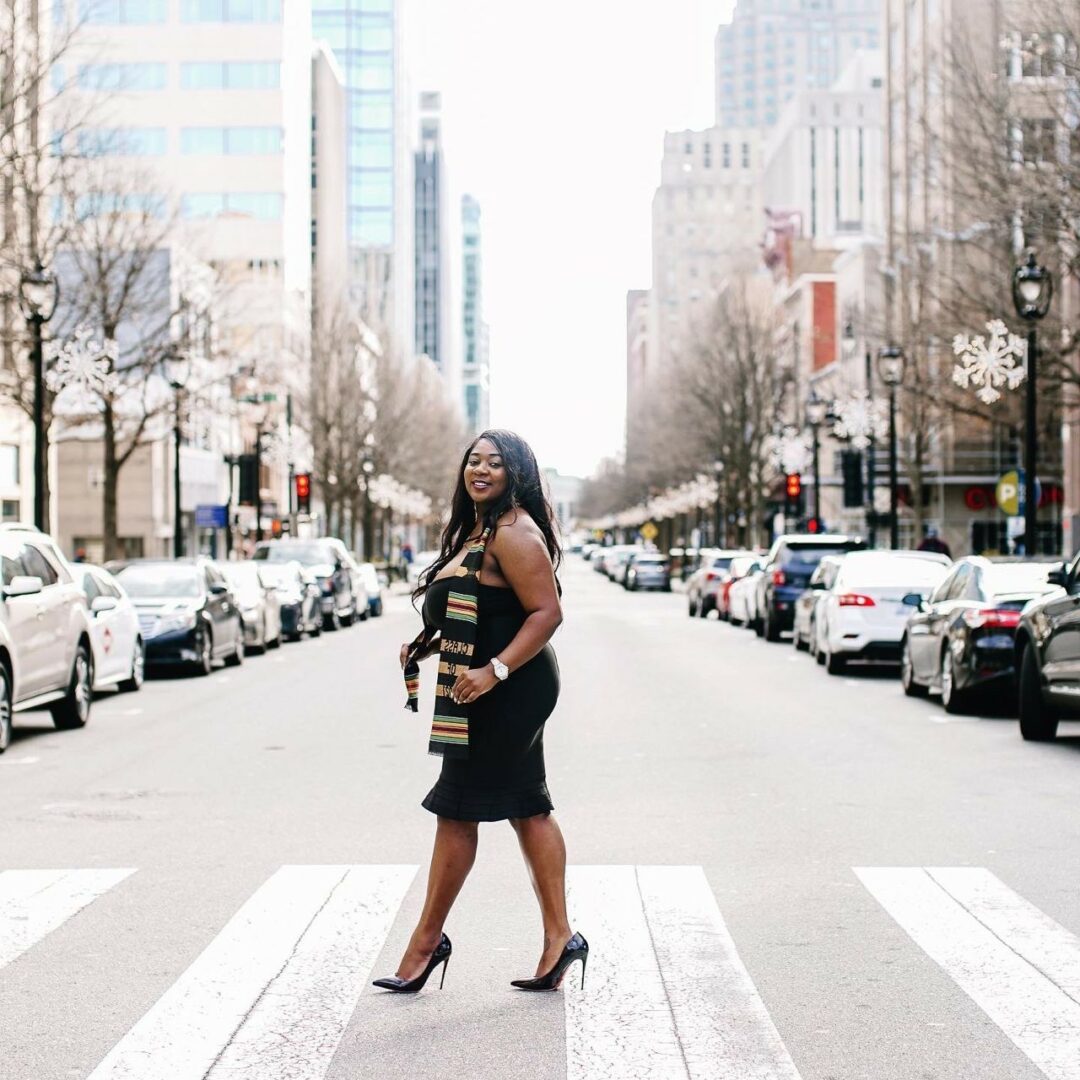
I’ve learned how to master this by knowing myself, my purpose and what I stand for. I also think about how much my voice, skill set and representation matters so I can open doors for others to come. Read More>>