Losing your job is painful and unfortunately the current economic conditions have led to many layoffs and firings in companies large and small. However, we’ve learned though thousands of interviews over the years that job loss is one of the most common catalysts for massive life improvement. Below, we’ve shared stories and perspectives from some very successful members of the community around how they dealt with job loss.
Adrian Suarez
I’ve learned to overcome imposter syndrome by reframing how I see it. Instead of treating it as a sign that I don’t belong, I try to see it as proof that I’m growing and pushing into new territory. I remind myself that it’s normal to feel uncomfortable when you’re stretching your skills, and that doesn’t mean I’m unqualified, it means I’m learning. Read More>>
Sabrina Robbins
I overcame and passive syndrome about a year ago, when I decided that I no longer will allow fear to dictate my life. As someone who has a degree in psychology and in counseling, this was vital to my growth and my personal life., spiritual life, and a part of my healing process. Read More>>
Amanda Fenker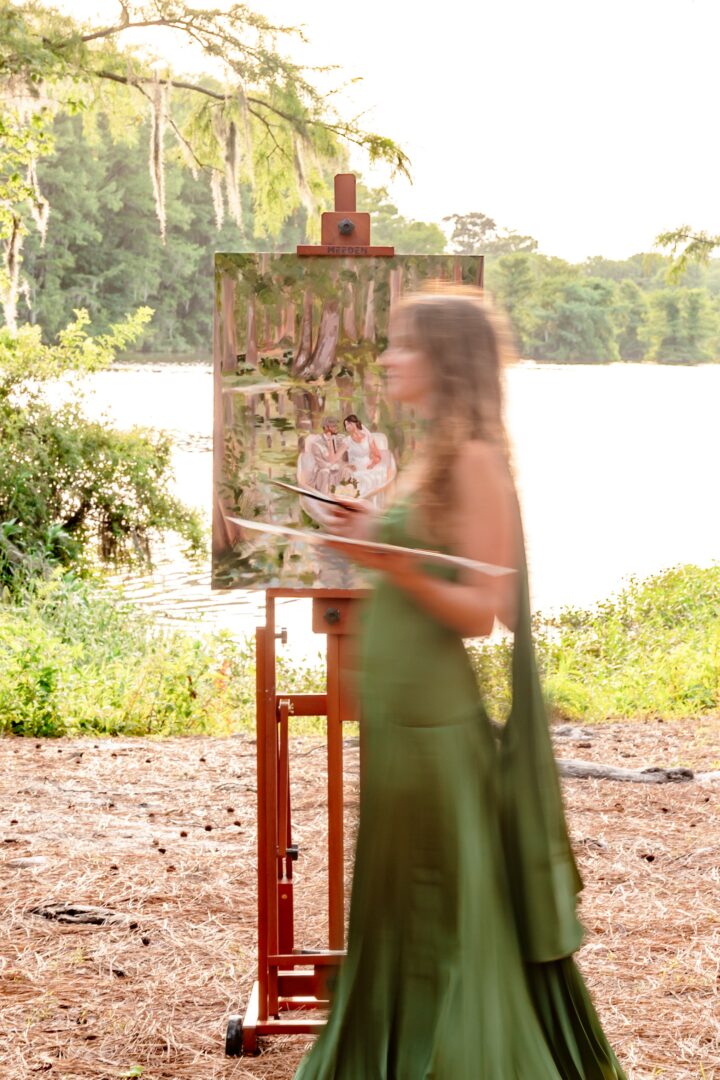
For me imposter syndrome was one of my biggest hurdles and can still often show up as a little voice saying ‘what if you mess this up in front of everyone?’ Painting and sharing artwork is already such a vulnerable state to put yourself in, but live painting in front of so many people at weddings was absolutely terrifying in the beginning. Read More>>
Virginia Powers Hendry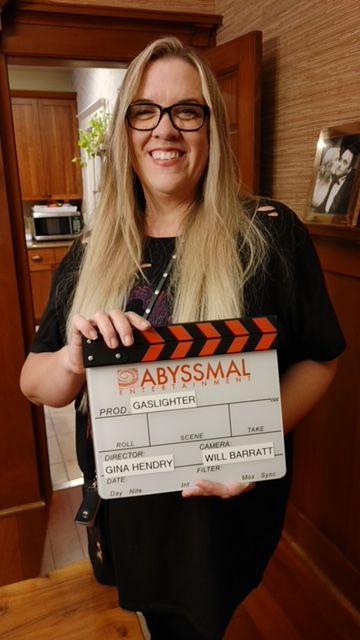
I’m not sure I ever will totally overcome imposter syndrome… that’s like asking ‘when are we going to smash the patriarchy?’ As a director who is fairly new to the craft, I have put together a team of really qualified artists, and I make sure I communicate my vision on any given project, to the best of my abilities. Read More>>
Amanda & Michael Ferrari
I overcame it with time. When we rolled out Season 1 of our flower and bread cart in 2024, I had no idea what to expect. I was still learning the ropes of flower farming, making mistakes left and right, and I even nudged Michael into offering his bread before either of us felt ready. Those first weekends were nerve-wracking—but then our neighbors showed up. Read More>>
Donald Iannone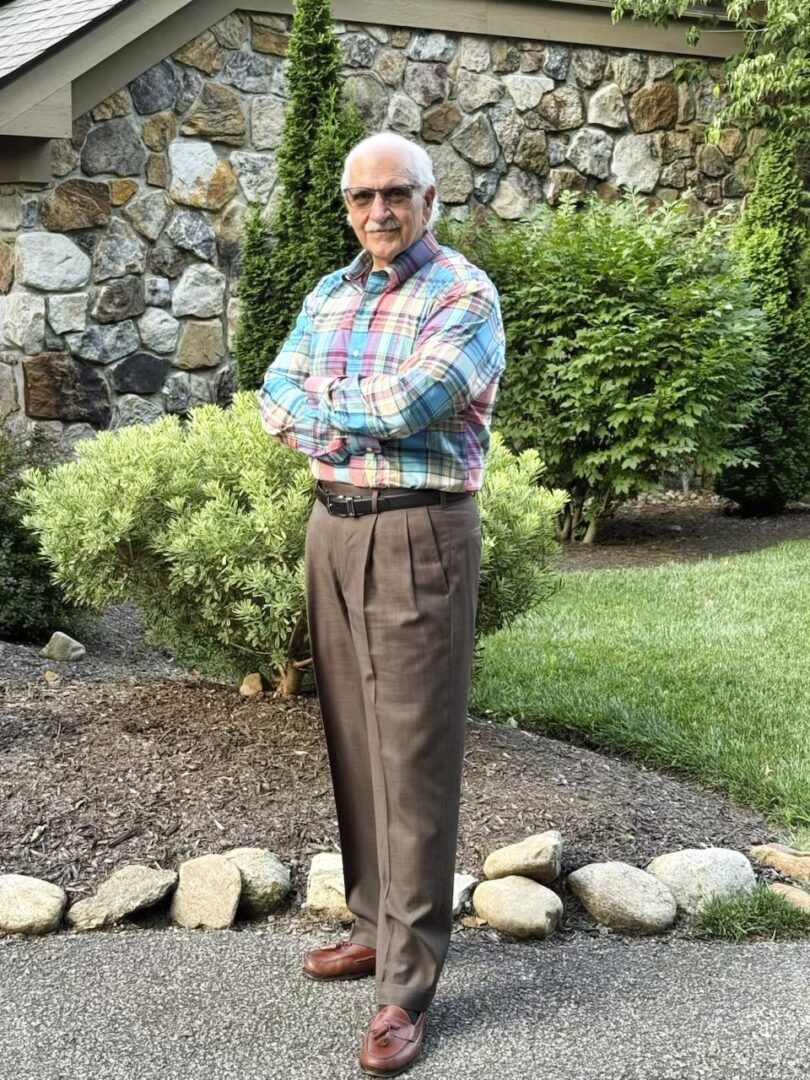
What is Imposter Syndrome? It is when you doubt your own abilities and feel like a fraud, even if you’re actually skilled and successful. For me, overcoming it began with reframing my understanding of the self. Read More>>
Chaselle (Chaz) Gazelle
For me, imposter syndrome came from the simple fact that we naturally look up to people who are better than us. When your examples are all ahead of you, it’s easy to feel like you’re always behind: less smart, less talented and less experienced. Read More>>
Reinout Van der Straeten
I think you never really overcome imposter syndrome. I think the only thing that really helps is to stay passionate about what you do and be persistent and be original in it. People around you and the community will notice and give you the validation over time, yet some feelings of self-doubt will always linger. Read More>>
Deidre Blair
I opened an art gallery. Until then, I had been painting, selling my work at fairs, coffeehouses, occasionally making it into a “real gallery show.” When people galled me an artist I balked. I wasn’t making my living from my art. I certainly wasn’t the most talented artist. Who was I to call myself an artist? Then the pandemic happened. Read More>>
Norma Palomares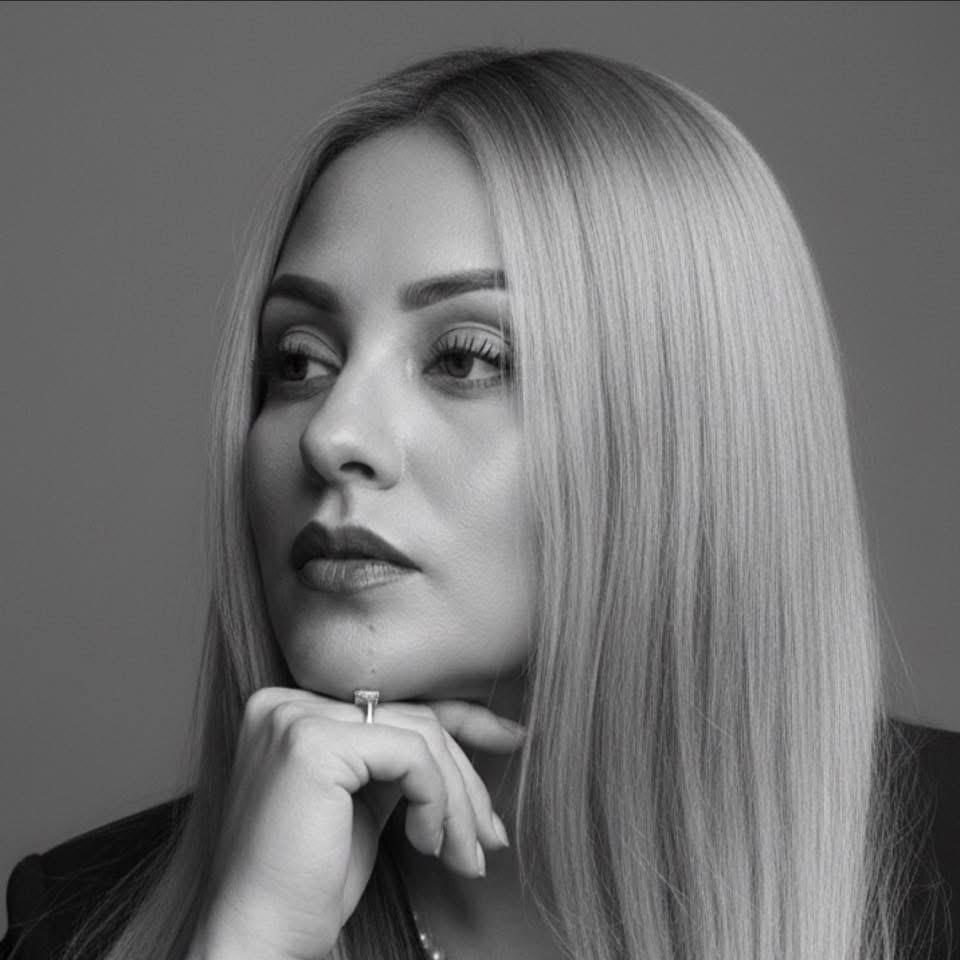
When I began in beauty, imposter syndrome was constant. Even with training, I’d ask myself, “Who am I to call myself a professional?” In this industry, every detail is visible, and one imperfect brow can feel like it defines your worth. That pressure fed fear and comparison until I realized I wasn’t meant to carry it alone.
Valeria Saldana
Throughout my career, I have experienced impostor syndrome at various stages; every time I reached a new level, that feeling tried to resurface. It is a psychological phenomenon first described in the 1970s, defined as the belief that one is not deserving of their achievements, even when there is clear evidence to the contrary. Read More>>
Zoe McDaniel
Overcoming imposter syndrome has been a significant challenge, especially since starting my career in event and wedding planning. I believe it’s what held me back from starting earlier. Read More>>
Mark Cunzolo
Imposter syndrome was one of the biggest hurdles I had to face when starting my photography business. I didn’t mean to get into photography, I didn’t have a burning passion for it, and I wasn’t even looking to start a business. My church needed someone to take better photos, so I grabbed a camera that was available and just started shooting each weekend. Read More>>
Heather Mahoney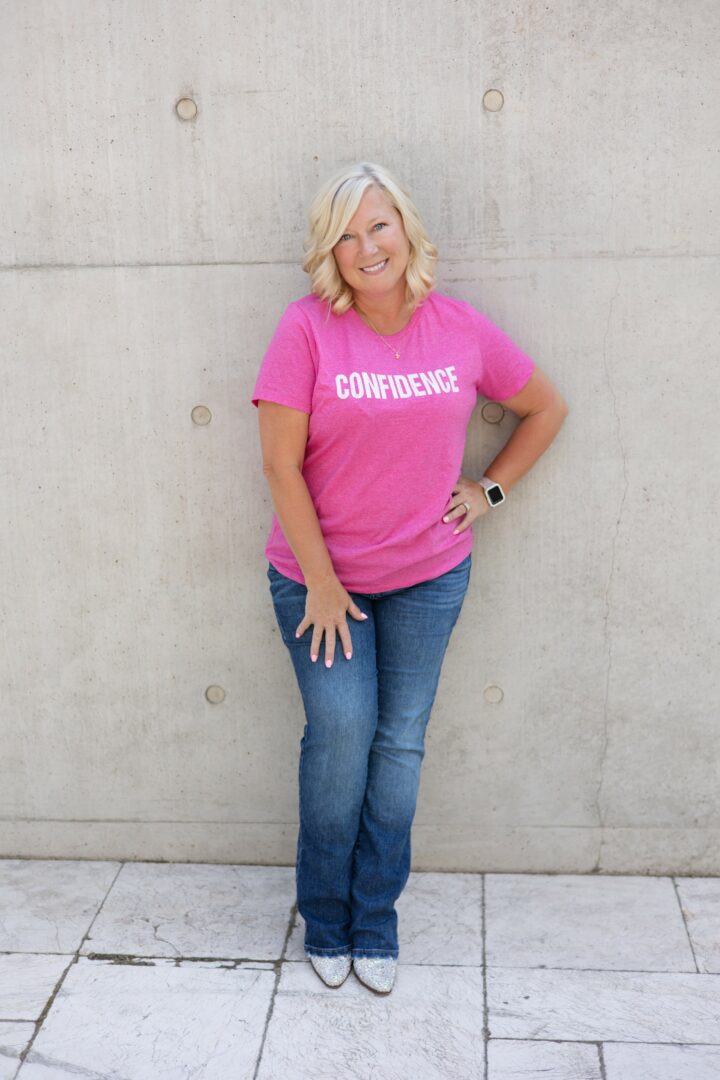
I’m not sure I’ve ever completely overcome imposter syndrome — and honestly, I’m not sure anyone truly does. What shifted for me was realizing that imposter syndrome is incredibly common and relatable. Read More>>
Joanna DeLane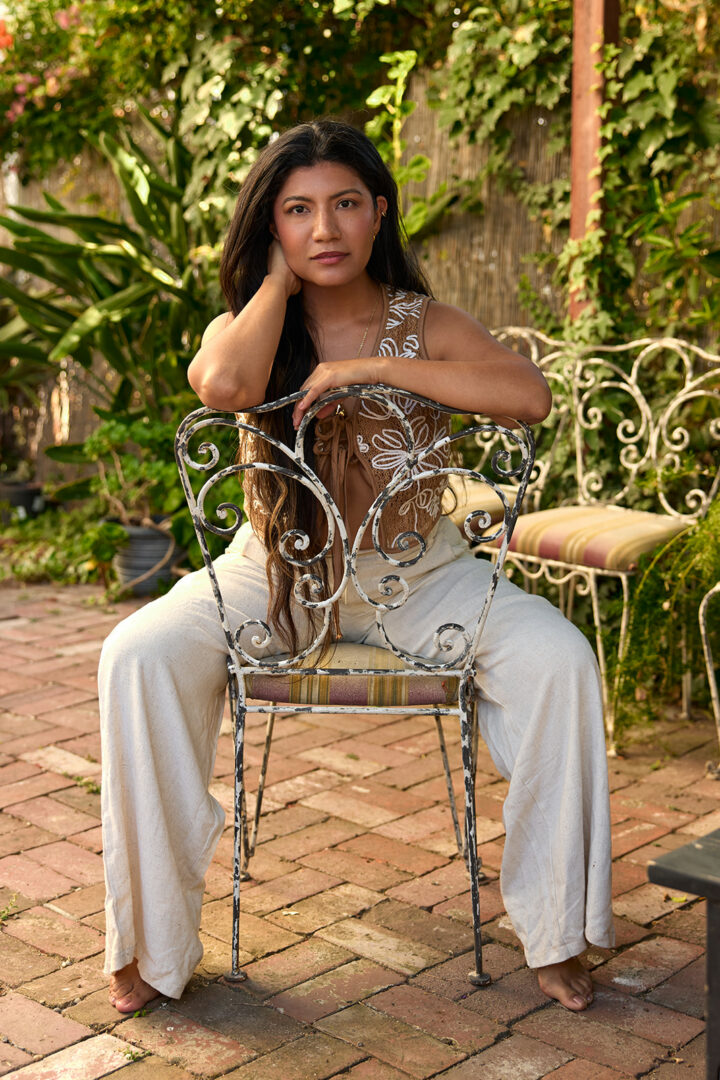
Honestly, I haven’t fully overcome imposter syndrome, and I think it’s important for people to know they’re not alone in feeling it. Instead, I focus on how I deal with it. I’ve developed little practices that help me manage those feelings. Meditation is huge for me. Read More>>
Erika Gee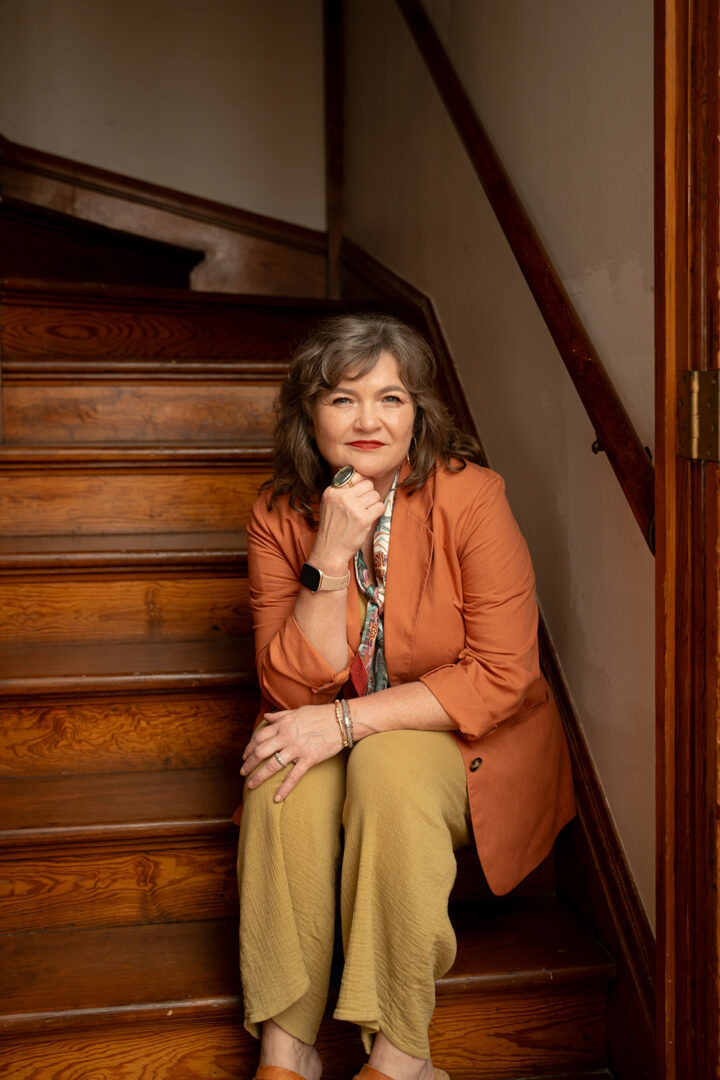
I’m not sure it’s ever completely overcome but the worry about being an imposter certainly diminishes over time. When I first became a lawyer, with a big job at a big law firm, I had a persistent feeling that I had somehow managed to sneak into a culture and a society without the family and background to be there. Read More>>
Odin Blackgrove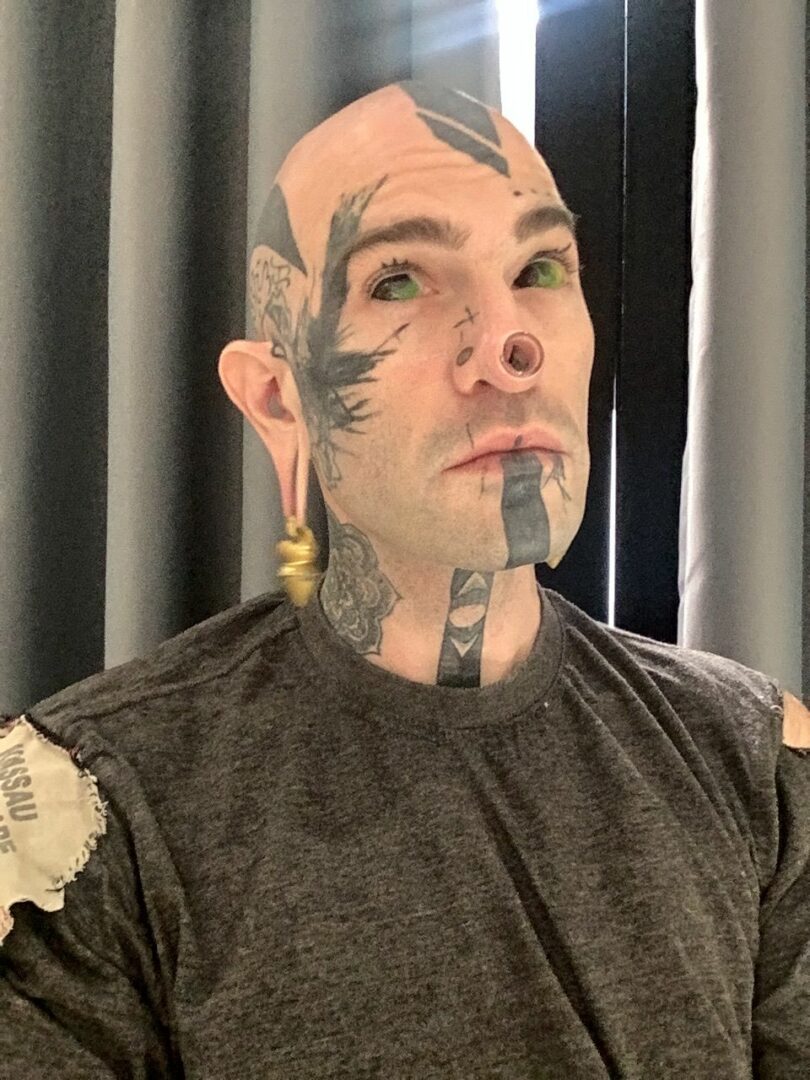
I honestly never did. I love my doubts, I admire my uncertainty and I embrace my humility. I find the very debate of what makes for good or bad art/artists pretty nonsensical and pretentious. The debate of time and labor based merit seems to go over my head too. We cannot always quantify or qualify these traits. Read More>>
Alon Goldsmith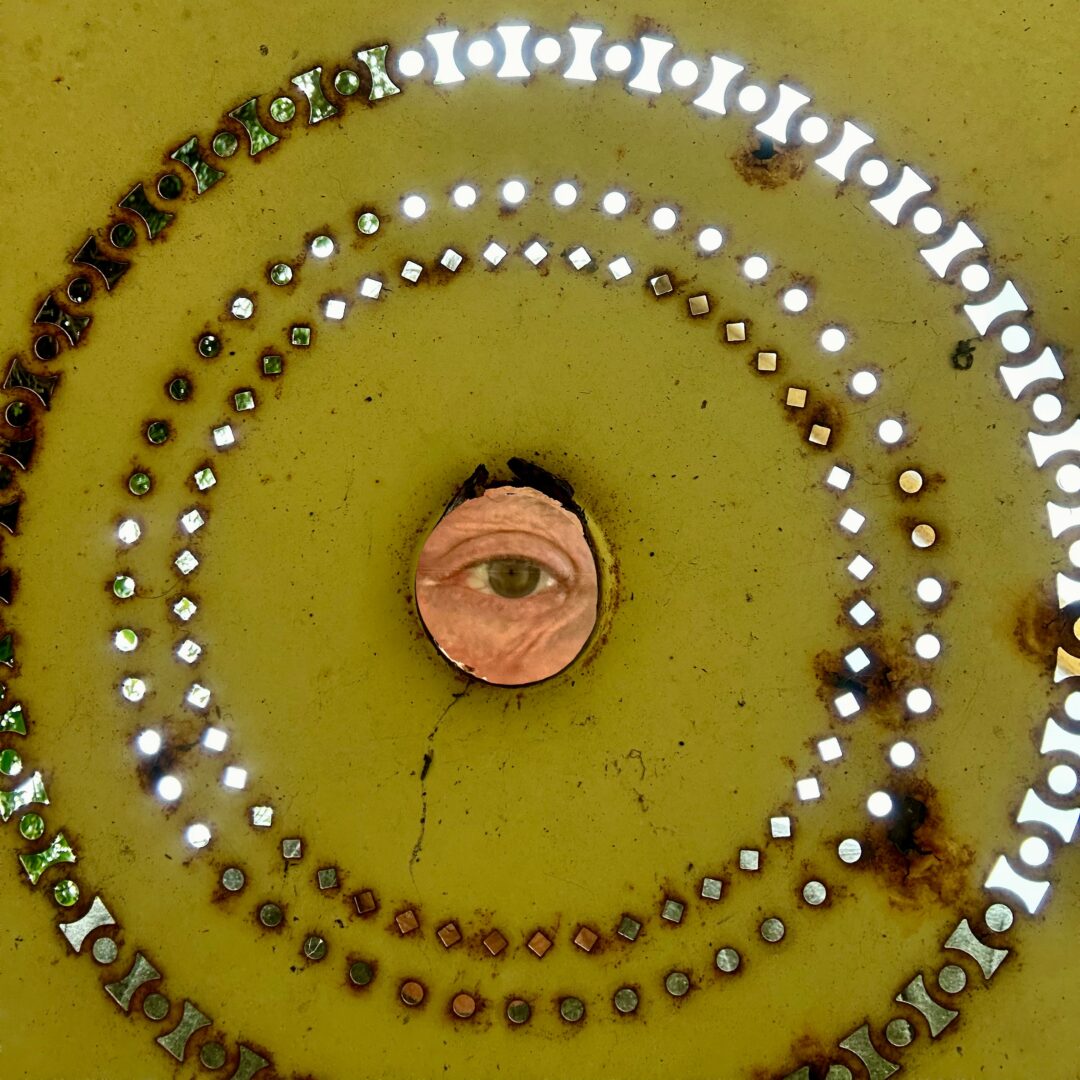
Imposter syndrome is something I think most creatives wrestle with at some point. For me, it shows up in moments where I look around at other photographers and think, “Do I really belong in this room? Do I measure up?” What helps me overcome it isn’t a single breakthrough but a slow reframing. Read More>>
Kacie Aversa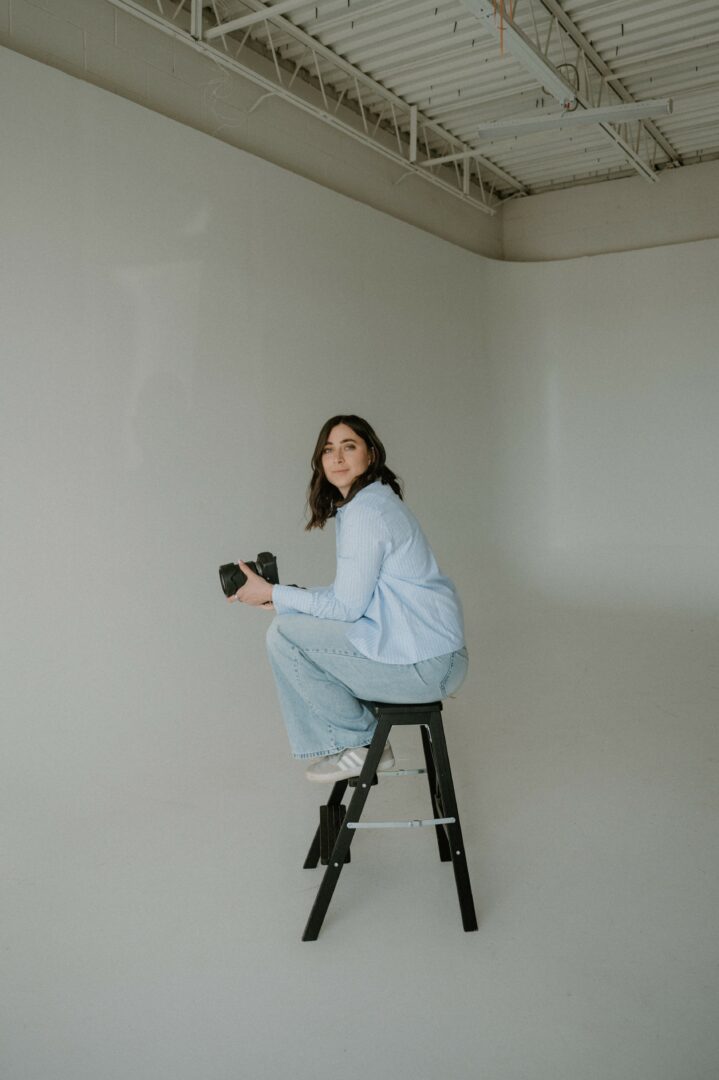
I still struggle with imposter syndrome frequently. I think that’s just human nature when you’re in a creative field. For me, I challenge that inner critic and remind myself that I’m unique and there’s only one of me. That my creative vision is going to be different from someone else because every person is different. Read More>>
Janessa Vicenty
When I first started stepping into leadership roles, I constantly questioned whether I was “qualified enough” to be in the room. I would compare myself to people who seemed more experienced, polished, or confident, and it left me second-guessing my own value. Read More>>
Korry O’Brien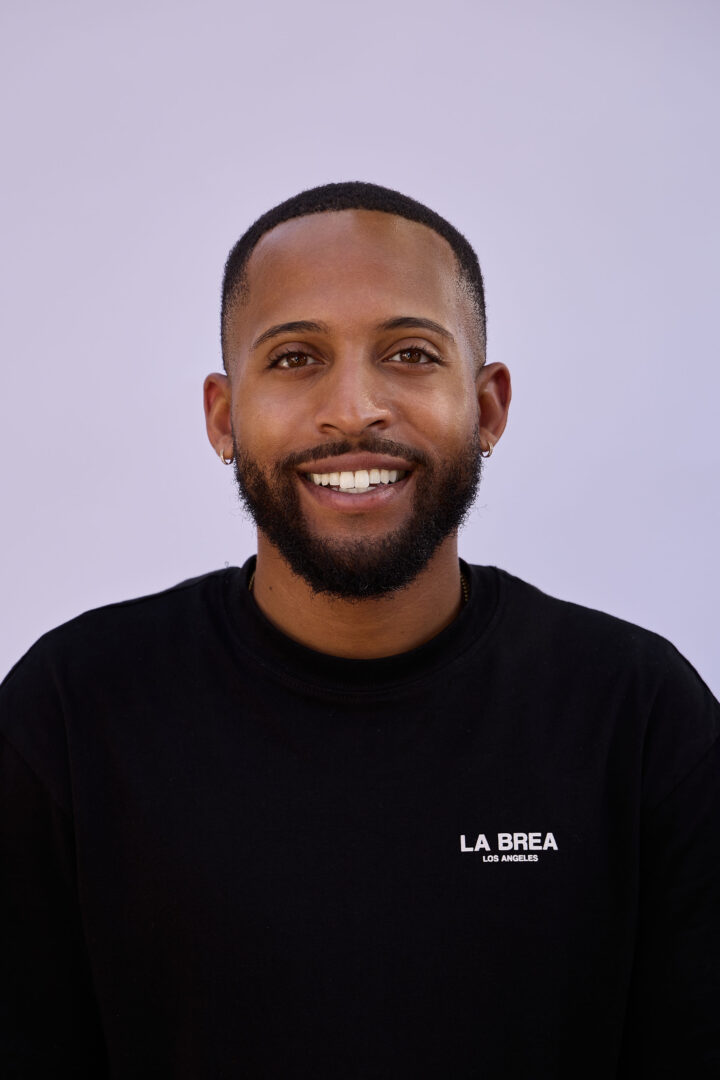
To be honest, I am still battling imposter syndrome…I’d like to think that it is an ongoing battle for all creatives. Though, it is a fraction of a worry. Strangely enough, being rejected has helped in my battle with imposter syndrome. Not getting a certain role or opportunity fuels my fire- and it inspires me to create my own avenues. Read More>>
Harley Wallen
I have to admit I love this question because it is so important and I truly think every legit person feels it, but most of us pretend we don’t because we are afraid it would somehow out us.. for me it’s always been about the work and I’ve always felt like I wanted to be a student first and foremost. Read More>>
Ryan Heimbach
Imposter syndrome can be very detrimental for any artist or anyone in their career. It can sometimes rear its ugly head up from time to time for me and I try to lean on my fellow artist friends that I know will give me an honest opinion about the matter. Read More>>
Vicky Keisler
Imposter syndrome was something I carried with me for many years, often quietly and privately. Coming from Vietnam, with a difficult childhood and no parents to guide me, I sometimes felt as though I did not belong in the professional world here in America. Read More>>
Noelle Cordeaux
How to Handle Imposter Syndrome (as a coach) Some 70% of people experience imposter syndrome at some point in their lives, according to research from the International Journal of Behavioral Science. ‘Imposter syndrome is a feeling of inadequacy that makes you think that you’re not good enough or won’t succeed,’ said Sam Parr, founder and CEO of The Hustle. Read More>>
Soraya Homayounfar
When I think about imposter syndrome, it really showed up for me during that transitional period when Goodroots shifted from being in its building stage to suddenly taking off. The pace of growth was fast, and I often felt like I was figuring things out in real time. Read More>>
Kandyce Jackson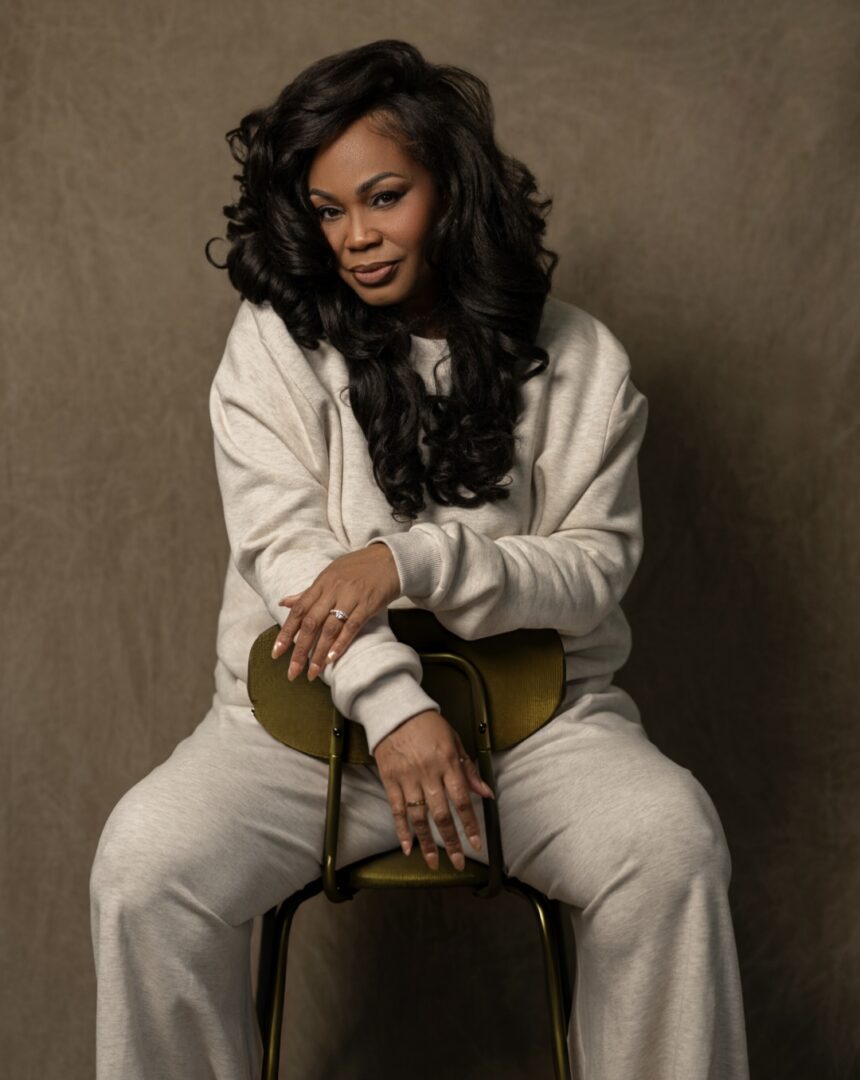
At first, imposter syndrome had me questioning if I even belonged in certain rooms. What shifted things for me was slowing down and reminding myself of the work I’d already done – the things I’d built and the spaces I’d created through my art. Read More>>
Edgardo Becerra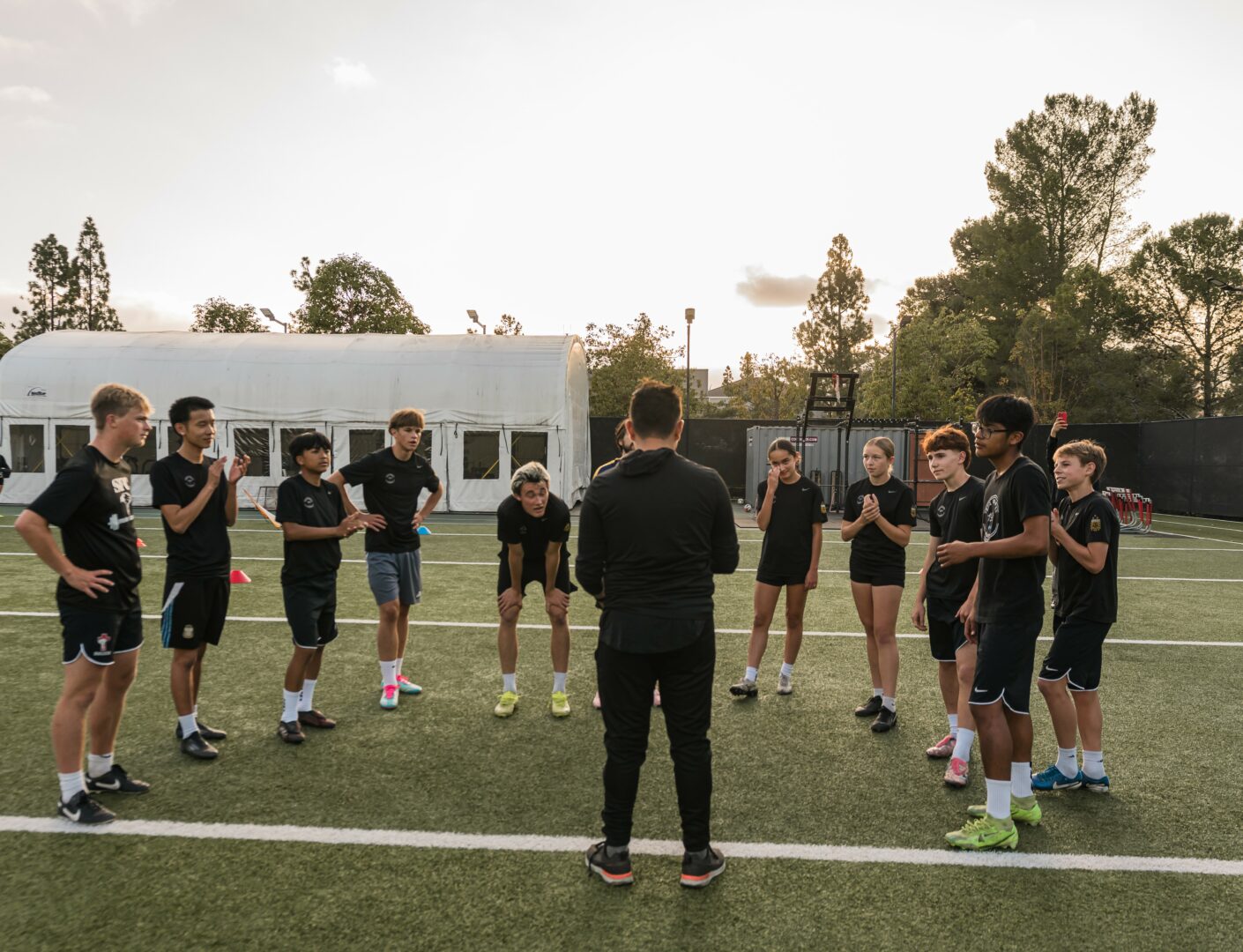
Imposter syndrome lingered as a subtle doubt in my path, even amid growing successes. I overcame it by investing thousands of hours honing my craft with unwavering attention to detail, proving my aptitude through consistent delivery of the services I offered. Yet, there’s always more to learn & I’m fortunate to be surrounded by exceptional coaches, which has kept me curious & humbled. Read More>>
Samantha O’Leary
For me, imposter syndrome came from constantly raising my own bar. I’ve always chased the next big thing, and in doing so, I sometimes set myself up to feel like I’m never quite ‘there’—especially when I compared myself to peers in the industry. The turning point was realizing that comparison was draining my creativity instead of fueling it. Read More>>
Aurora Chaffee
Imposter syndrome is a very real challenge—especially in the equine world. There are so many people working with horses, and many of them were born into horsey families or grew up showing. (Hear that imposter syndrome creeping in already?) Finding and owning my voice in this industry has been a long and deeply internal journey. Read More>>
Ben Dukes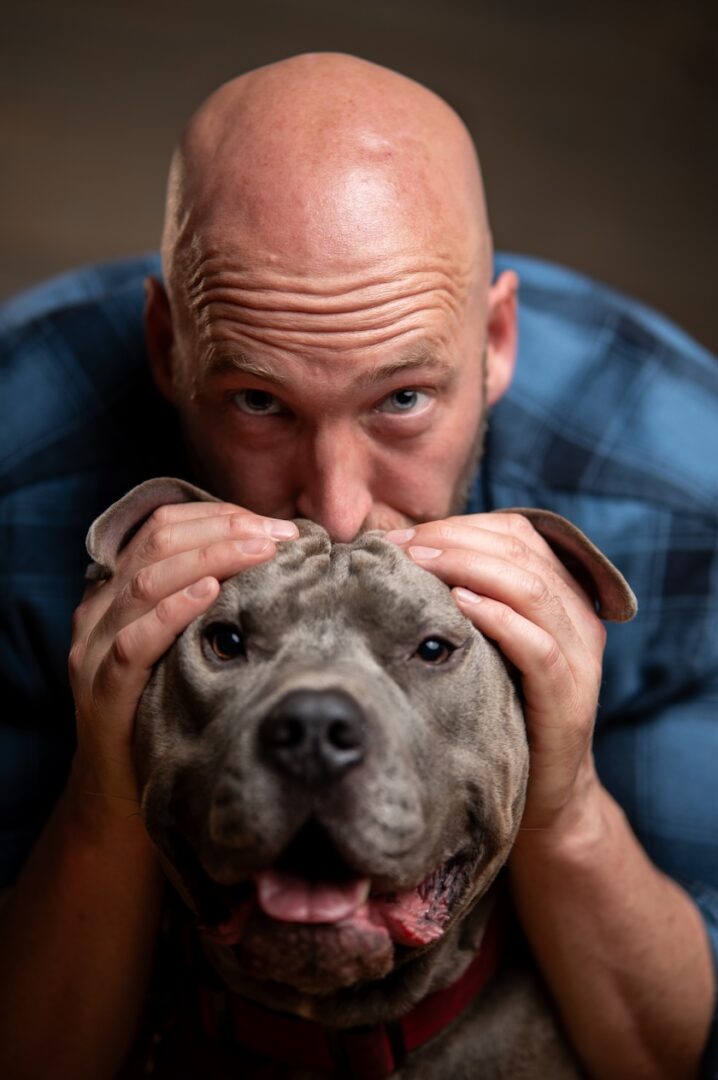
This is an interesting question, because I’m not sure anyone every really DOES overcome imposter syndrome. Even as you stack successes in your career, you’re perpetually looking to take that NEXT step, and the longer it takes to get there, the more you question an opportunity when it arrives. Read More>>
Victoria Kaer
I’m not sure you ever get completely past imposter syndrome. It’s difficult to believe you’re any good when you struggle to become noticed over other more well established people in your field. At times I get hit double with it because I’m an author as well as a graphic designer. Read More>>
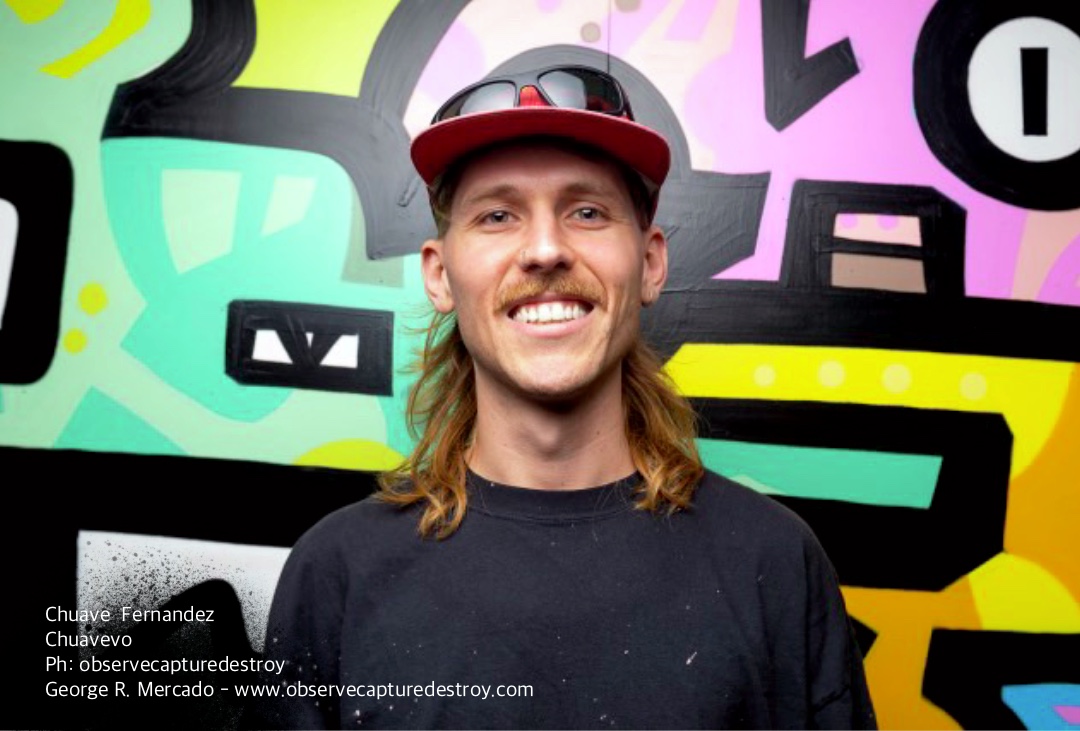
Chuave Fernandez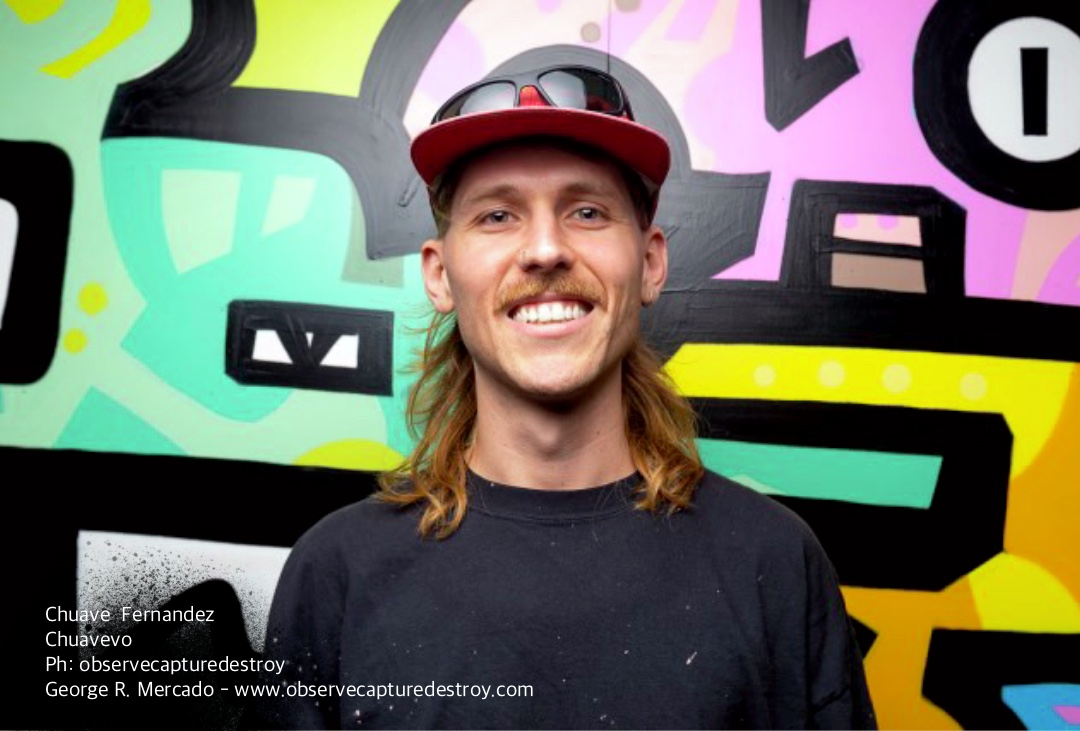
I think it’s a good question and quite a broad topic to explore, experiment with, and grow from. I’d also like to hear other people’s opinions. I usually try to do that. But to me, it seems like an issue that appears at different stages along the artistic path. Read More>>
Meg DeLong
Such a great question!! I think the main thing is looking at everything you’ve done and accomplished. As professional organizers, we aren’t certified through NAPO (National Association of Productivity and Organizing Professionals), we didn’t study organizing and home design in college, so there are times we have felt like ‘OH NO! Should we do those things… are people going to think less of us?!? Read More>>
Chris Wysong
Entrepreneurship is a daily balancing act between confidence and doubt. Some mornings I wake up feeling unstoppable. Other days, I sit in a room full of other founders and wonder if I somehow walked into the wrong place. That little voice in my head, the doubt monster, can be relentless. Over time, I’ve learned it’s not about silencing it. It’s about keeping moving forward. Read More>>
Woodley White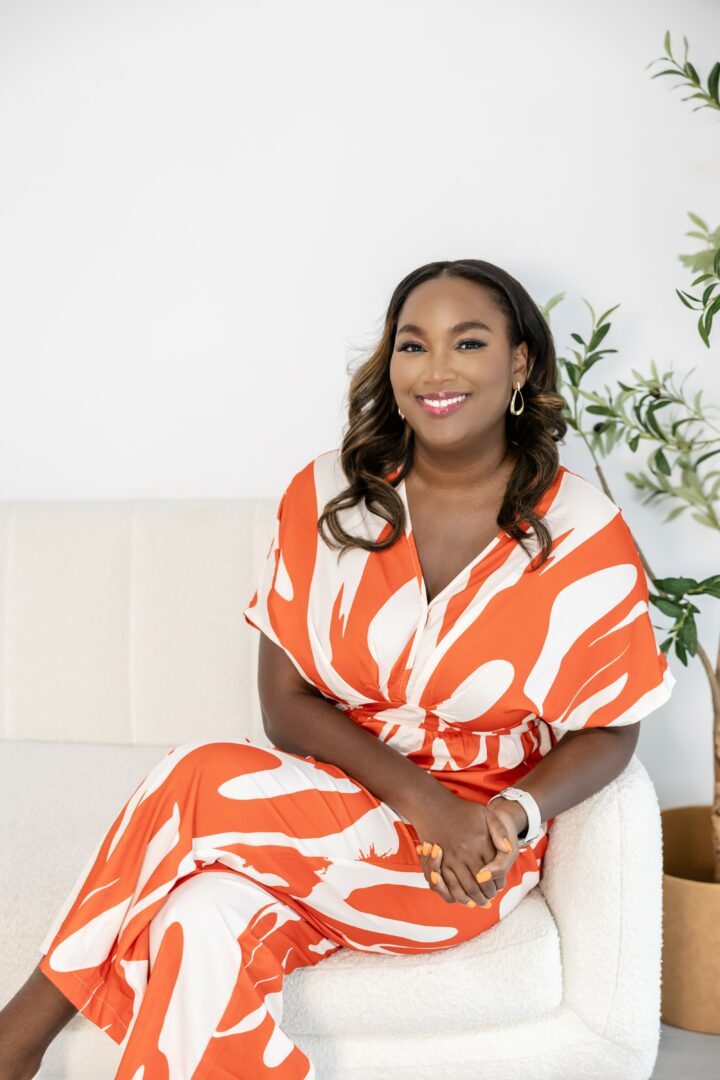
I still bump into imposter syndrome, especially when TikTok shows people my age who seem miles ahead. It’s easy to wonder if I’ll ever catch up. When that happens, I pause and remind myself of two things: Timing matters. Everything rolls out on its own schedule. When my moment hits, it’ll fit my life—not someone else’s highlight reel. Read More>>
Kristen Evans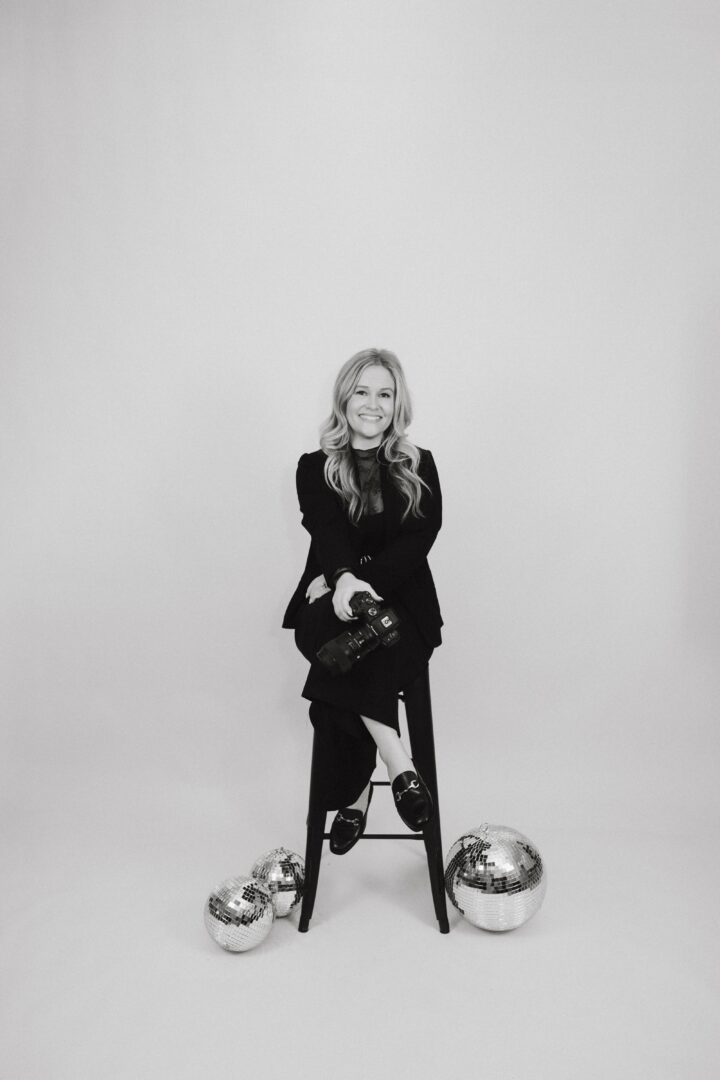
For a long time, I struggled with impostor syndrome as if I wasn’t a ‘real’ photographer, even when people appreciated my work. What helped me move past that feeling was focusing less on perfection and more on progress. I started reminding myself that growth happens with every shoot, every edit, and every challenge I take on. Read More>>
Mark Vidano
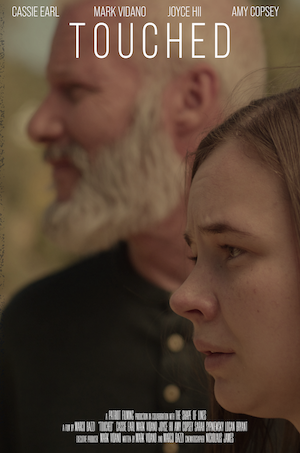
My imposter syndrome wasn’t debilitating, but more embarrassing. Meaning that I felt almost embarrassed when I said ‘I’m an actor.’ For one, I’m older and pretty established in my old career and most of my acting for a while was a side hustle. So, while what I was saying was/is true, it felt like I was an imposter. Read More>>
Alessia Gerasolo
When I first started teaching dance, it was during a time of transition, many of the pillar teachers in the community were moving away or stepping back from teaching. Around then, I began receiving messages from people asking when I would start teaching. At first, I was extremely hesitant. Read More>>
Kira Denney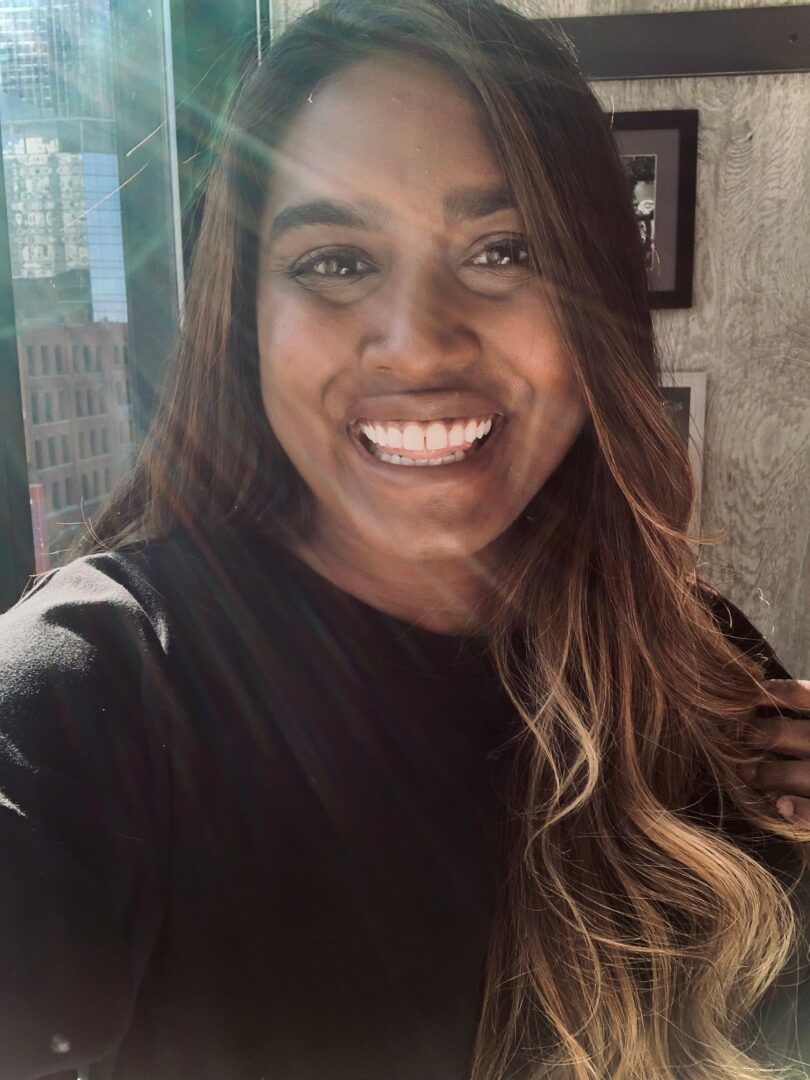
I did not exactly make imposter syndrome disappear. I learned to work with it. Early in my career, I leaned on mentors who reminded me that doubt is not proof of inadequacy, it is part of growth. Over time, I started to see setbacks and failures as essential learning experiences rather than evidence that I did not belong. Read More>>
L.C. Henderson
You know what’s funny? I haven’t overcome it. I’m still learning how to live with it. Imposter syndrome is sneaky. It doesn’t announce itself like, “Hey! You’re a fraud!” It just kind of whispers in the background, “Are you sure you belong here? Shouldn’t someone else be doing this?” And if I waited for those voices to disappear, I’d probably never make anything. Read More>>
Forrest Elliott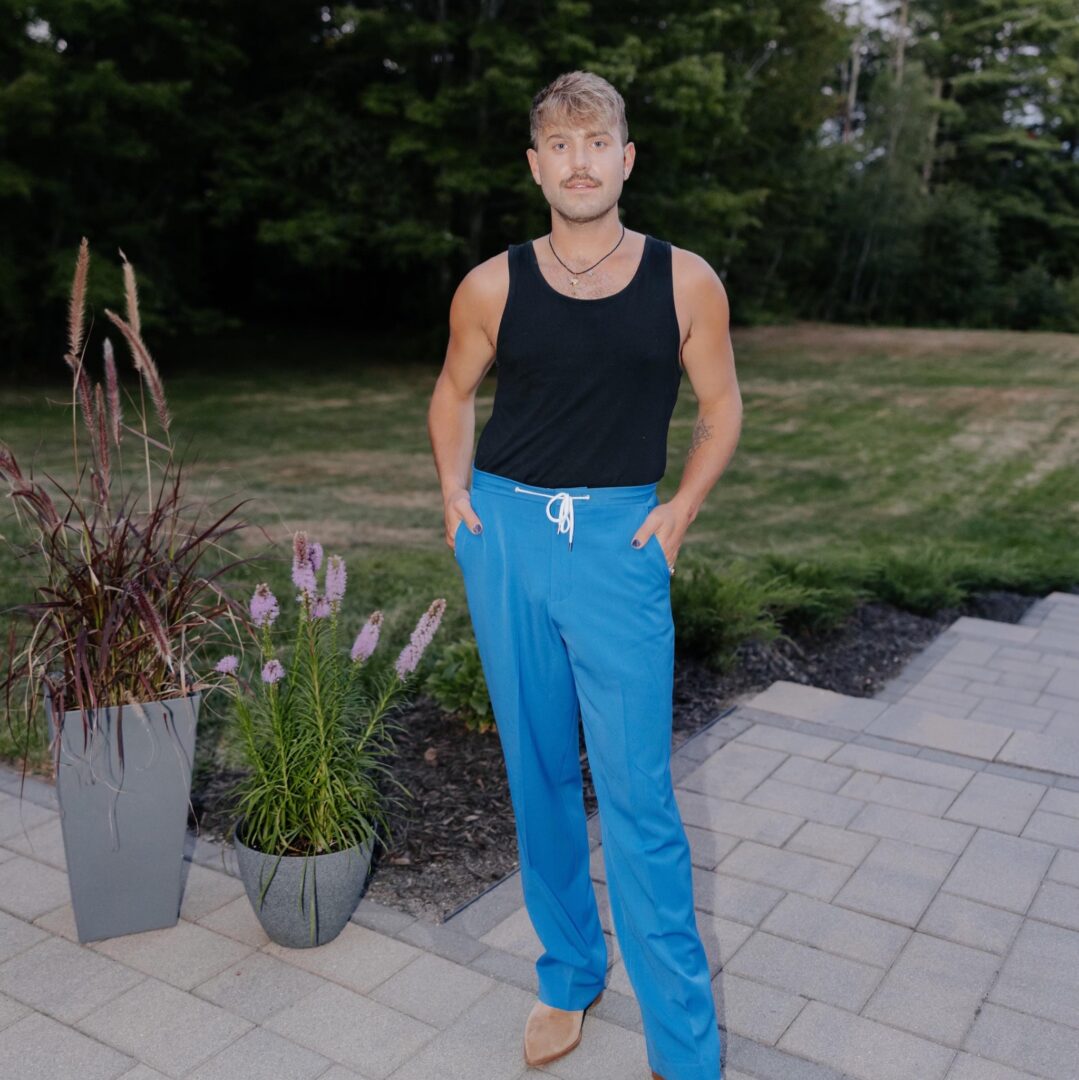
Imposter syndrome has definitely shown up at different points in my journey — whether stepping into the art world, launching new offerings, or creating Your Inner Awakening Retreats. What’s helped me most is remembering that the work isn’t about proving myself; it’s about showing up authentically and offering what I know can support others. Painting has been my biggest teacher here. Read More>>